
Medicare
Depth is the range from the top of the site to its usual maximum; "recommended cert" is the mainstream-agency level operators usually ask for, not a legal rule. Currents and visibility change daily, so treat everything here as planning ranges.
Medicare, also written Medic Care, is a pair of dives on the Padre Burgos coast, a north and a south section of the same reef. In the south a steep rocky slope reaches about 20 m before giving way to sand that keeps falling far beyond diving limits; the north face is steeper, reaching 25 to 30 m, with large rock outcrops and a swim-through below 40 m and a big coral block at about 44 m. Black coral, gorgonians, barrel sponges and table corals grow over highly diverse hard coral. The site is known for mandarinfish, which spawn at twilight, and giant frogfish are common above 12 m. Pygmy seahorses, ghost pipefish, stonefish, emperor angelfish and titan triggerfish add to a long list.
The moment you come for: Twilight mandarinfish spawning; giant frogfish in the shallows; rich hard coral above 12 m
Topography: Steep rocky slope over sand that falls beyond diving limits, with outcrops and a swim-through below 40 m
Current: Minimal to medium; dives follow the current.
Entry: Short boat dive on the Padre Burgos coast. Start in the shallows, descend the slope and go with whichever way the current runs, ascending gradually.
Know before you splash
Hazards: The sandy slope keeps dropping beyond recreational limits, and the outcrops lie below 40 m; agree a depth limit before the dive. Twilight dives need a torch.
Permits & rules: Inside a municipal marine sanctuary: divers pay a daily sanctuary fee, normally collected by the dive operator.
Who you'll meet
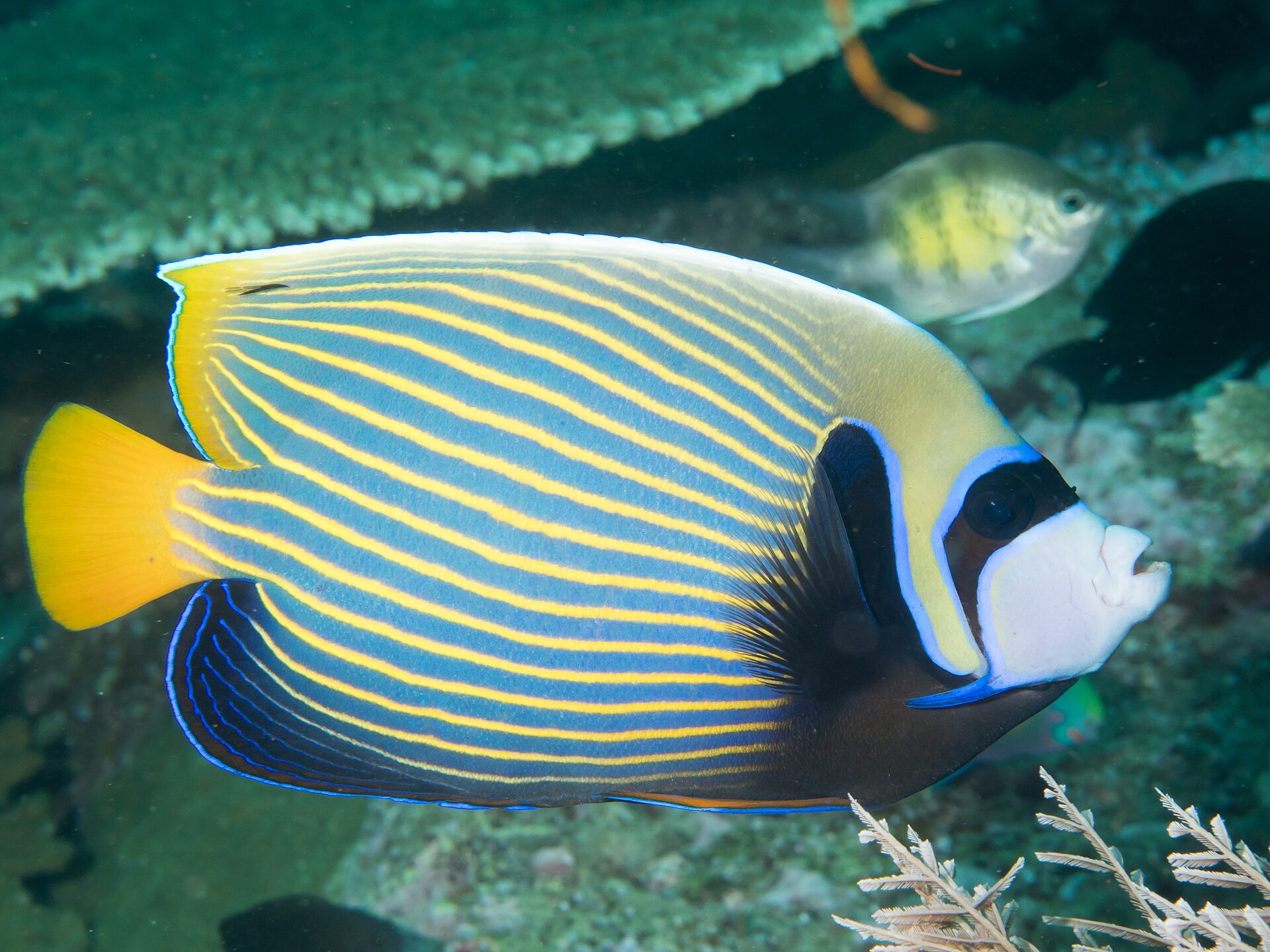
Emperor Angelfish
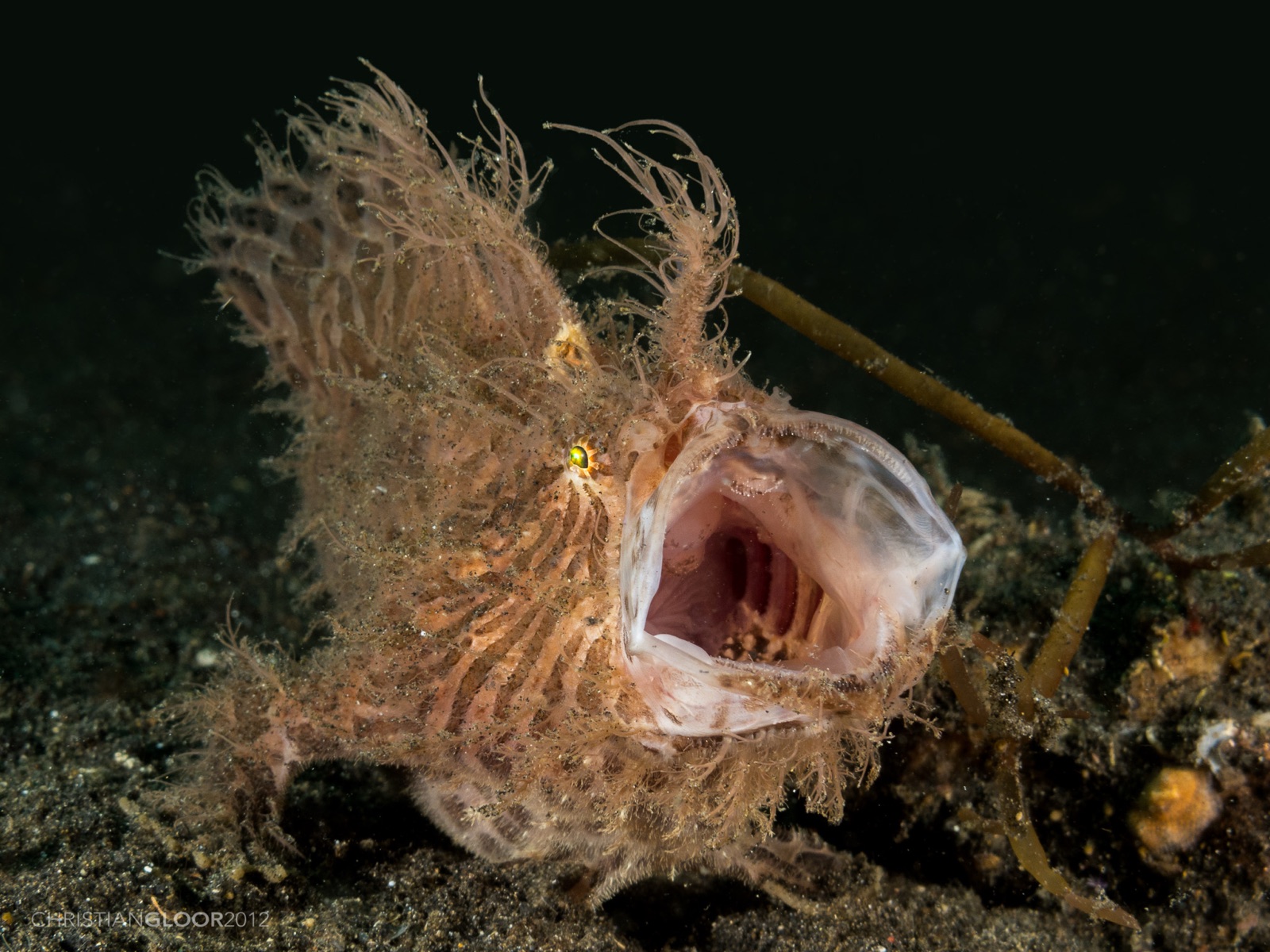
Frogfish
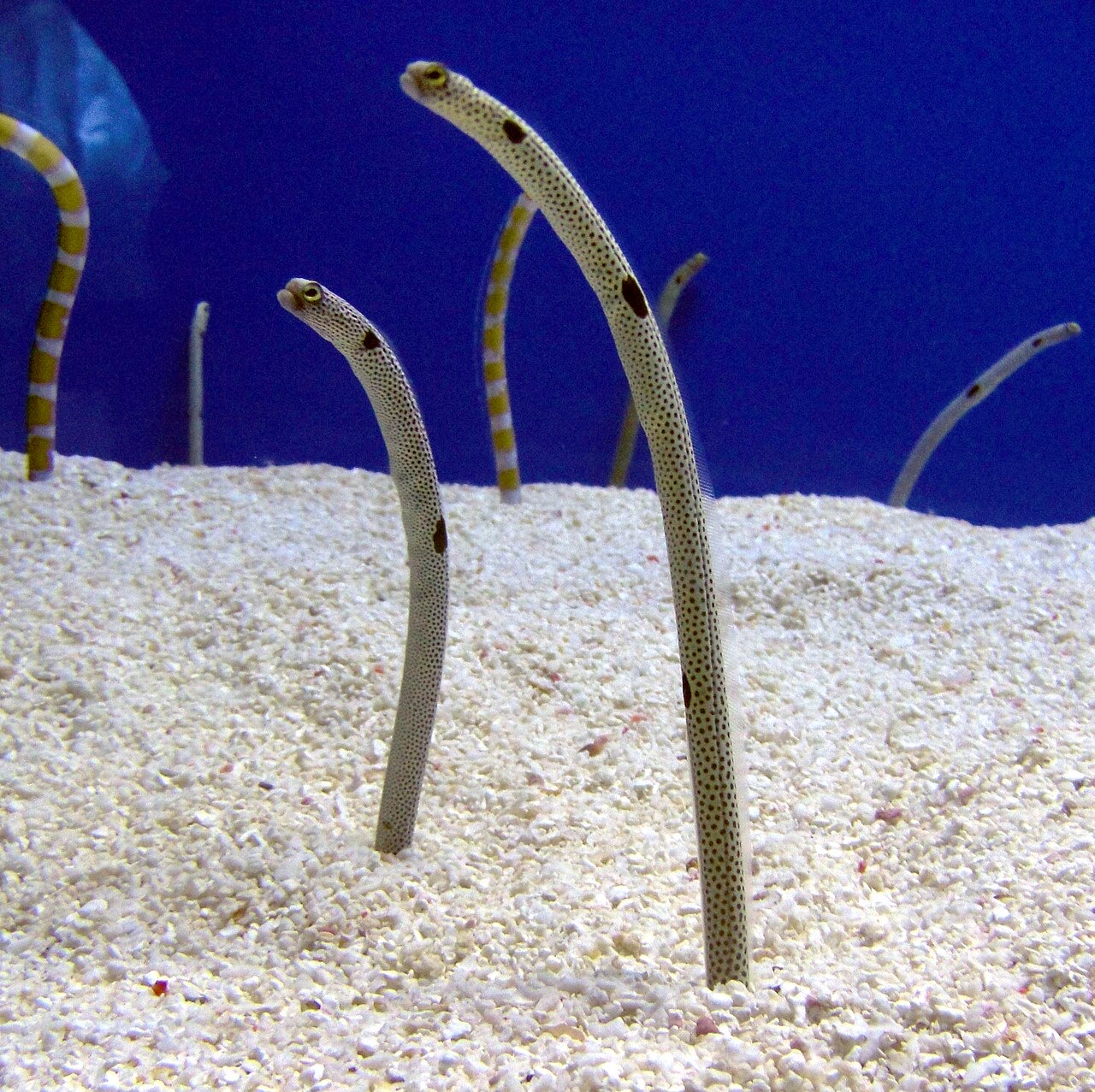
Garden Eel
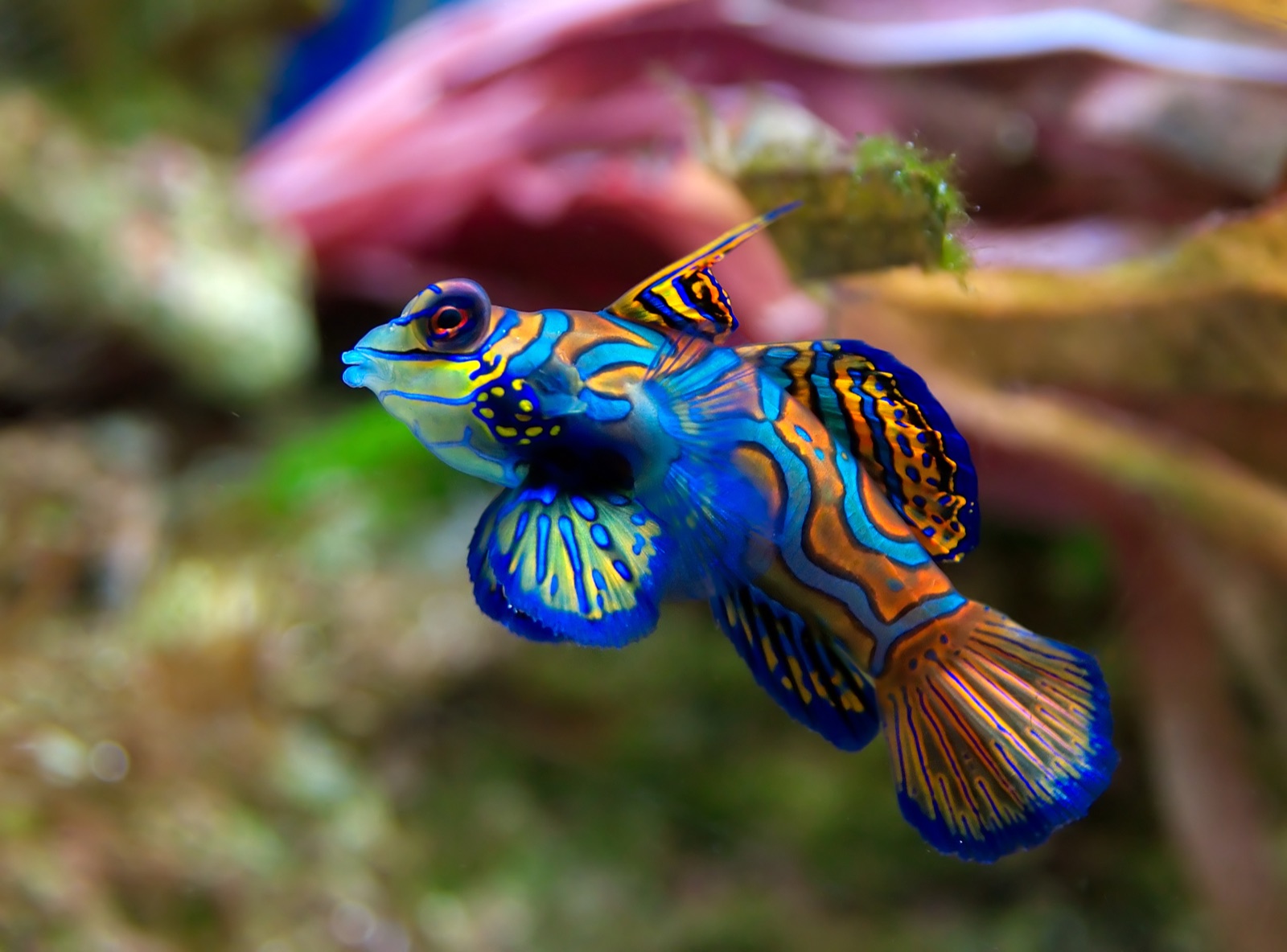
Mandarinfish
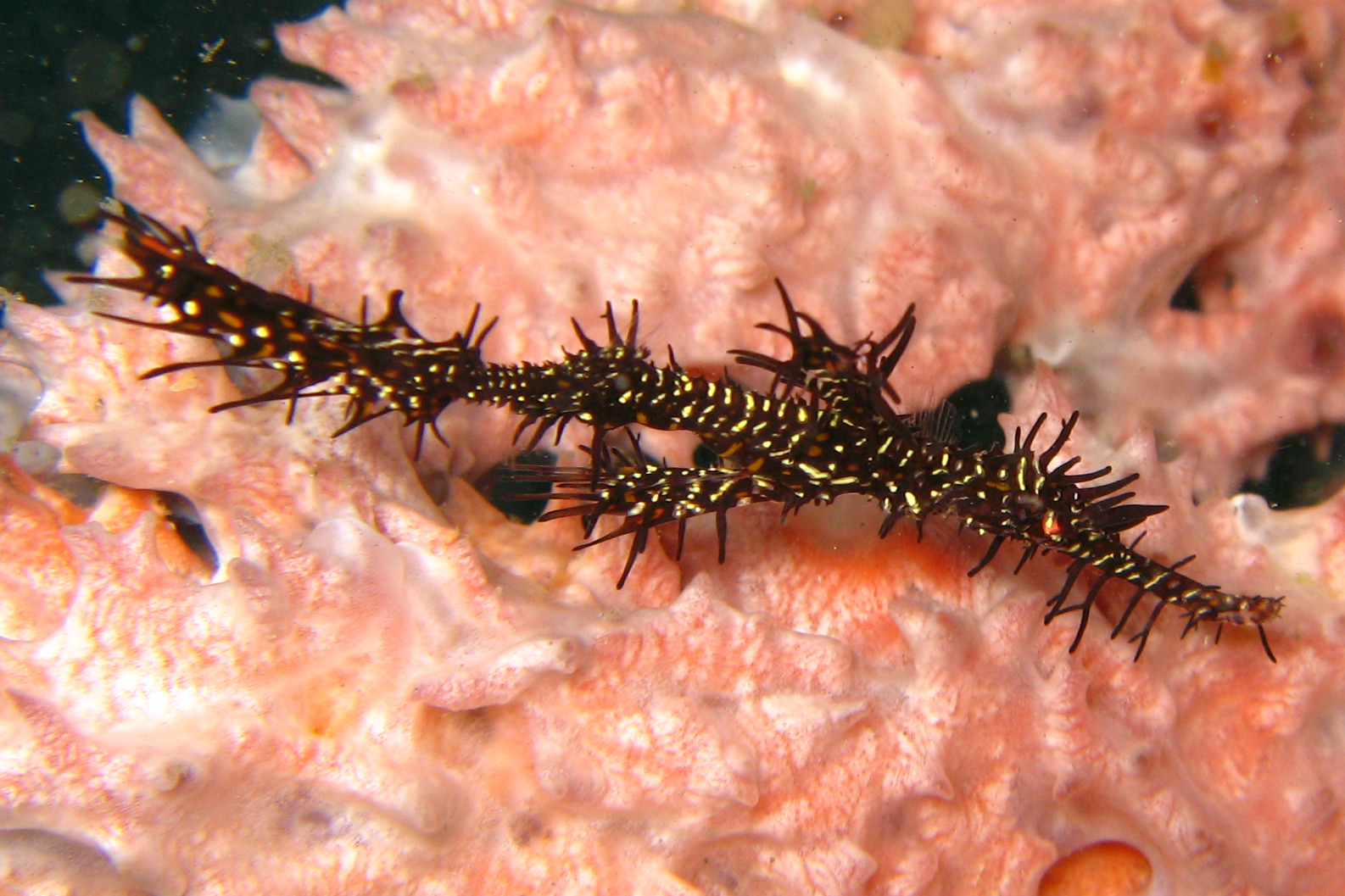
Ornate Ghost Pipefish
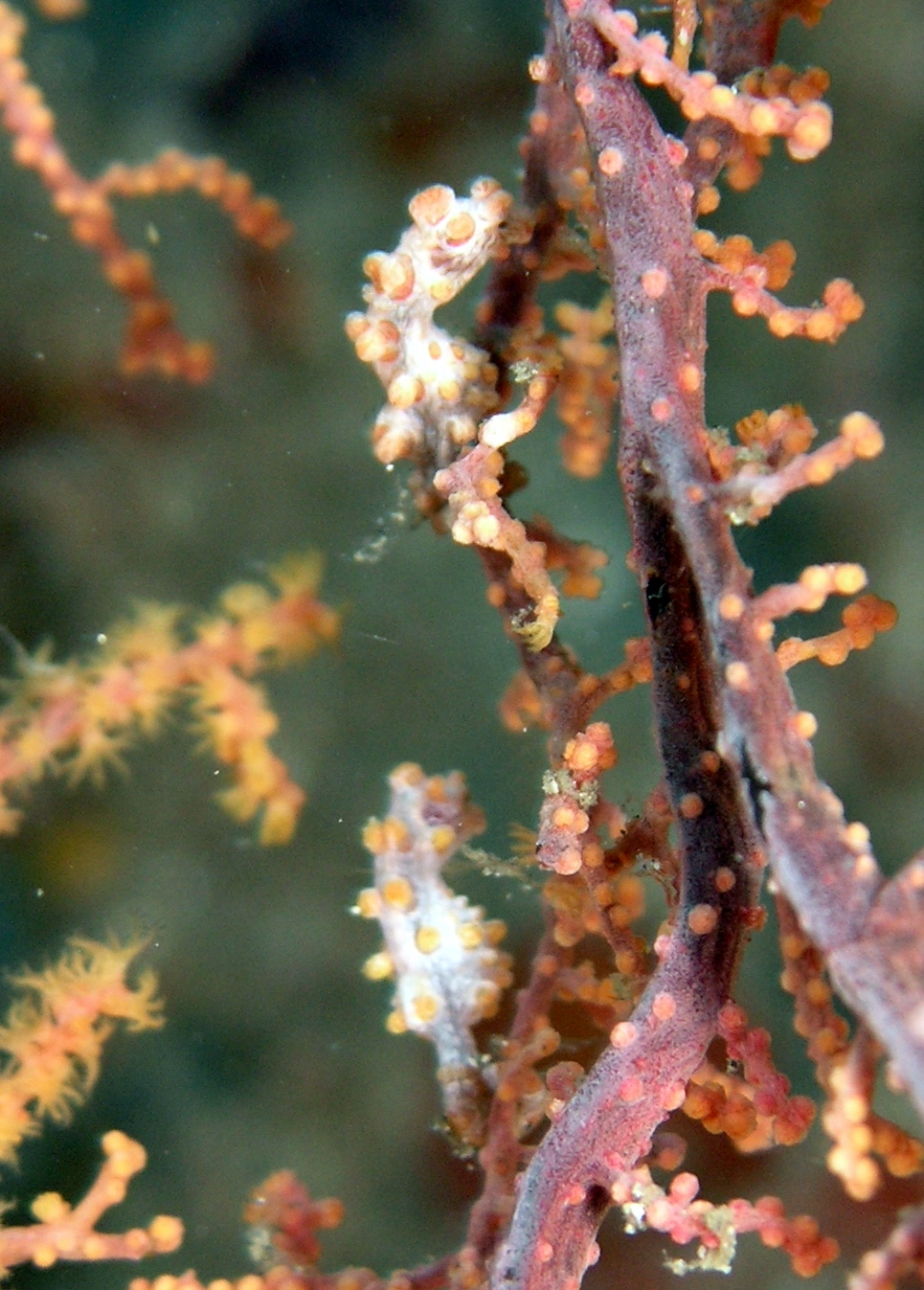
Pygmy Seahorse
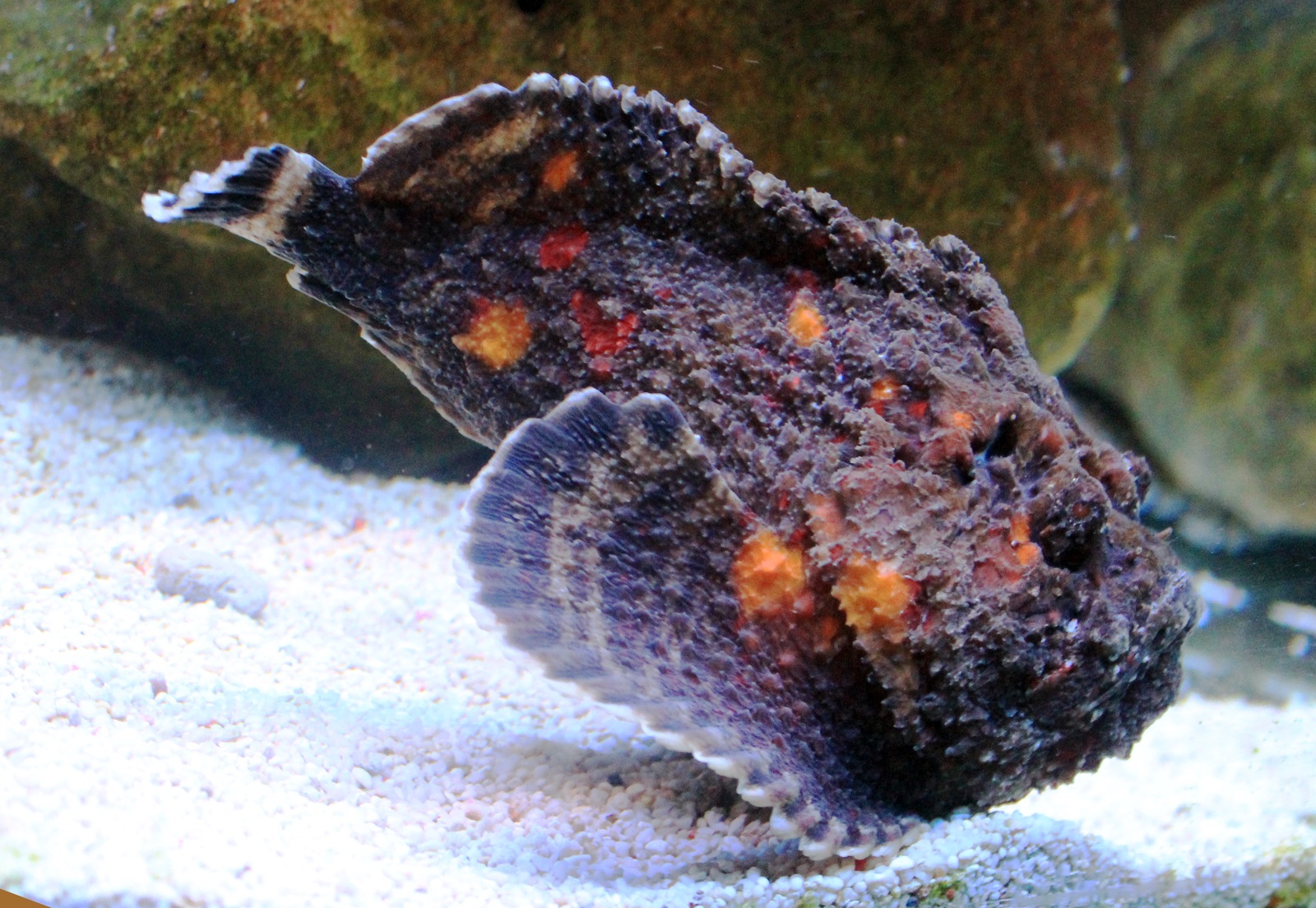
Reef Stonefish
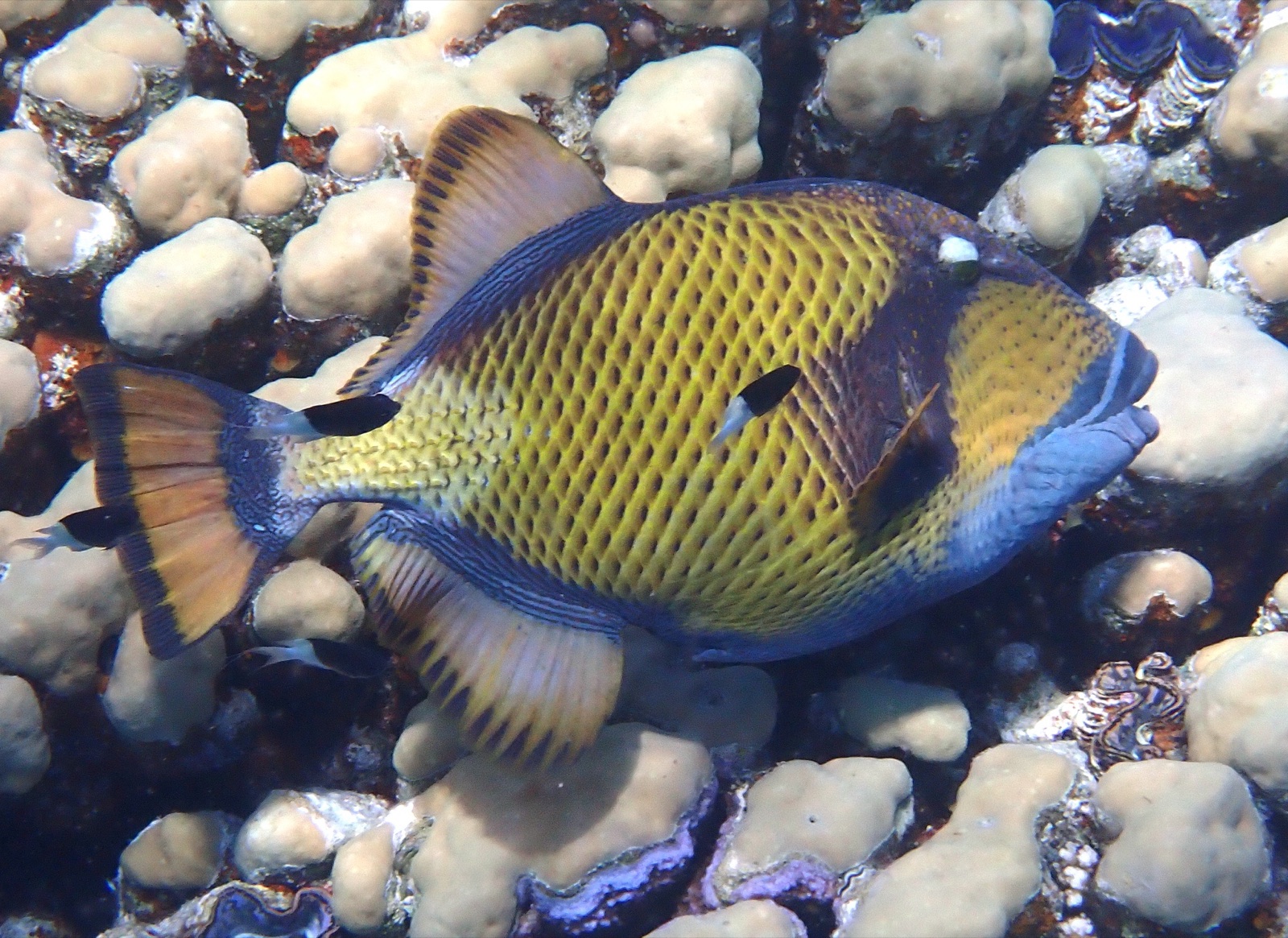
Titan Triggerfish
"Charted here" species were listed by our editors from the sources on this page. Counts are GBIF occurrence records: observations logged within about 5 km of the charted position since 1990, matched only against the species in our catalogue. They show what has been seen there, not a promise of what you will see.