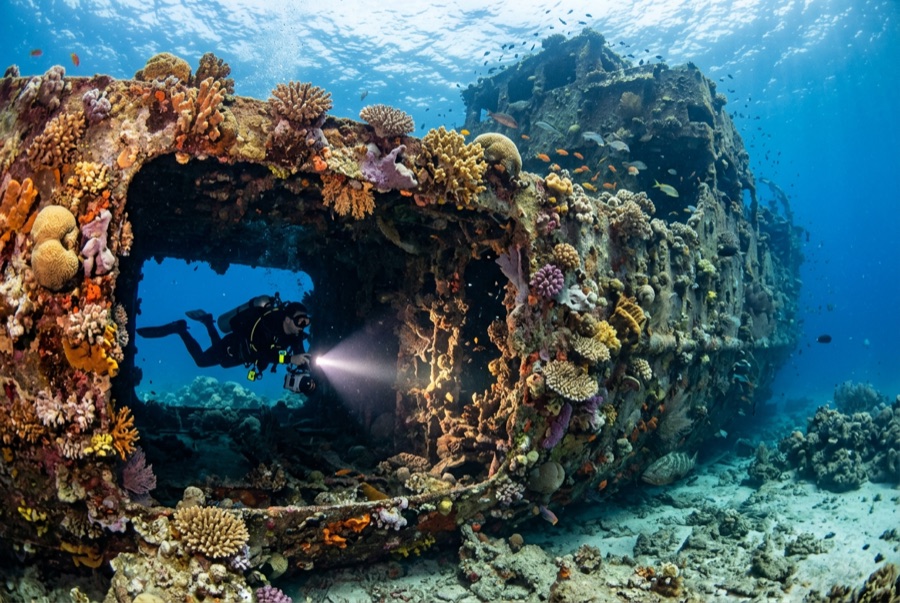
Triple Wreck
Depth is the range from the top of the site to its usual maximum; "recommended cert" is the mainstream-agency level operators usually ask for, not a legal rule. Currents and visibility change daily, so treat everything here as planning ranges.
Close to the Oranje Bay waterfront lies an 18th century wreck site that guides describe as an underwater museum. Coral and sponge disguise the ballast stones, and around them are barrel hoops, wine bottles, pottery, anchors, a cannon and hundreds of yellow bricks of the Dutch kind used in the island's old buildings. Hurricanes Irma and Maria laid bare the remains of the vessel in 2017, and archaeologists now study it as site SE-504 with a field school that certified divers can join. The animal life matches the history: sailfin blennies occupy the old bottles, and fingerprint cyphoma, octopus, Caribbean reef squid, scorpionfish, seahorses and frogfish are all regulars.
The moment you come for: Bottles, pottery, anchors and a cannon from the 1700s; sailfin blennies in old bottles; seahorses and frogfish
Topography: Coral-covered ballast stones and scattered 18th century artifacts on sand
Entry: A short boat ride to a site close to the Oranje Bay waterfront.
Know before you splash
Hazards: Shallow and sheltered. This is an active archaeological site: touch nothing and keep fins off the artifacts.
Conservation: Studied by the St. Eustatius Center for Archaeological Research; all artifacts are protected and stay in place.
Who you'll meet
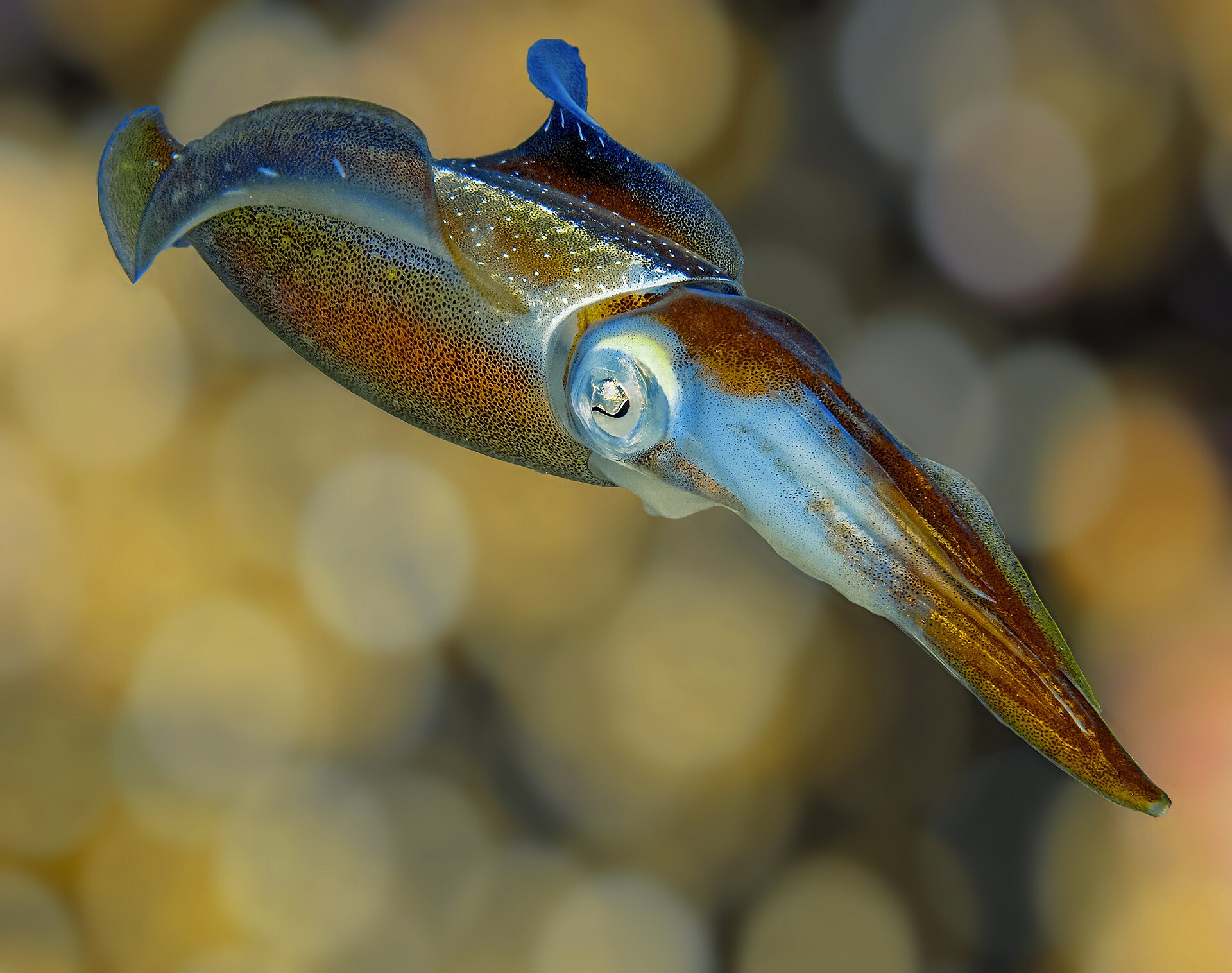
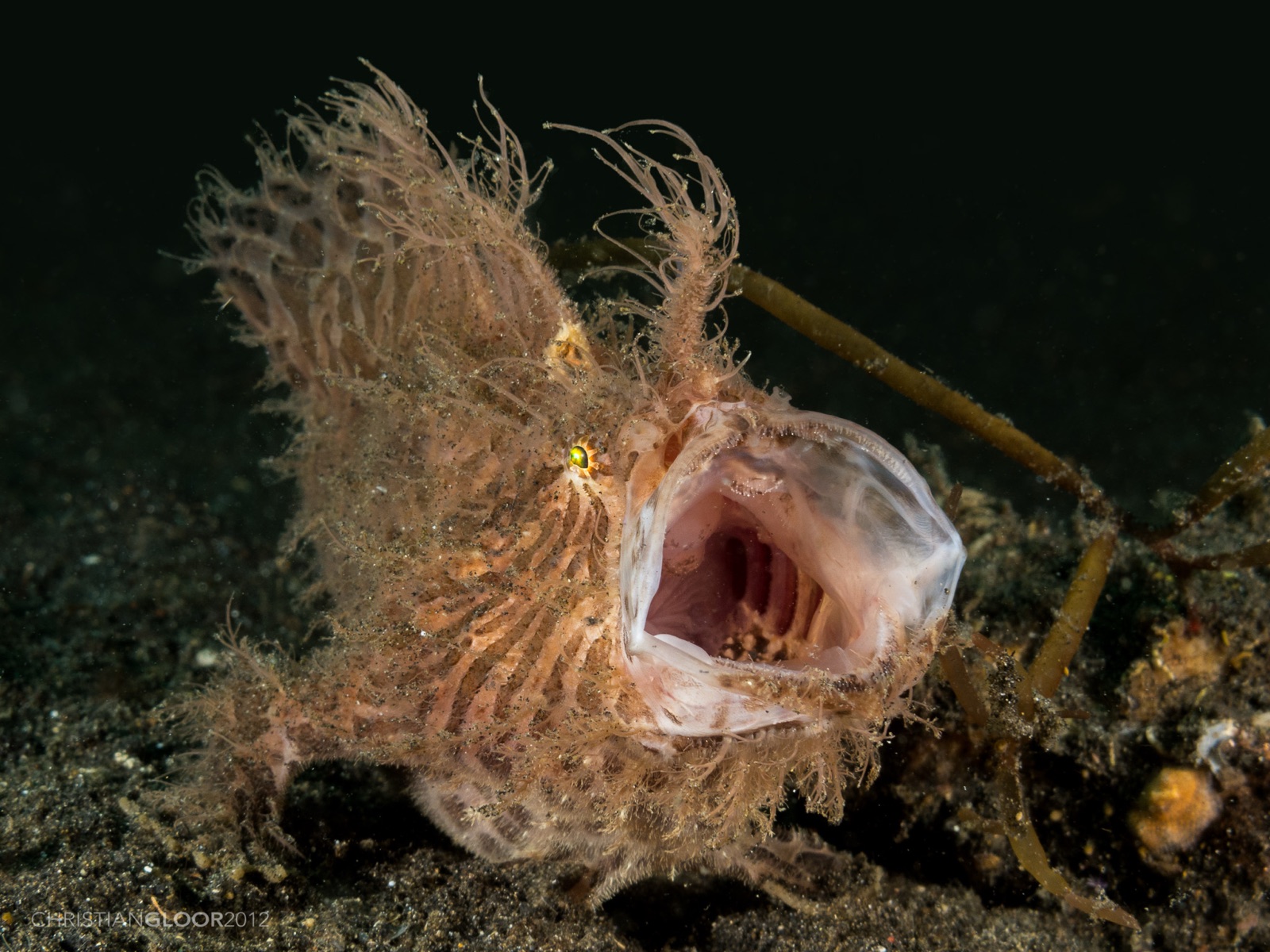
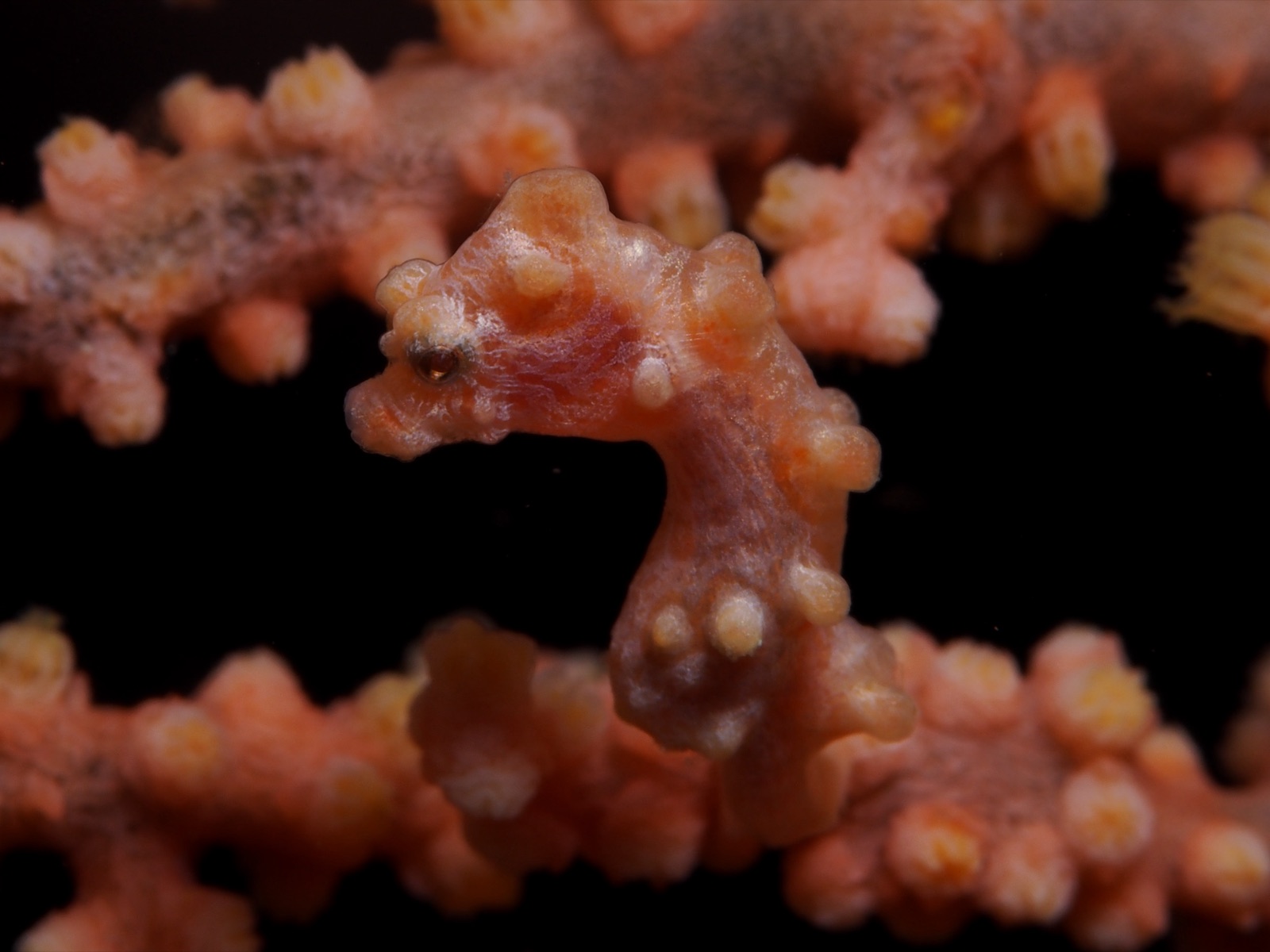
"Charted here" species were listed by our editors from the sources on this page. Counts are GBIF occurrence records: observations logged within about 5 km of the charted position since 1990, matched only against the species in our catalogue. They show what has been seen there, not a promise of what you will see.