Discover where to dive, when to go, and what you could see.

Discover where to dive, when to go, and what you could see.
★
Menu
Destinations Dive Sites Marine Life Wrecks News
Plan a trip Trip planner When to dive Top dive sites Bucket-list encounters Reef health this week Cost calculator Comparisons Marine-life calendar Water temperature Liveaboards Operators & resorts Marine parks Hyperbaric chambers World map
Your diving Dive log Life list ★ Saved
Cave Diving All cave diving Destinations & Dive Sites Cave Systems & Maps Training & Qualifications Dive Centers & Guides Equipment & Technology Safety & Incident Research Science, History & Conservation Resources & Updates
Regions Australia, New Zealand & East AsiaCaribbean & Western AtlanticEurope, Atlantic & MediterraneanIndian Ocean & East AfricaPacific Islands & MicronesiaRed Sea & Middle EastSoutheast Asia & Coral TriangleThe Americas & Eastern Pacific Countries
Learn & Tools All guides Certifications Gear guides Videos Ask the Data AI Agents API
About About us Methodology Disclaimer Contact
Your view
★ Saved

Your starred destinations, sites and species, stored in this browser.

Dive log

Log your dives and import them from a dive computer. Kept on this device.

Life list

Every species you have seen, with where and when.

API GATEWAY

Free read-only JSON access to the atlas's cached data.

Dark mode

Guided View
New to diving? Depths, currents, certification levels? We explain every term as you browse, in plain English. Same data, with the help built in.

Expert View
You already know the difference between a wall and a drift. Just the data: clean, fast and compact. This is the default view.

Interface language
Gubal Barge, illustrative image

Gubal Barge

Wreck · Reef 5–25 m Intermediate Hurghada & El Gouna, Egypt
AI-generated illustration
✎ Log a dive here Well documented Also known as: Barge at Bluff Point, Bluff Point Barge
Depth
5–25 m / 16–82 ft
Water
21–29 °C / 70–84 °F
Current
Strong
Access
Liveaboard
Best months
Apr, May, Jun, Sep, Oct, Nov

Depth is the range from the top of the site to its usual maximum; "recommended cert" is the mainstream-agency level operators usually ask for, not a legal rule. Currents and visibility change daily, so treat everything here as planning ranges.

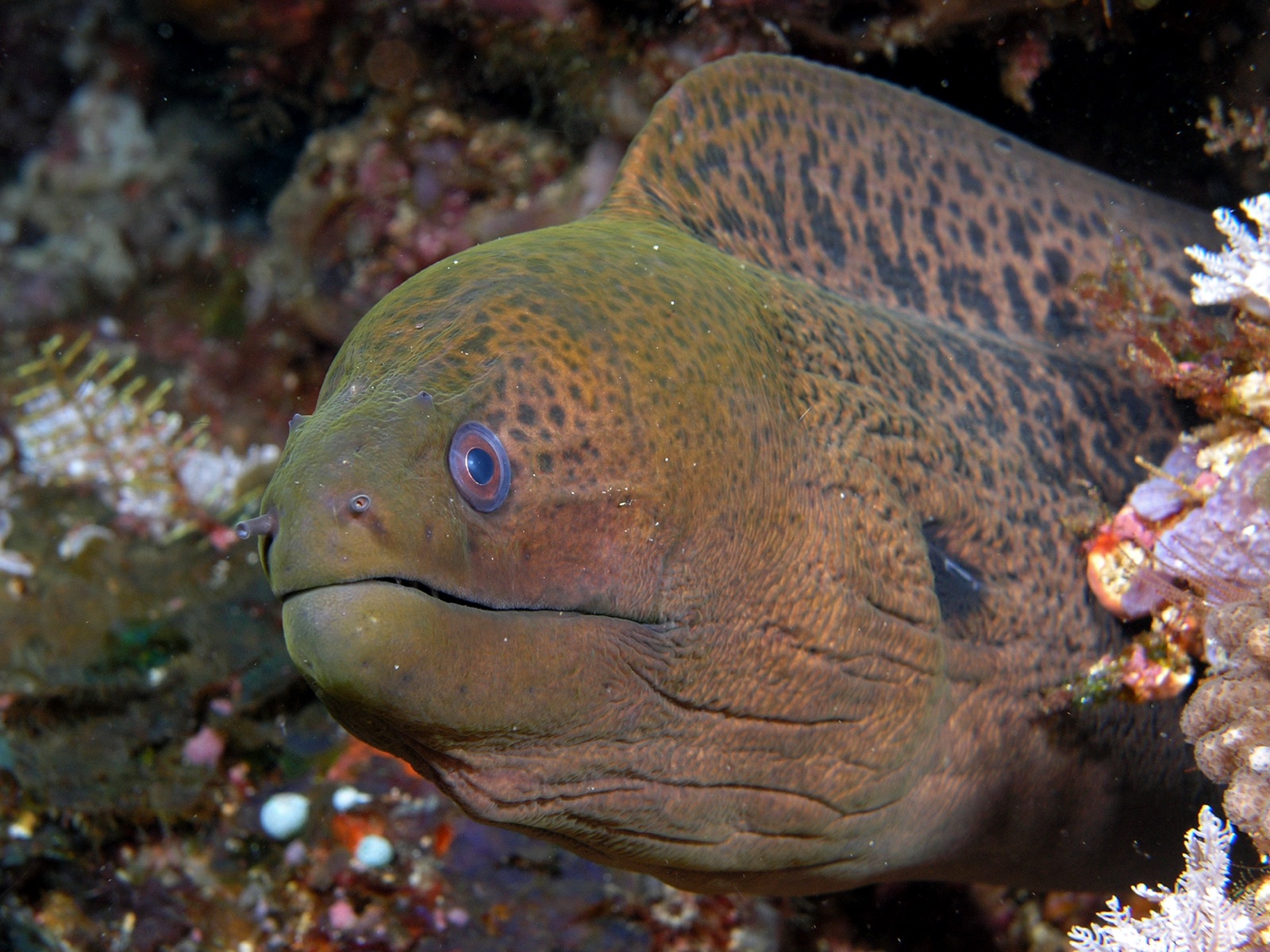
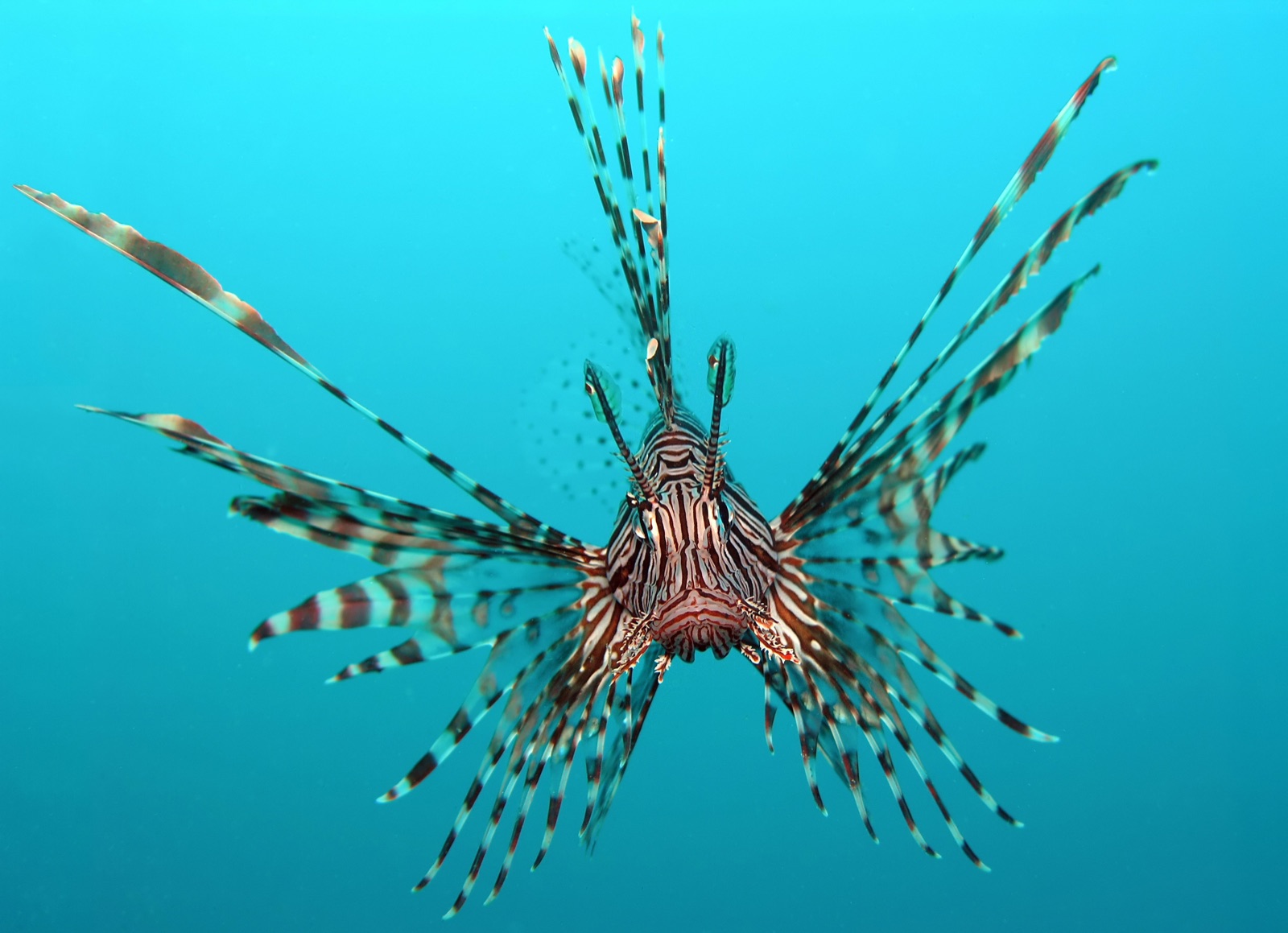
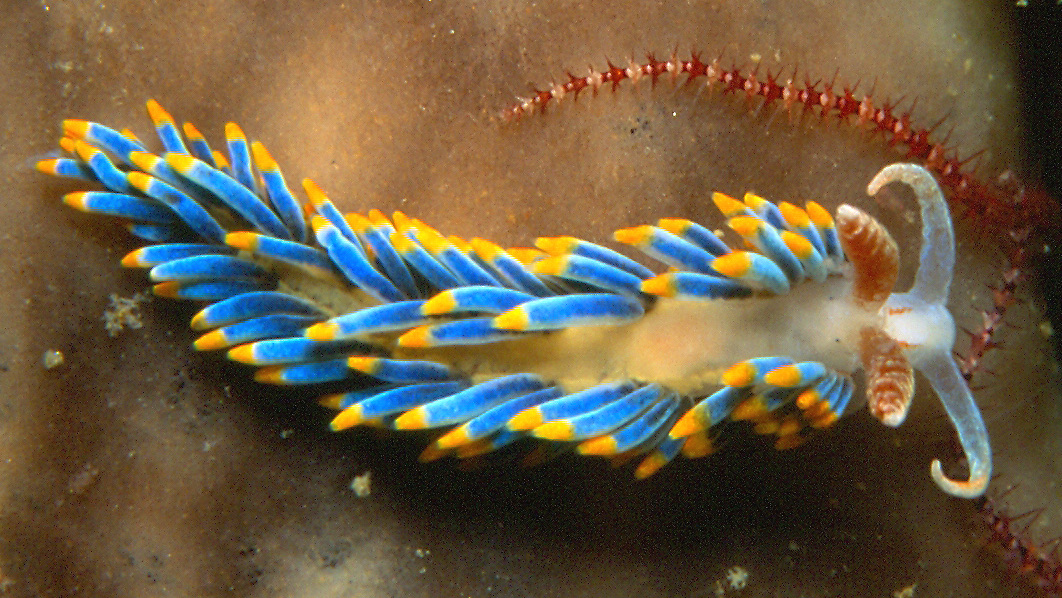
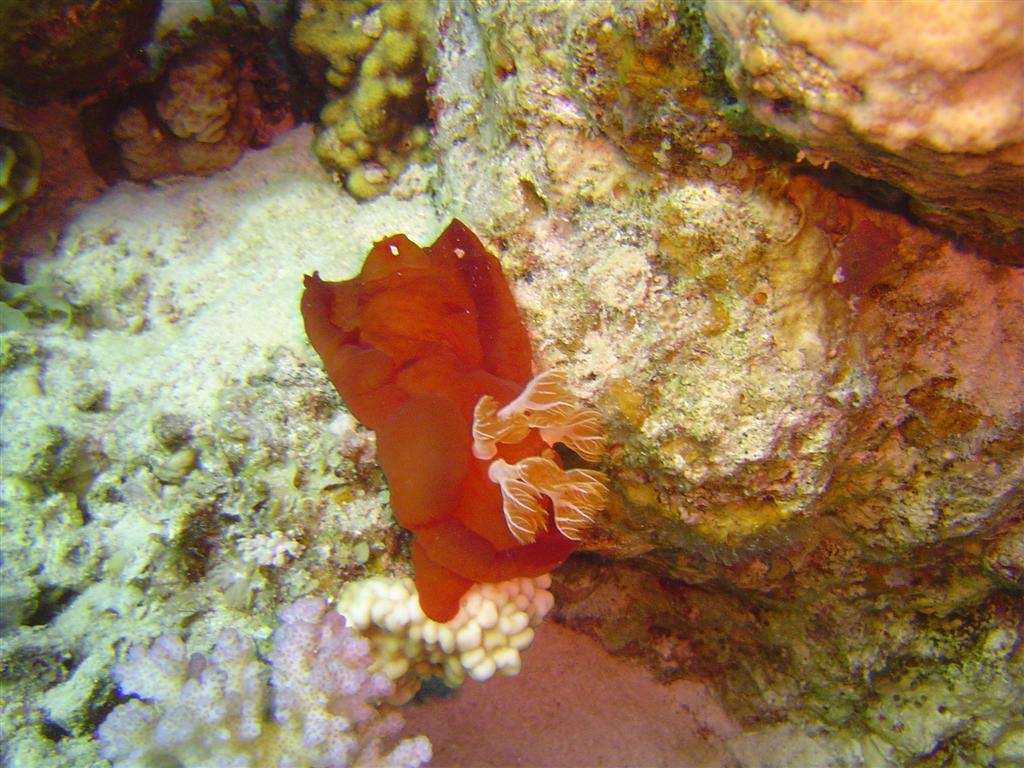
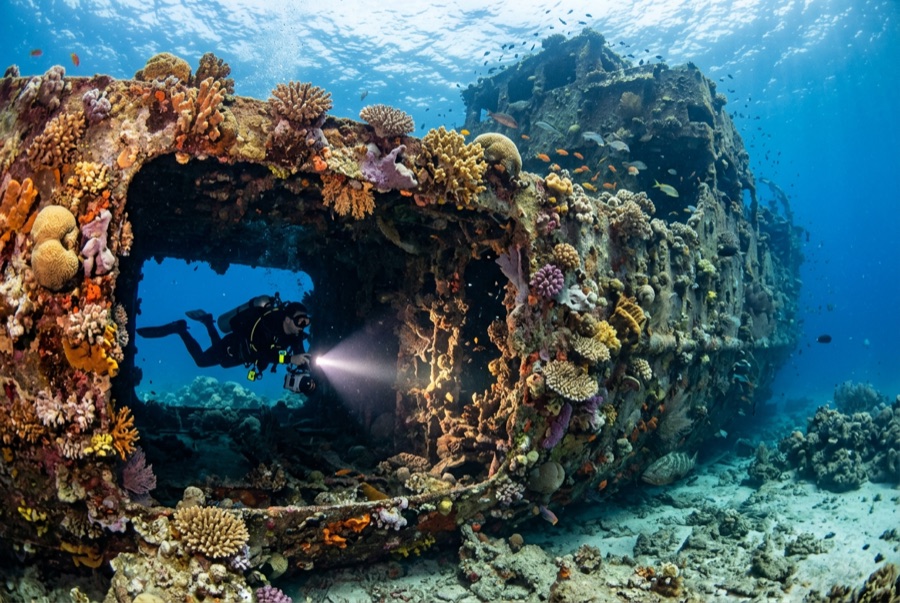
This small barge, less than 35 m long, sits upright on the reef of Small Gubal facing the Bluff Point lighthouse, about 300 m north of it, in the sheltered spot where northern liveaboards tie up for the night. Little remains apart from the hull, two big cylindrical boilers and a spare propeller on deck, but the open interior is easy to enter and every gap holds life, which makes it one of the most reliable night dives in the area. Divers usually drop in to the north and ride the current onto the wreck. Lionfish hunt the fish that crowd the hull, an enormous resident giant moray patrols, and scorpionfish, crocodilefish, octopus, boxer shrimps and tiny coral crabs hide in the frames, while nudibranchs and Spanish dancers live on the reef around it.

The moment you come for: Fish-packed hull on a sheltered liveaboard mooring; resident giant moray; boilers and spare propeller; classic night dive

Topography: Upright barge hull, boilers and propeller on a coral reef slope from about 5 to 25 m

Current: Can be strong near the entrance to the Strait of Gubal; the hull gives shelter, though surge is possible.

Entry: Usually a night dive from liveaboards moored in the shelter of Small Gubal; drop in to the north and drift onto the wreck.

Know before you splash

Hazards: Current near the strait entrance and occasional surge inside the hull; several boats may share the site at night, so keep with your group.

Who you'll meet
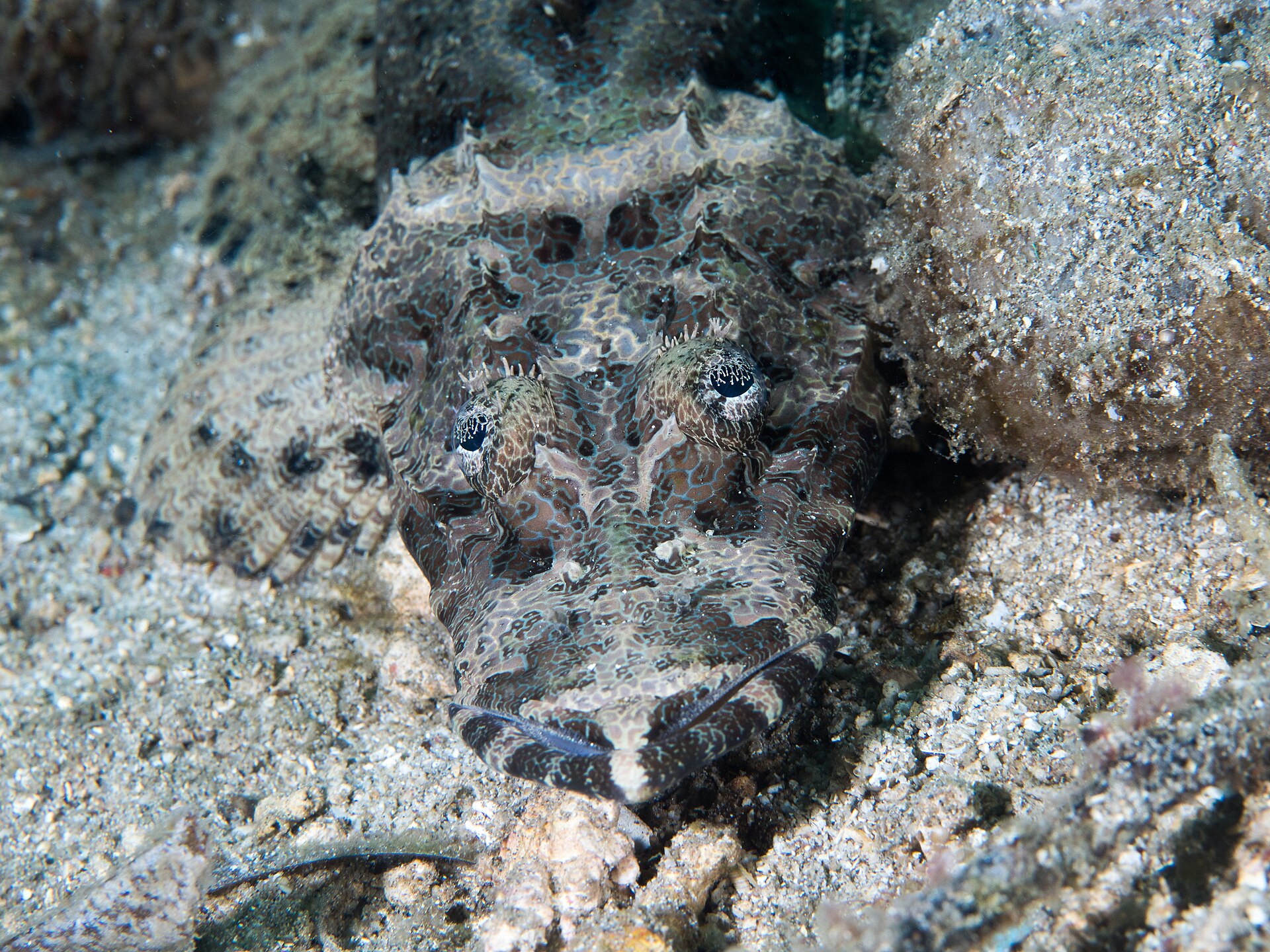
"Charted here" species were listed by our editors from the sources on this page. Counts are GBIF occurrence records: observations logged within about 5 km of the charted position since 1990, matched only against the species in our catalogue. They show what has been seen there, not a promise of what you will see.

Sources: Dive The World ↗Emperor Divers ↗SCUBA Travel ↗ · Facts verified against the sources above; fields without support are labeled not yet verified.

Australia, New Zealand & East Asia

Cairns & the Ribbon ReefsNingaloo ReefBrisbane, Moreton Bay and the Sunshine CoastCoral Sea & Osprey ReefIshigaki & the Yaeyama IslandsOkinawa & the Kerama IslandsPoor Knights IslandsSouthern Great Barrier Reef: Lady Elliot, Lady Musgrave & Heron Islands

Caribbean & Western Atlantic

BonaireCozumelRiviera Maya & the CenotesBelize Barrier ReefGrand CaymanIsla Mujeres & CancúnRoatánTiger Beach & Grand Bahama

Europe, Atlantic & Mediterranean

Malta & GozoSilfra & IcelandThe AzoresBalearic IslandsCabo de Palos & Islas Hormigas Marine ReserveCanary IslandsLarnaca & the ZenobiaScapa Flow

Indian Ocean & East Africa

North & South Malé AtollsAri AtollBaa Atoll & Hanifaru BayFuvahmulahAliwal Shoal & UmkomaasAndaman IslandsMafia IslandMauritius

Pacific Islands & Micronesia

PalauChuuk (Truk) LagoonFakaravaKona, HawaiʻiRangiroaTaveuni & Rainbow ReefBeqa Lagoon & Pacific HarbourEspiritu Santo

Red Sea & Middle East

Sharm El Sheikh & Ras MohammedBrothers, Daedalus & St John'sDahabHurghada & El GounaMarsa Alam & the Deep SouthAqabaDaymaniyat IslandsEilat

Southeast Asia & Coral Triangle

Bali & Nusa PenidaKomodoRaja AmpatSipadan & MabulAnilaoCoronGili Islands & LombokKoh Tao

The Americas & Eastern Pacific

Galápagos IslandsCocos IslandFlorida KeysSea of Cortez & Cabo PulmoSocorro & the RevillagigedosBritish ColumbiaCalifornia Channel IslandsCosta Rica Pacific Coast