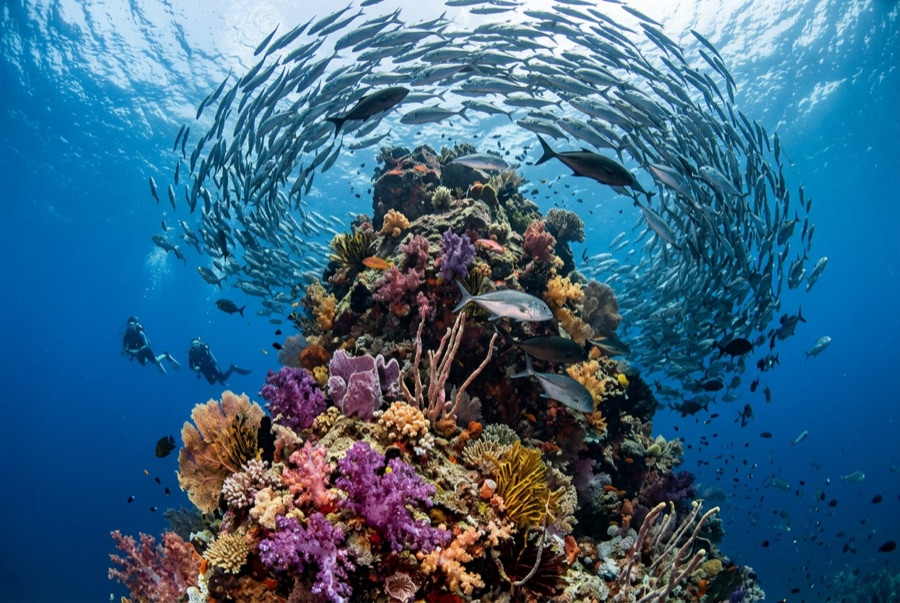
Pengah Kecil
Depth is the range from the top of the site to its usual maximum; "recommended cert" is the mainstream-agency level operators usually ask for, not a legal rule. Currents and visibility change daily, so treat everything here as planning ranges.
Pengah Kecil is a small rocky island about 4 km north of central Rinca, the tip of a pinnacle that starts around 27 m. Its shallow coral garden is often called one of the finest in the park, and operators use it as a warm-up or farewell dive. The usual plan enters on the 5 m slope, drops to a 10 m plateau where whitetip reef sharks rest under plate corals, then follows an eastern mini wall at about 25 m, where whip corals hold whip coral shrimp and sea fans hide pygmy seahorses, before zig-zagging back up with the current. Turtles, giant morays, frogfish, eagle rays and the odd bumphead parrotfish fill out the list. Exposed to the open sea, its visibility is hit or miss.
The moment you come for: Celebrated shallow coral garden; whitetip reef sharks under plate corals; pygmy seahorses and whip coral shrimp; turtles
Topography: Rocky islet on a pinnacle from 27 m, with plateaus, mini walls and a shallow coral garden
Current: Medium most days but can turn strong and switch direction; the north or south side is chosen on the day.
Entry: Back roll onto the 5 m slope, down to the 10 m plateau, along the eastern mini wall at about 25 m, then a zig-zag back up with the current to the western shallows.
Know before you splash
Hazards: Currents that change direction quickly and can turn strong; depth on the eastern wall.
Permits & rules: Komodo National Park fees apply and are charged separately from dive packages.
Who you'll meet
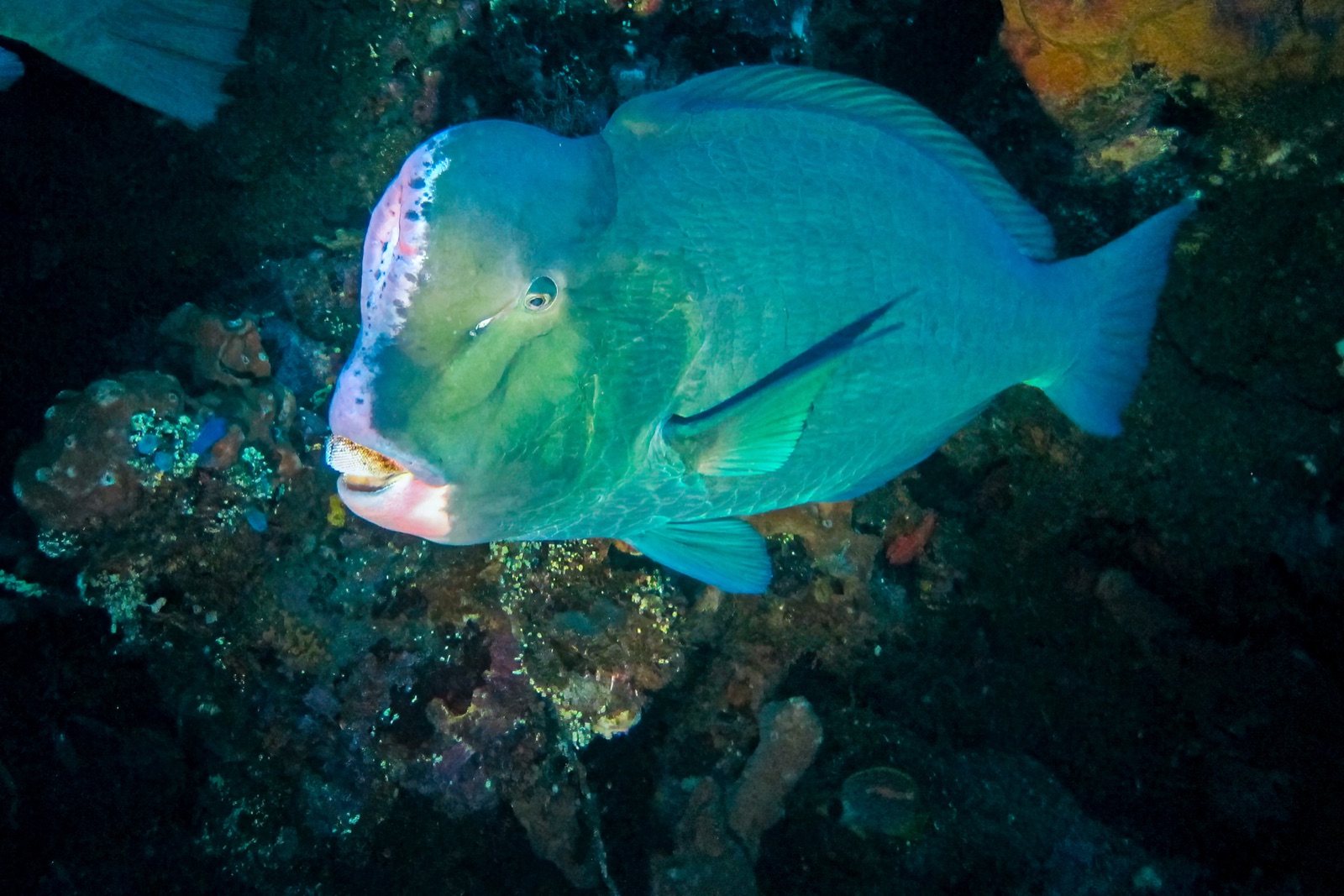
Bumphead Parrotfish
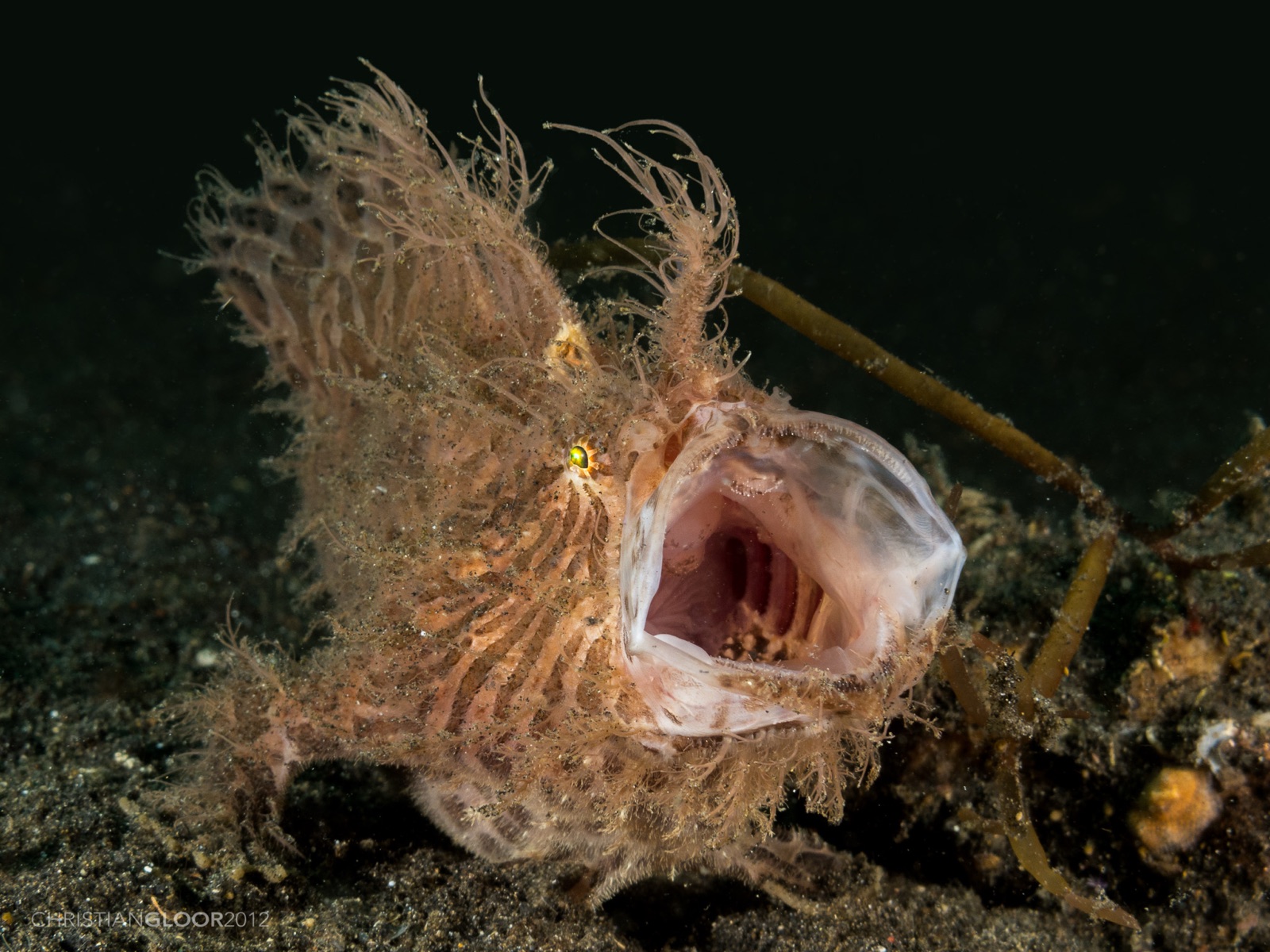
Frogfish
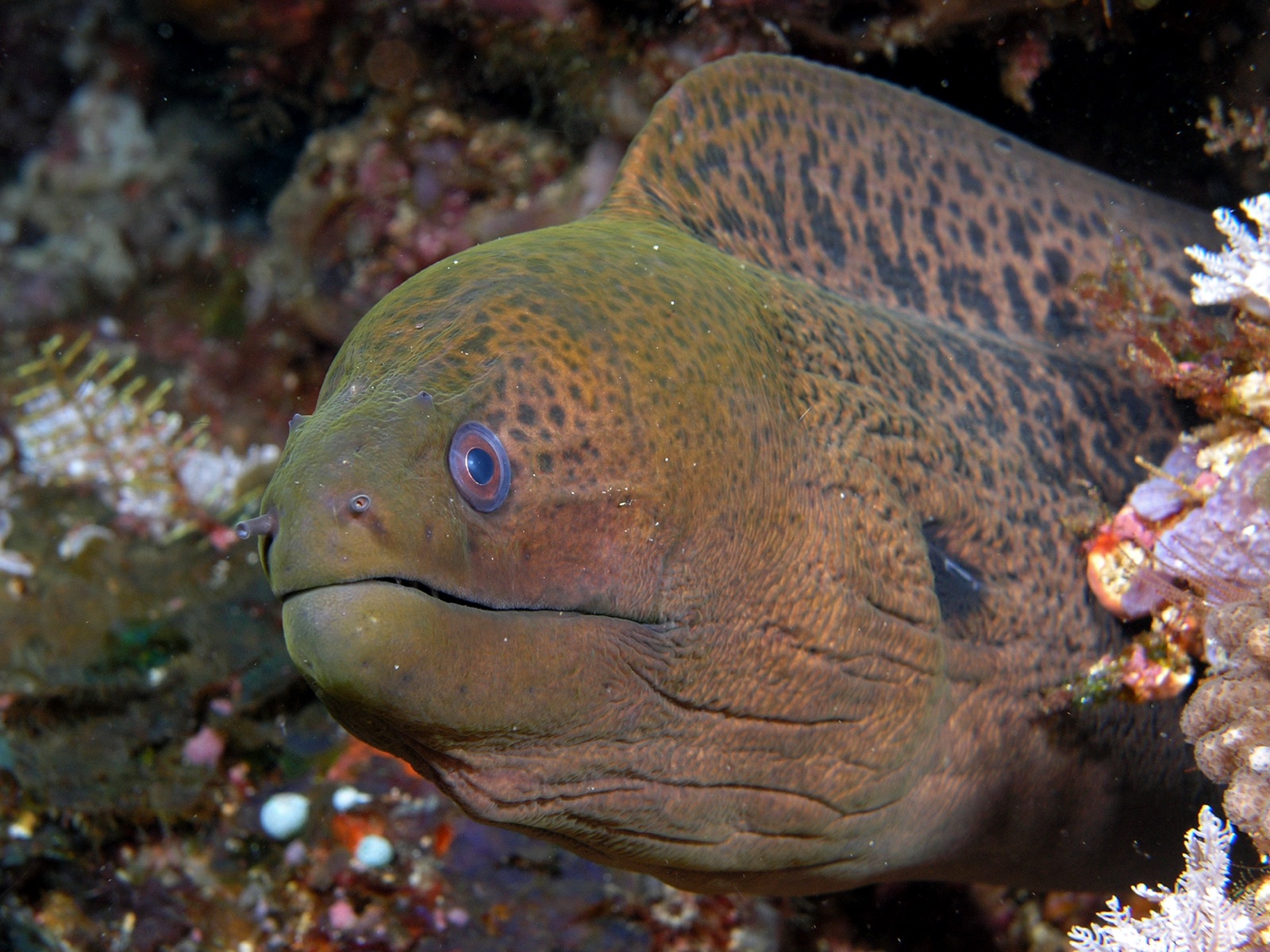
Giant Moray Eel
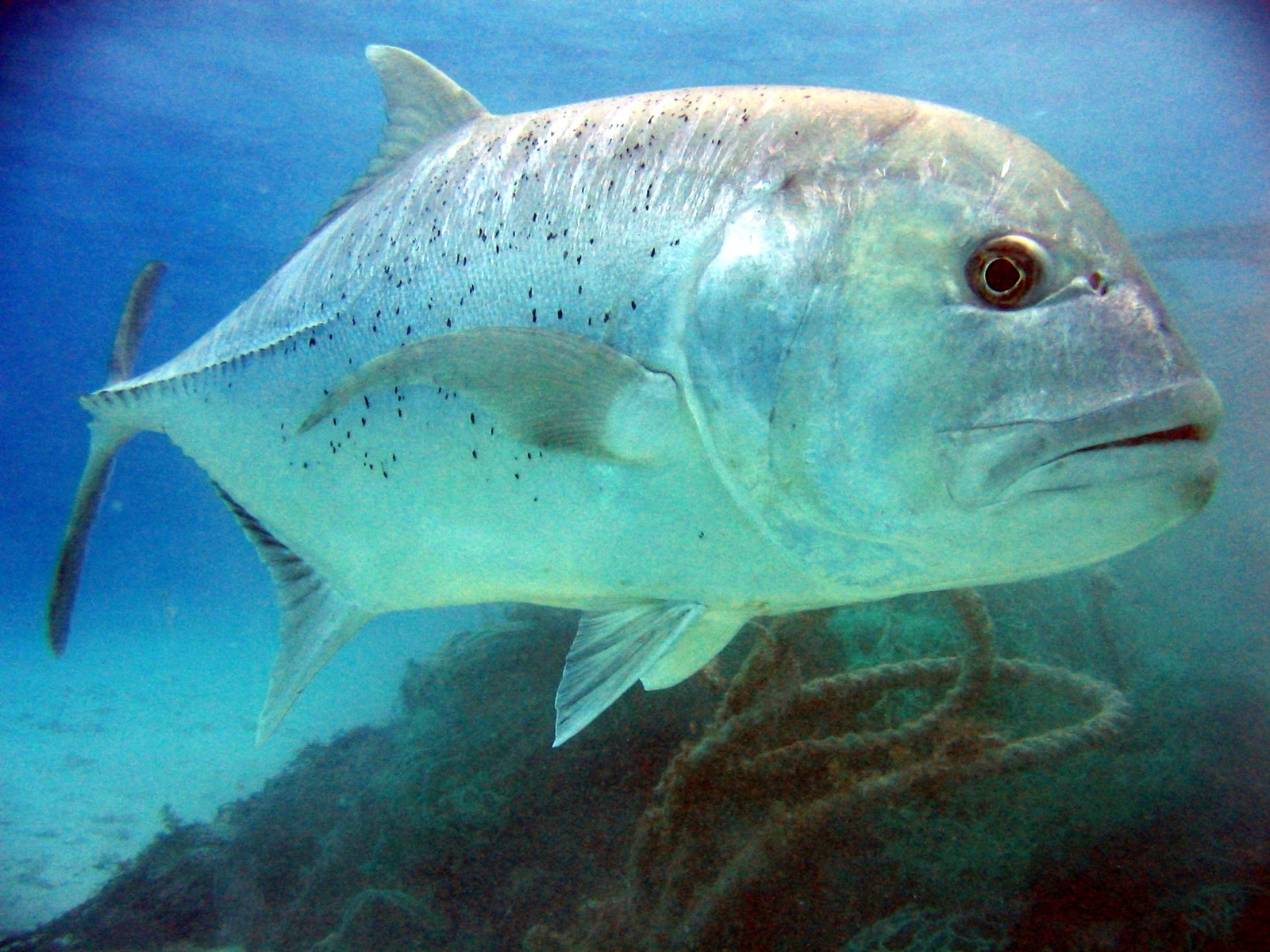
Giant Trevally
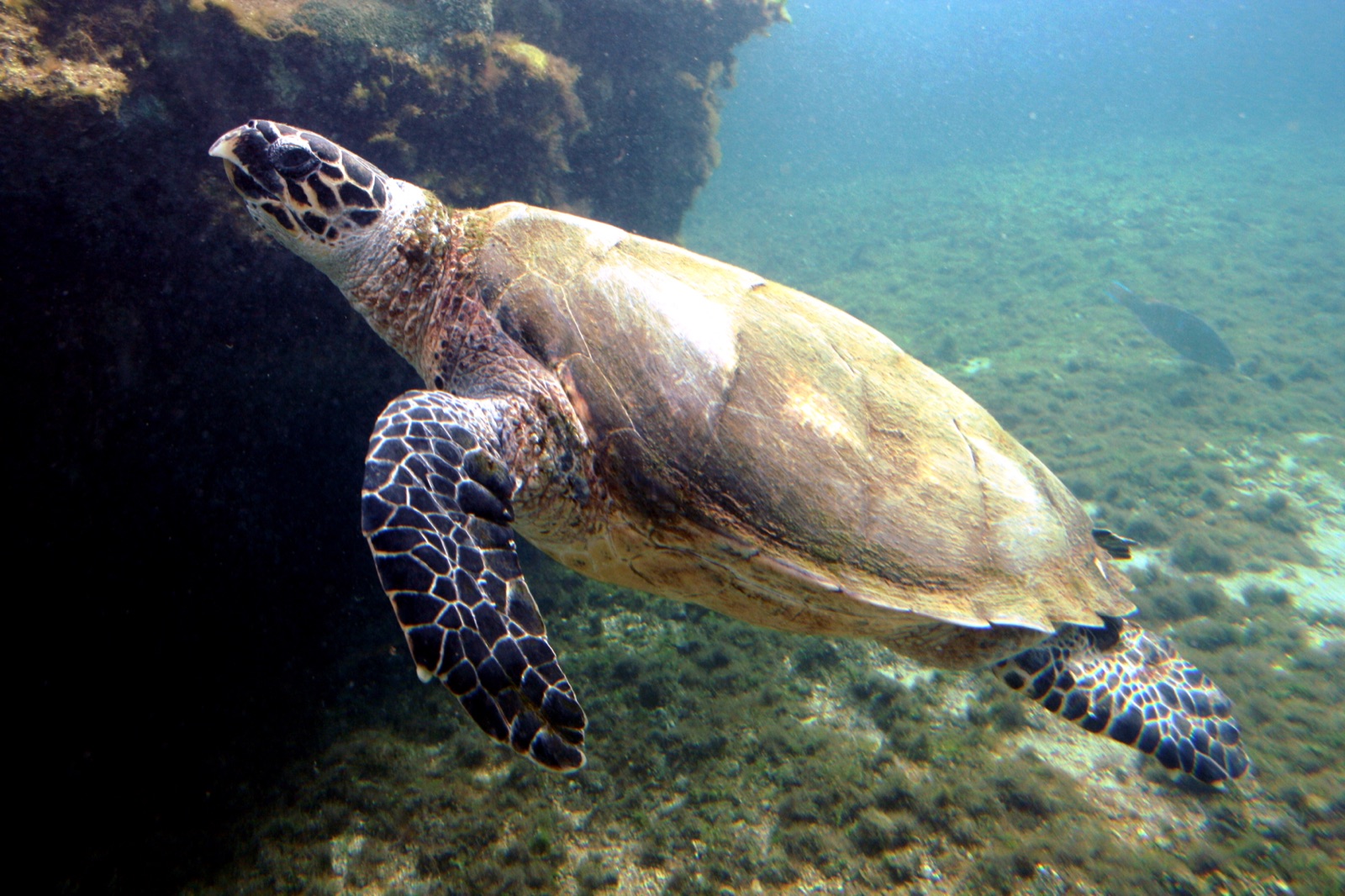
Hawksbill Turtle
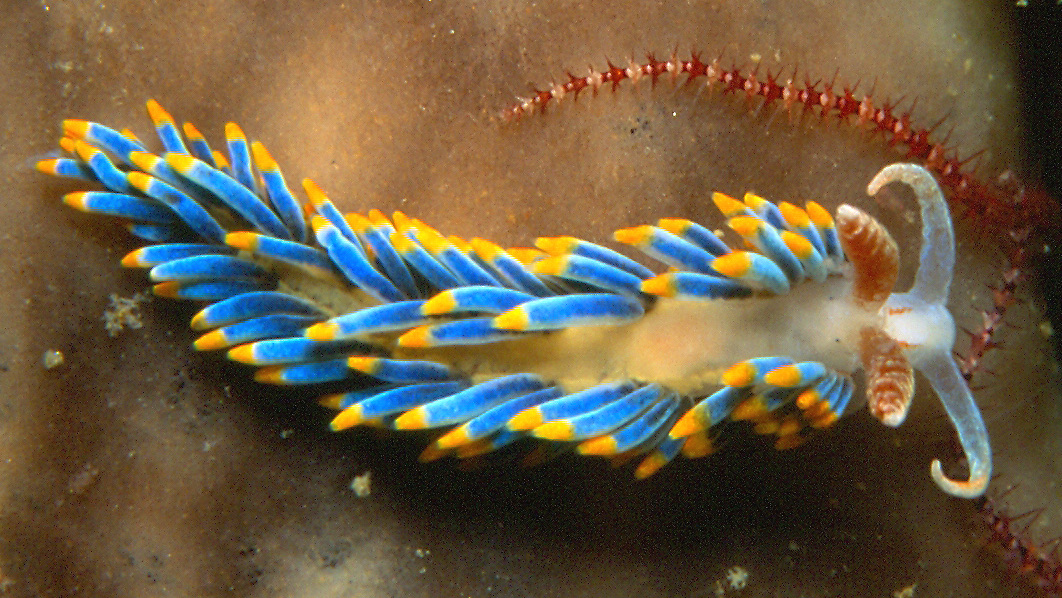
Nudibranchs
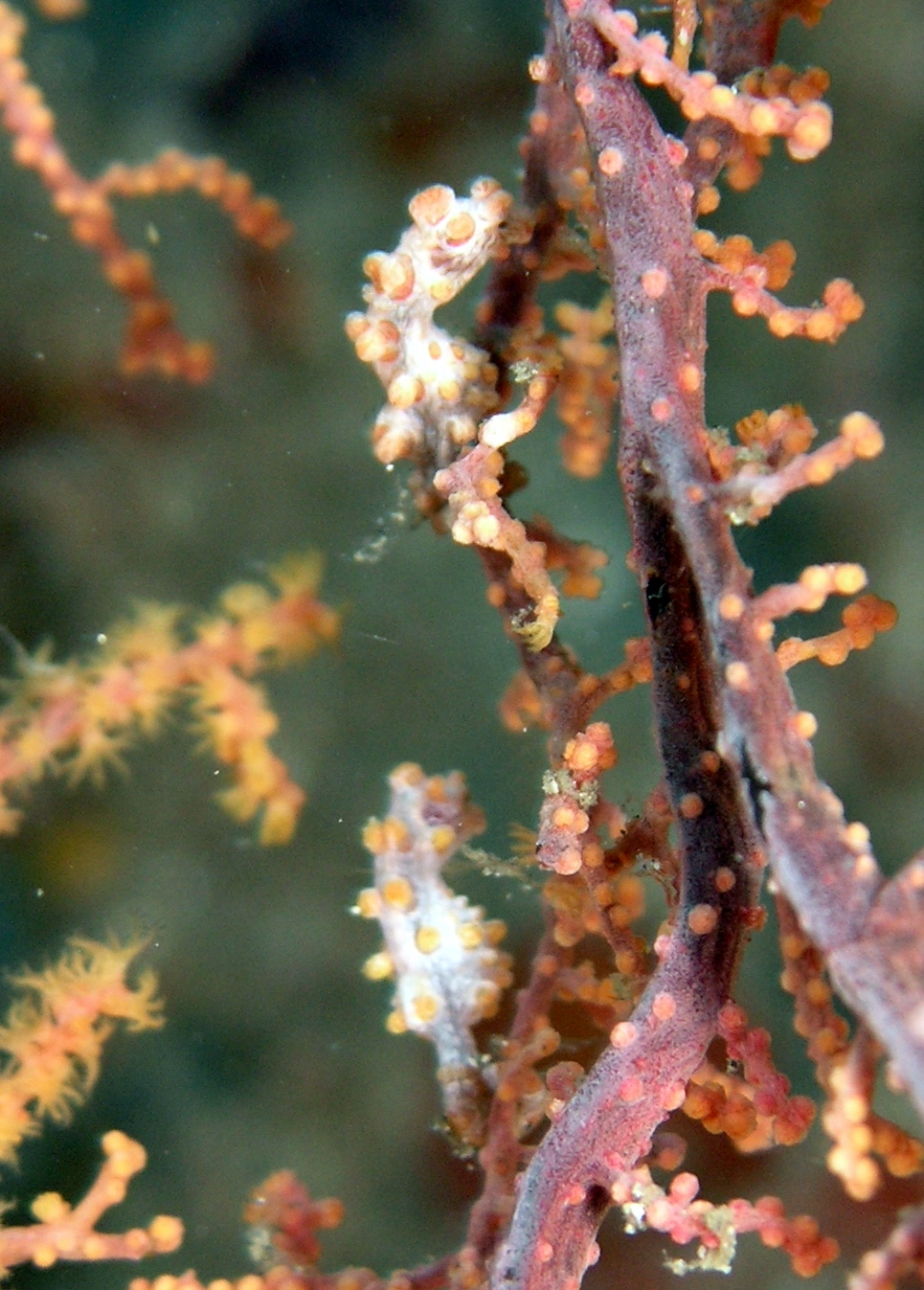
Pygmy Seahorse
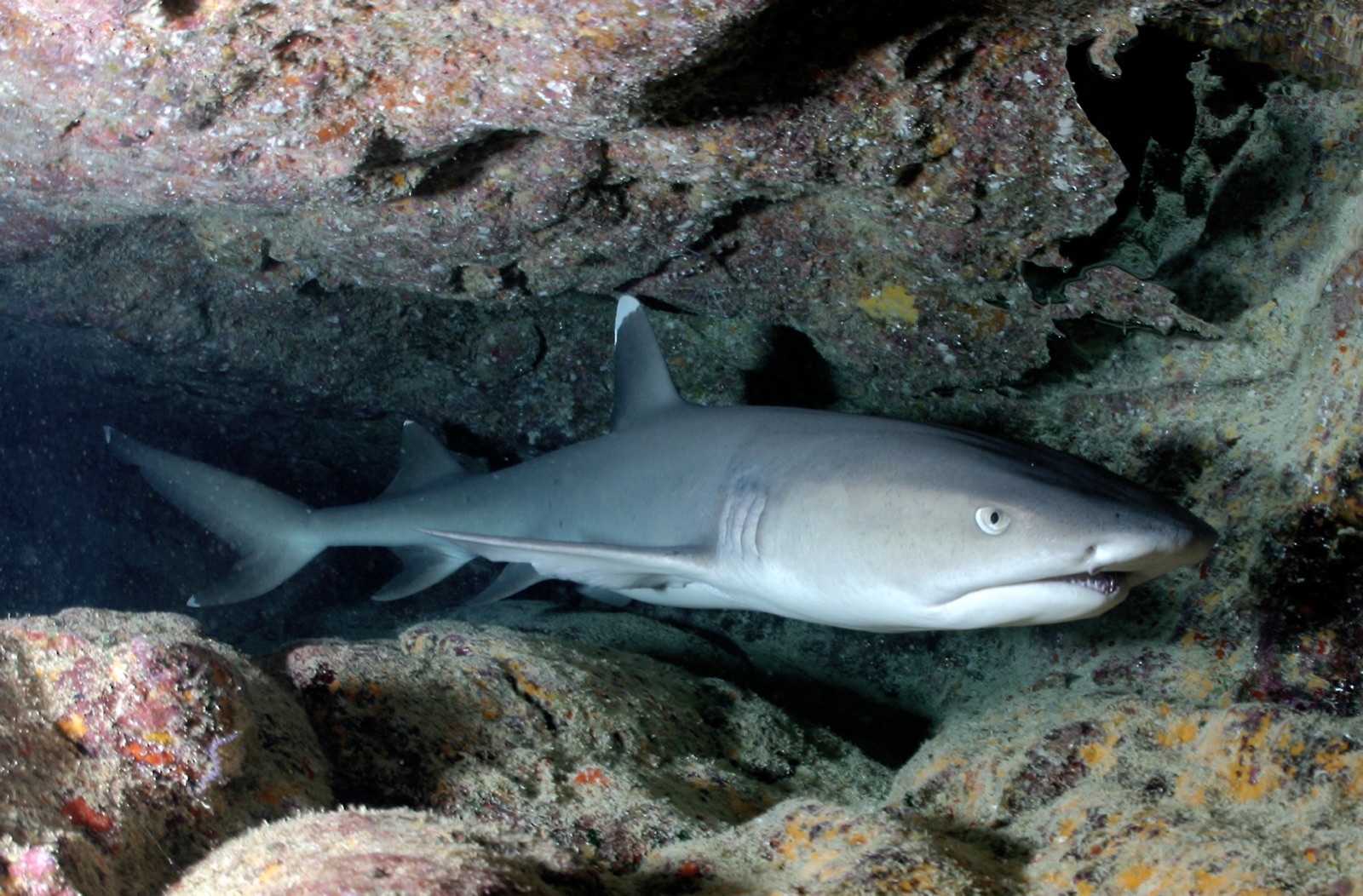
Whitetip Reef Shark
"Charted here" species were listed by our editors from the sources on this page. Counts are GBIF occurrence records: observations logged within about 5 km of the charted position since 1990, matched only against the species in our catalogue. They show what has been seen there, not a promise of what you will see.