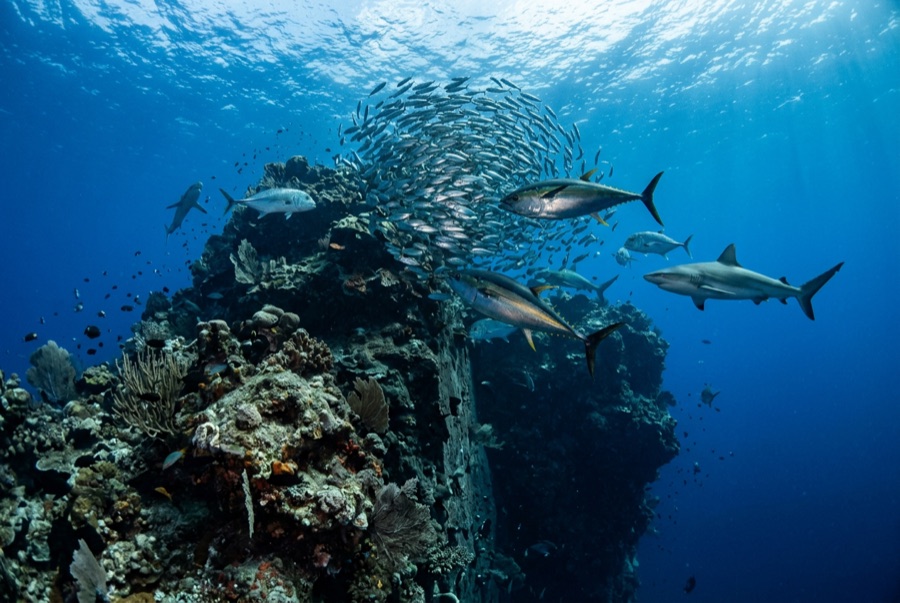
Cannibal Rock
La profondeur correspond à la plage allant du sommet du site jusqu'à son maximum habituel ; le « niveau recommandé » est le niveau demandé en général par les opérateurs auprès des grandes agences, pas une règle légale. Les courants et la visibilité varient chaque jour, traitez donc tout cela comme des plages indicatives de planification.
Cannibal Rock, named after a dragon seen eating one of its own on the shore nearby, is the flagship of cold, green, gloriously overgrown south Komodo. Upwelled nutrient water keeps visibility modest and the biology deliriously dense: crimson sea apples, feather stars on every ledge, black corals, tubastrea in bloom, and soft corals stacked like produce. The macro register runs from pygmy seahorses and ladybug amphipods to frogfish, nudibranchs by the dozen, and zebra crabs riding fire urchins. Turtles and schooling snapper cover the wide shots. Water temperature can startle divers fresh from the north, and that chill is precisely why the rock looks the way it does. Many guides call it their favorite dive in the park.
Le moment pour lequel vous venez: Sea apples and carpet invertebrate cover; dense macro; the signature dive of Horseshoe Bay.
Topographie: A small seamount inside Horseshoe Bay, every surface colonized by invertebrates over volcanic rock.
Courant: Sheltered inside Horseshoe Bay compared with the south coast outside, but flow still wraps the seamount on the tide.
À savoir avant de plonger
Dangers: Cold thermoclines, venomous invertebrates in quantity, and remoteness; the nearest facilities are a long sail away.
Conservation: Fire urchins and stinging hydroids blanket parts of the rock; perfect buoyancy protects both parties.
Nitrox: Pertinent ici : les profils se situent dans la plage où le nitrox prolonge significativement le temps sans palier (avec la formation pour l'utiliser).
Qui vous croiserez
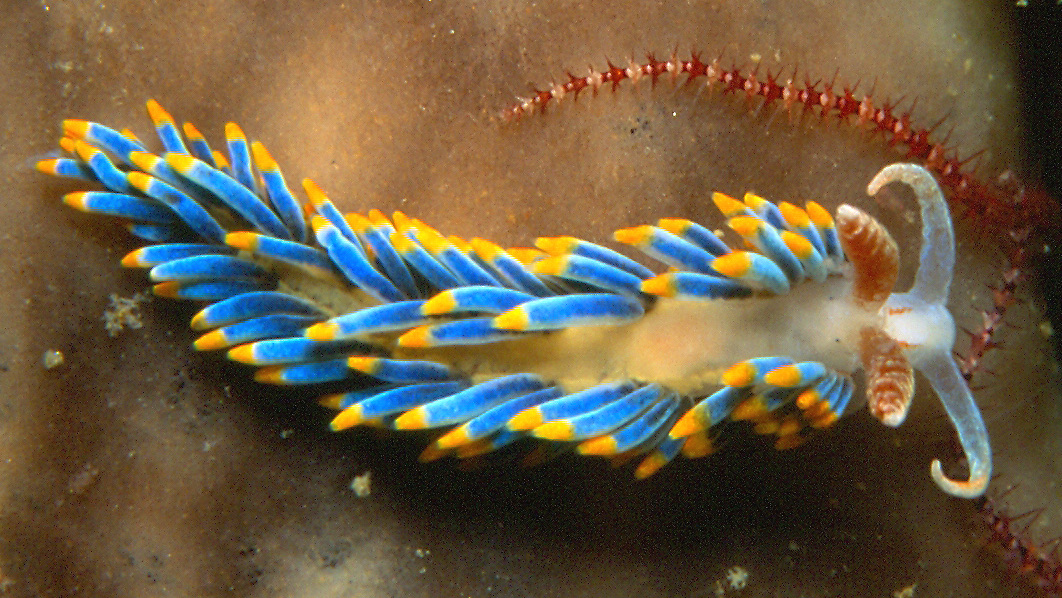
Nudibranchs
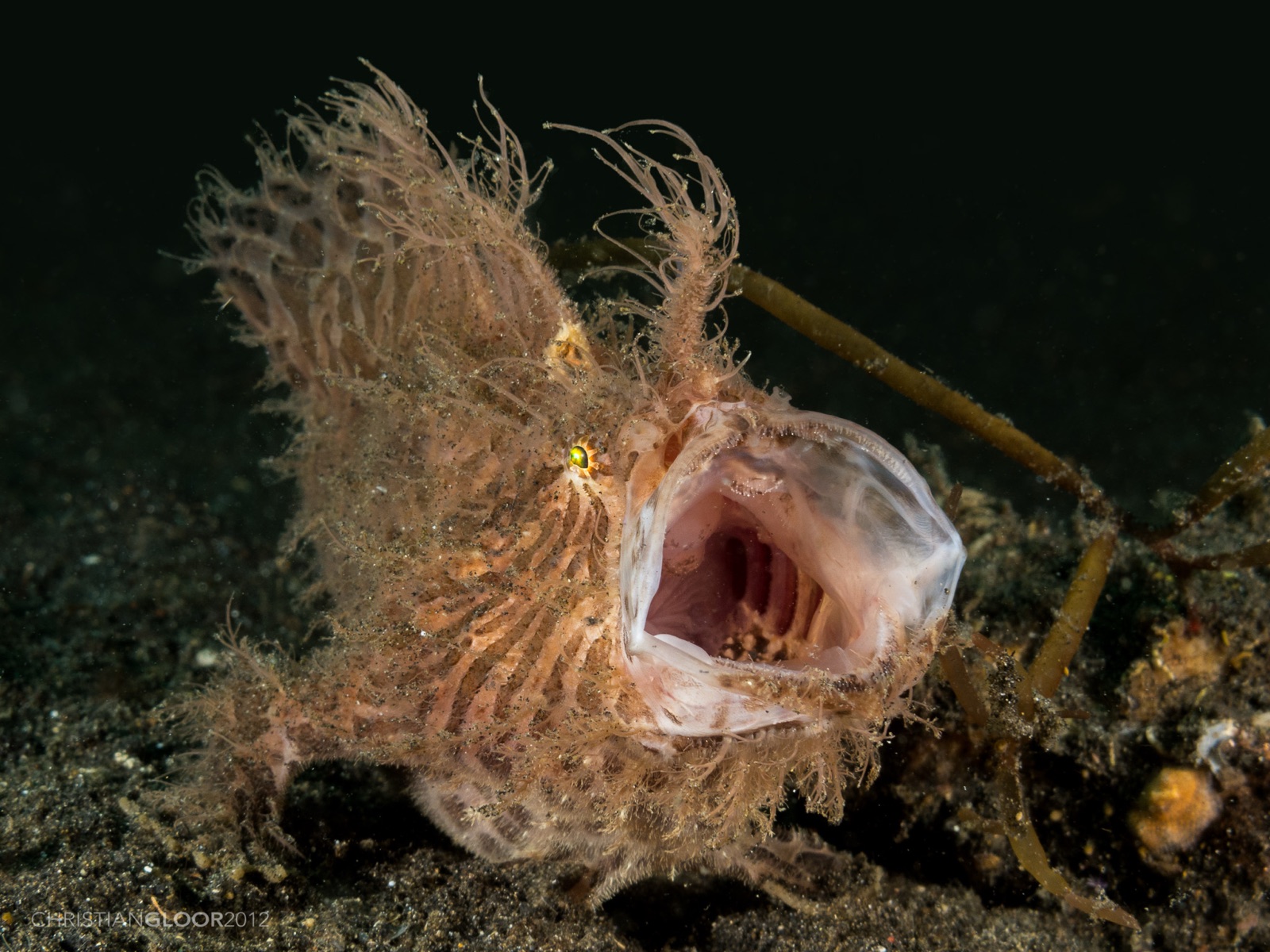
Frogfish
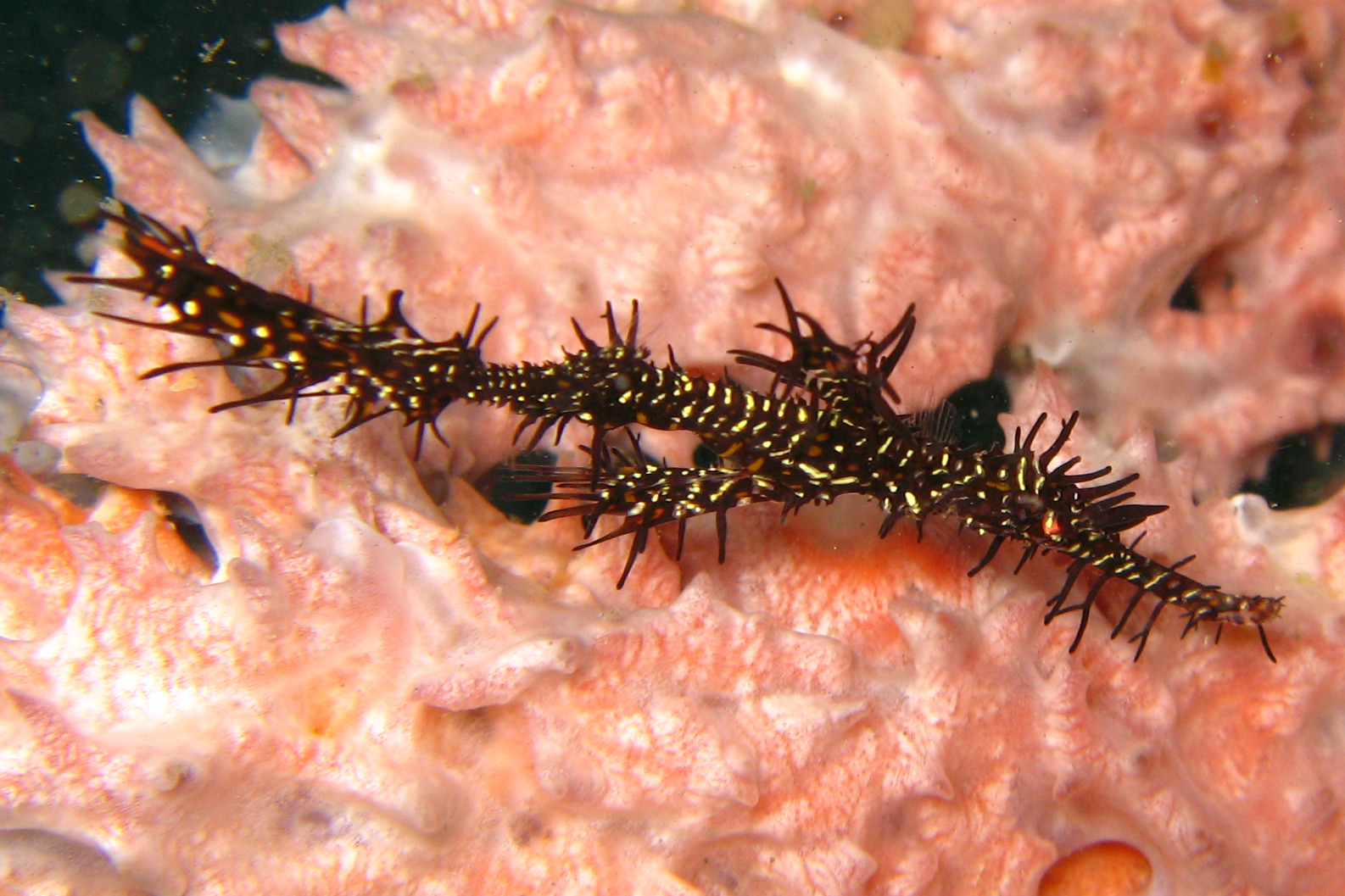
Ornate Ghost Pipefish
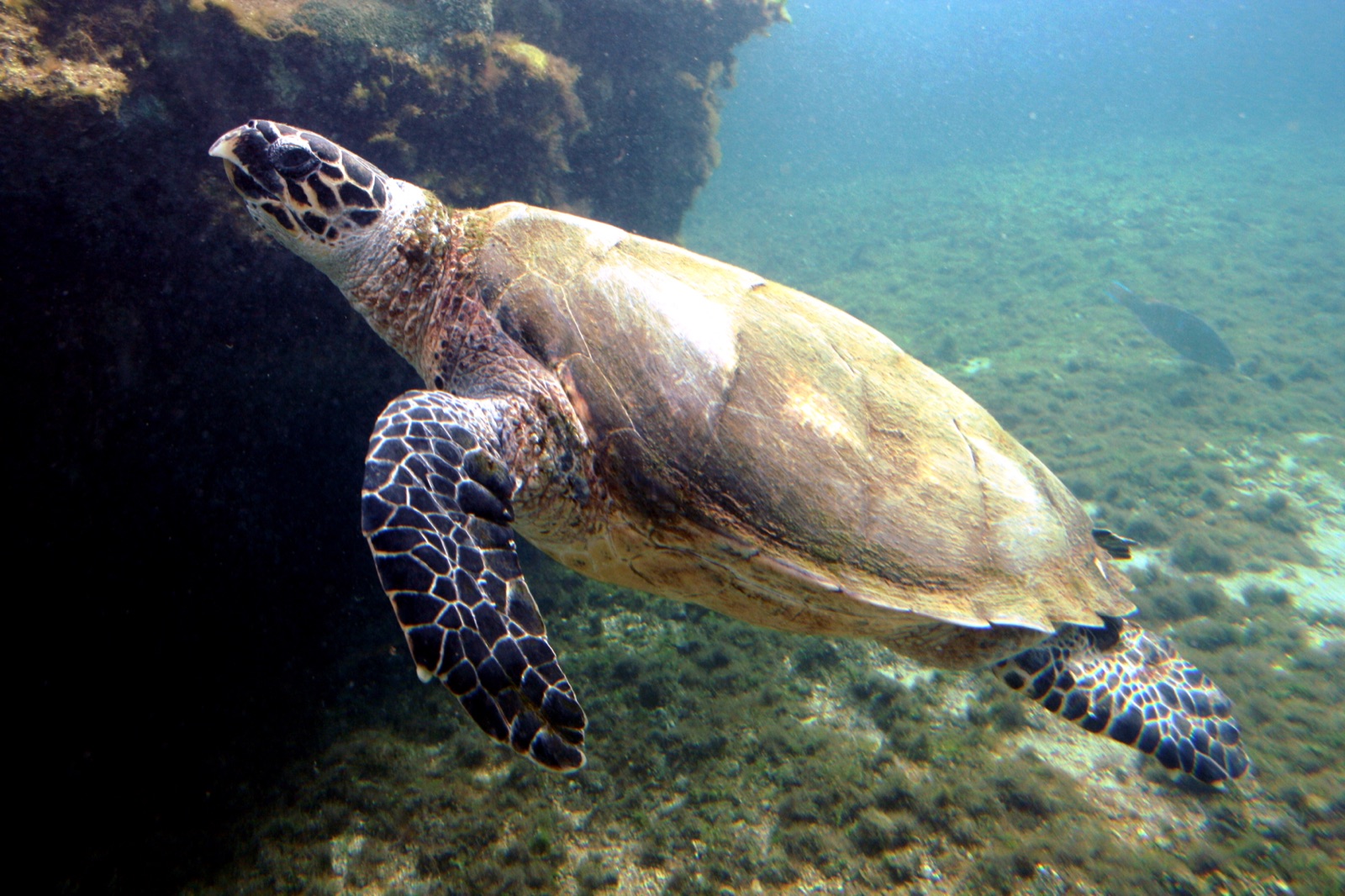
Hawksbill Turtle
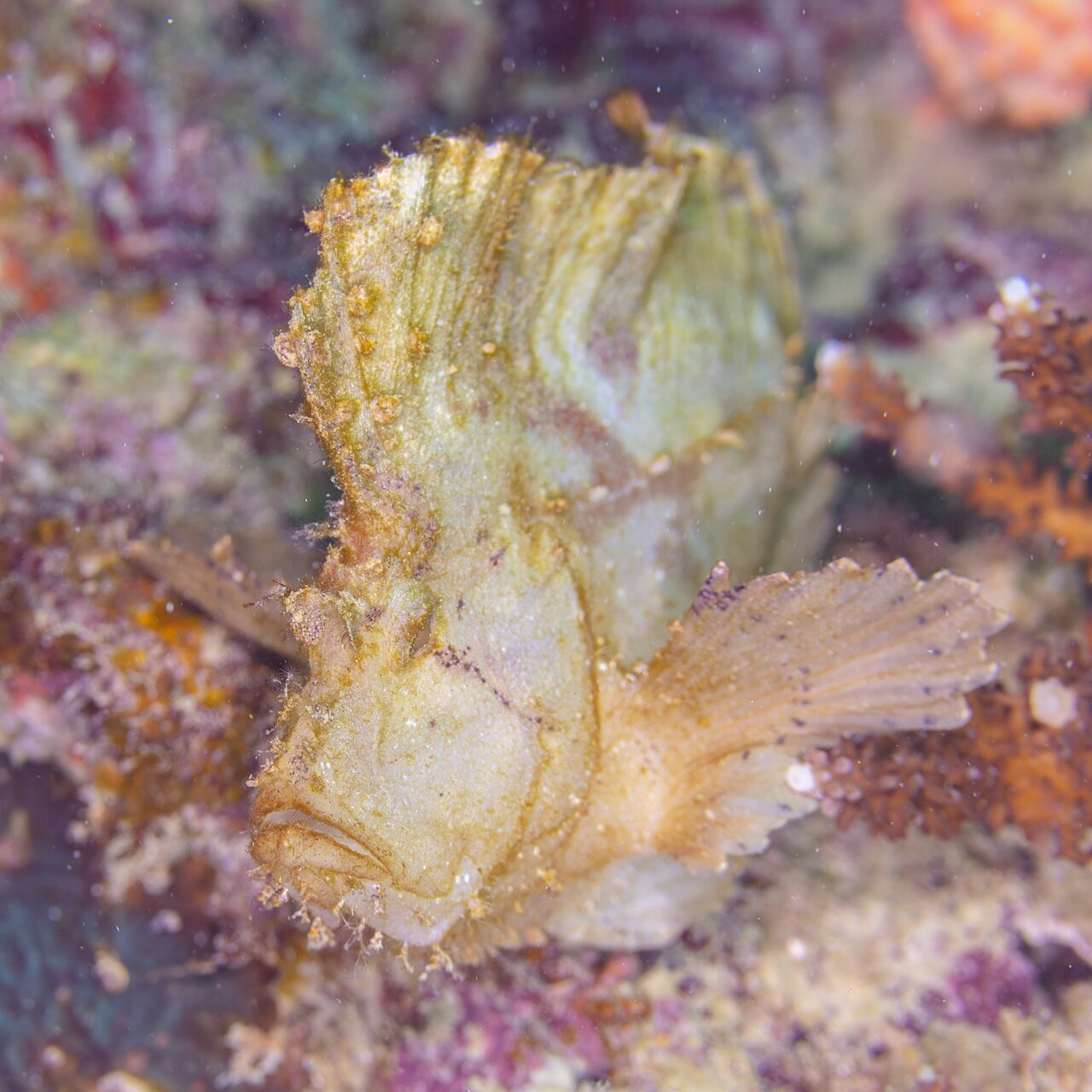
Leaf Scorpionfish
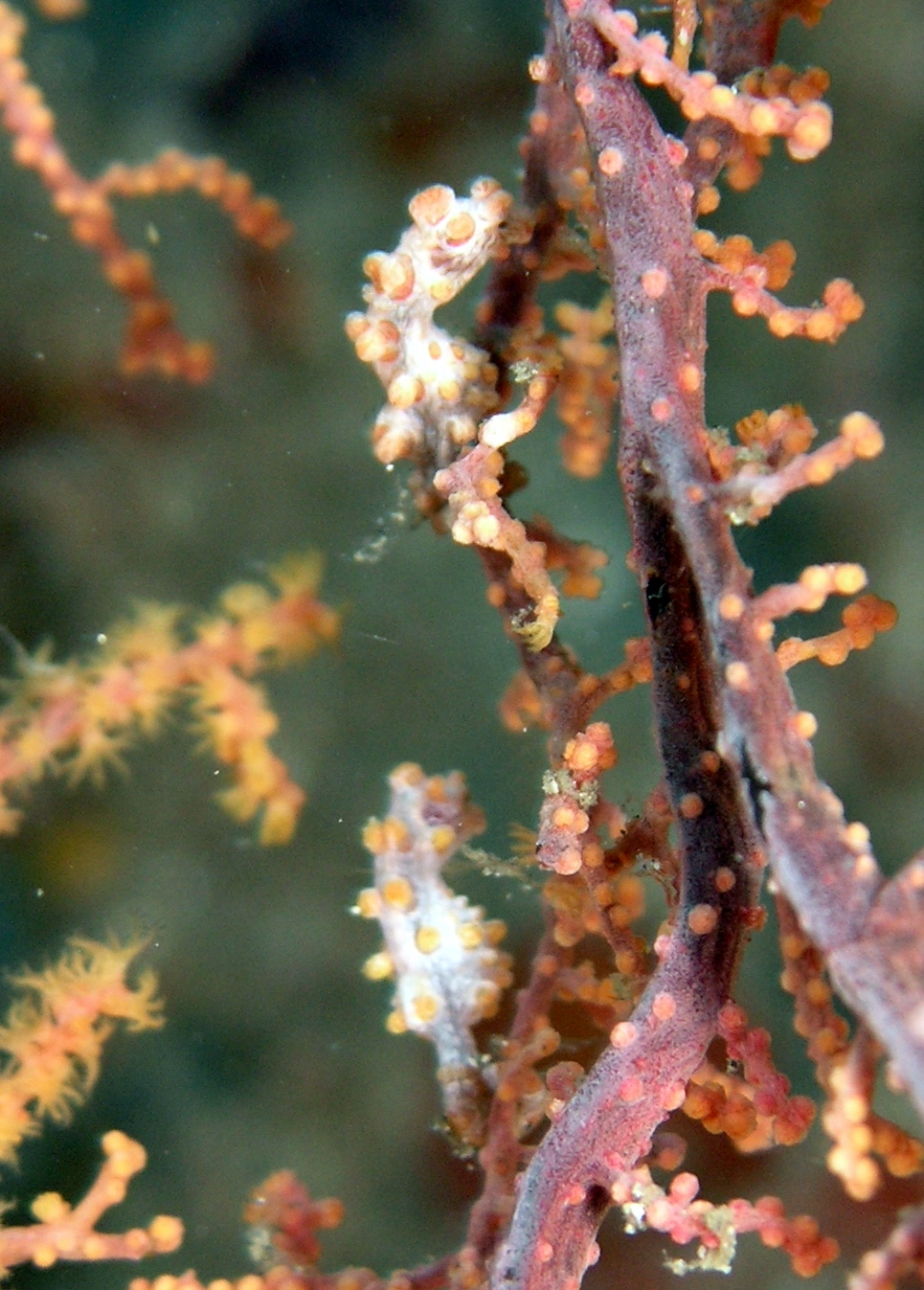
Pygmy Seahorse
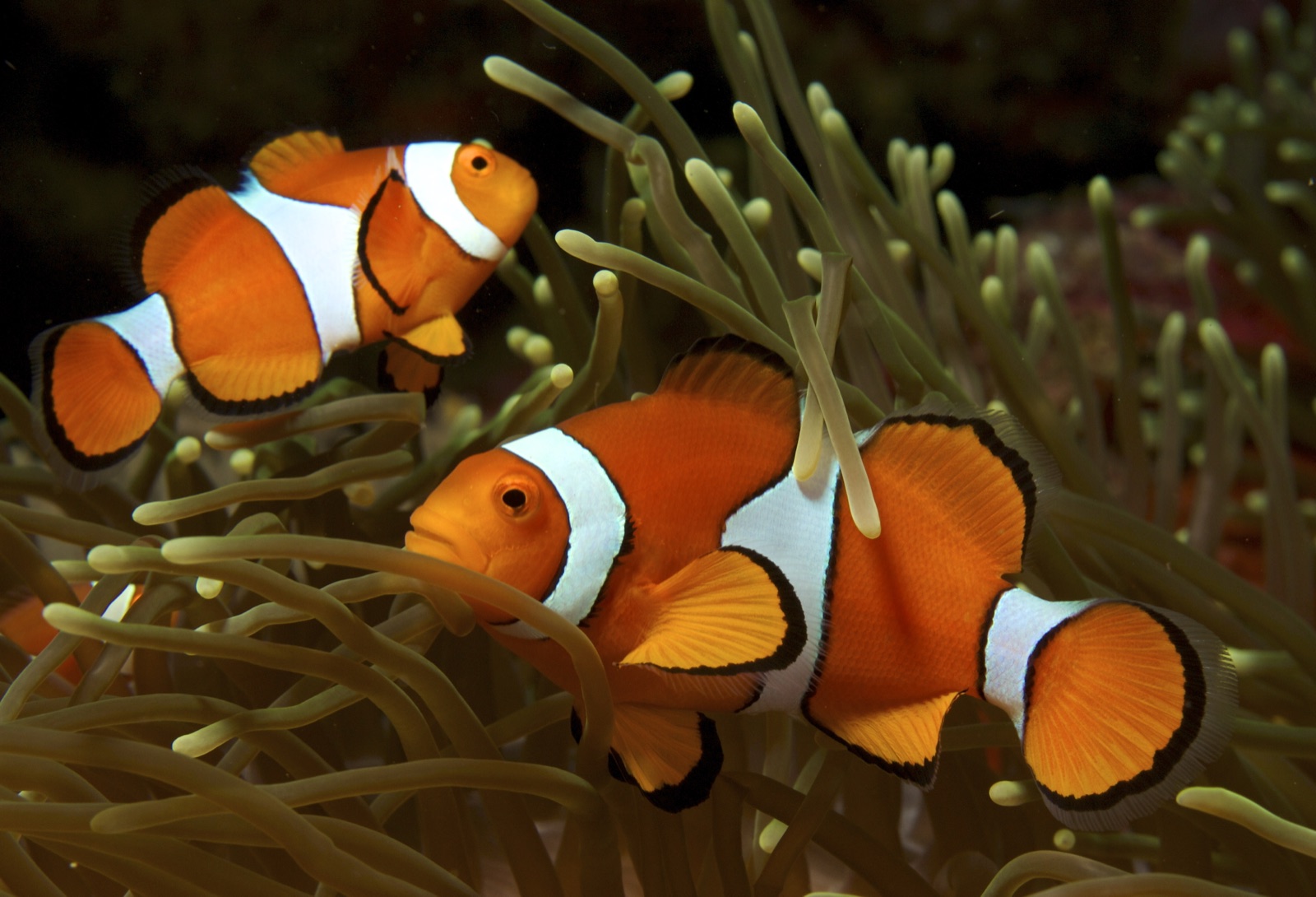
Clownfish & Anemonefish
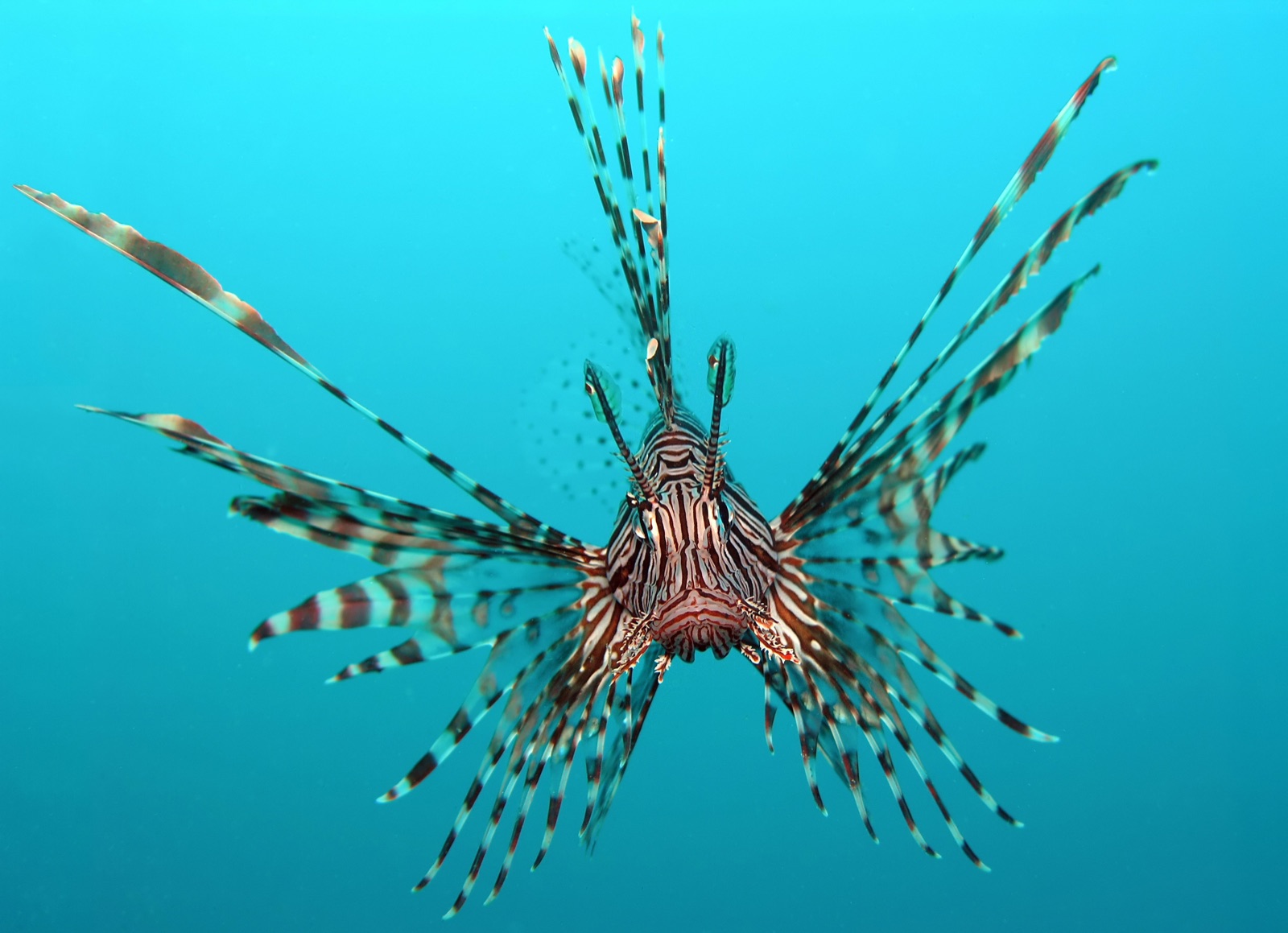
Lionfish
Également observé à proximité
Les espèces « cartographiées ici » ont été répertoriées par nos éditeurs à partir des sources indiquées sur cette page. Les comptages correspondent aux occurrences GBIF : observations enregistrées dans un rayon d'environ 5 km autour de la position cartographiée depuis 1990, comparées uniquement aux espèces de notre catalogue. Ils indiquent ce qui a été observé à cet endroit, sans garantir ce que vous y verrez.
Pour les photographes
Grand angle: ★★★★☆ · Macro: ★★★★★ (note 1–5 des éditeurs sur ce que ce site offre à chaque style de prise de vue)