Boulari Pass
Depth साइट की ऊपरी सीमा से उसके सामान्य maximum तक की range है; "recommended cert" वह mainstream-agency level है जो operators आमतौर पर माँगते हैं, कोई कानूनी नियम नहीं। Currents और visibility रोज़ बदलती है, इसलिए सब कुछ planning ranges मानें।
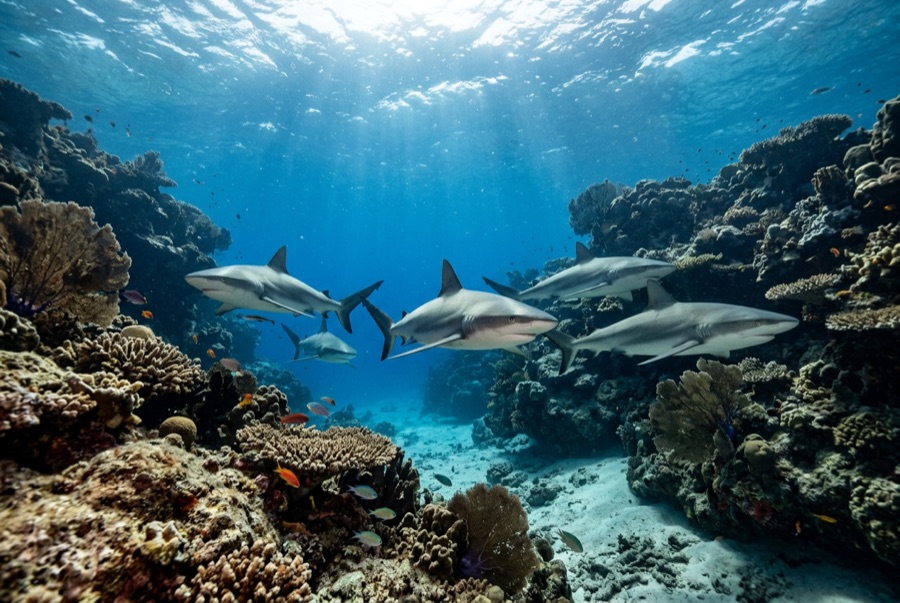
Boulari Pass breaks the barrier reef south of Nouméa directly opposite the Amédée Lighthouse, and the run out from the capital takes around three quarters of an hour. Divers let the tide carry them through, because the moving water is what concentrates the fish. Manta rays are the reason most people come, and the territory's tourism board reports them here in every month of the year. Sharks, big groupers and trevally are regular company, while dolphins and dugongs turn up now and then. Dives average about 18 m and the usual profile tops out near 26 m; the outer reef keeps going deeper, though guides advise against following it. The pass is part of a marine reserve and fish feeding has been banned since 2012.
वह पल जिसके लिए आप आते हैं: Manta rays reported year-round; tidal drift through a reserve pass; sharks, groupers and trevally
टोपोग्राफी: Barrier-reef pass with coral slopes, opening onto the outer reef
प्रवेश: Dived as a tidal drift through the pass that faces the Amédée Lighthouse, roughly 40 to 50 minutes by boat from Nouméa.
पानी में उतरने से पहले जान लें
खतरे: Tidal currents through the pass; the outer reef drops past the recommended 26 m; open water at the reef edge.
संरक्षण: Inside a marine reserve; feeding fish in the pass has not been allowed since 2012.
आप किनसे मिलेंगे
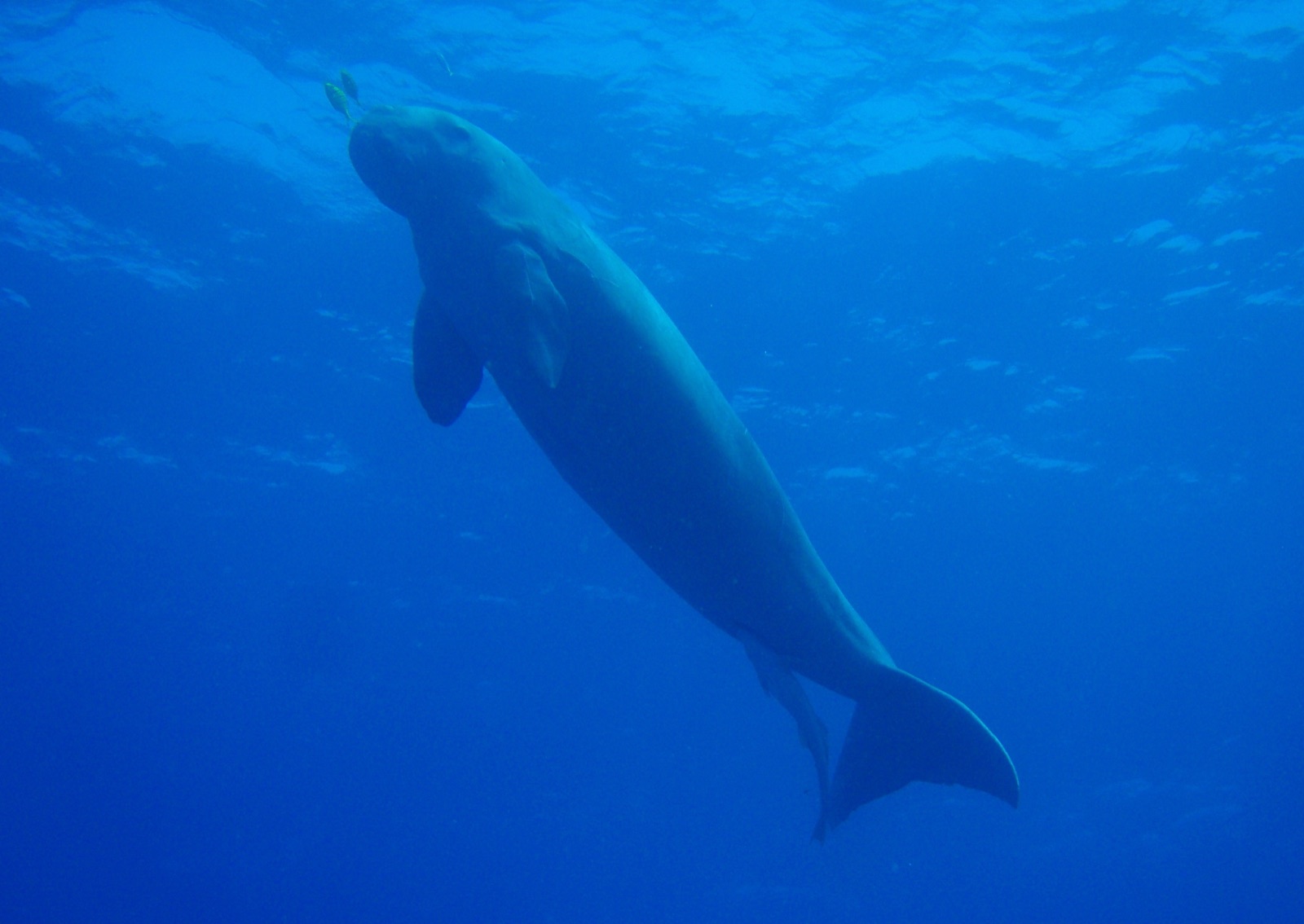
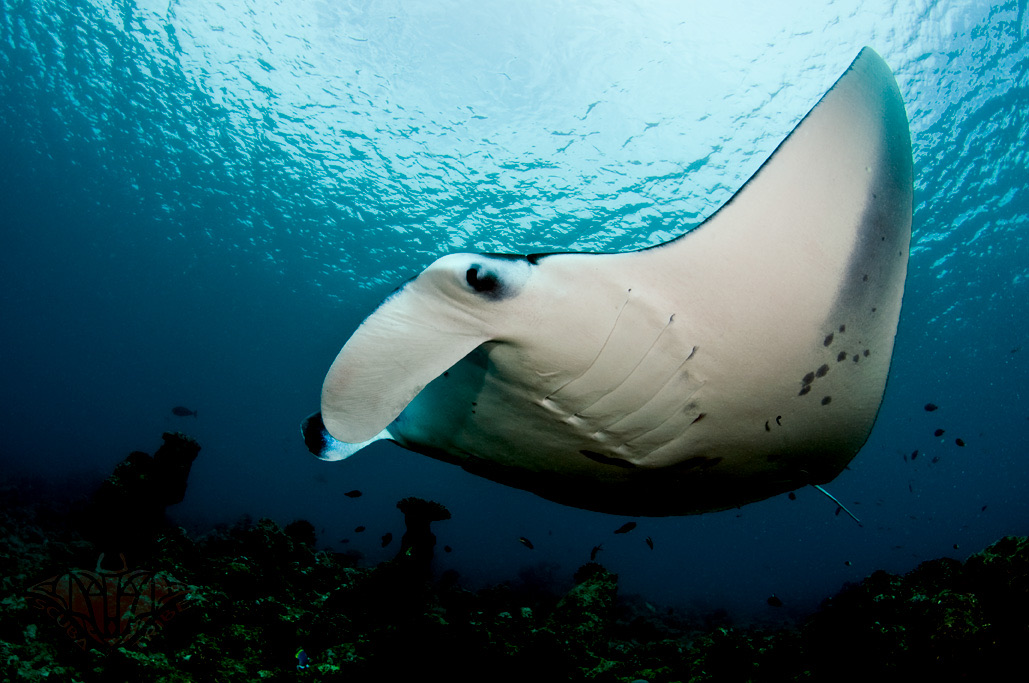
"यहाँ चार्ट की गई" प्रजातियाँ हमारे संपादकों ने इस पृष्ठ के स्रोतों से सूचीबद्ध की हैं। गिनती GBIF occurrence रिकॉर्ड हैं: 1990 के बाद से चार्ट की गई स्थिति के लगभग 5 किमी के भीतर दर्ज अवलोकन, जो केवल हमारे कैटलॉग की प्रजातियों से मिलाए गए हैं। ये दिखाते हैं कि वहाँ क्या देखा गया है, यह वादा नहीं कि आप क्या देखेंगे।