Sund Rock
A profundidade é o intervalo entre o topo do local e o seu máximo habitual; "certificação recomendada" é o nível das agências convencionais que os operadores normalmente exigem, não uma regra legal. As correntes e a visibilidade mudam diariamente, por isso trata tudo isto como intervalos de planeamento.
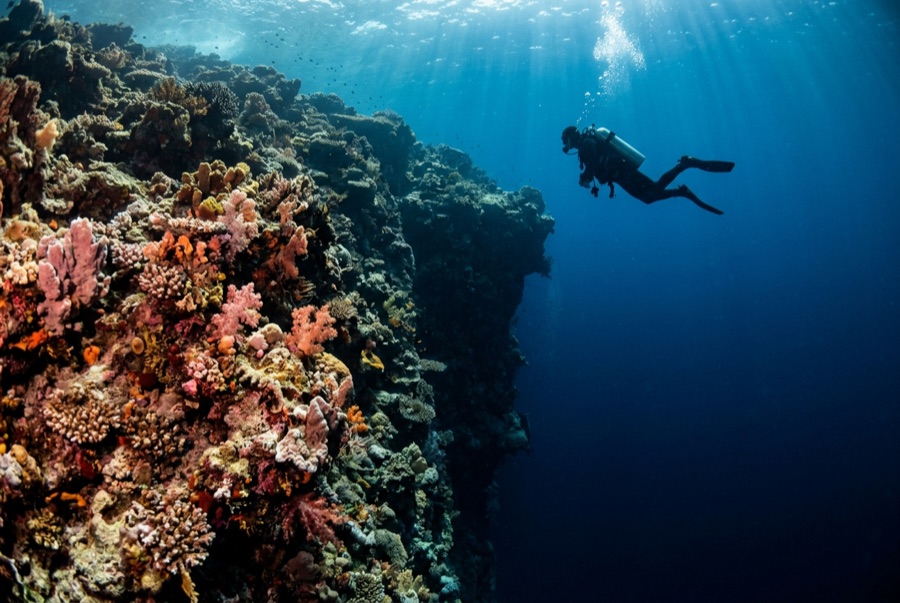
Sund Rock sits in a small cove of Hood Canal near Hoodsport, on private shoreline where entry is limited to divers who reserve ahead. From the shore entries divers can explore a north wall, a south wall or the shallow basin between them, all natural rock that ranges from about 6 m to 34 m. Plumose anemones in white and orange drape the walls, rockfish school off them, and wolf eels and giant Pacific octopus live in fairly shallow water. Lingcod guard egg masses under ledges in late winter, giant rainbow nudibranchs and dogfish are often seen, and sea whips grow below about 24 m. Heavy rain can leave a murky freshwater layer near the surface, with much clearer water below roughly 9 m.
O momento pelo qual você vem: North and south walls draped in plumose anemones; resident wolf eels and octopus; lingcod nests in late winter
Topografia: Natural rock walls to the north and south of a shallow basin
Corrente: Little current; best dived at high tide.
Entrada: Private shoreline entered by reservation with a diver fee; north and south shore entries from the parking area (the south one has narrow stairs), with a rinse station and warm shower.
Sabe antes de entrar na água
Perigos: The walls drop past 30 m, so watch depth. After heavy rain a murky freshwater layer can cut visibility to under 1 m in the top 9 m. The south entry stairs are narrow.
Licenças & regras: Entry is limited and reservation based, with a diver fee paid for parking and the dive.
Conservação: Inside the Sund Rock Conservation Area, closed to all fishing and harvest.
Quem vai encontrar
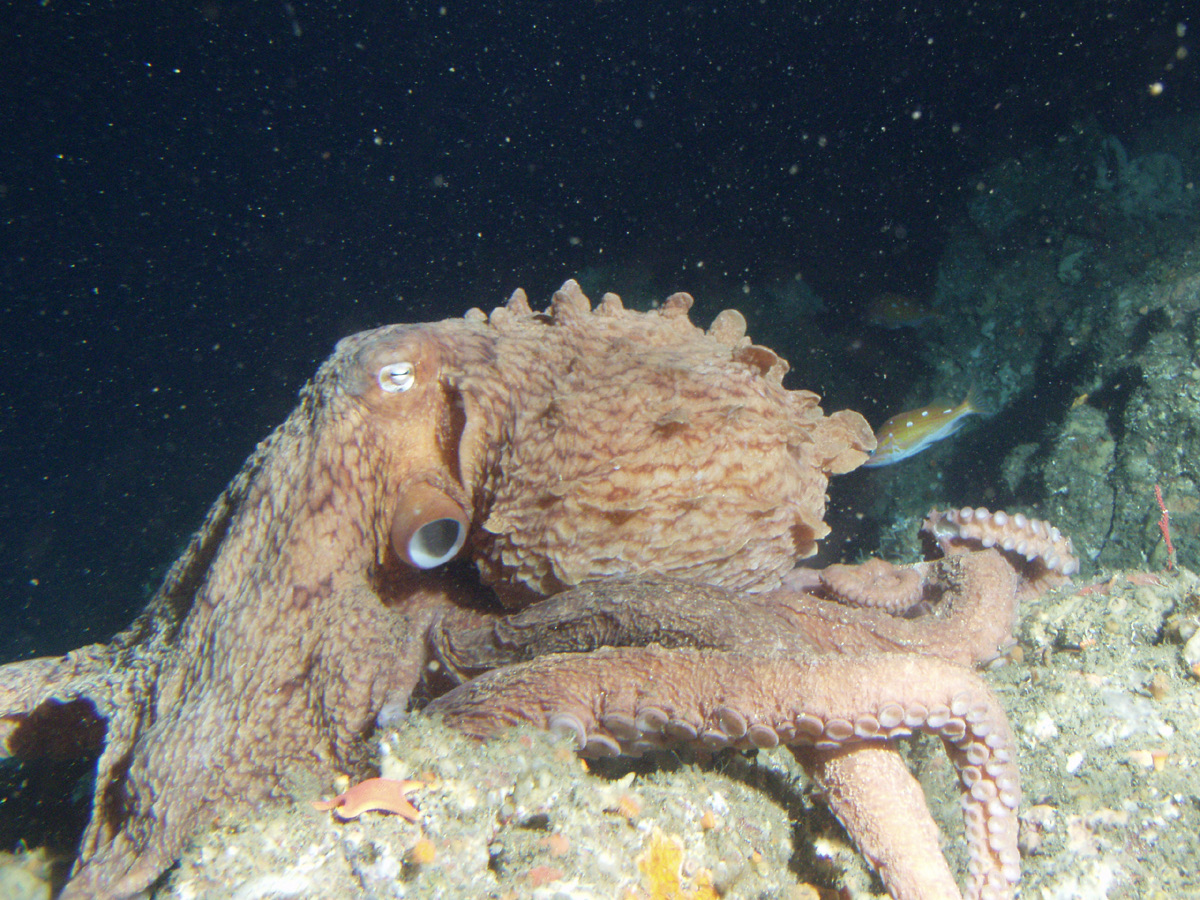
Polvo-gigante-do-pacífico
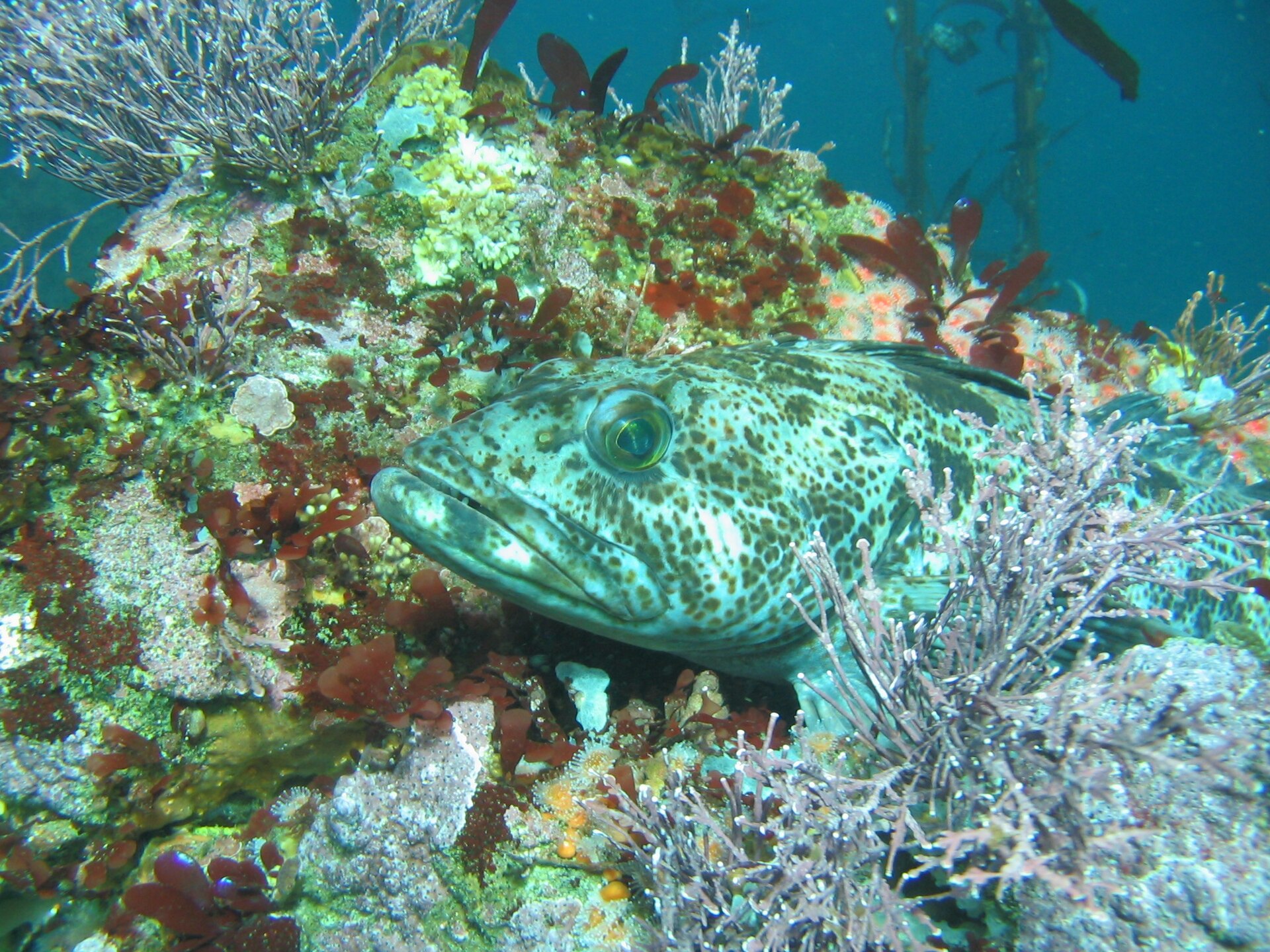
Lingcod
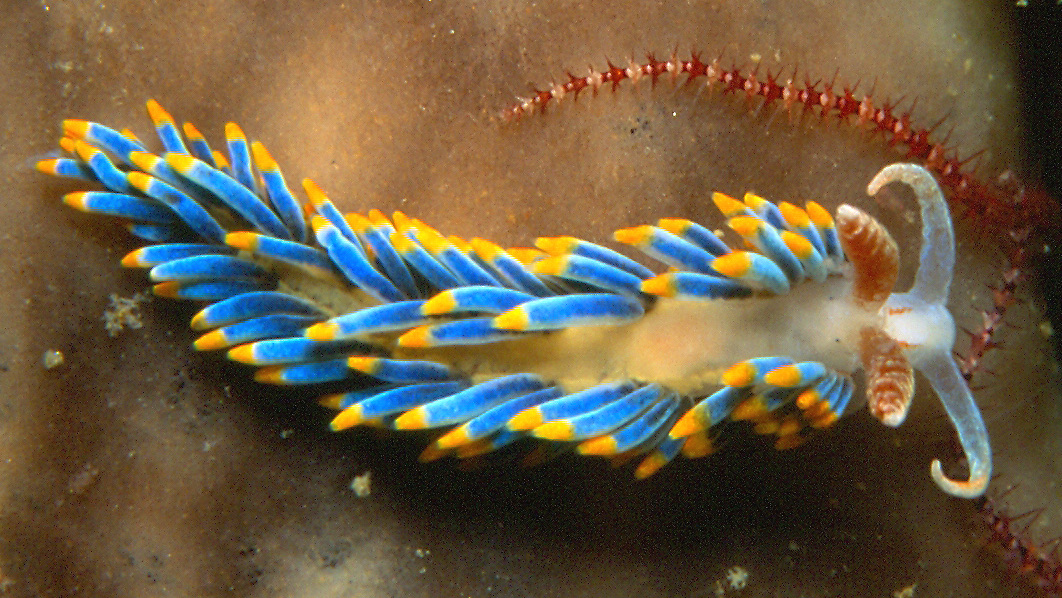
Nudibrânquios
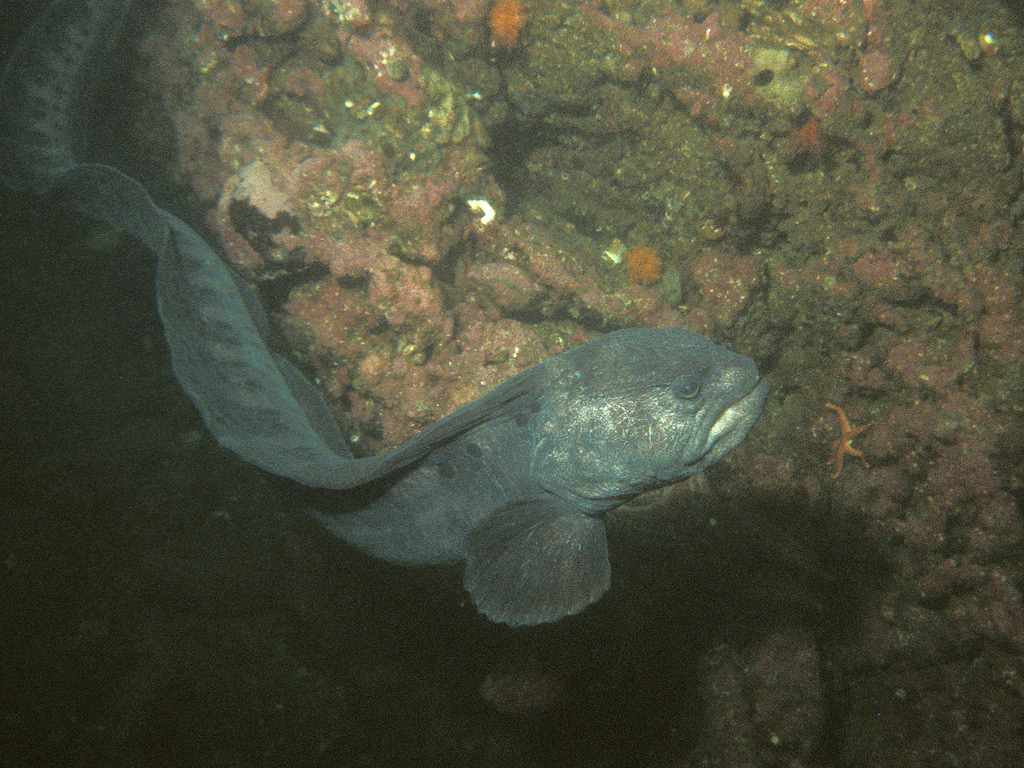
Wolf Eel
As espécies "registadas aqui" foram listadas pelos nossos editores a partir das fontes desta página. As contagens são registos de ocorrência do GBIF: observações registadas num raio de cerca de 5 km da posição indicada desde 1990, cruzadas apenas com as espécies do nosso catálogo. Mostram o que foi avistado no local, não uma garantia do que irá encontrar.