Cave diving · Europe
Cave diving in Italy
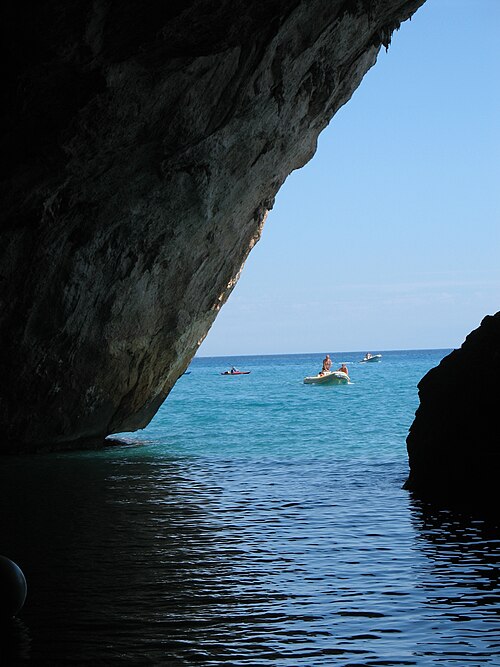
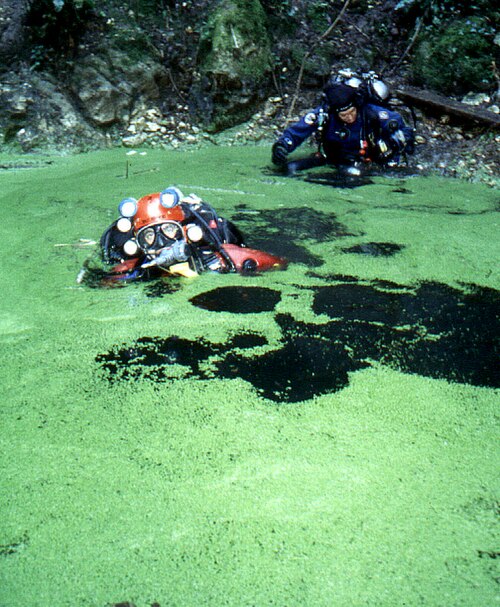
Italy's cave-diving sites range from sea-entered karst caves on Sardinia's Gulf of Orosei, where fresh underground rivers meet the sea, to deep inland karst features such as the Pozzo del Merro near Rome, one of the deepest water-filled sinkholes known. Several sites are better known as research or show caves than as recreational dives.
How access works
Access depends on the site's landholder or manager. The Pozzo del Merro lies on fenced land inside a regional nature reserve and requires permission from the water utility that manages it. On Sardinia, sea caves near Cala Gonone are dived by boat with local dive centres, while the dry show-cave sections are run as paid tourist visits; no published diving permit regime was found in the sources consulted.
A general summary; each site page gives its own dated access information.
2
Cave systems
4
Entrances and dive sites
| Site | Cave system | Type | Access | |
|---|---|---|---|---|
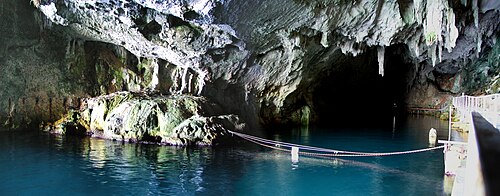 |
Bue Marino Cave (dive from the sea)Dorgali (Cala Gonone) | Grotte del Bue Marino | Sea cave | Access status not verified |
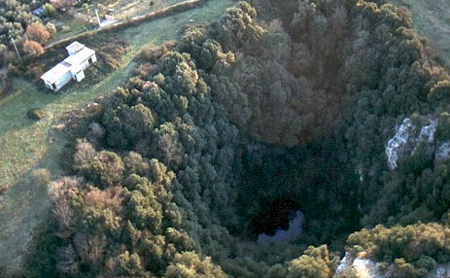 |
Pozzo del Merro (lake)Sant'Angelo Romano | Pozzo del Merro | Sinkhole | Restricted access |
| Grotta UtopiaGulf of Orosei (from Cala Gonone) | — | Sea cave | Access status not verified | |
| Grotta del Bel TorrenteGulf of Orosei (from Cala Gonone) | — | Sea cave | Access status not verified |
2
Dive centres and guides
| Provider | Where | Checked |
|---|---|---|
| Argonauta Diving Cala Gonone | Cala Gonone (Dorgali) | 2026-10-14 |
| ProTec Sardinia | Cala Gonone (Dorgali) | 2026-10-14 |
A listing is not an endorsement.
Every fact on this page, with its source (3)
| Fact | Status | Source |
|---|---|---|
| Access to the Pozzo del Merro requires permission from ACEA, which manages the fenced area. | Verified | [1] |
| The Bue Marino show cave is reached by boat and has paid entry. | Verified | [2] |
| A Cala Gonone dive centre runs cave dives at Bel Torrente and the Bue Marino. | Reported | [3] |
Verified: stated by an official or primary source we opened. Reported: from a secondary source only. Sources conflict: the note gives both versions. May be out of date: the newest source we found is old.
Written in our own words from the sources above. Report a correction