Puntos de buceo, temporadas y vida marina — investigados, cartografiados, planificados.
Menú
Destinos Puntos de buceo Vida marina Pecios Noticias
Planifica un viaje Planificador de viajes Cuándo bucear Calculadora de costes Comparativas Calendario de fauna marina Temperatura del agua Liveaboards Operadores y resorts Parques marinos Cámaras hiperbáricas Mapa mundial
Regiones Australia, Nueva Zelanda y Asia OrientalCaribe y Atlántico occidentalEuropa, Atlántico y MediterráneoOcéano Índico y África OrientalIslas del Pacífico y MicronesiaMar Rojo y Oriente MedioSudeste Asiático y el Triángulo del CoralLas Américas y el Pacífico Oriental Países
Aprender y herramientas Todas las guías Certificaciones Guías de equipo Vídeos Consulta los datos Agentes de IA API
Acerca de Quiénes somos Metodología Aviso legal Contacto
Tu vista
★ Guardado

Tus destinos, sitios y especies favoritos — guardados en este navegador.

API GATEWAY

Acceso JSON gratuito de solo lectura a los datos en caché del atlas.

Modo oscuro

🧭 Vista guiada
¿Nuevo en el buceo? ¿Profundidades, corrientes, niveles de certificación? Explicamos cada término mientras navegas, en un lenguaje claro. Los mismos datos, con la ayuda integrada.

⚡ Vista experta
Ya conoces la diferencia entre una pared y un drift dive. Solo los datos — claros, rápidos y concisos. Esta es la vista predeterminada.

Idioma de la interfaz

Comparativa

Bonaire vs Cozumel
Bonaire

Bonaire

Bonaire
Cozumel

Cozumel

Mexico
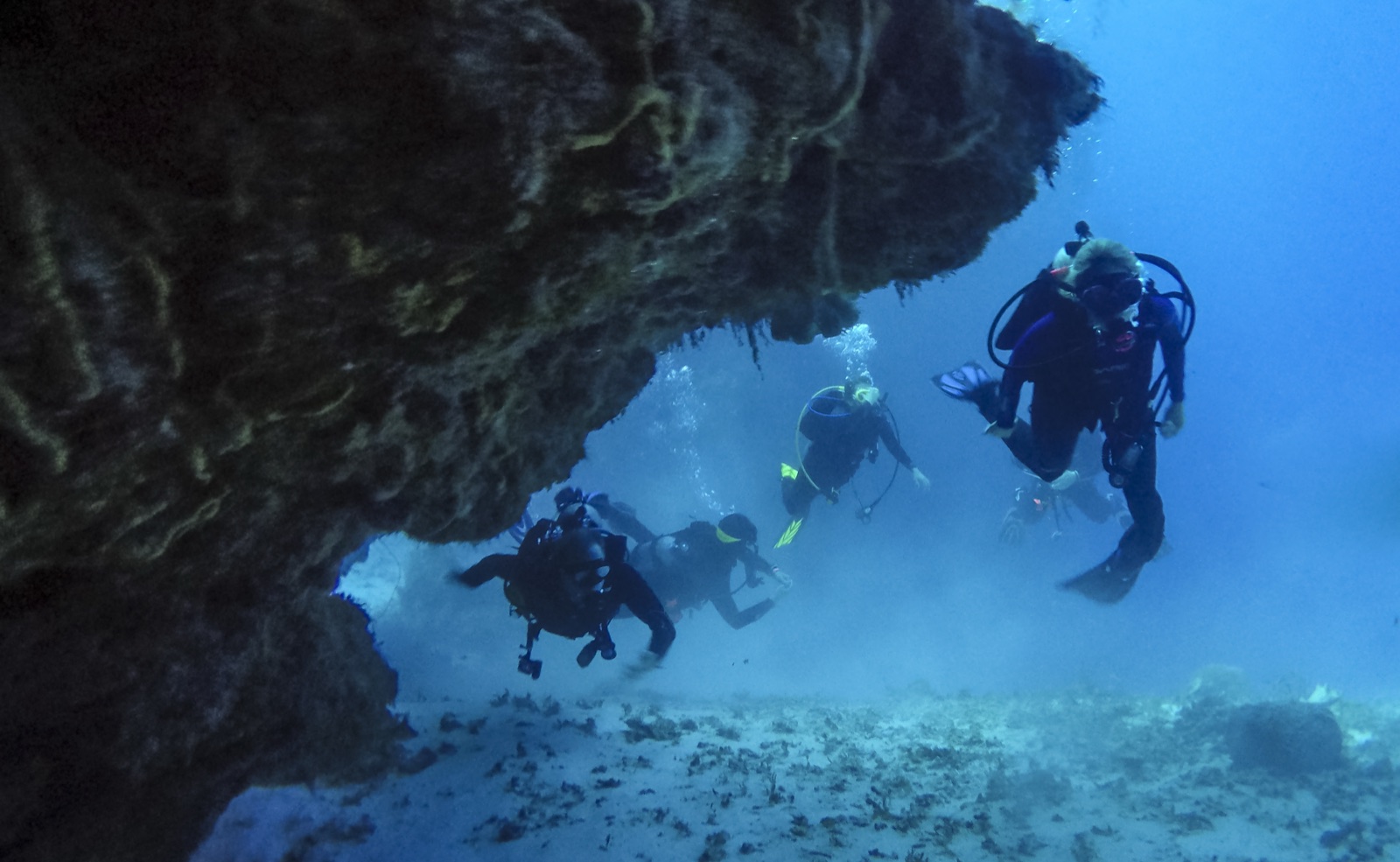
La respuesta cortaThe honest split is autonomy versus drift. Bonaire hands you a pickup truck, unlimited tank fills, and shore entries marked by painted yellow stones, in a marine park protected since 1979 and diveable in almost any weather. Cozumel offers grander topography — buttresses, swim-throughs, cobalt water — on brisk one-way drifts where the boat does the work and sets the schedule, with occasional winter northers closing the port. Costs are comparable mid-range; flights favor Cozumel from North America. Independent tinkerers lean Bonaire; scenery-first divers lean Cozumel.
Elige Bonaire Pick Bonaire if you want total independence — a truck, tanks in the bed, and dozens of marked shore entries diveable on your own schedule.
Elige Cozumel Pick Cozumel if you want effortless, fast drift dives along sculpted coral walls with a boat crew handling every detail.

Los números, uno al lado del otro

BonaireCozumel
Mejores mesesJan–SepDec–Apr
Agua (rango documentado)26–30 °C / 79–86 °F25–30 °C / 77–86 °F
Visibilidad15–30 m15–40 m
NivelAll LevelsAll Levels
Buceo en barco de dos inmersiones$95–$125$80–$130
Sitios cartografiados77
Sitios desde orilla60
Pecios11
Liveaboards que operan en00
Especies grandes y fiables LionfishHawksbill TurtleGarden EelChristmas Tree WormGreat BarracudaSeahorses LionfishHawksbill TurtleAtlantic TarponPorcupinefishGreat BarracudaGarden Eel

Cada cifra extraída en tiempo real de los dos registros de destino — los rangos y las etiquetas de confianza se aplican igual que en sus páginas propias.

La respuesta más completa

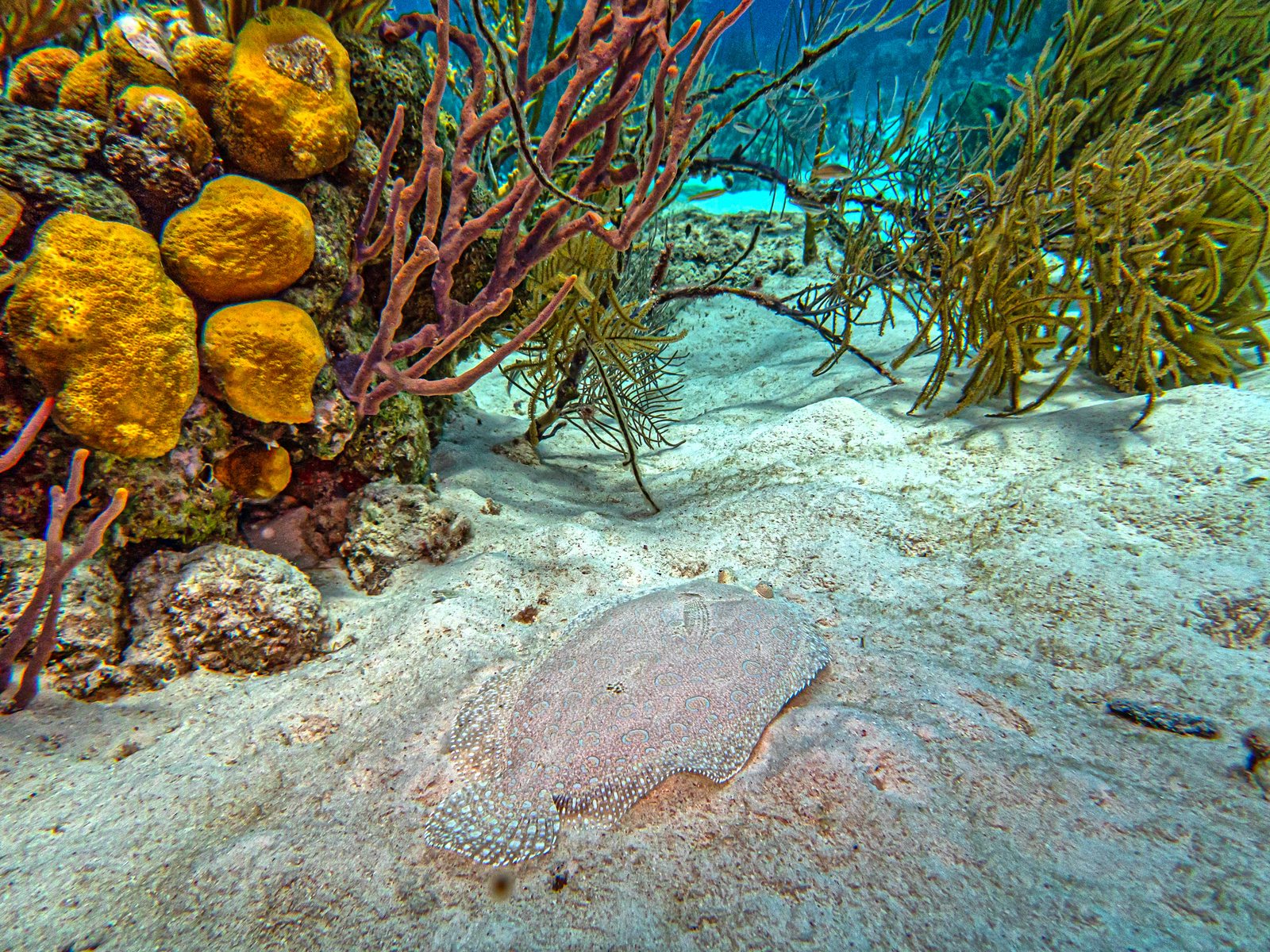
Bonaire runs on a simple, addictive loop: load tanks into a truck, drive the leeward coast road, park beside a painted yellow stone, wade in. The reef starts meters from shore and slopes away in dense hard coral — the island's marine park dates to 1979 and the health shows. Because no boat schedule owns you, Bonaire divers log absurd totals: a dawn dive before breakfast, a double before lunch, the pier pilings after dark where tarpon hunt in your light beam. Macro hunters do famously well here — seahorses and frogfish reward slow eyes — and the sheltered west side stays diveable nearly year-round in the far southern Caribbean, outside the main hurricane belt.

Cozumel is the opposite ritual, perfected. Boats run out each morning to the marine park, drop you up-current, and the Yucatán flow carries you along Palancar's coral buttresses and the sponge-crusted wall at Santa Rosa while the divemaster tows a surface flag. The water is often bluer and clearer than Bonaire's, the terrain far more sculpted — canyons, swim-throughs, sand chutes — and winter brings spotted eagle rays gliding the drop-offs. The island even keeps an endemic: the splendid toadfish, found here and nearly nowhere else. The tradeoffs are a fixed boat cadence and the occasional norther that shuts the harbor for a day or two in winter.

Both suit newer divers; neither strains a mid-range budget. Choose by temperament — self-directed repetition or chauffeured spectacle.

Estimación editorial

Profundiza más

Australia, Nueva Zelanda y Asia Oriental

Cairns & the Ribbon ReefsNingaloo ReefCoral Sea & Osprey ReefOkinawa & the Kerama IslandsPoor Knights IslandsTownsville & the YongalaGreen IslandIzu Peninsula

Caribe y Atlántico occidental

BonaireCozumelRiviera Maya & the CenotesBelize Barrier ReefGrand CaymanIsla Mujeres & CancúnRoatánTiger Beach & Grand Bahama

Europa, Atlántico y Mediterráneo

Malta & GozoSilfra & IcelandThe AzoresCanary IslandsLarnaca & the ZenobiaScapa FlowArctic NorwayMadeira

Océano Índico y África Oriental

North & South Malé AtollsAri AtollBaa Atoll & Hanifaru BayAliwal Shoal & UmkomaasMafia IslandMauritiusSeychellesSodwana Bay

Islas del Pacífico y Micronesia

PalauChuuk (Truk) LagoonFakaravaKona, HawaiʻiRangiroaTaveuni & Rainbow ReefBeqa Lagoon & Pacific HarbourEspiritu Santo

Mar Rojo y Oriente Medio

Sharm El Sheikh & Ras MohammedBrothers, Daedalus & St John'sDahabHurghada & El GounaMarsa Alam & the Deep SouthAqabaDaymaniyat IslandsMusandam Peninsula

Sudeste Asiático y el Triángulo del Coral

Bali & Nusa PenidaKomodoRaja AmpatSipadan & MabulAnilaoCoronKoh TaoLembeh Strait

Las Américas y el Pacífico Oriental

Galápagos IslandsCocos IslandFlorida KeysSea of Cortez & Cabo PulmoSocorro & the RevillagigedosBritish ColumbiaCalifornia Channel IslandsCosta Rica Pacific Coast