比較
Bonaire vs Cozumel
数字で比べる
| Bonaire | Cozumel | |
|---|---|---|
| ベストシーズン | Jan–Sep | Dec–Apr |
| 水温(記録された範囲) | 26–30 °C / 79–86 °F | 25–30 °C / 77–86 °F |
| 透明度 | 15–30 m | 15–40 m |
| レベル | All Levels | All Levels |
| 2タンク・ボートダイブ | $95–$125 | $80–$130 |
| 掲載ダイブサイト | 7 | 7 |
| ショアサイト | 6 | 0 |
| 沈船 | 1 | 1 |
| 就航リブアボード | 0 | 0 |
| 期待できる大物種 | LionfishHawksbill TurtleAtlantic TarponSeahorsesPorcupinefishGreat Barracuda | LionfishHawksbill TurtleAtlantic TarponPorcupinefishGreat BarracudaGarden Eel |
2つの目的地レコードからリアルタイムで取得した数値です。各ページと同様に、レンジと信頼度ラベルが適用されます。
もう少し詳しく
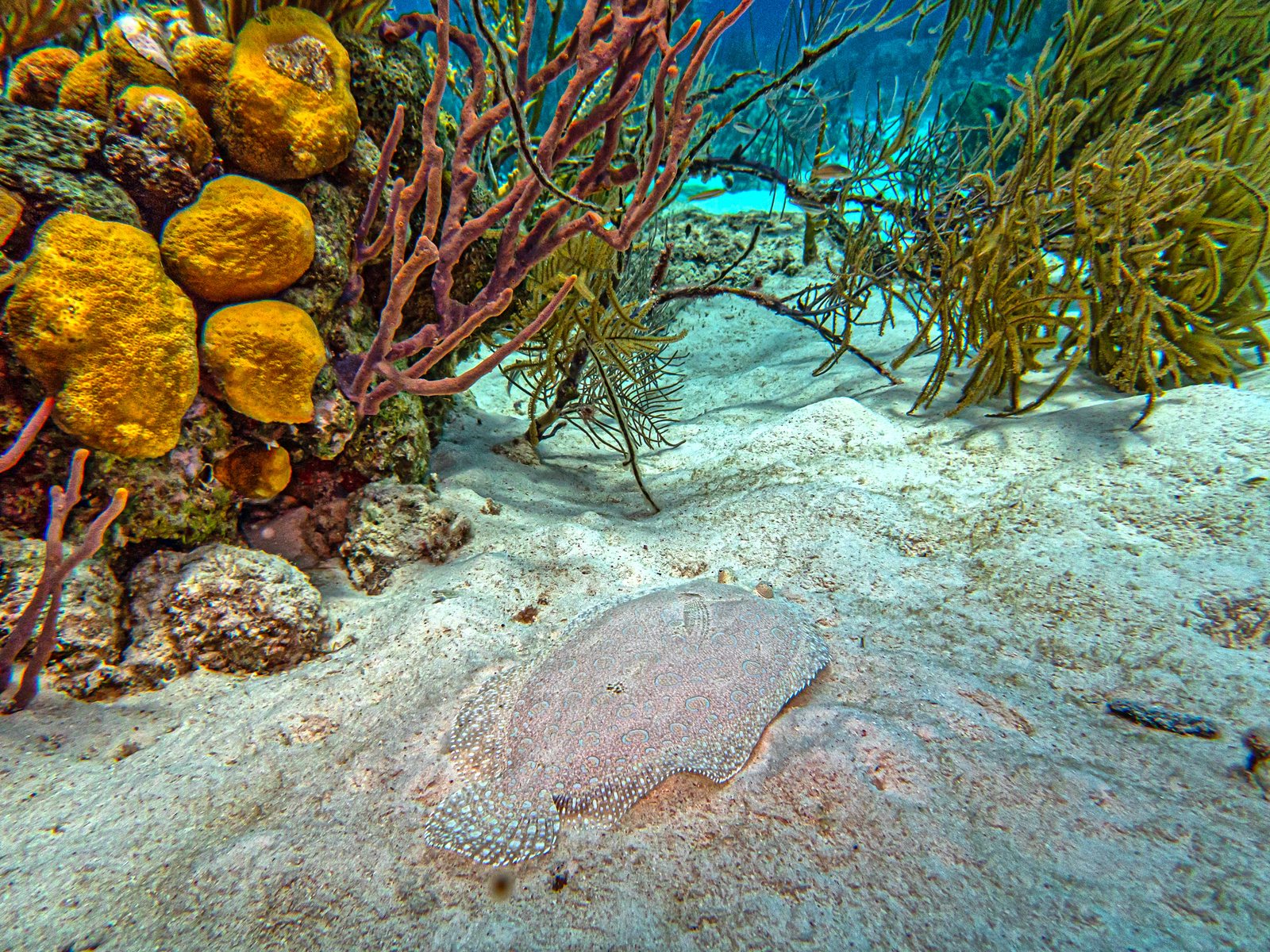
Bonaire runs on a simple, addictive loop: load tanks into a truck, drive the leeward coast road, park beside a painted yellow stone, wade in. The reef starts meters from shore and slopes away in dense hard coral; the island's marine park dates to 1979 and the health shows. Because no boat schedule owns you, Bonaire divers log absurd totals: a dawn dive before breakfast, a double before lunch, the pier pilings after dark where tarpon hunt in your light beam. Macro hunters do famously well here (seahorses and frogfish reward slow eyes), and the sheltered west side stays diveable nearly year-round in the far southern Caribbean, outside the main hurricane belt.
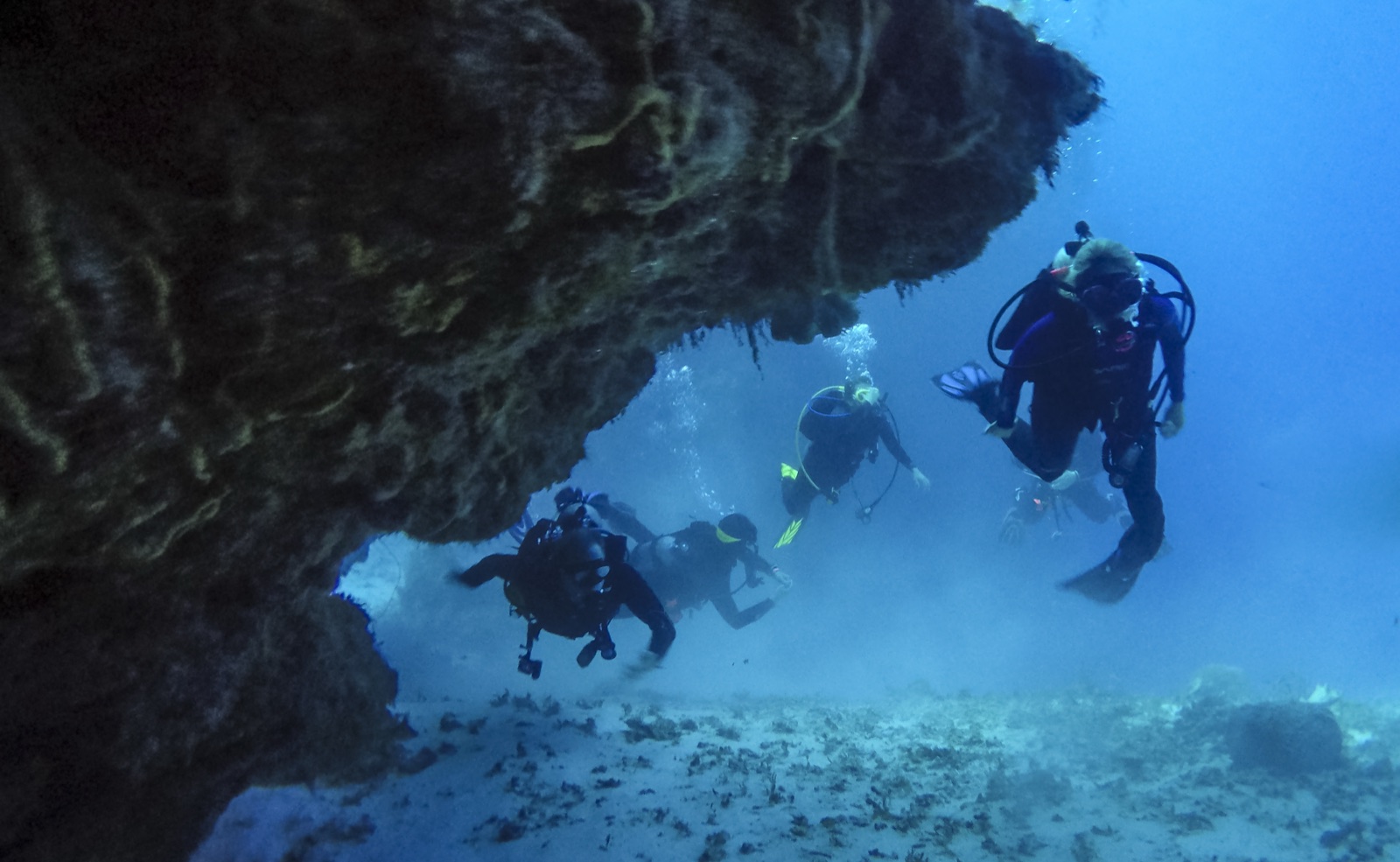
Cozumel is the opposite ritual, perfected. Boats run out each morning to the marine park, drop you up-current, and the Yucatán flow carries you along Palancar's coral buttresses and the sponge-crusted wall at Santa Rosa while the divemaster tows a surface flag. The water is often bluer and clearer than Bonaire's, the terrain far more sculpted (canyons, swim-throughs, sand chutes), and winter brings spotted eagle rays gliding the drop-offs. The island even keeps an endemic: the splendid toadfish, found here and nearly nowhere else. The tradeoffs are a fixed boat cadence and the occasional norther that shuts the harbor for a day or two in winter.
Both suit newer divers; neither strains a mid-range budget. Choose by temperament: self-directed repetition or chauffeured spectacle.