비교
Bonaire vs Cozumel
숫자로 한눈에 비교
| Bonaire | Cozumel | |
|---|---|---|
| 최적의 달 | Jan–Sep | Dec–Apr |
| 수온 (기록된 범위) | 26–30 °C / 79–86 °F | 25–30 °C / 77–86 °F |
| 시야 | 15–30 m | 15–40 m |
| 레벨 | All Levels | All Levels |
| 2탱크 보트 다이브 | $95–$125 | $80–$130 |
| 등록된 다이브 사이트 | 7 | 7 |
| shore 사이트 | 6 | 0 |
| 난파선 | 1 | 1 |
| 운항 중인 리브어보드 | 0 | 0 |
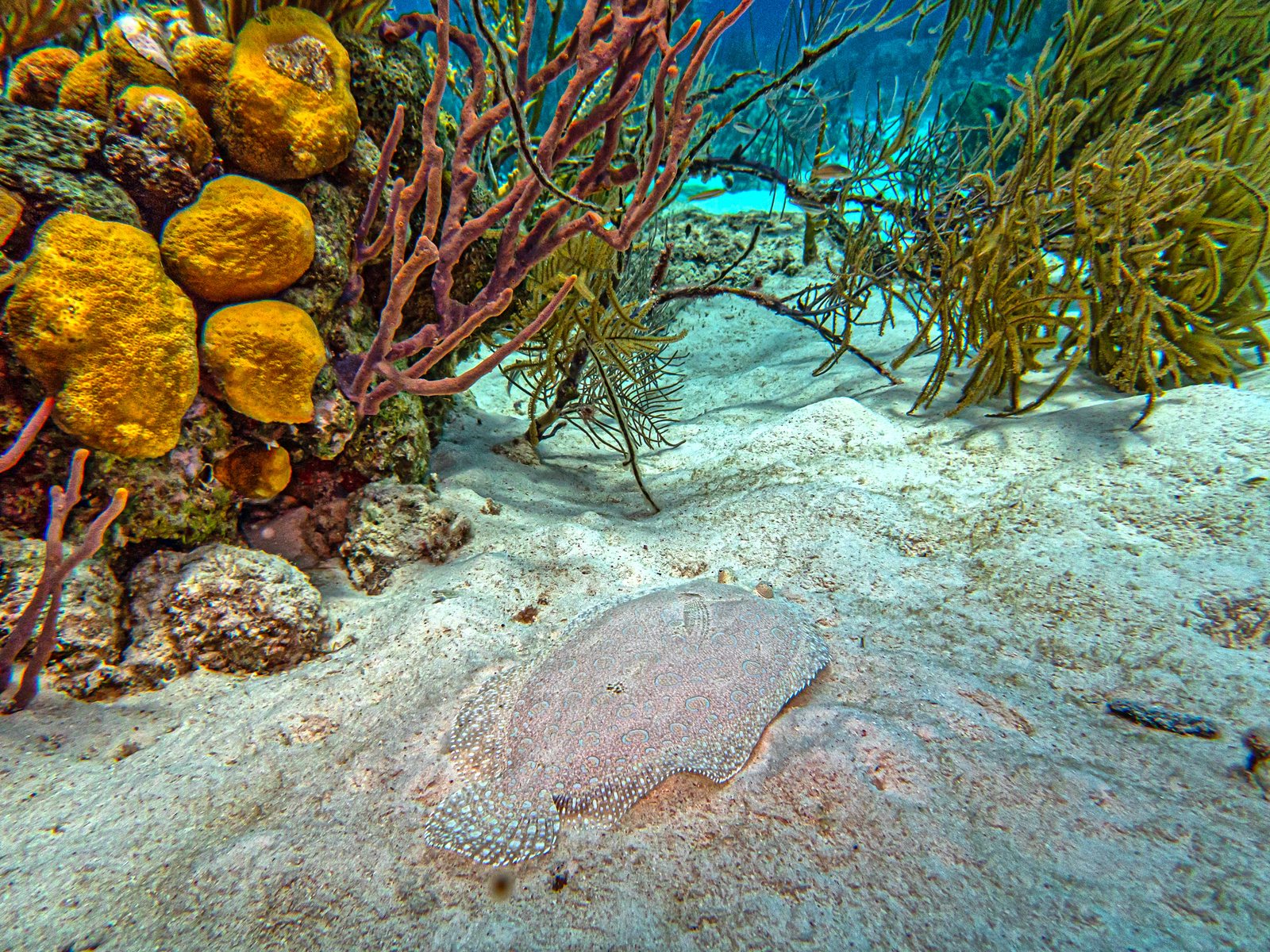
| 믿을 수 있는 대형 생물 | LionfishHawksbill TurtleAtlantic TarponSeahorsesPorcupinefishGreat Barracuda | LionfishHawksbill TurtleAtlantic TarponPorcupinefishGreat BarracudaGarden Eel |
두 목적지 기록에서 실시간으로 불러온 모든 수치로, 각 페이지와 동일하게 범위 및 신뢰도 레이블이 적용됩니다.
더 자세한 답변
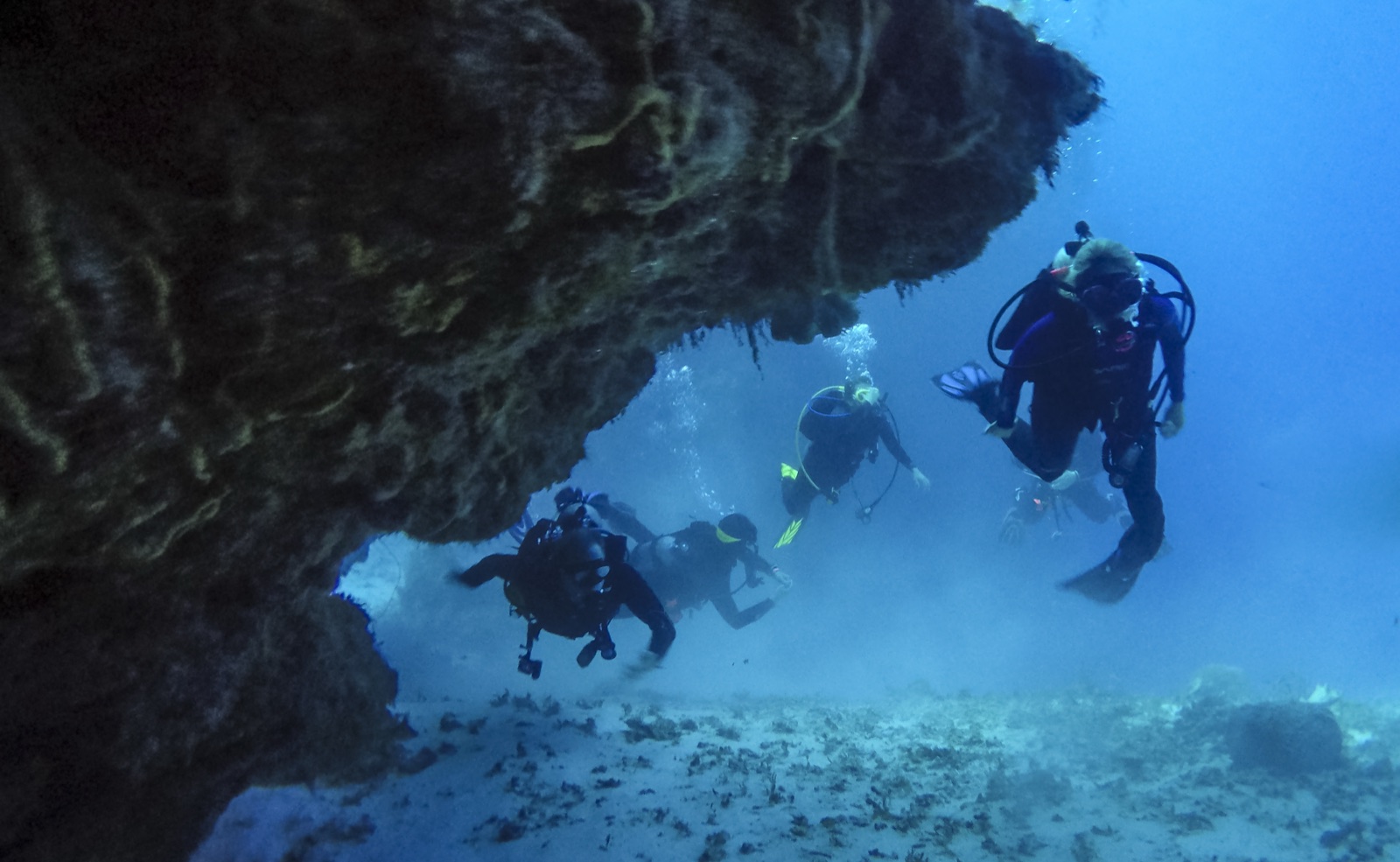
Bonaire runs on a simple, addictive loop: load tanks into a truck, drive the leeward coast road, park beside a painted yellow stone, wade in. The reef starts meters from shore and slopes away in dense hard coral; the island's marine park dates to 1979 and the health shows. Because no boat schedule owns you, Bonaire divers log absurd totals: a dawn dive before breakfast, a double before lunch, the pier pilings after dark where tarpon hunt in your light beam. Macro hunters do famously well here (seahorses and frogfish reward slow eyes), and the sheltered west side stays diveable nearly year-round in the far southern Caribbean, outside the main hurricane belt.
Cozumel is the opposite ritual, perfected. Boats run out each morning to the marine park, drop you up-current, and the Yucatán flow carries you along Palancar's coral buttresses and the sponge-crusted wall at Santa Rosa while the divemaster tows a surface flag. The water is often bluer and clearer than Bonaire's, the terrain far more sculpted (canyons, swim-throughs, sand chutes), and winter brings spotted eagle rays gliding the drop-offs. The island even keeps an endemic: the splendid toadfish, found here and nearly nowhere else. The tradeoffs are a fixed boat cadence and the occasional norther that shuts the harbor for a day or two in winter.
Both suit newer divers; neither strains a mid-range budget. Choose by temperament: self-directed repetition or chauffeured spectacle.