Immersioni in Cuba
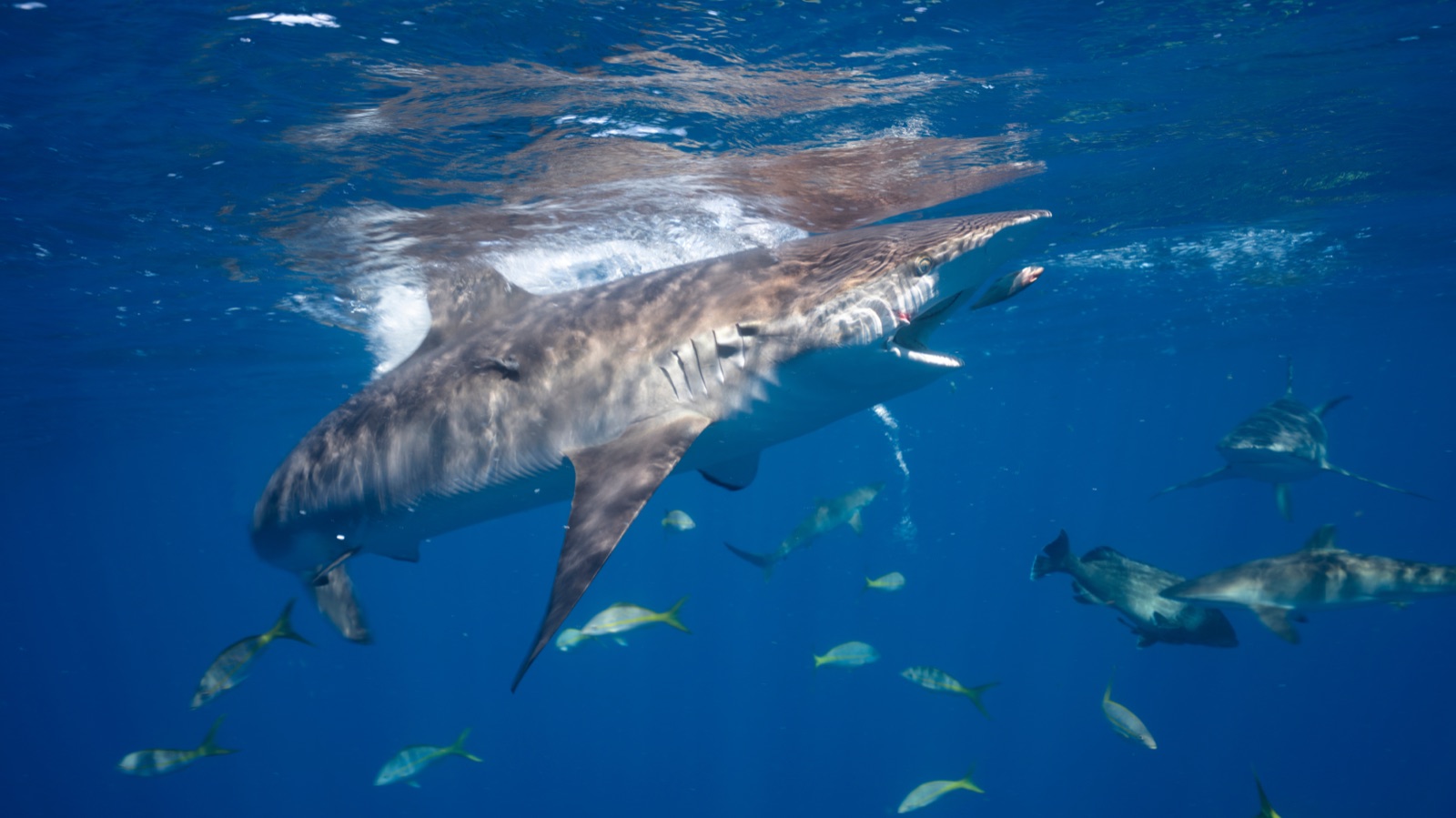
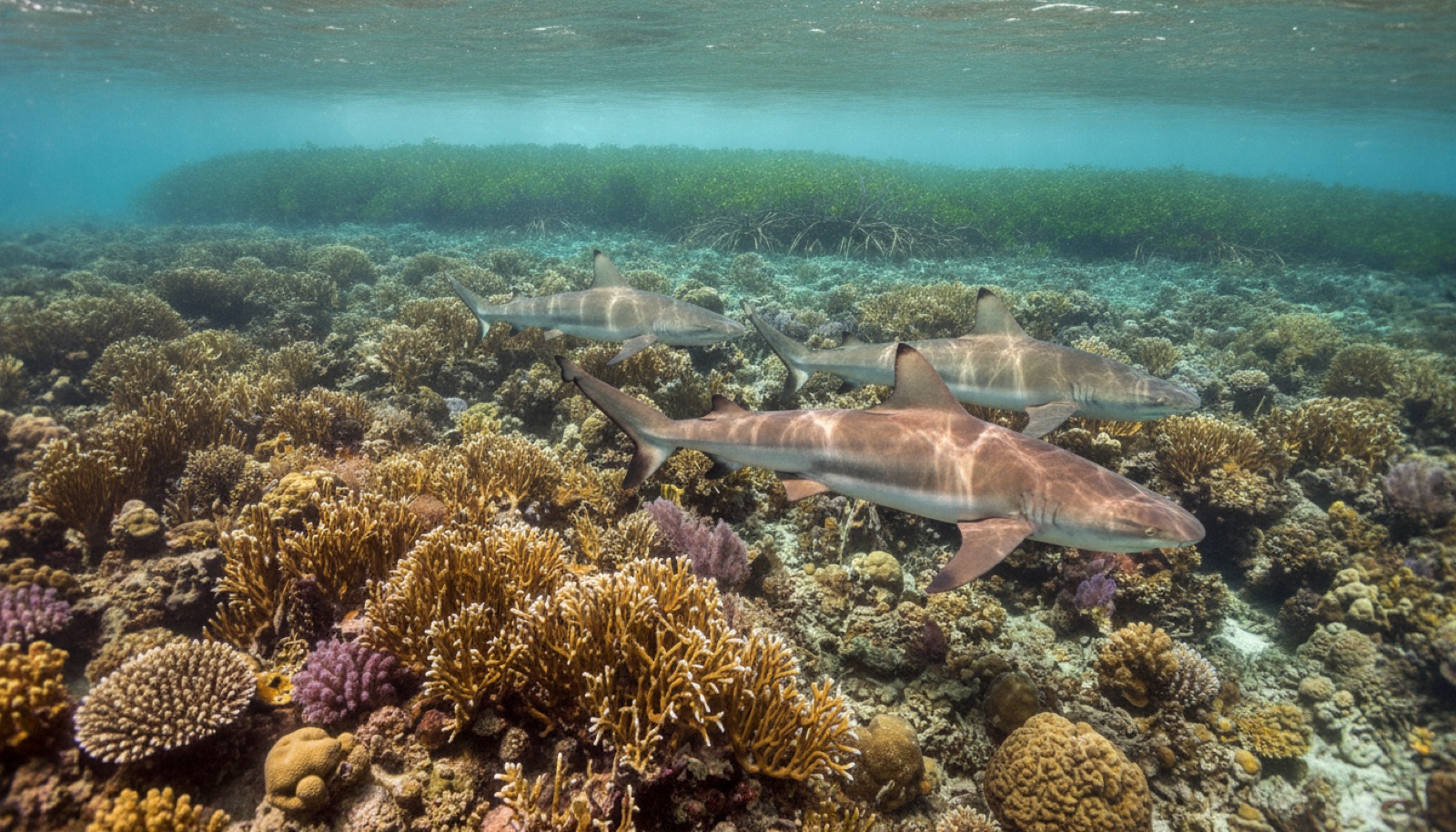
Cuba protects one of the Caribbean's last great predator reefs. Jardines de la Reina, a 150-kilometer arc of mangrove keys and coral off the south coast, has been closed to most fishing since 1996, and the result is what much of the region looked like before overfishing: Caribbean reef sharks on nearly every dive, silky sharks spiraling under the boats, goliath grouper the size of doors, and dense stands of healthy coral. Access is deliberately limited to a small number of liveaboards and floating lodges, so sites see a handful of divers a day. Crocodile encounters in the mangrove shallows are a signature for the steady-nerved. Traveling Cuba around the diving takes patience, cash, and flexibility, but underwater the payoff is unmatched in the northern Caribbean.
Jardines de la Reina is the registry destination and the country's crown: trips stage from the small port of Júcaro and spend a week among the keys, alternating shark-heavy reef walls with mangrove channels. Elsewhere Cuba offers walls off the Isla de la Juventud and easy reefs near resort towns, but the marine park is what draws divers across an ocean.
Esperienze distintive: Six or more Caribbean reef sharks circling through an entire dive; silky sharks at safety stops; goliath grouper eye-to-eye; snorkeling beside American crocodiles over mangrove sand; queen conch and lobster carpeting protected flats.
Stagioni: The dry season, roughly November through April, brings the most settled seas and reliable visibility; summer is hotter and stiller with afternoon storms, and hurricane season peaks August through October, when itineraries can be disrupted. Shark encounters hold up year-round inside the park.
Le destinazioni
Siti di immersione da non perdere
| Sito | Destinazione | Tipo | Profondità | Livello |
|---|---|---|---|---|
| Black Coral I & II | Jardines de la Reina | Wall | 15–35 m | Intermediate |
| El Farallon | Jardines de la Reina | Pinnacle | 15–35 m | Intermediate |
| Five Seas | Jardines de la Reina | Reef | 10–25 m | Intermediate |
| Pipin | Jardines de la Reina | Reef | 12–25 m | Intermediate |
Vita marina
Il fascicolo pratico
Come arrivare: International flights land in Havana, with some routings via Camagüey or Santa Clara closer to the south coast; operators then run scheduled road transfers to Júcaro, where boats depart for the three-to-five-hour crossing into the park. Book the full chain through the dive operator.
Entrata e visti: Most visitors need a tourist card or e-visa arranged before arrival. US citizens and residents face separate US-government rules: travel must fit an authorized category such as Support for the Cuban People, and US-sanctioned hotel lists and banking restrictions apply. Verify current requirements on both the Cuban and your home-country side before booking.
Quanto costano le immersioni: Jardines de la Reina operates on package pricing: expect roughly USD 2,500-4,000 for a week on a liveaboard or floating lodge, including transfers from the coast; there is no cheap day-trip route into the park.
Lingua: Spanish is the national language; dive guides in the park work in English, but English is limited elsewhere.
Mance: Tips in hard currency are a meaningful part of income; tip dive guides and boat crews at week's end, and small notes for services ashore are appreciated.
Sicurezza in viaggio: An honest picture: Cuba is experiencing severe shortages of fuel, food, and medicine, recurring blackouts, and a confusing multi-rate currency reality. Violent crime against tourists is rare, but bring every medication you need, carry cash in euros, and build slack into travel days since transport can fail. Hurricanes are a seasonal factor. Once aboard in the marine park, logistics smooth out; the hard part is getting there.
Copertura per ricompressione: Cuba maintains hyperbaric facilities on the main island, including in the Havana area, but Jardines de la Reina is hours from port, so evacuation is slow. Availability changes; dive conservatively and route emergencies through the boat, Cuban services, and DAN.