Tauchen in Marshall Islands
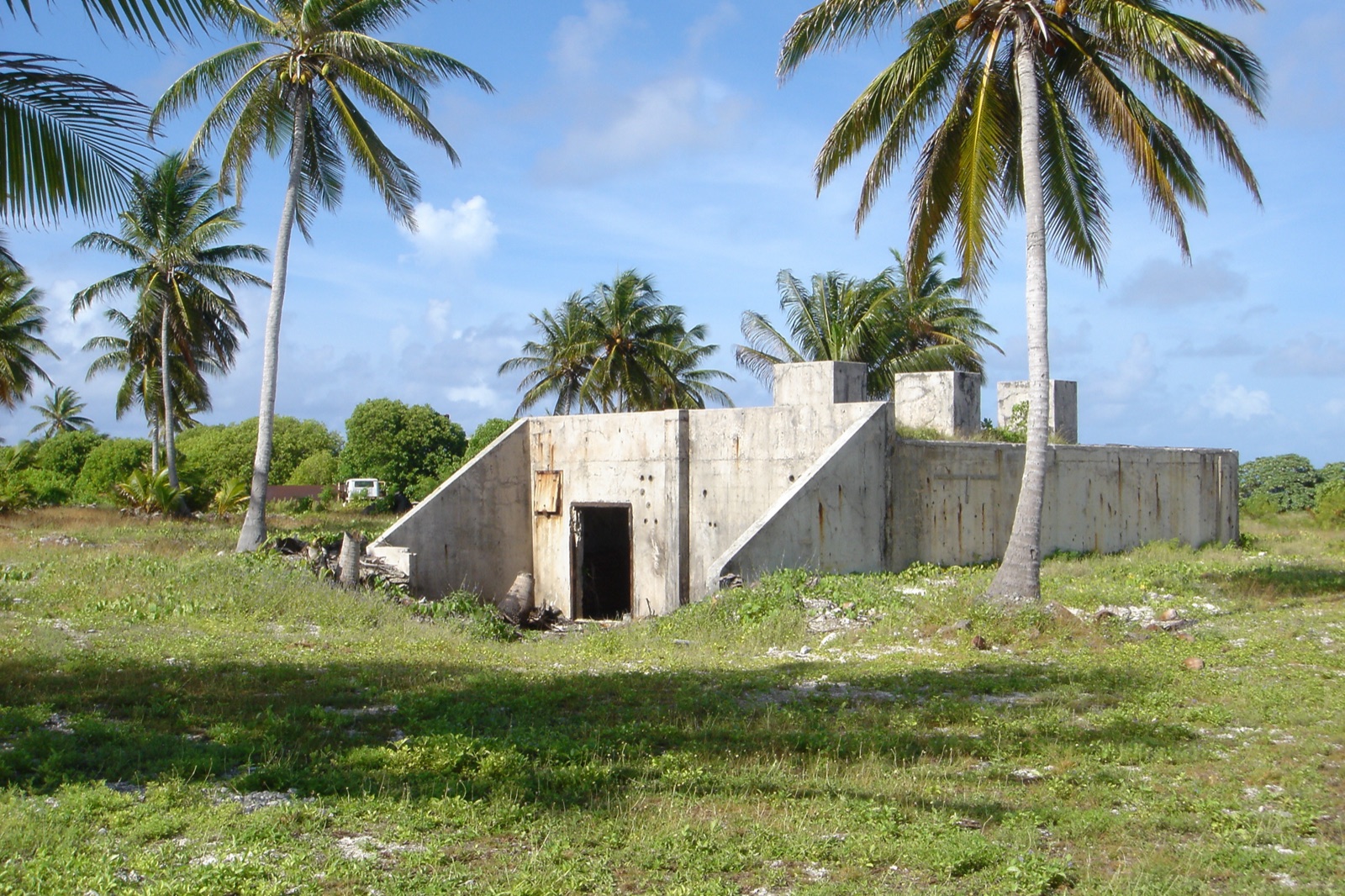
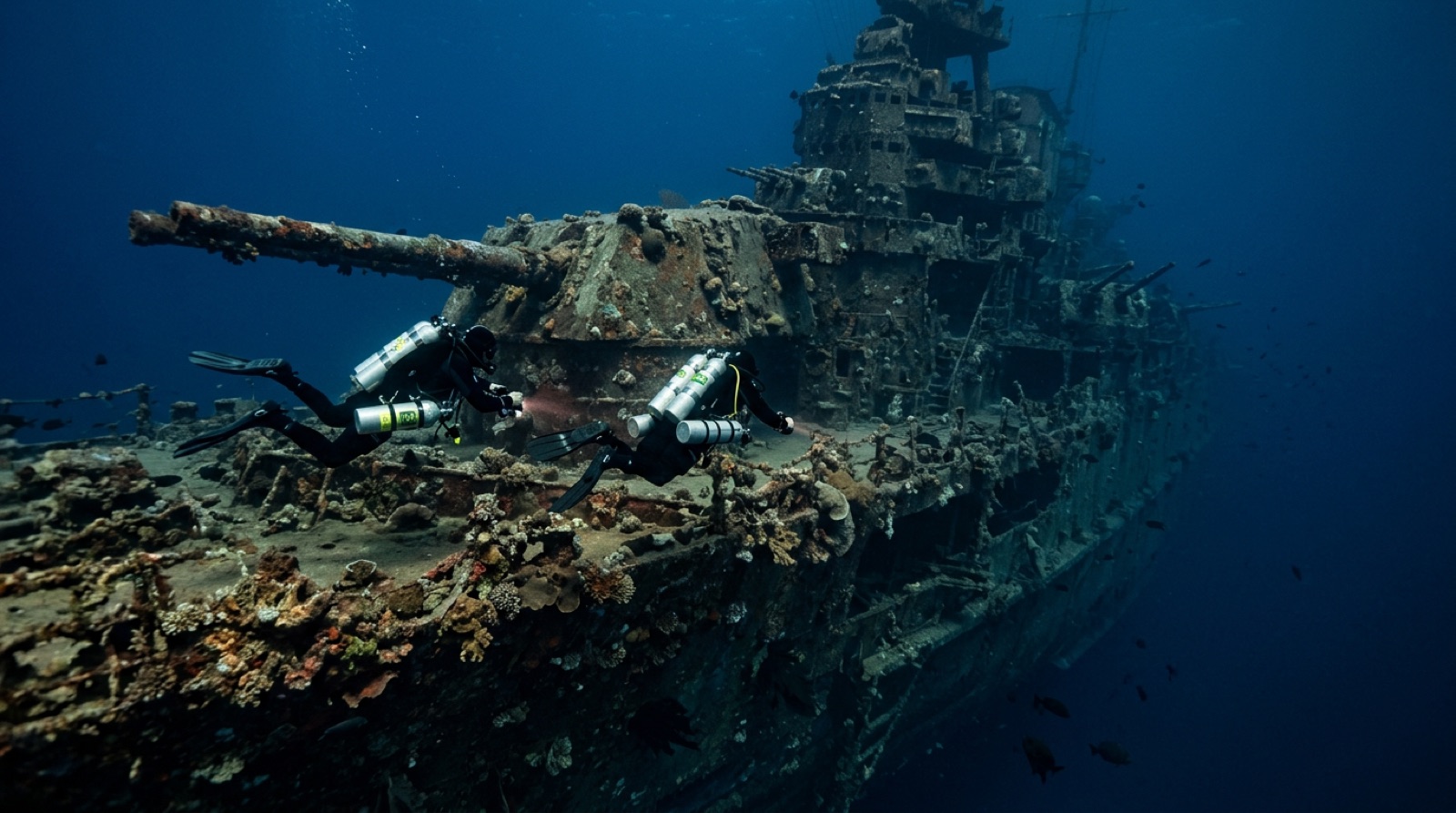
The Marshall Islands hold diving's most sobering time capsule. Bikini Atoll, evacuated in 1946 for US nuclear testing, became the graveyard of a target fleet that reads like a naval museum inventory: the aircraft carrier USS Saratoga, the Japanese battleship Nagato from which the Pearl Harbor attack was ordered, destroyers, submarines, and attack transports, all sunk by the Able and Baker blasts and now resting in a lagoon that saw almost no divers for half a century. The wrecks lie deep, mostly beyond 45 meters, making this a technical or aggressively advanced destination run as occasional expedition charters rather than a resort industry. Radiation in the water column is not the operative risk; depth, remoteness, and logistics are. The atoll's UNESCO World Heritage listing recognizes exactly what divers feel there: the place where the nuclear age left its wreckage.
Bikini Atoll is the registry destination: expedition liveaboards, when operating, stage through the Marshalls and spend a week or more on the nuclear ghost fleet, led by the Saratoga's vast flight deck and the Nagato's upturned pagoda mast. Elsewhere in the country, Kwajalein's lagoon wrecks are largely restricted-access, and outer-atoll reef diving exists for the truly self-sufficient.
Besondere Erlebnisse: Dropping through dim blue onto the USS Saratoga's island and flight deck; the Nagato's massive propellers overhead; aircraft still parked in a carrier's hangar; sharks patrolling a lagoon with no dive traffic for weeks at a time; the heavy quiet of a fleet sunk by atom bombs.
Saisons: Expeditions have generally favored the drier, calmer months around May through October, but schedules are set by the handful of operators and can change year to year; confirm current charter seasons rather than planning around climate alone. Trips are few and book far ahead.
Die Reiseziele
Herausragende Tauchplätze
| Tauchplatz | Ziel | Typ | Tiefe | Level |
|---|---|---|---|---|
| HIJMS Nagato | Bikini Atoll | Wreck | 33–52 m | Technical |
| Prinz Eugen | Bikini Atoll | Wreck | 0–35 m | Advanced |
| USS Saratoga | Bikini Atoll | Wreck | 18–52 m | Technical |
Jeder kartierte Tauchplatz in Marshall Islands →
Wracks
Die praktischen Infos
Anreise: Reaching the Marshalls means the trans-Pacific island-hopper routes through Honolulu or Guam into Majuro (MAJ) or Kwajalein, then operator-arranged connections toward Bikini by charter flight or vessel. Every leg is infrequent; build buffer days on both ends and follow the operator's routing exactly.
Einreise & Visa: The Marshall Islands are associated with the United States under a Compact of Free Association, and many visitors receive entry permission on arrival. Verify current requirements for your nationality, and note Kwajalein's US military access restrictions.
Was Tauchen kostet: Bikini expeditions are technical-liveaboard products typically costing on the order of USD 5,000-8,000 or more for a week-plus itinerary, before long-haul flights; standard recreational packages do not exist here.
Sprache: Marshallese and English are both official; expedition operations run in English.
Trinkgeld: Tipping is not a local custom, but expedition crews on charter vessels are commonly tipped in the liveaboard fashion at trip's end.
Reisesicherheit: The islands are friendly and low-crime; the risks are structural. Bikini's wrecks sit at technical depths hours or days from any advanced medical care, decompression obligations are the norm, and weather can strand schedules. Radiological monitoring has long deemed short dive visits acceptable, though residual contamination is why the atoll remains uninhabited; follow expedition rules on artifacts and any landings. These are also war-adjacent graves in spirit; treat them accordingly.
Dekompressionskammer in der Nähe: There is no recompression chamber within practical reach of Bikini; expeditions operate on self-sufficient protocols with surface oxygen, and definitive care means long-range evacuation, historically toward Kwajalein's US facilities or Hawaii. Margins must come from conservative diving, DAN coverage, and the operator's emergency plan.