डाइविंग इन Palau
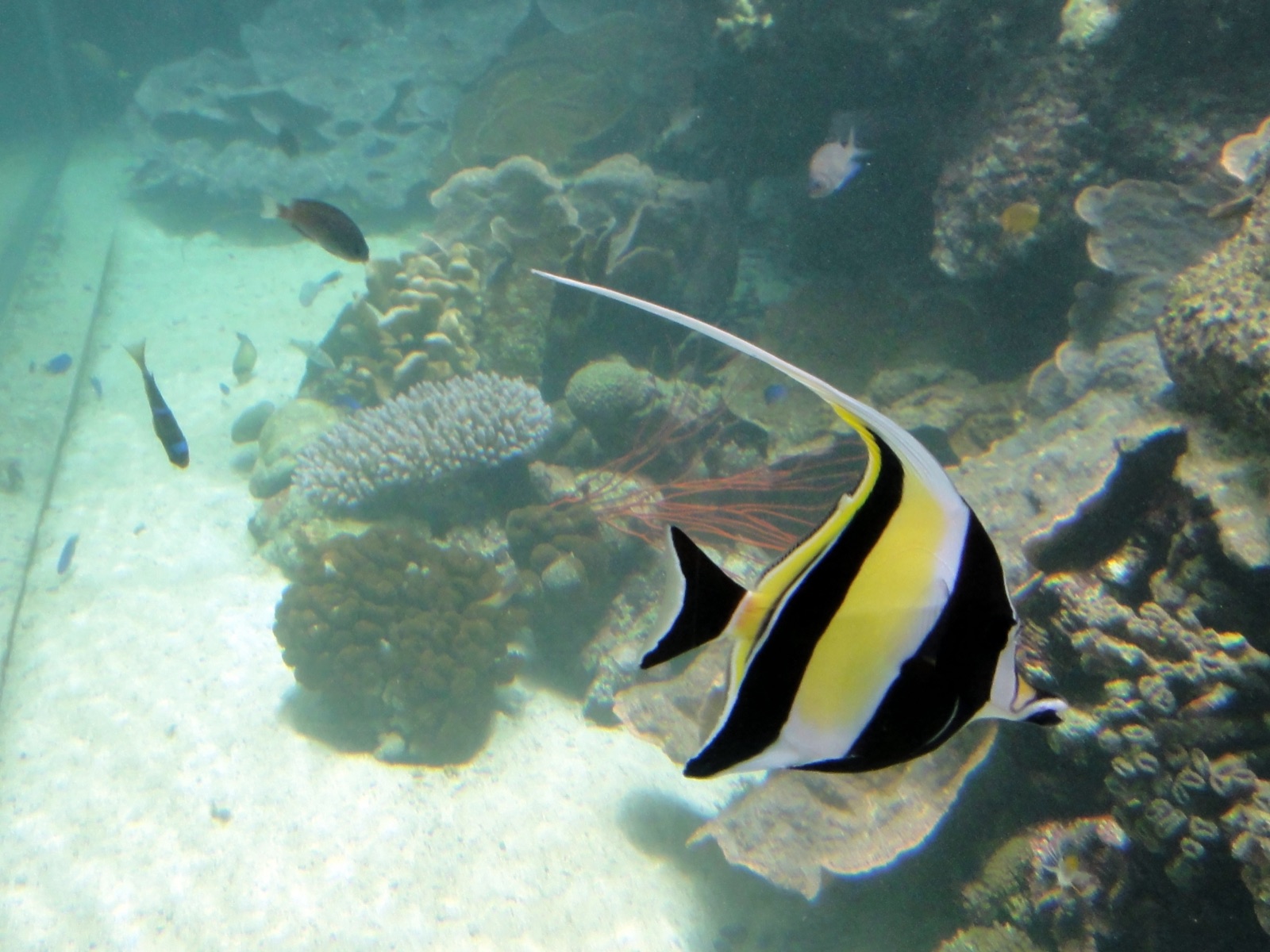
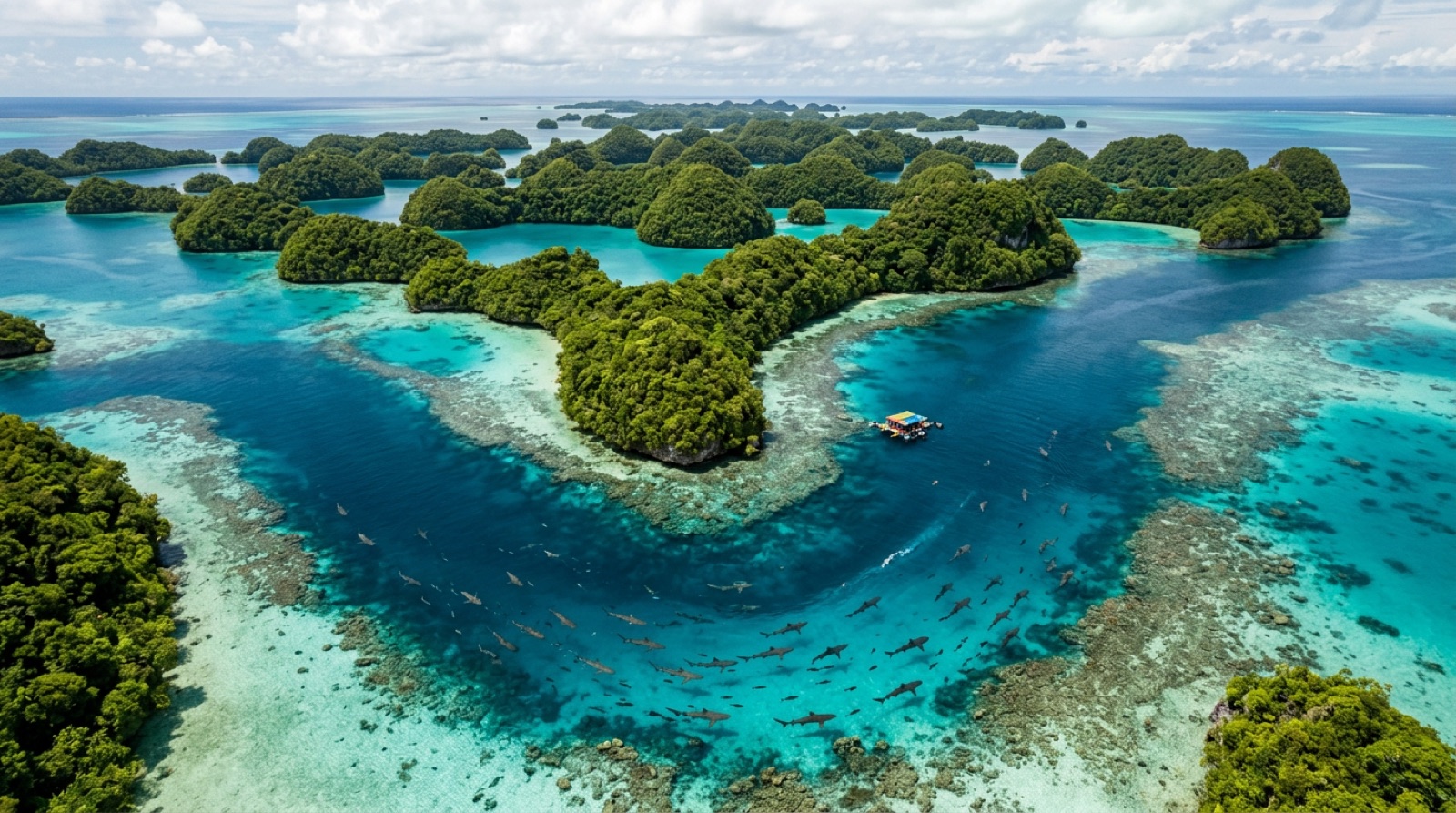
Palau compresses more famous diving into one small nation than almost anywhere on earth. Where the Philippine Sea meets the Pacific, currents sweep the reef corners of the Rock Islands, and divers hook into the edge at Blue Corner while gray reef sharks patrol an escalator of moving water. German Channel's cleaning stations bring in manta rays; Ulong Channel funnels divers past lettuce corals and gathering groupers; caves, blue holes, and WWII-era wrecks fill the sheltered lagoon. Palau declared the world's first shark sanctuary and backs its marine protection with real enforcement and visitor fees. Nearly everything is boat diving from Koror, with liveaboards adding range. Strong, changeable currents make this a destination that flatters experienced divers, though guided operations manage conditions well.
The registry treats Palau as a single destination centered on Koror and the Rock Islands. Day boats run 30-70 minutes to the western barrier-reef corners (Blue Corner, Blue Holes, Ulong), the manta aggregation at German Channel toward Peleliu, and lagoon wrecks and caves closer in. Liveaboards cover the same core sites with added flexibility for Peleliu's wilder corners.
खास अनुभव: Reef-hooked at Blue Corner in a wall of sharks and jacks; mantas stacking over German Channel's cleaning stations; dropping through Blue Holes' skylights; snorkeling among the stingless jellyfish of Jellyfish Lake when the population is healthy; kayaking the Rock Islands' mushroom islets on a surface day.
सीज़न: The drier, calmer window runs roughly November through May, with peak conditions and peak crowds December-March. Diving continues year-round; the wetter months bring more squalls and occasionally reduced visibility rather than a shutdown. Currents, not seasons, are the defining variable.
डेस्टिनेशन
खास गोताखोरी स्थल
| साइट | गंतव्य | प्रकार | गहराई | स्तर |
|---|---|---|---|---|
| Blue Corner | Palau | Wall | 8–30 m | Intermediate |
| Blue Holes | Palau | Blue hole | 2–35 m | Intermediate |
| Chandelier Cave | Palau | Cave | 3–12 m | Intermediate |
| German Channel | Palau | Channel | 8–25 m | Intermediate |
| Iro Maru | Palau | Wreck | 12–40 m | Advanced |
| Jake Seaplane | Palau | Wreck | 12–16 m | Beginner |
| Jellyfish Lake | Palau | Freshwater | 0–5 m | Beginner |
| Ulong Channel | Palau | Channel | 5–20 m | Intermediate |
समुद्री जीवन
Wrecks
व्यावहारिक दस्तावेज़
वहाँ कैसे पहुँचें: Fly into Roman Tmetuchl International Airport (ROR) near Koror. Connections run through hubs such as Taipei, Manila, Guam, and seasonally elsewhere; there are no long-haul direct routes from Europe or mainland North America, so plan a connection.
प्रवेश और वीज़ा: Most visitors receive an entry permission on arrival for tourism, and departure/environmental fees apply; verify current requirements and fee arrangements before travel as Palau adjusts these periodically.
डाइविंग पर कितना खर्च होता है: Expect premium pricing: two-tank day trips commonly land around US$150-250 plus government and Rock Islands/Jellyfish Lake permits, and national environmental fees add meaningfully to the trip cost (verify current amounts). Liveaboards and lodging price at the top of the Pacific range.
भाषा: Palauan and English are official languages; English is spoken throughout the dive industry.
टिपिंग: Tipping follows US-influenced habits: dive guides and boat crews are commonly tipped, and liveaboard crews expect an end-of-trip gratuity.
ट्रैवल सेफ्टी: Palau is a safe, small-town sort of country. The serious risks are in the water: strong and reversing currents at the reef corners, blue-water drifts, and long boat runs. Carry a DSMB, listen to guides, and be honest about experience levels. Typhoons are possible but less frequent than in the western Pacific belt.
रीकंप्रेशन कवर: A recompression chamber has operated at the national hospital in Koror with dive-industry support; status and staffing change, so confirm current arrangements with your operator and route emergencies through local EMS and DAN.