Plongée en Portugal
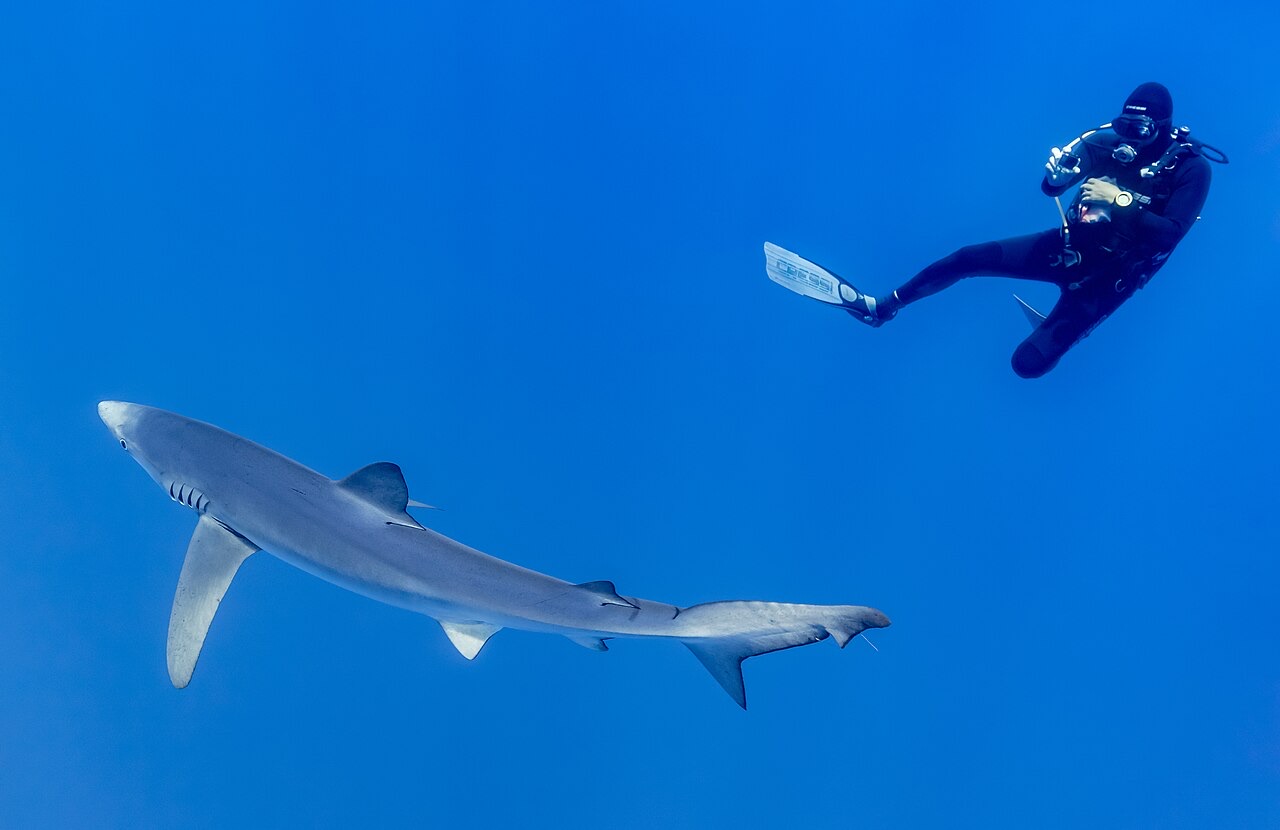
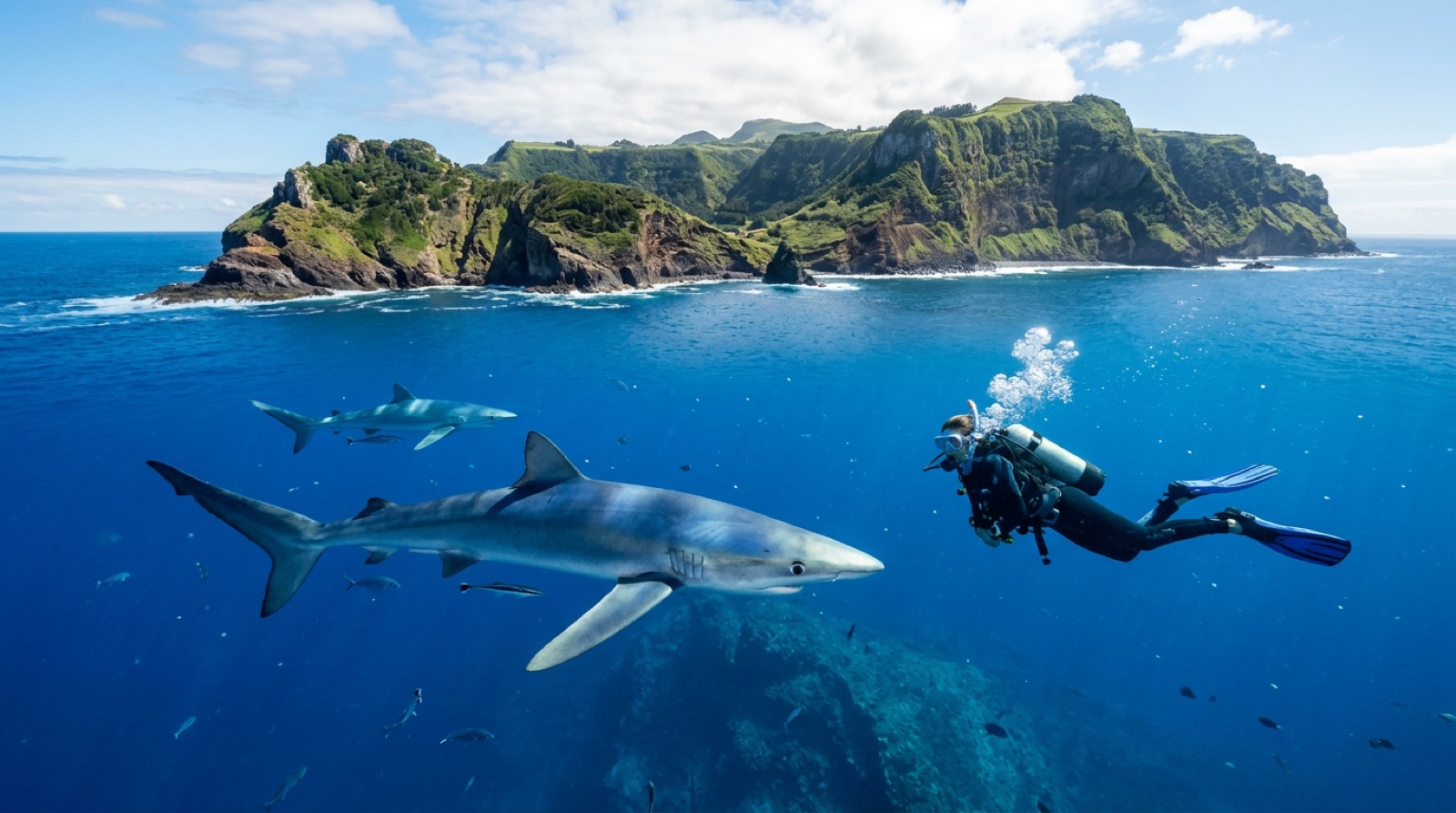
Portugal's blue-water credentials rest on its Atlantic islands. The Azores, nine volcanic islands in the mid-Atlantic, are Europe's big-animal destination: mobula rays schooling over offshore seamounts, blue sharks on baited drops, groupers on lava reefs, and a whale-watching culture built on the archipelago's whaling past. Madeira, farther south, offers warmer, gentler diving around the Garajau reserve, where dusky groupers approach divers with unusual confidence. Both are seasonal, swell-exposed, and honest about it: summer and early autumn are when the offshore banks open up. The mainland adds reserves and wrecks for those passing through Lisbon. Costs stay reasonable by European standards, and the diving pairs naturally with hiking, volcanic scenery, and very good food and wine.
The registry lists the Azores and Madeira. Azores diving centers on Pico, Faial, and São Miguel, with boat runs to offshore banks such as Princess Alice for mobulas and dedicated blue-shark trips in season. Madeira's core is the Garajau partial marine reserve near Funchal, plus harbor wrecks and lava-rock reefs; the nearby Desertas add wilder trips when seas allow.
Expériences emblématiques: Mobula squadrons circling a mid-Atlantic seamount; eye-to-eye minutes with blue sharks in open water; tame dusky groupers at Garajau; black volcanic arches and swim-throughs; whale watching and volcano hikes between dive days.
Saisons: June through October is the practical Atlantic-island season, with the calmest seas and the offshore seamount trips running most reliably in high summer; Princess Alice crossings need settled weather. Madeira dives most of the year, but winter swell narrows the site list. Water peaks in early autumn.
Les destinations
Sites de plongée incontournables
| Site | Destination | Type | Profondeur | Niveau |
|---|---|---|---|---|
| Baixa do Ambrosio | The Azores | Seamount | 8–30 m | Intermediate |
| Condor Bank | The Azores | Blue water | 5–20 m | Intermediate |
| Dori | The Azores | Wreck | 12–22 m | Beginner |
| Formigas Islets & Dollabarat Reef | The Azores | Pinnacle | 6–40 m | Advanced |
| Ilheu de Vila Franca | The Azores | Reef | 3–25 m | Beginner |
| Princess Alice Bank | The Azores | Seamount | 35–40 m | Advanced |
| Corveta Afonso Cerqueira | Madeira | Wreck | 15–33 m | Intermediate |
| Garajau Marine Reserve | Madeira | Reef | 6–40 m | Beginner |
| Madeirense | Madeira | Wreck | 18–33 m | Intermediate |
| Ponta de Sao Lourenco | Madeira | Reef | 8–30 m | Intermediate |
Chaque site répertorié en Portugal →
Vie marine
Le dossier pratique
Comment s'y rendre: Fly to Ponta Delgada (PDL) or Horta (HOR) in the Azores (with direct links from Lisbon, Porto, and seasonal North American and European routes) and to Funchal (FNC) for Madeira. Inter-island Azores hops run on SATA/Azores Airlines.
Entrée & visas: Portugal is in the Schengen area; Schengen short-stay rules apply to most visitors. Verify current requirements for your nationality before travel.
Le coût de la plongée: Expect roughly EUR 70-120 for a two-tank boat day inshore, with offshore seamount and shark trips priced well above that; lodging and food in the islands remain moderate by western-European standards.
Langue: Portuguese is the official language; English is standard in dive centers and widely spoken in tourism.
Pourboires: Tipping is modest and optional; rounding up or 5-10 percent for good service is normal, including for dive crews.
Sécurité en voyage: Portugal is one of Europe's safest countries. The diving risks are Atlantic ones: swell, surge, exposed offshore crossings, and cool thermoclines. Offshore trips cancel readily in marginal weather. Treat that as professionalism, not inconvenience.
Couverture caisson hyperbare: Hyperbaric facilities exist in Portugal, including navy-linked capability in Lisbon and island arrangements that change over time; confirm the current emergency pathway with your operator and route incidents through 112 and DAN Europe.