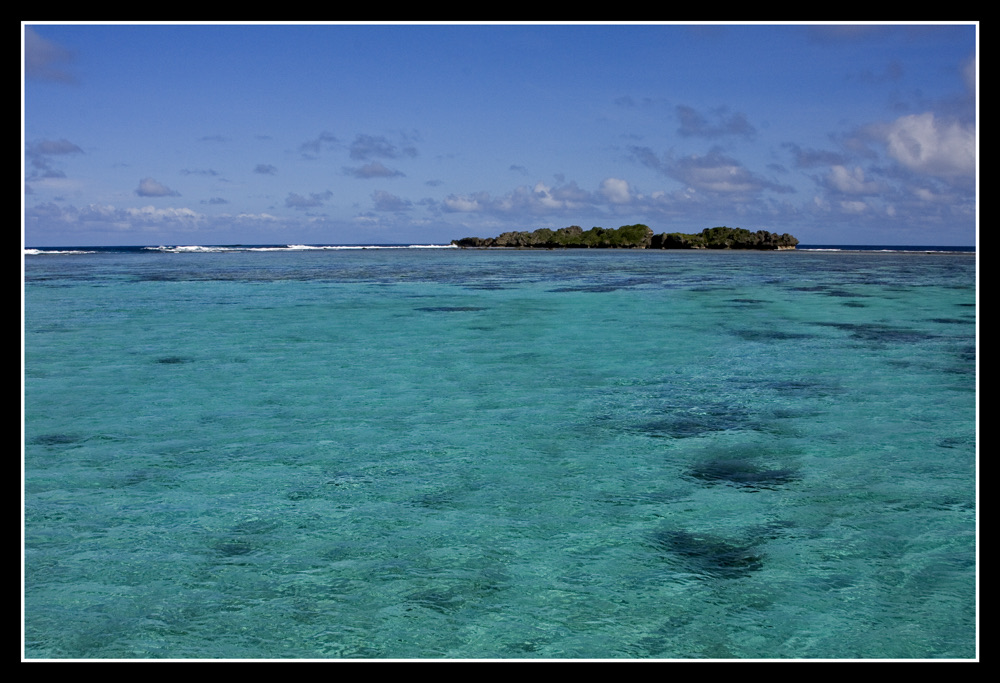
Plongée en Tonga
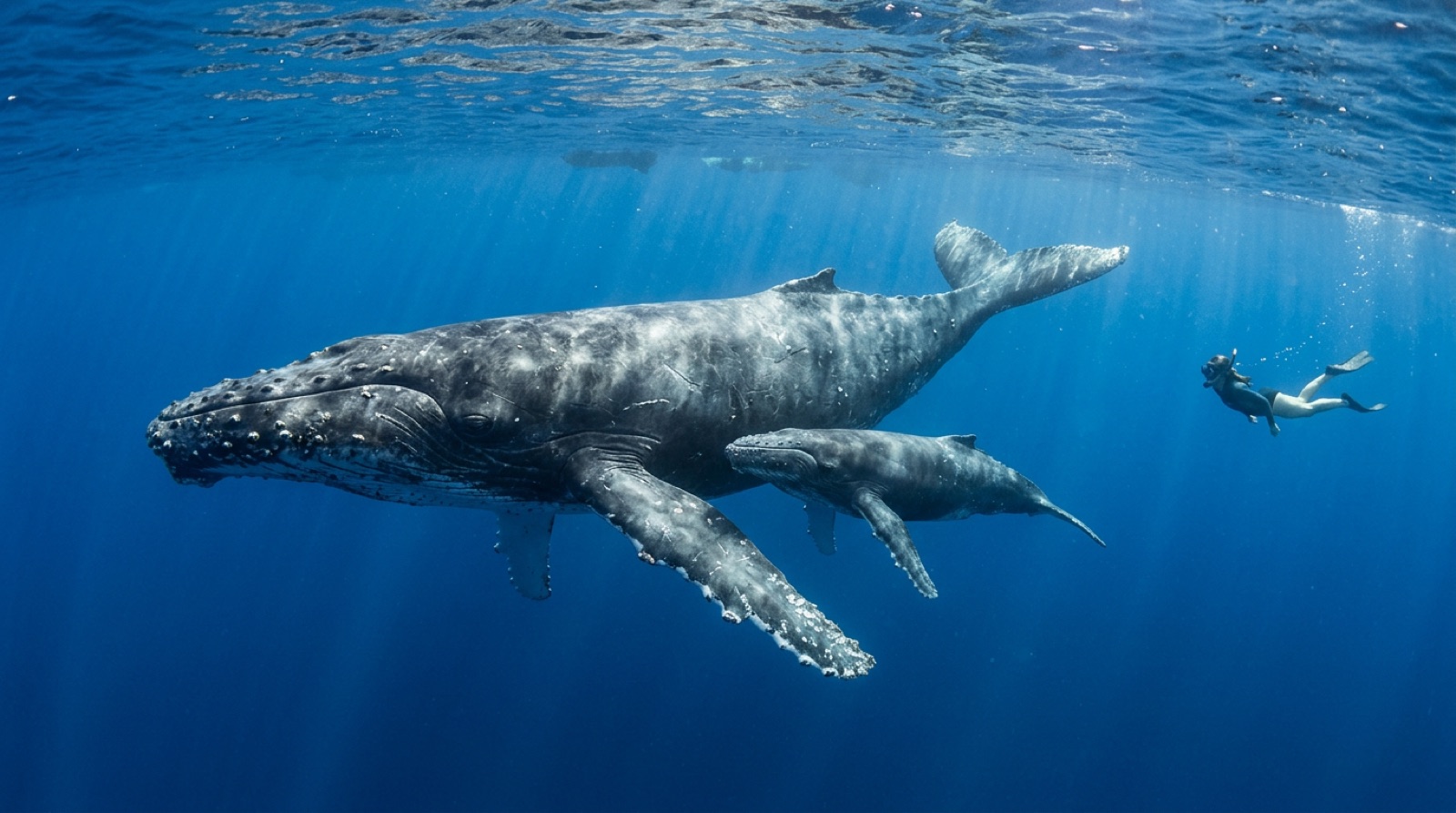
Tonga's claim on the diving world is the humpback whale. Each austral winter, humpbacks migrate up from Antarctic waters to breed and calve in the sheltered channels of Vavaʻu, and Tonga is one of the very few countries where licensed operators may put small groups in the water with them: snorkel encounters, tightly regulated, that rank among the most moving hours available in the ocean. The scuba itself deserves more press than it gets: limestone caves like Swallows and Mariner's, hard-coral gardens in clear water, and reef passes with barely another boat in sight. The kingdom runs at its own pace (nearly everything pauses on Sundays), and that unhurried rhythm becomes part of the trip.
The registry destination is Vavaʻu, the northern island group whose maze of sheltered waterways hosts both the whale season and most dive operations, based in Neiafu. Boats work cave sites on the group's western islands, coral gardens and passes through the archipelago, and open-water whale grounds beyond the barrier islands in season.
Expériences emblématiques: Floating at the surface as a mother humpback rises with her calf; shafts of light inside Swallows Cave over a swirl of baitfish; the breath-hold entry into Mariner's Cave's hidden air chamber; whale song audible through the hull and the water on almost every winter dive.
Saisons: The humpback season runs roughly July through October, inside the broader May-November dry season that also brings the calmest, clearest diving. November-April is cyclone season: hotter, wetter, and quieter, with diving still possible around weather. Whale swims are snorkel-only, with licensed operators and strict group rules.
Les destinations
Sites de plongée incontournables
| Site | Destination | Type | Profondeur | Niveau |
|---|---|---|---|---|
| Clan MacWilliam | Vavaʻu | Wreck | 18–30 m | Intermediate |
| Mariner's Cave | Vavaʻu | Cave | 0–12 m | Intermediate |
| Swallows Cave | Vavaʻu | Cave | 0–18 m | Beginner |
Chaque site répertorié en Tonga →
Vie marine
Le dossier pratique
Comment s'y rendre: Fly to Fuaʻamotu International (TBU) on Tongatapu via Auckland, Fiji, or Sydney, then take the domestic hop to Vavaʻu (VAV); limited regional links to Vavaʻu have operated seasonally. Inter-island schedules are thin, so pad connections.
Entrée & visas: Visitors from many countries receive entry permission on arrival for short tourist stays; verify current requirements with Tongan authorities before travel.
Le coût de la plongée: Two-tank dives commonly price around US$120-180, and licensed whale-swim day trips carry a clear premium on top; remote-island logistics keep overall costs at the upper-middle of the Pacific range.
Langue: Tongan and English are official; English is spoken throughout the tourism industry.
Pourboires: Tipping is not part of Tongan custom and is never expected; a warm thank-you or a modest crew gift after a whale season trip lands well.
Sécurité en voyage: Tonga is safe, conservative, and deeply Sabbatarian. Expect nearly everything, diving included, to stop on Sundays, and dress modestly in villages. Cyclone season deserves flexible plans, and the 2022 volcanic eruption showed the region's geologic reality without changing day-to-day visitor safety. In-water whale rules exist for the animals' protection; follow the guides exactly.
Couverture caisson hyperbare: No recompression chamber can be counted on in-country; serious cases are evacuated, typically toward Fiji or New Zealand. Evacuation-grade dive insurance is essential, with DAN coordinating emergencies.