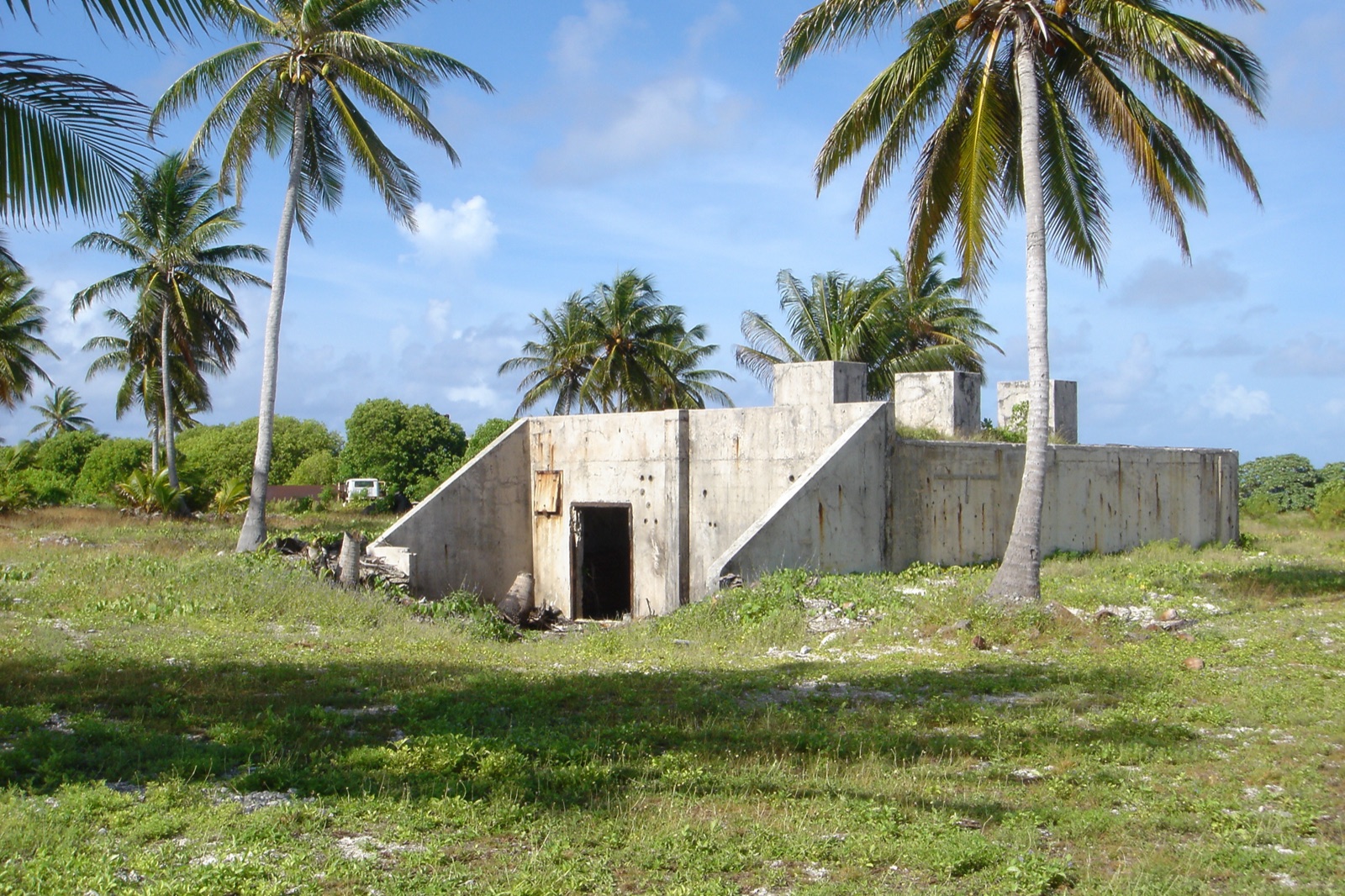
Bikini Atoll
Bikini Atoll is expedition wreck diving, plainly stated: a nuclear test lagoon holding the sunken target fleet of 1946's Operation Crossroads, including the aircraft carrier USS Saratoga and the Japanese battleship Nagato. The wrecks lie mostly at 45–55 meters, trips run only by liveaboard, and technical certification is the entry ticket. For qualified divers it is among the most extraordinary underwater destinations anywhere.
Pourquoi plonger ici
In July 1946 the United States detonated two atomic bombs over and under a fleet of surplus warships anchored at Bikini; later thermonuclear tests through 1958 kept the atoll closed to its displaced people. The result, for divers, is a museum no one else can visit casually: a 270-meter aircraft carrier upright on the lagoon floor with aircraft and ordnance still aboard, the flagship from which the Pearl Harbor attack order went out lying upturned nearby, and destroyers and submarines scattered across the anchorage. This is decompression diving in a place days from help: normoxic trimix or equivalent training, redundant gas, and disciplined teams are standard, and operators vet certifications hard. Radiation is the question everyone asks: assessments have found short visits pose minimal external dose, and dive teams live aboard, eating imported food; the lingering contamination problem is in the atoll's soil and food chain, which is why Bikinians still cannot resettle. Seasons, boats, and access logistics change frequently. Verify the current operator situation before planning.
Les sites de plongée (3)
| Site | Type | Profondeur | Niveau | Accès | |
|---|---|---|---|---|---|
| HIJMS Nagato The four propellers; 41-cm gun muzzles beneath the inverted bow; the… | Wreck | 33–52 m | Technical | Liveaboard | |
| Prinz Eugen An essentially complete WWII heavy cruiser; torpedo tubes and armament… | Wreck | 0–35 m | Advanced | Boat | |
| USS Saratoga The island and bridge; aircraft and ordnance in the hangar; a flight deck… | Wreck | 18–52 m | Technical | Liveaboard |
Épaves ici
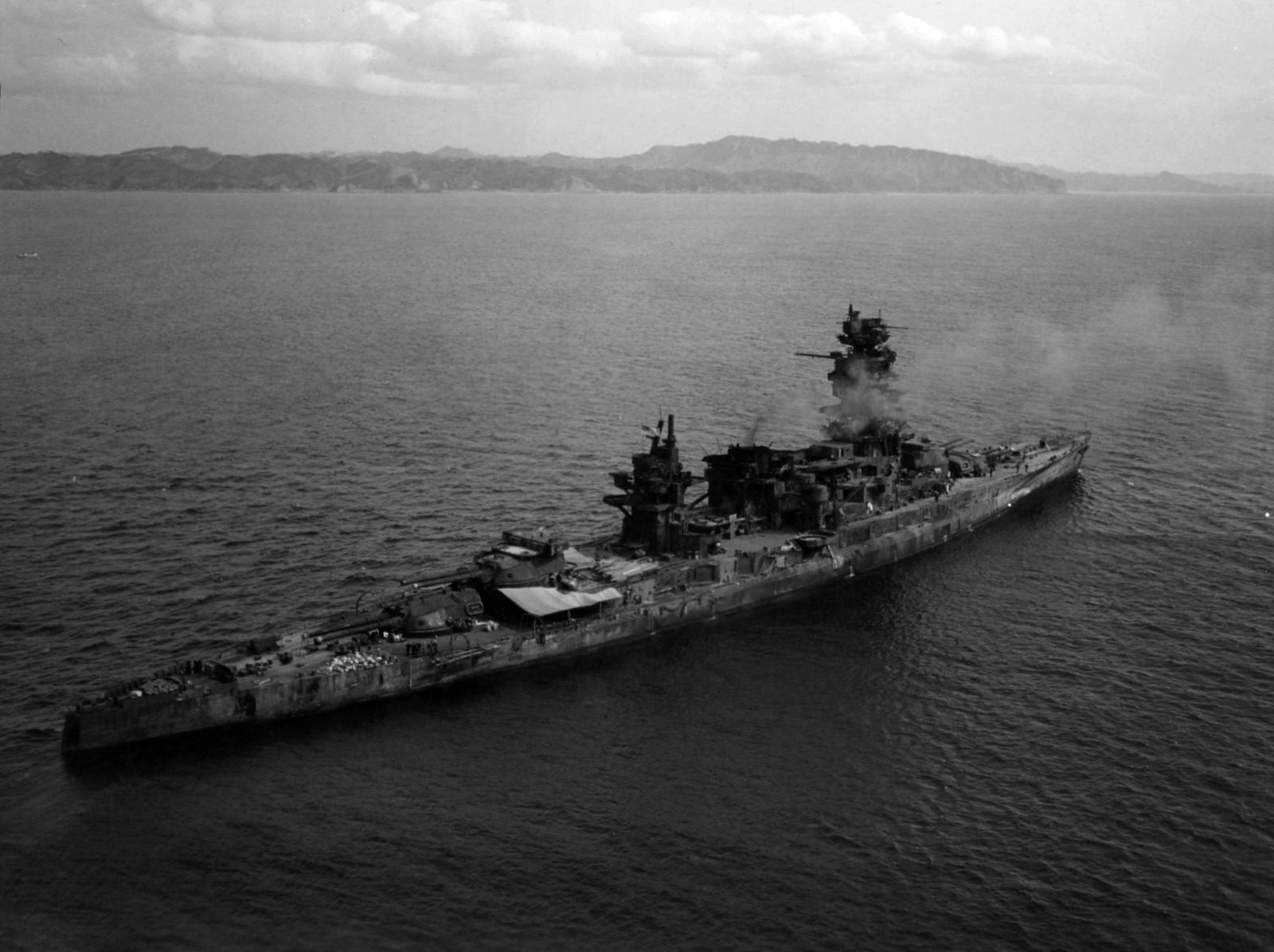
HIJMS Nagato
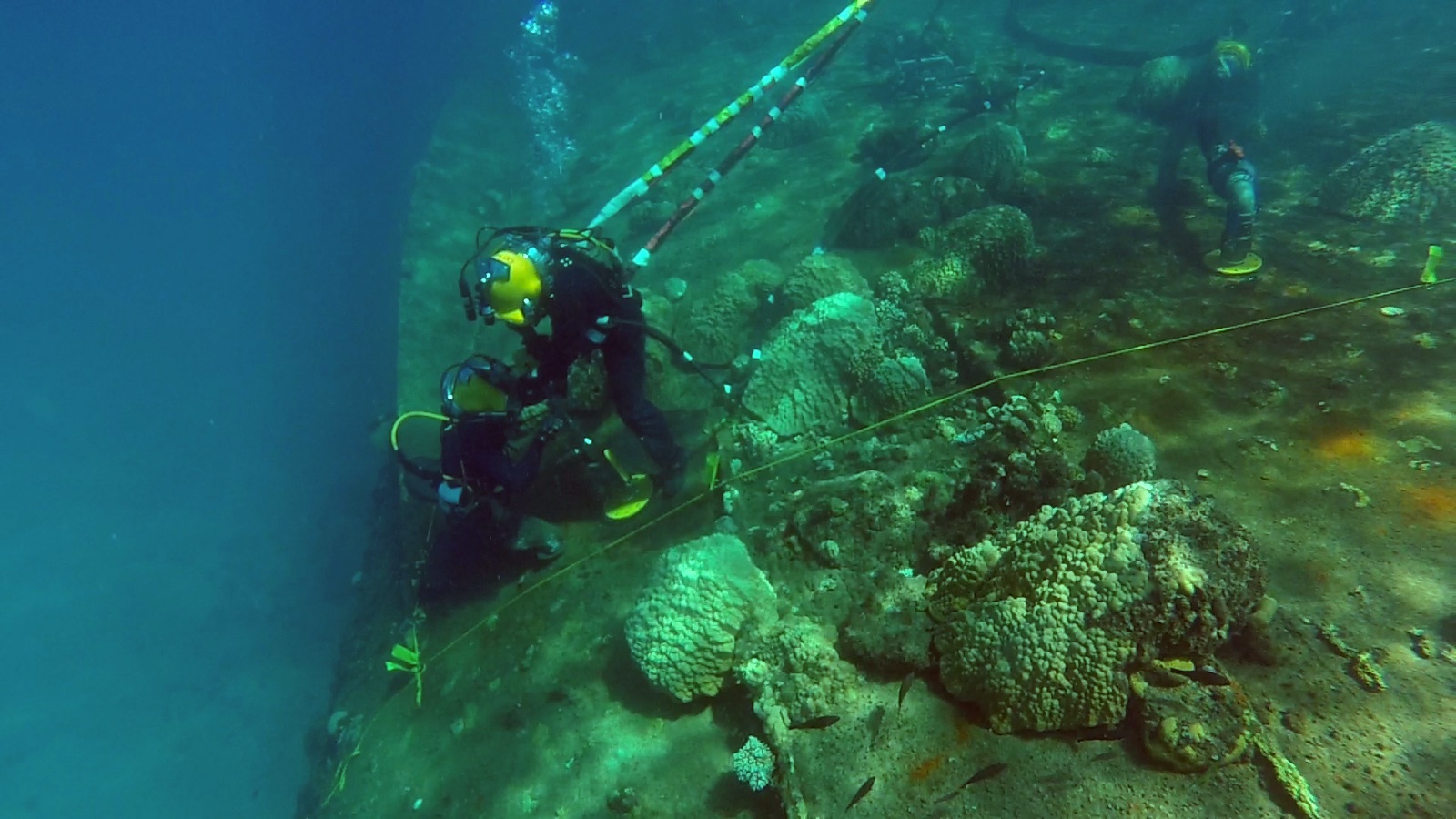
Prinz Eugen
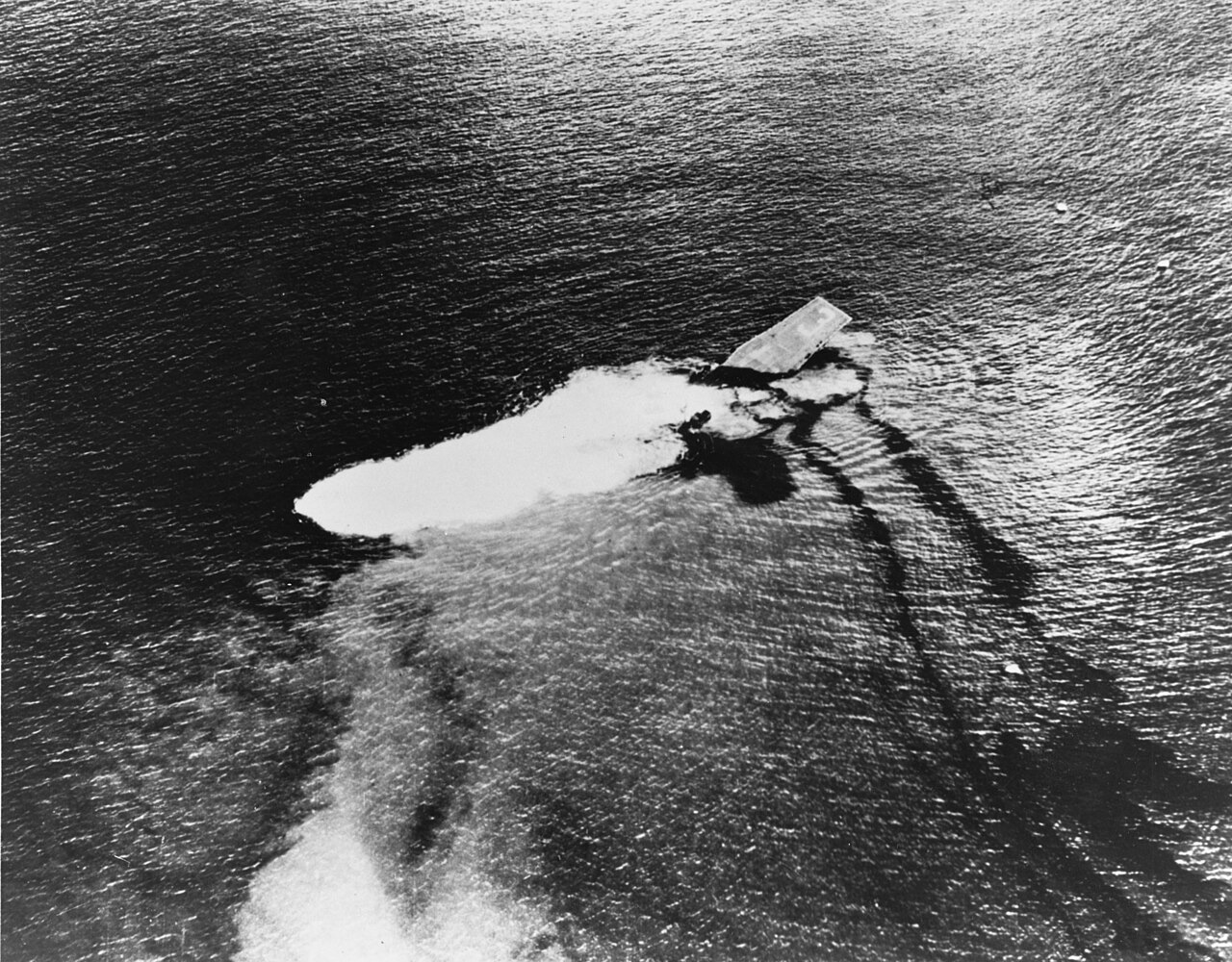
USS Saratoga
Comment s'y rendre & se loger
Comment s'y rendre: Expeditions have typically staged from Kwajalein Atoll, reached on United's Honolulu–Guam island-hopper, with guests transferring to the liveaboard for the overnight passage to Bikini. Logistics are operator-managed and change; do not improvise this trip.
Où séjourner: There are no shoreside visitor facilities at Bikini; the liveaboard is accommodation, dive platform, and hospital-distance calculator all at once.
Liveaboards: Liveaboard is the only mode. Boats carry technical gases and rebreather support; confirm helium and sorb availability when booking.
Coûts: Liveaboard expeditions only; with charter berths, gases, and island-hopper flights, total costs commonly reach five figures per trip. Editorial estimate. Pricing varies by operator and year.
Entre les plongées: Essentially none: the atoll is unpopulated apart from caretakers. The history itself, briefed well by good crews, is the surface interval.
Sécurité & aspects pratiques
Dangers: Depth, mandatory decompression, overhead environments with degrading steel, munitions and fuel oil aboard the wrecks, unafraid sharks during long hangs, and extreme remoteness. Every one of these is manageable with training and humility; none forgives shortcuts.
Technical qualifications are required, verified, and meant: this is no place for a first deep wreck. Teams carry redundant gas and deco plans; surface support and oxygen are the only safety net for hundreds of kilometers.
Caisson de recompression le plus proche: No civilian recompression chamber is available at Bikini, and military facilities at Kwajalein cannot be assumed accessible. Evacuation is slow and weather-dependent: plan profiles as if no chamber exists, and route any incident through the operator, EMS, and DAN.