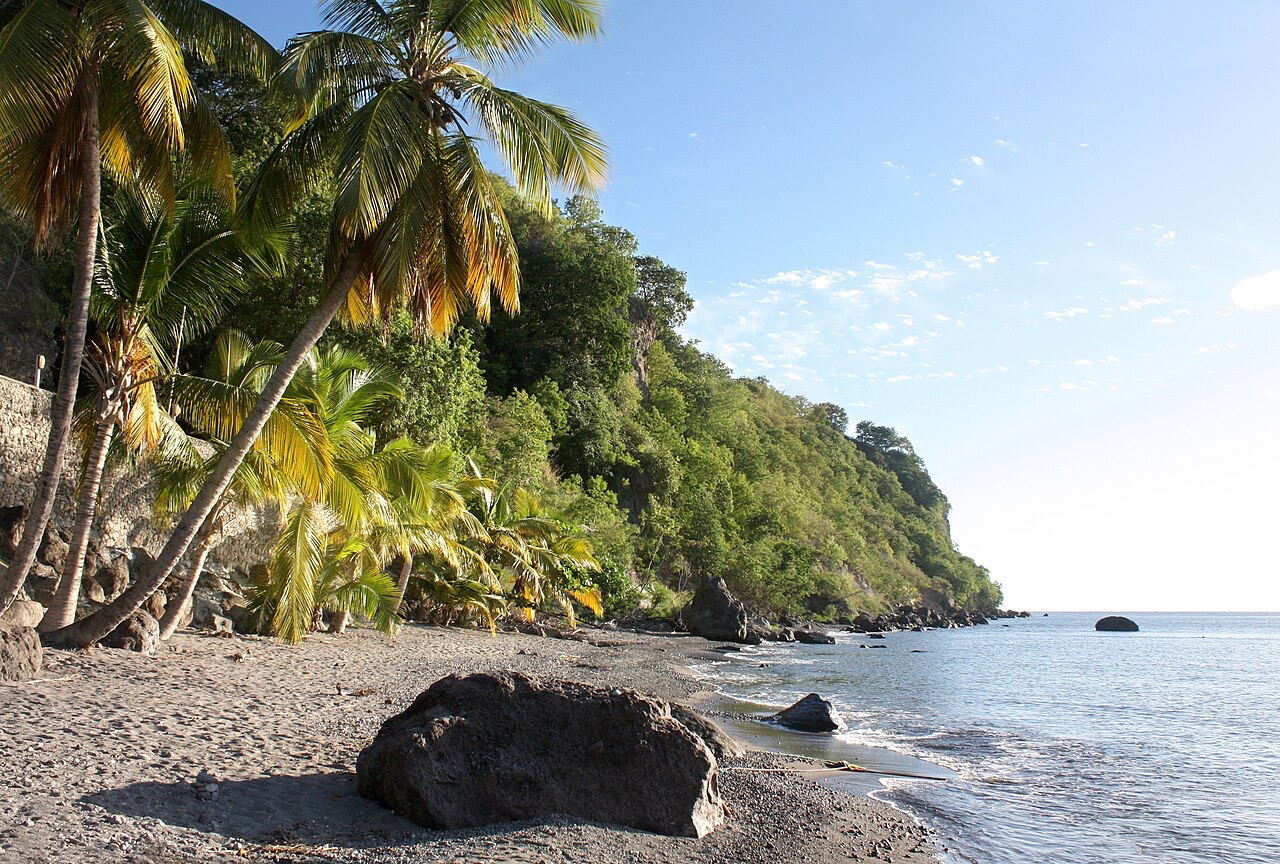
Dominica
Dominica is a volcano range standing in the sea, and its diving reads like its geology. Craters, pinnacles, and walls plunge off the sheltered west coast, warm gas bubbles rise through the shallows at Champagne Reef, and the Soufriere-Scott's Head Marine Reserve protects a drowned caldera rim. Offshore, the island hosts resident sperm whale families, watched from boats and joined in the water only under government permit.
Warum hier tauchen
Few Caribbean islands feel this alive underwater. The southwest sites sit inside a collapsed volcanic crater, so pinnacles rise from dark depths to within a few meters of the surface, and walls like L'Abym fall away with a suddenness more Pacific than Caribbean. Sponges grow huge in the nutrient-rich water, creole wrasse stream over the ridges in purple rivers, and the black sand pockets shelter frogfish, seahorses, and other slow-hunting oddities that give the island real macro credentials. At Champagne Reef, geothermal vents stream warm bubbles past snorkelers and divers alike, a reminder that the volcano is only sleeping. Above the surface the island is all rainforest, gorges, and hot springs, and its sperm whales, present in all seasons and most reliable from November to March, make it one of the only places on Earth where seeing the world's largest toothed predator is a reasonable expectation rather than luck.
Monat für Monat
The drier December-May stretch offers the calmest seas; sperm whale encounters are most consistent November-March. June-November is wetter, with hurricane risk peaking late summer.
| Monat | Wasser | Sichtweite | Wie es sich anfühlt |
|---|---|---|---|
| January●●●●● | 26–27 °C / 79–81 °F | 20–30 m | Whale season and settled seas. |
| February●●●●● | 26–27 °C / 79–81 °F | 20–30 m | |
| March●●●●● | 26–27 °C / 79–81 °F | 20–30 m | |
| April●●●●● | 26–28 °C / 79–82 °F | 20–30 m | |
| May●●●●○ | 27–28 °C / 81–82 °F | 15–30 m | |
| June●●●○○ | 27–29 °C / 81–84 °F | 15–25 m | Wet season builds. |
| July●●●○○ | 28–29 °C / 82–84 °F | 15–25 m | |
| August●●●○○ | 28–30 °C / 82–86 °F | 15–25 m | Hurricane risk rises. |
| September●●○○○ | 28–30 °C / 82–86 °F | 10–25 m | Peak storm season; heavy rain can cloud the shallows. |
| October●●●○○ | 28–29 °C / 82–84 °F | 10–25 m | |
| November●●●●○ | 27–28 °C / 81–82 °F | 15–30 m | Whales become dependable again. |
| December●●●●○ | 26–28 °C / 79–82 °F | 20–30 m |
Konfidenz der Monatswerte: Editorial estimate. Monate ohne Zeile haben keine verifizierten Daten. Wir zeigen lieber eine Lücke, als eine zu erfinden.
Die Tauchplätze (5)
| Tauchplatz | Typ | Tiefe | Level | Zugang | |
|---|---|---|---|---|---|
| Champagne Reef Swimming through volcanic bubble streams, warm vents, seahorse hunting on… | Reef | 3–15 m | Beginner | Shore | |
| Dangleben's Pinnacles Torrents of creole wrasse, sponge-studded volcanic towers | Pinnacle | 9–35 m | Intermediate | Boat | |
| L'Abym True vertical wall off a village shoreline, black coral and sponge tapestry | Wall | 10–40 m | Advanced | Boat | |
| Scott's Head Pinnacle Soldierfish-packed swim-through, summit-to-depths pinnacle profile | Pinnacle | 3–35 m | Intermediate | Boat | |
| Toucari Caves Daylight lava tunnels, ceilings packed with sweepers and soldierfish | Cave | 4–18 m | Beginner | Boat |
Meeresleben, das du einplanen kannst
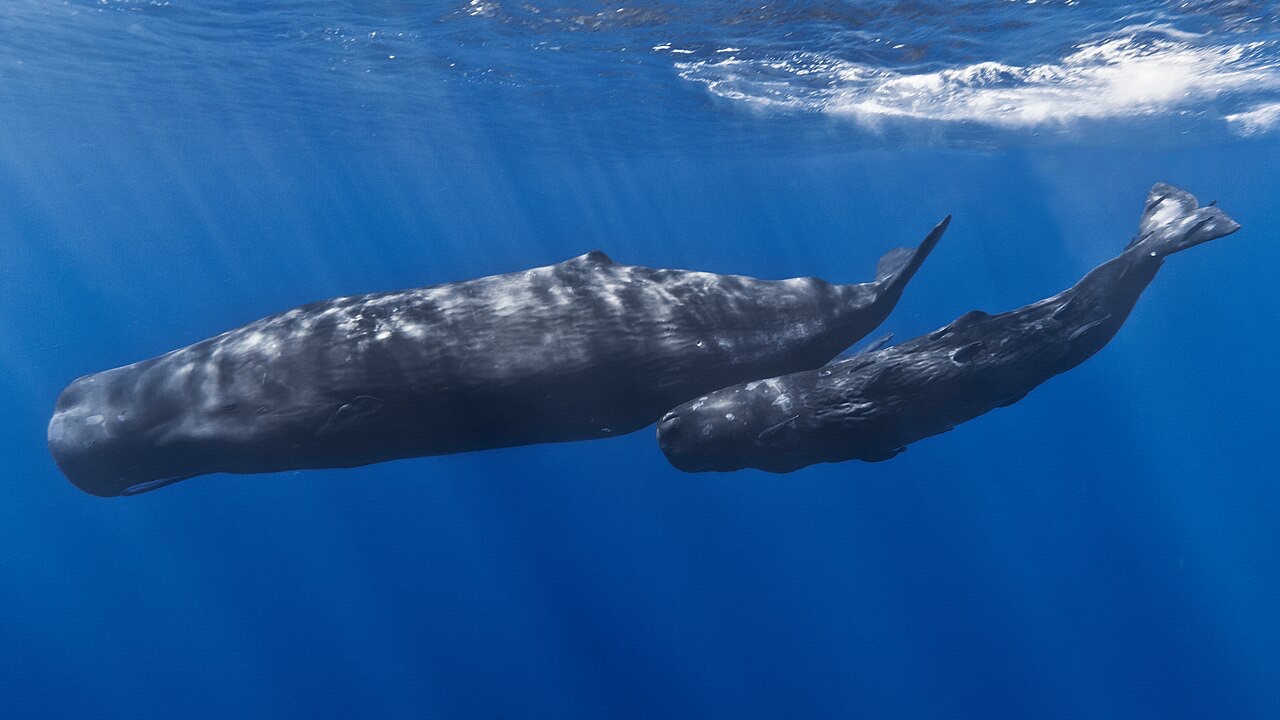
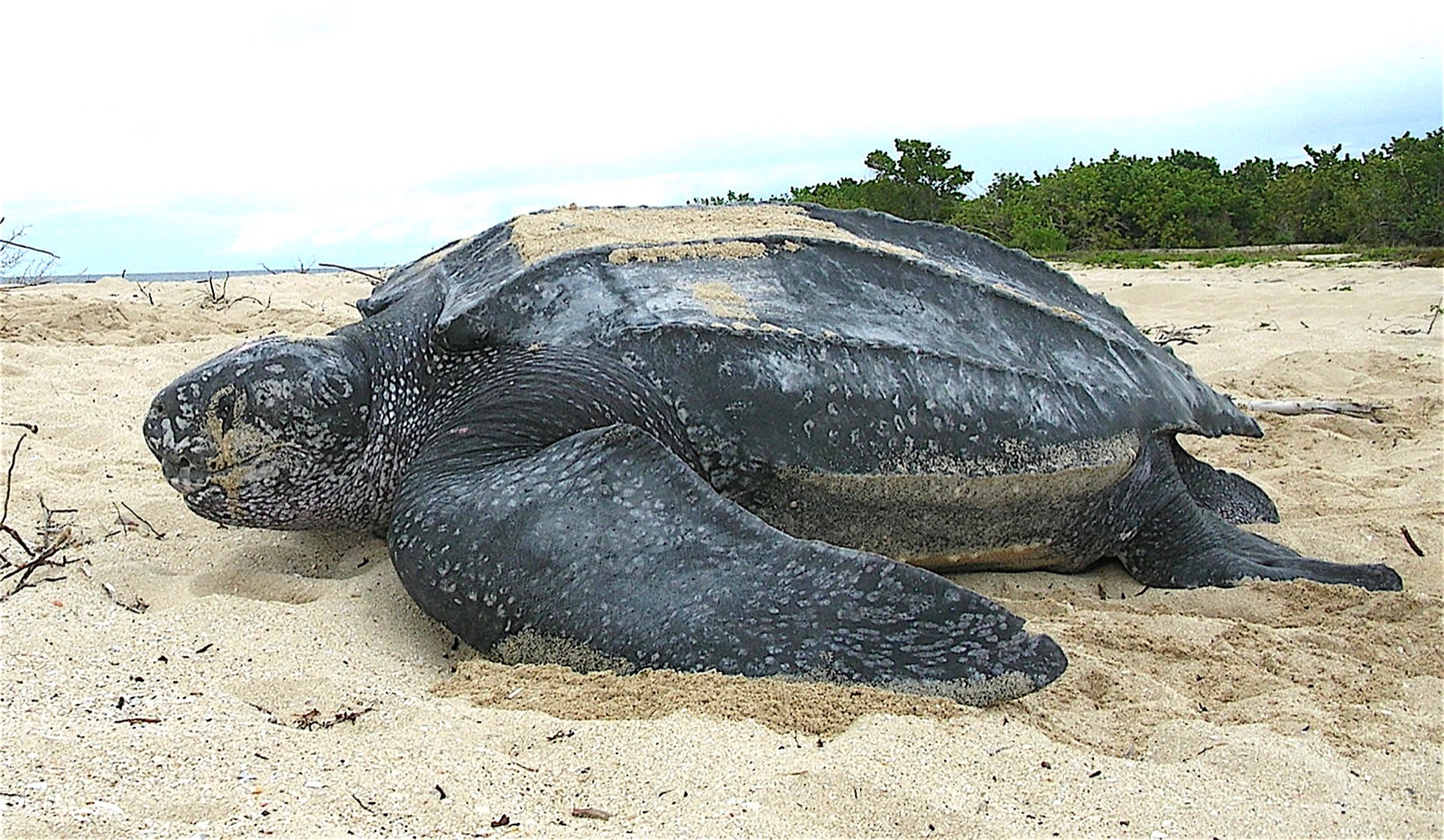
Volcanic slopes hold frogfish, longsnout seahorses, and flying gurnards in the black sand, with hawksbill turtles and barracuda along the reef lines. Creole wrasse and blackbar soldierfish define the pinnacles. Offshore live the island's famous resident sperm whale clans, protected and managed by permit.
Anreise & Unterkunft
Anreise: Reach Dominica by regional flights from Caribbean hubs such as Antigua, Barbados, San Juan, or Sint Maarten, or by ferry from Guadeloupe and Martinique. Most dive operators cluster around Roseau and Soufriere in the southwest.
Wo übernachten: Base near Roseau or Soufriere for the shortest rides to the marine reserve; small lodges and dive-focused hotels dominate rather than large resorts.
Kosten: Editorial estimate; confirm current rates. Marine reserve user fees are additional but modest.
Zwischen den Tauchgängen: Boiling Lake hikes, waterfalls and hot springs, rainforest birding for the endemic parrots, and boat-based whale watching.
Sicherheit & Praktisches
Gefahren: Sudden depth on walls and pinnacles; occasional surge on shallow volcanic ledges; heavy rain events can wash sediment over nearshore sites.
The bottom drops fast here; brief your depth plan carefully, especially at L'Abym and the outer pinnacles.
Nächste Rekompressionskammer: Dominica has not maintained its own recompression chamber in recent years; cases typically evacuate to neighboring islands. Emergencies go through EMS and DAN first.