Jardines de la Reina
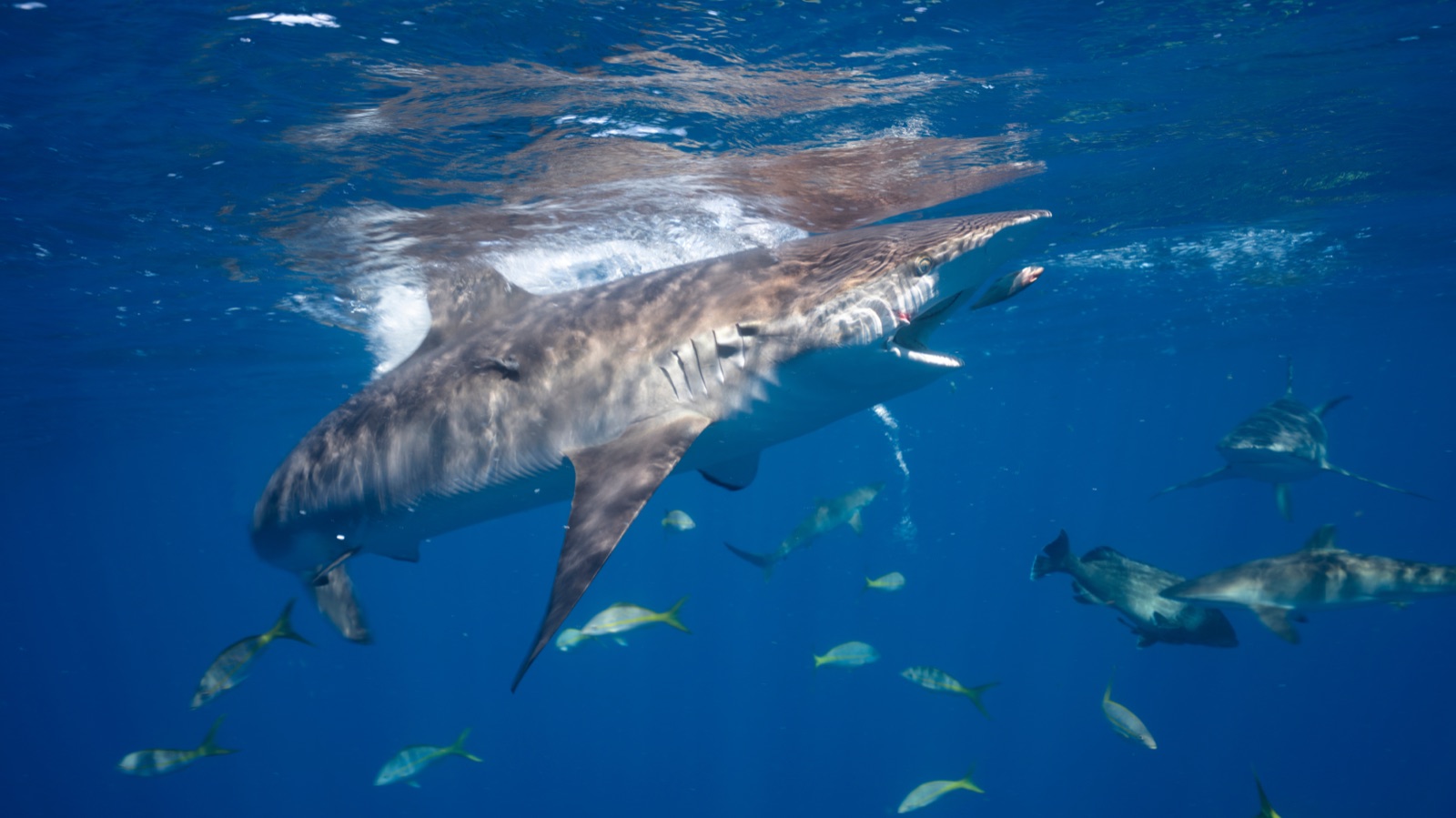
Jardines de la Reina, the Gardens of the Queen, is a 100-plus-kilometer sweep of mangrove cays and reef off Cuba's southern coast, protected as a marine park since the 1990s and reachable only by liveaboard or floating lodge out of the small port of Jucaro. Tight limits on diver numbers and a long fishing ban have preserved what much of the Caribbean has lost: sharks on nearly every dive and groupers of startling size.
Por qué bucear aquí
This is the Caribbean with its large animals still in place. Caribbean reef sharks shadow divers from descent to safety stop, silky sharks stack up under the boats at sites like El Farallon, and Atlantic goliath groupers, rare almost everywhere else in the region, hold court in the channels and wrecks of coral. The reef itself is dense: healthy elkhorn stands in the shallows, gorgonian plains, and coral heads rising from sand in towers and canyons. Between dives, skiffs slip into mangrove creeks where American crocodiles rest in gin-clear water and tarpon roll in the shade. Access runs through a single concession, with itineraries booked months out and diver numbers capped by the park; the reward for the logistics is having a world-class reef system shared with a handful of boats. It is often cited in reef research as a benchmark for what protection can do.
Mes a mes
December through April is the dry, settled season with the most reliable crossings from Jucaro. June through November is hurricane season; summer trips run in hot, glassy spells between systems, with silky sharks especially reliable around the moorings.
| Mes | Agua | Visibilidad | Cómo es |
|---|---|---|---|
| January●●●●● | 26–27 °C / 79–81 °F | 20–35 m | Dry, calm, cooler water; peak bookings. |
| February●●●●● | 26–27 °C / 79–81 °F | 20–35 m | Settled seas; sharks throughout. |
| March●●●●● | 26–28 °C / 79–82 °F | 20–35 m | Prime conditions continue. |
| April●●●●● | 27–28 °C / 81–82 °F | 20–35 m | Warm and calm; end of high season. |
| May●●●●○ | 28–29 °C / 82–84 °F | 20–35 m | Hotter; first rains. |
| June●●●●○ | 28–30 °C / 82–86 °F | 15–30 m | Hurricane season opens; glassy spells. |
| July●●●●○ | 29–30 °C / 84–86 °F | 15–30 m | Hot, still days; silkies under the boats. |
| August●●●○○ | 29–31 °C / 84–88 °F | 15–30 m | Very warm; storm risk climbs. |
| September●●○○○ | 29–31 °C / 84–88 °F | 15–30 m | Peak hurricane months; few departures. |
| October●●●○○ | 28–30 °C / 82–86 °F | 15–30 m | Unsettled; season restarts late. |
| November●●●●○ | 27–29 °C / 81–84 °F | 20–35 m | Drying; crossings settle. |
| December●●●●● | 26–28 °C / 79–82 °F | 20–35 m | High season begins. |
Confianza en los datos mensuales: Documented. Los meses sin fila no tienen datos verificados. Preferimos mostrar una laguna antes que inventarla.
Los puntos de buceo (4)
| Sitio | Tipo | Profundidad | Nivel | Acceso | |
|---|---|---|---|---|---|
| Black Coral I & II Living black-coral thickets, tarpon under the ledges, sharks shadowing the… | Wall | 15–35 m | Intermediate | Liveaboard | |
| El Farallon Coral towers and canyons, reef sharks on patrol, silky sharks crowding the… | Pinnacle | 15–35 m | Intermediate | Liveaboard | |
| Five Seas Goliath grouper encounters, tarpon in the channel shade, tide-driven fish… | Reef | 10–25 m | Intermediate | Liveaboard | |
| Pipin Reliable close-quarters reef sharks, huge groupers, the park's signature… | Reef | 12–25 m | Intermediate | Liveaboard |
Vida marina con la que puedes planificar
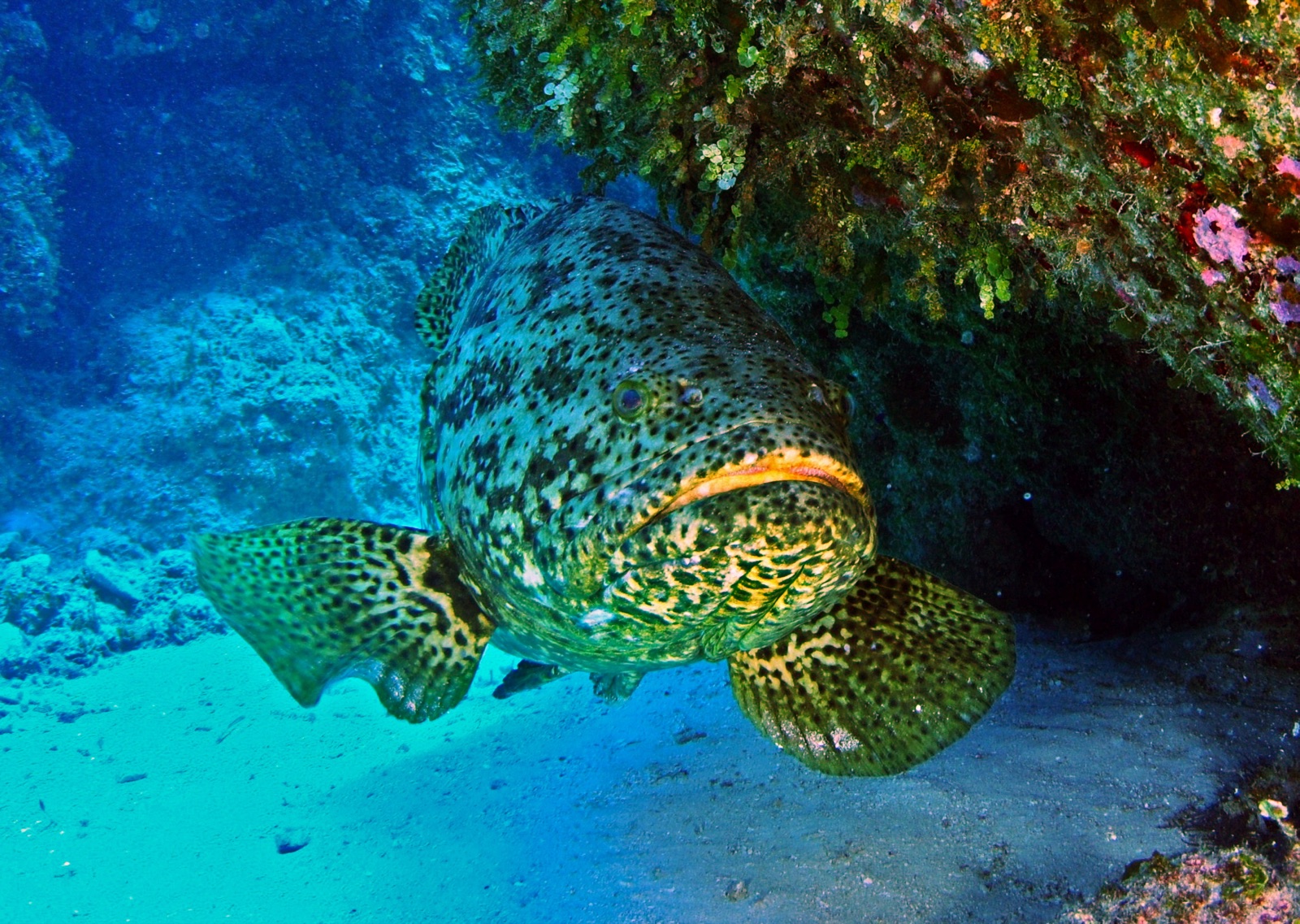
Atlantic Goliath Grouper
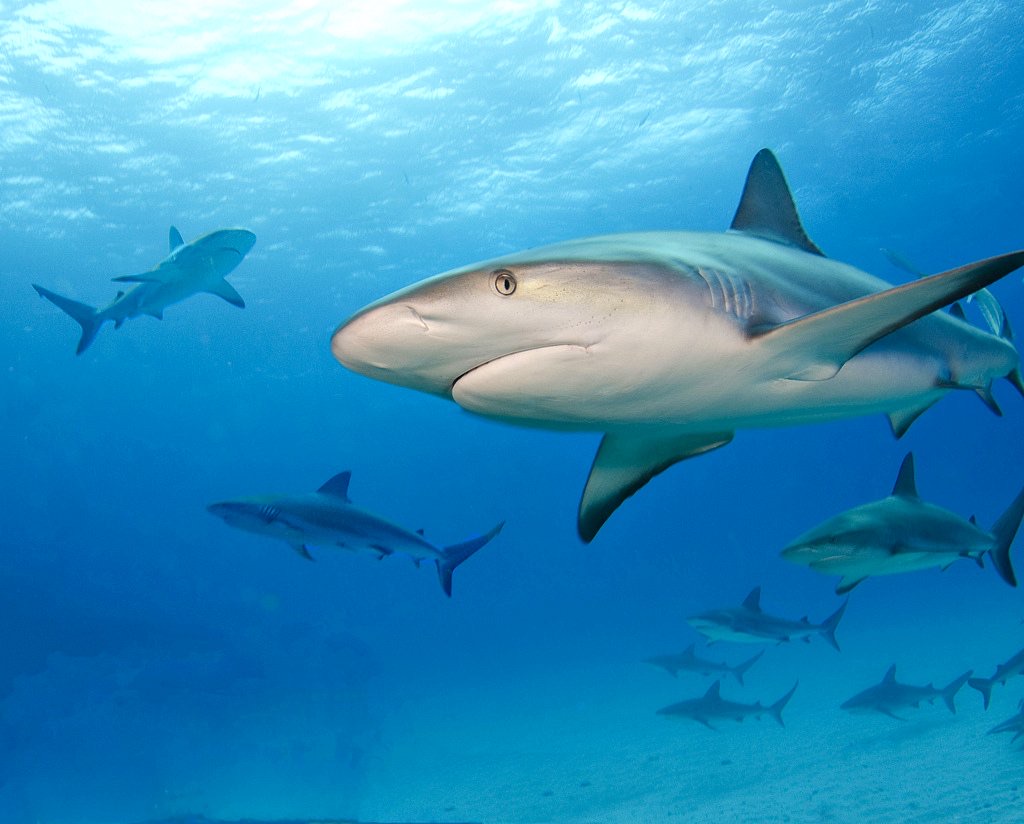
Caribbean Reef Shark
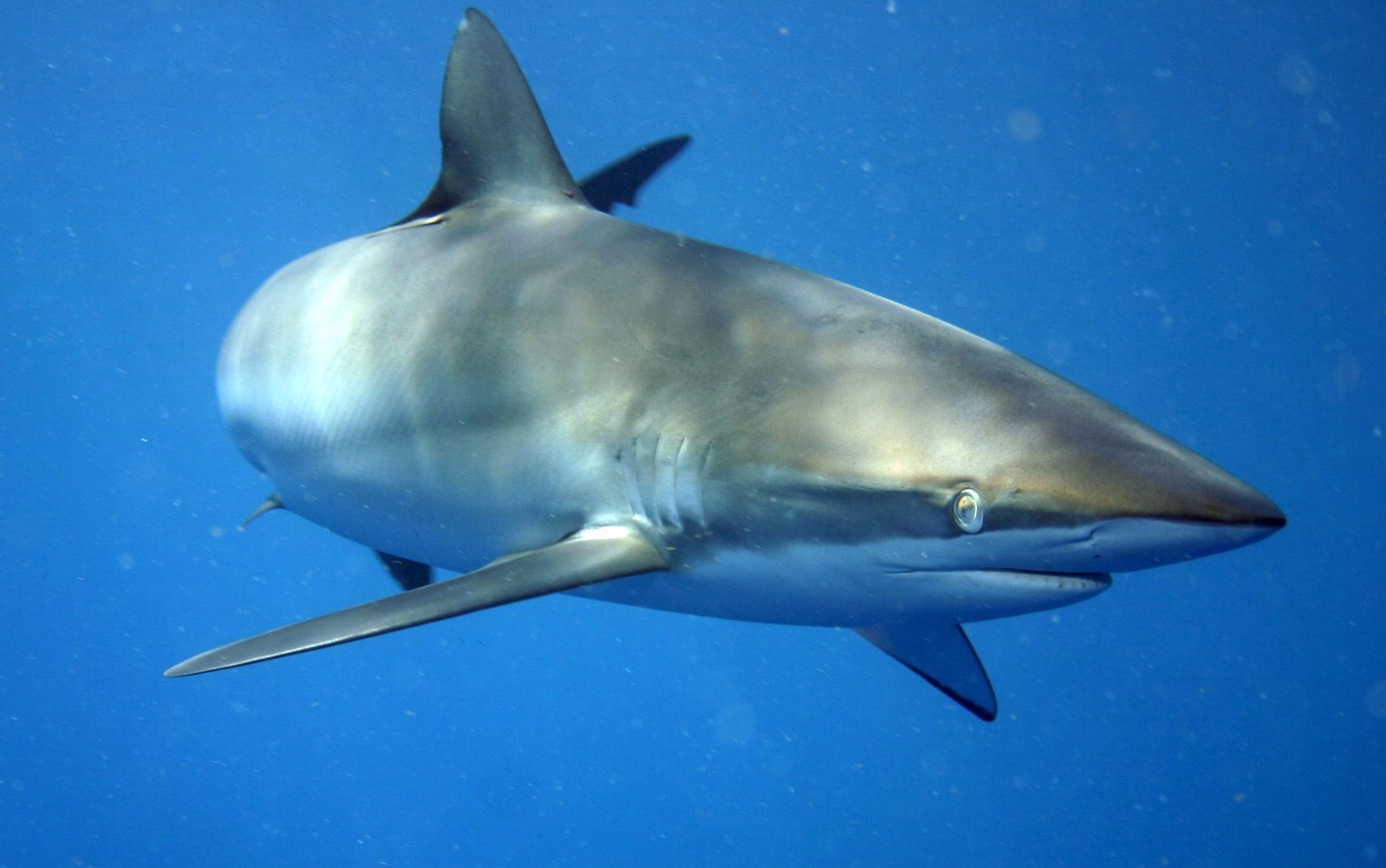
Silky Shark
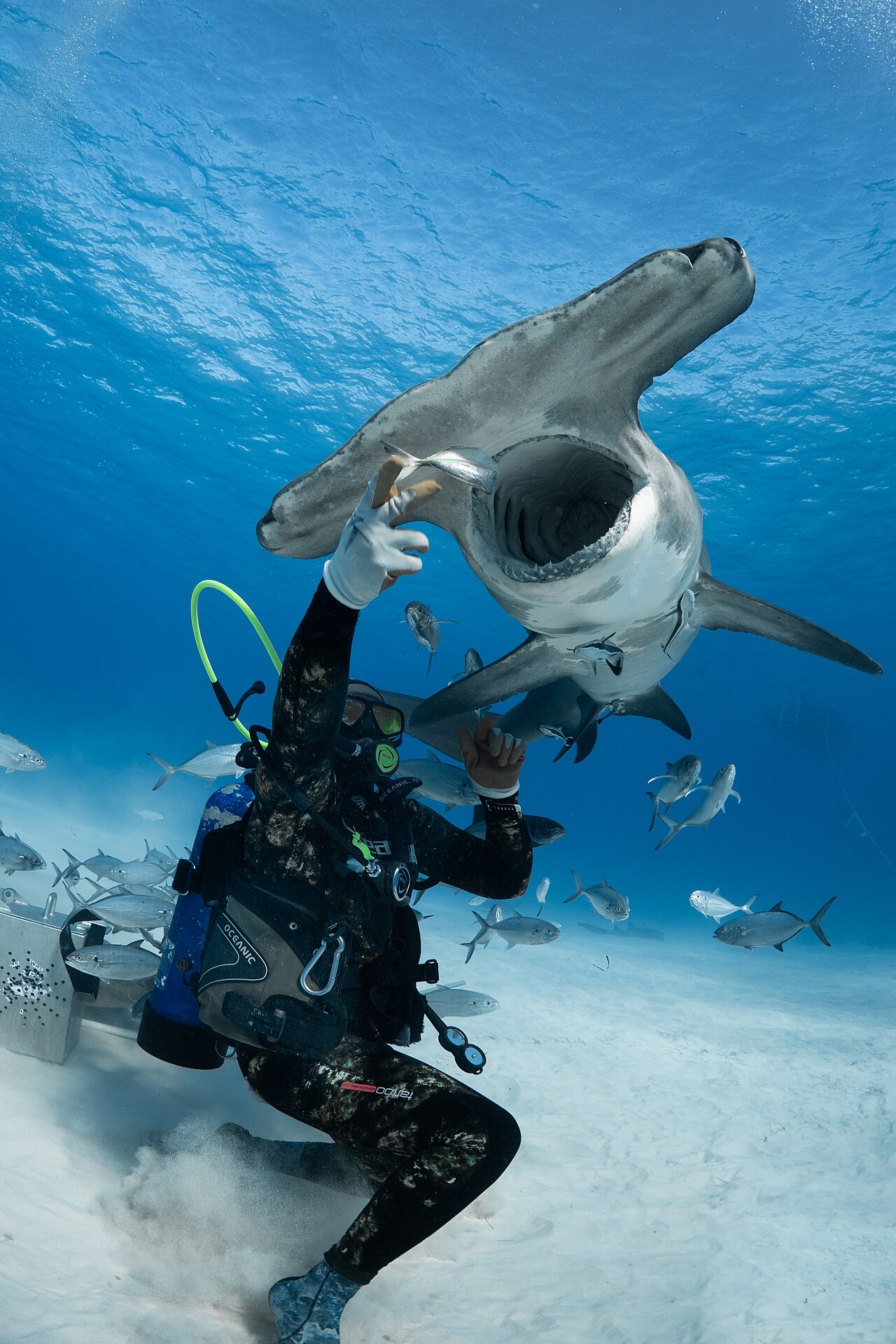
Great Hammerhead
Caribbean reef sharks in numbers on nearly every dive, silky sharks beneath the moored boats, Atlantic goliath groupers, tarpon in the channels, green and hawksbill turtles, and dense snapper and grunt schools over intact coral.
Cómo llegar y dónde alojarse
Cómo llegar: Fly into Havana or Camaguey, ride the operator's bus several hours to Jucaro on the south coast, then cross 80-odd kilometers of shallow sea to the cays. Everything (food, tanks, guides) travels with the boat.
Dónde alojarse: Accommodation is the liveaboard or the Tortuga floating lodge moored among the mangroves; there are no hotels, shops, or towns in the archipelago.
Liveaboards: A single operator concession (Avalon) runs the boats and the Tortuga floating lodge; itineraries include the long transfer from Havana or Camaguey to Jucaro and a multi-hour crossing.
Costes: There is no day diving: berths on the liveaboards and floating lodge typically run several thousand US dollars per week, booked far in advance. US citizens should check current US government rules on travel to Cuba before booking.
Entre inmersiones: Mangrove skiff tours among crocodiles and iguanas, fly-fishing in designated zones, and birdwatching over the cays; this is a trip for people content with boat life.
Seguridad y aspectos prácticos
Riesgos: Remoteness is the defining hazard: the park is hours from the mainland and farther from advanced medical care. Sharks are habituated to boats and sometimes to bait. Briefings matter and hands stay in.
Dive well inside limits here; evacuation to a recompression facility is long and weather-dependent. Follow the guides' shark protocol exactly, keep gauges and cameras close in, and leave the crocodile encounters to the surface skiffs.
Cámara de recompresión más cercana: There is no chamber in the archipelago; serious cases evacuate to mainland Cuba, so conservative profiles and DAN-style evacuation coverage are essential.