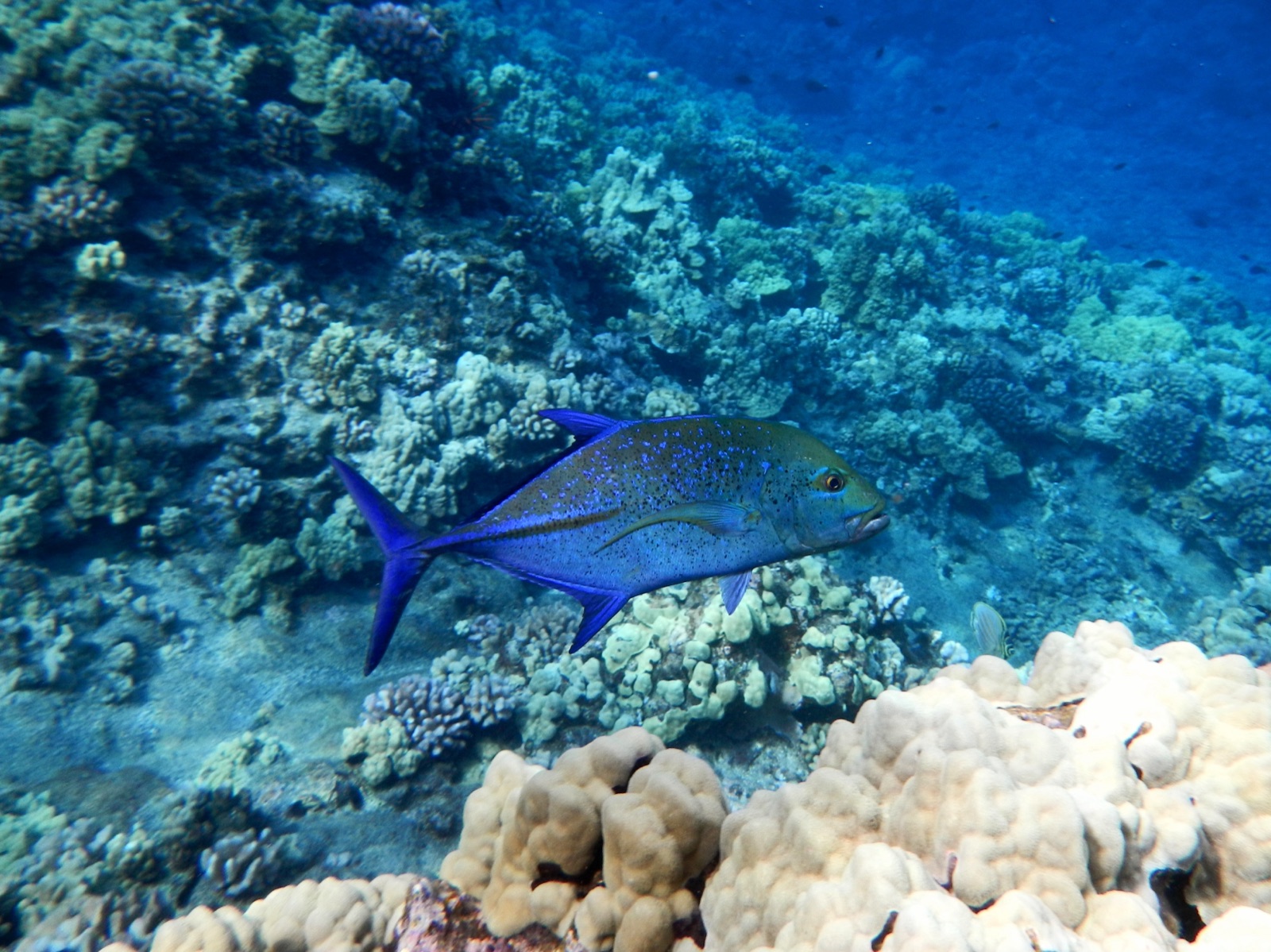
Maui & Molokini
Molokini is a drowned crater rim three miles off Maui's south coast: a crescent of rock protecting a reef bowl of famously clear water, managed as a state Marine Life Conservation District since 1977. Inside is gentle, bright, and busy with morning snorkel boats; outside, the Back Wall drops sheer for well over 60 meters into blue water, one of Hawaiʻi's signature drift dives. Maui's own shoreline adds turtle-thick caverns and a coral-crusted collapsed pier.
Neden buraya dalış yapılır
The crater offers two dives that barely seem related. Inside the crescent, visibility routinely runs past 30 meters over coral gardens at training-friendly depths (garden eels on the sand, endemic butterflyfish, whitetips under ledges), with conditions so reliable that boats run every morning of the year. Wrap around the outside and the bottom disappears: the Back Wall is a vertical drift in open ocean, black coral and fans on the rock, jacks and the odd shark in the blue, and no floor shallower than deep-technical range. Molokini's islet is a seabird sanctuary with no landing allowed, and vessel numbers are managed by permit. Back on Maui, Five Caves at Mākena runs whitetip-and-turtle caverns off a lava point, while Mala Wharf's broken pilings, wrecked by hurricane surf in the early 1990s, have grown into one of Hawaiʻi's most photogenic artificial reefs; check current access on the Lahaina side, which is still recovering from the 2023 wildfire. From December to April, humpbacks sing loudly enough to feel through a wetsuit; in-water approaches are prohibited, and the whales come to the boats often enough anyway.
Aya göre
Morning trips run year-round; trade winds build midday, which is why Molokini is a dawn fixture. Winter brings humpbacks, occasional storms, and slightly cooler water; late spring through fall is the calmest, clearest stretch.
| Ay | Su | Görüş mesafesi | Nasıl bir yer |
|---|---|---|---|
| January●●●●○ | 24–25 °C / 75–77 °F | 25–40 m | Whale season; morning windows still reliable. |
| February●●●●○ | 23–25 °C / 73–77 °F | 25–40 m | Coolest water of the year. |
| March●●●●○ | 24–25 °C / 75–77 °F | 25–40 m | Whales taper late month. |
| April●●●●● | 24–26 °C / 75–79 °F | 25–45 m | Calm season begins. |
| May●●●●● | 25–26 °C / 77–79 °F | 25–45 m | Clear, settled mornings. |
| June●●●●● | 25–27 °C / 77–81 °F | 30–45 m | Prime crater conditions. |
| July●●●●● | 26–27 °C / 79–81 °F | 30–45 m | Tradewind afternoons; glassy dawns. |
| August●●●●● | 26–28 °C / 79–82 °F | 30–45 m | Warmest water arrives. |
| September●●●●● | 26–28 °C / 79–82 °F | 30–45 m | Often the calmest month. |
| October●●●●● | 26–27 °C / 79–81 °F | 25–45 m | Late-season reliability. |
| November●●●●○ | 25–27 °C / 77–81 °F | 25–40 m | First winter systems possible. |
| December●●●●○ | 24–26 °C / 75–79 °F | 25–40 m | Whales return to the channel. |
Aylık verilerin güven düzeyi: Documented. Satırı olmayan ayların doğrulanmış verisi yoktur. Boşluk göstermeyi bir boşluk uydurmaya tercih ederiz.
Dalış noktaları (4)
| Nokta | Tür | Derinlik | Seviye | Erişim | |
|---|---|---|---|---|---|
| Five Caves (Mākena) Sleeping whitetips in the caverns; turtles at cleaning ledges; a shore dive… | Reef | 5–14 m | Intermediate | Shore | |
| Mala Wharf Turtle density under the fallen spans; frogfish and morays on the pilings… | Artificial reef | 3–12 m | Beginner | Shore | |
| Molokini Back Wall A sheer 60-meter-plus face in open ocean; whale song through the water in… | Wall | 10–40 m | Advanced | Boat | |
| Molokini Inner Crater Routine 30-meter-plus visibility; endemic-rich, easygoing reef; conditions… | Reef | 3–25 m | Beginner | Boat |
Önceden plan yapabileceğin deniz yaşamı
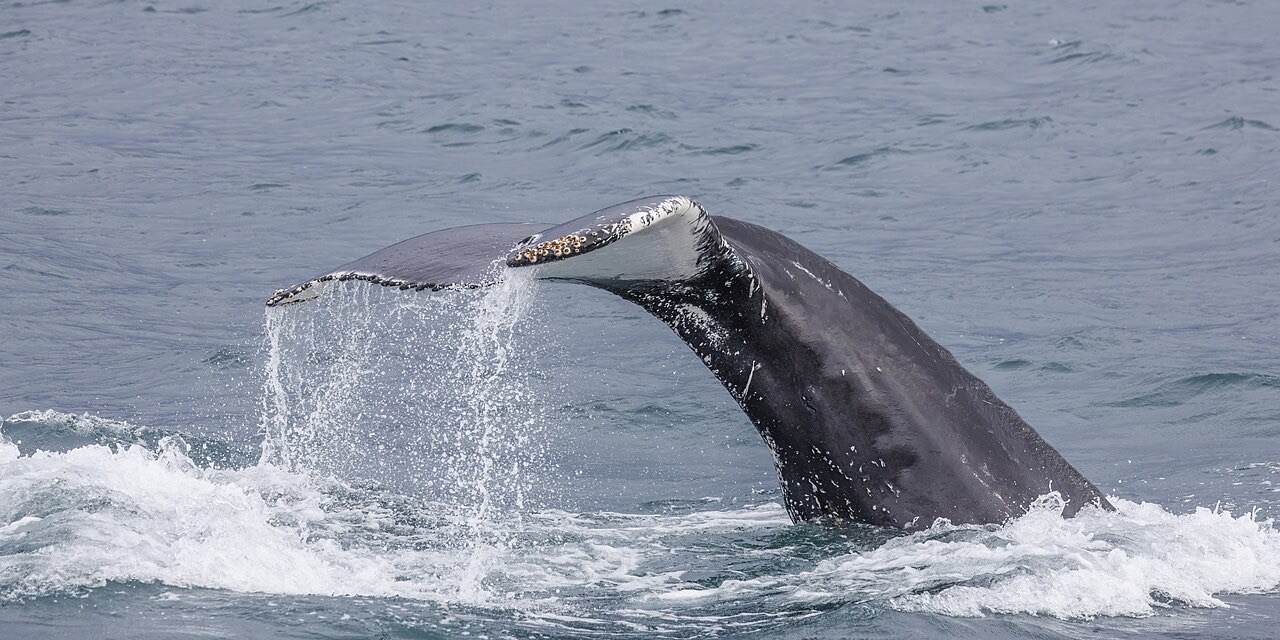
Green turtles in numbers, whitetip reef sharks, garden eels, endemic reef fish, octopus and frogfish for patient eyes, eagle rays and passing pelagics on the Back Wall, and humpbacks winter-long in the channel.
Ulaşım ve konaklama
Oraya ulaşmak: Direct mainland and inter-island flights land at Kahului; Molokini boats leave mostly from Māʻalaea Harbor and Kīhei ramps, 20–40 minutes from the resort areas.
Nerede kalınır: Kīhei and Wailea sit closest to the harbors and the south-shore dive sites; West Maui works too, with more driving. Early starts are the rule: the crater is a morning sea.
Maliyetler: Editorial estimate for a two-tank Molokini charter out of Māʻalaea in 2026; shore diving on Maui itself costs only fills and a guide if you want one.
Dalışlar Arası: The Road to Hāna, Haleakalā sunrise, whale watching in season, upcountry farms, and beach afternoons on some of the state's best sand.
Şnorkelleme: The inner crater is among Hawaiʻi's most popular snorkel destinations. Expect company; divers get the quieter water below the fleet.
Güvenlik & pratik bilgiler
Tehlikeler: Wind and chop building by late morning; strong current and open-ocean exposure on the Back Wall; heavy vessel traffic inside the crater during snorkel hours; surge at Maui shore entries in swell.
The Back Wall is a blue-water drift: carry a DSMB, mind depth over a bottomless drop, and stay with the boat's plan. Inside the crater, watch for descending snorkelers and ascending bubbles alike.
En yakın recompression istasyonu: Hyperbaric treatment for Maui cases means evacuation to Oʻahu; availability changes. Suspected DCS goes through 911/EMS and DAN without delay.