Tubbataha Reefs
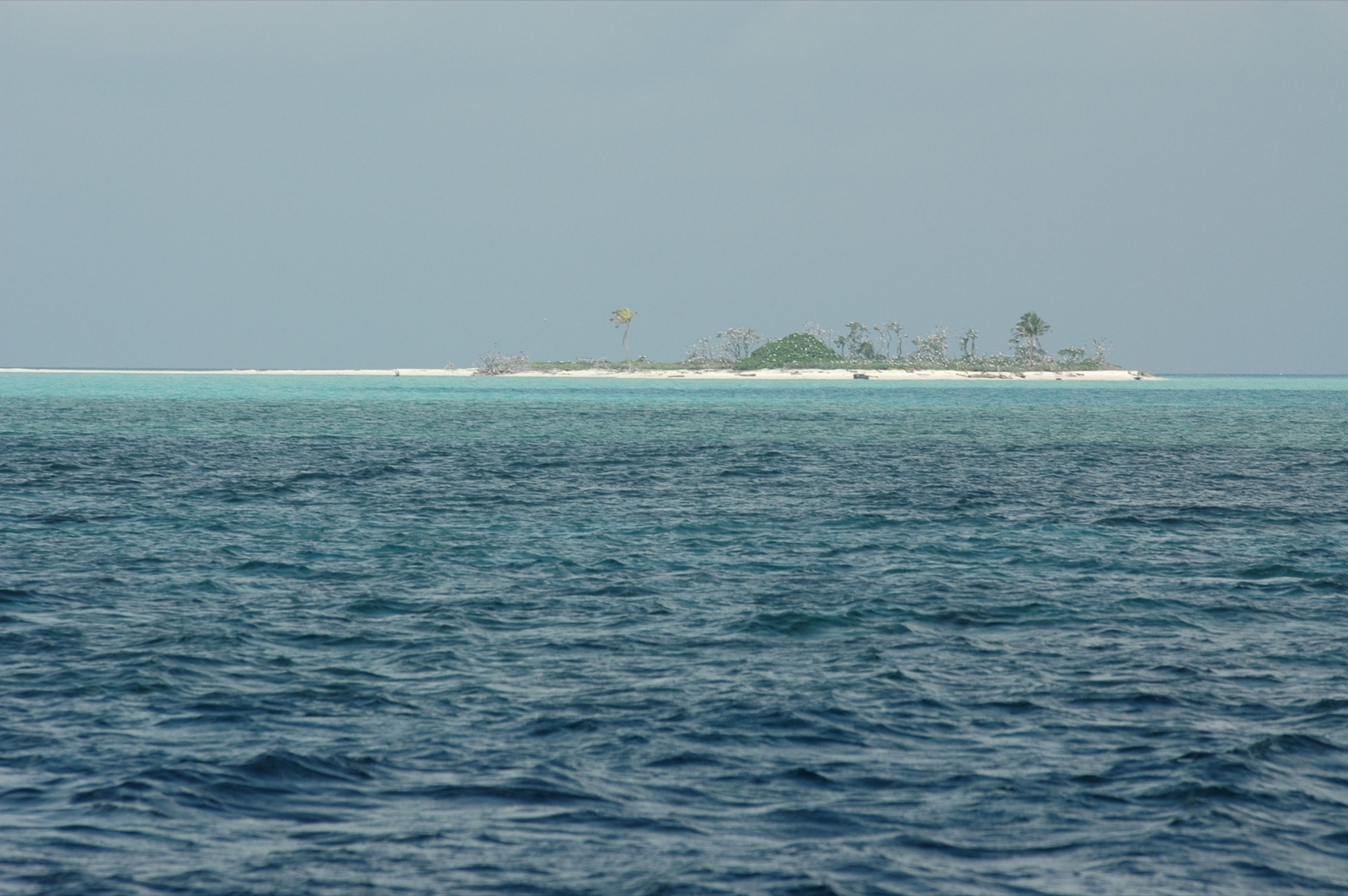
Tubbataha Reefs Natural Park sits in the middle of the Sulu Sea: two coral atolls and a lone outlying reef more than 150 km from the nearest port, with no resort, no village, and a ranger station on stilts. It is reachable only by liveaboard from Puerto Princesa, and only from mid-March to mid-June, when the crossing lies down. Sheer walls, sharks on nearly every dive, and nesting seabirds overhead make it the flagship of Philippine marine conservation.
Почему здесь стоит нырять
The park protects close to 100,000 hectares of open-ocean reef, and the isolation shows underwater. Walls fall away from knee-deep reef flats into deep blue, and the corners of both atolls funnel current past schooling jacks, chevron barracuda, and dogtooth tuna. Whitetip and grey reef sharks appear on almost every dive; tiger sharks, scalloped hammerheads, and whale sharks turn up often enough that guides brief for them. Turtle density is among the highest in the country, and Napoleon wrasse still patrol the drop-offs, a sign of decades of enforced protection since the park's creation in 1988 and UNESCO listing in 1993. Because every boat follows the same short season, the reef gets nine months of rest each year. The trade-off is commitment: an overnight crossing each way, four dives a day from a moving schedule, and weather that can reshuffle the itinerary. For divers with some current experience, it is the Philippines at full volume.
По месяцам
The liveaboard season runs roughly mid-March to mid-June, between the northeast and southwest monsoons; exact opening and closing dates shift by a week or two each year with the weather.
| Месяц | Вода | Видимость | Как это выглядит |
|---|---|---|---|
| January●○○○○ | — | — | Closed season; the open crossing is too exposed to the amihan. |
| February●○○○○ | — | — | Still off-season, with no liveaboard departures. |
| March●●●●○ | 27–29 °C / 81–84 °F | 15–35 m | The season opens around mid-month as the northeast wind fades. |
| April●●●●● | 28–30 °C / 82–86 °F | 20–40 m | Prime weeks: settled seas and the longest sight lines of the year. |
| May●●●●● | 28–30 °C / 82–86 °F | 20–40 m | Peak conditions hold; plankton pulses can pull in whale sharks. |
| June●●●○○ | 28–30 °C / 82–86 °F | 15–30 m | Final departures; trips wrap up by mid-June ahead of the habagat. |
| July●○○○○ | — | — | Southwest monsoon; the park sees only rangers and researchers. |
| August●○○○○ | — | — | No diving, with monsoon swell washing both atolls. |
| September●○○○○ | — | — | Closed to dive traffic through the wet season. |
| October●○○○○ | — | — | Seas can flatten between monsoons, but no trips run. |
| November●○○○○ | — | — | The amihan builds and boats work other coasts. |
| December●○○○○ | — | — | No season; the park rests until March. |
Достоверность месячных данных: Well documented. Месяцы без строки не имеют верифицированных данных. Мы предпочтём показать пробел, а не придумать данные.
Места для дайвинга (6)
| Место | Тип | Глубина | Уровень | Доступ | |
|---|---|---|---|---|---|
| Amos Rock Giant sea fans, resident Napoleon wrasse, painterly wall scenery | Wall | 5–40 m | Intermediate | Liveaboard | |
| Delsan Wreck Barracuda and jack tornadoes, shark traffic on the corner, big-animal… | Wall | 5–40 m | Advanced | Liveaboard | |
| Jessie Beazley Reef Exceptional visibility, a complete reef in one dive, pelagic surprises in… | Reef | 3–40 m | Intermediate | Liveaboard | |
| Malayan Wreck Blacktips hunting the flats, an above-water landmark, easygoing wall diving | Wall | 3–35 m | Intermediate | Liveaboard | |
| Shark Airport Rows of resting whitetips on sand, grey reef sharks off the wall, chance of… | Wall | 5–40 m | Intermediate | Liveaboard | |
| Washing Machine Roller-coaster surge channels, sharks in the grooves, vigorous hard coral | Reef | 5–30 m | Advanced | Liveaboard |
Морская жизнь, вокруг которой можно строить планы
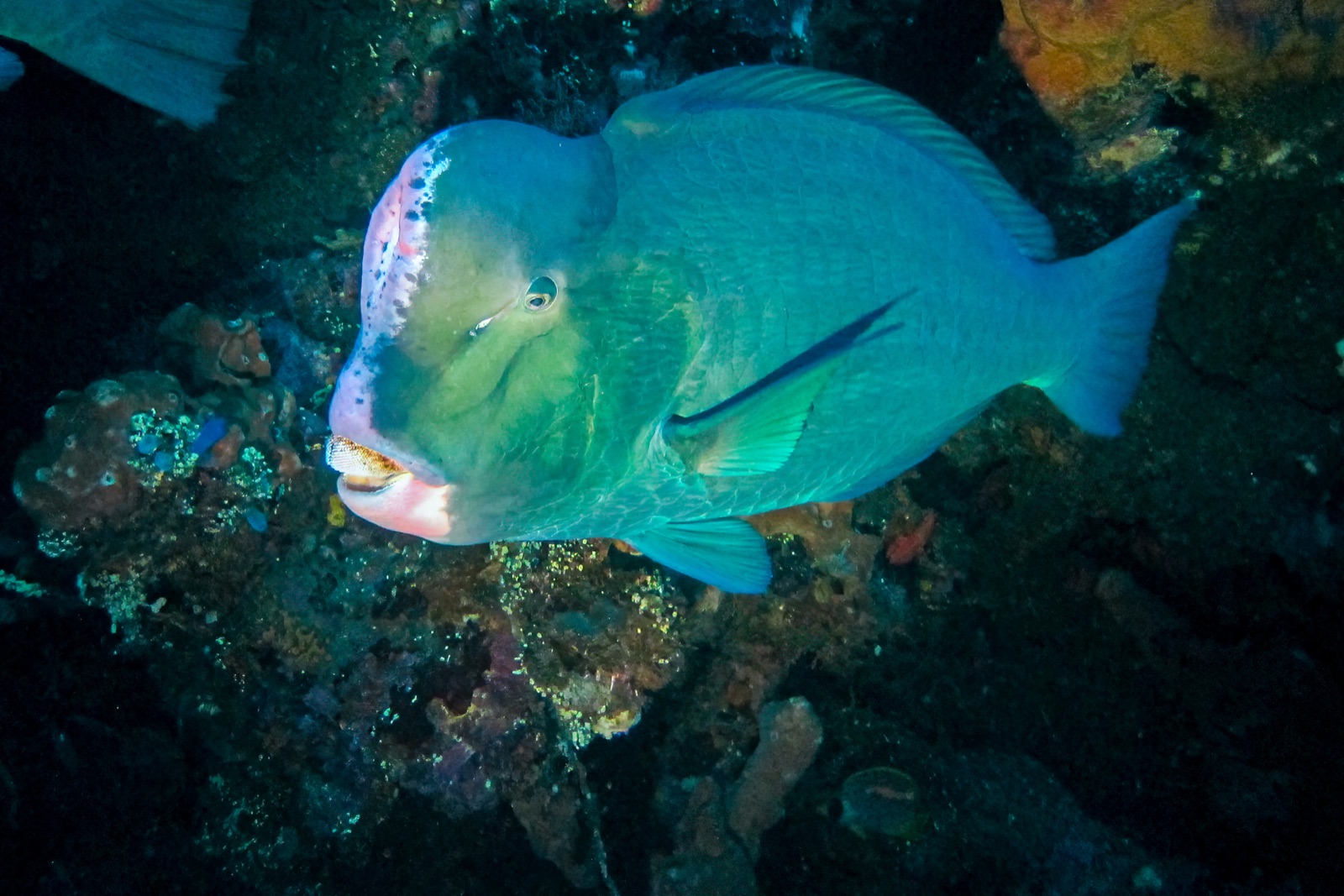
Bumphead Parrotfish
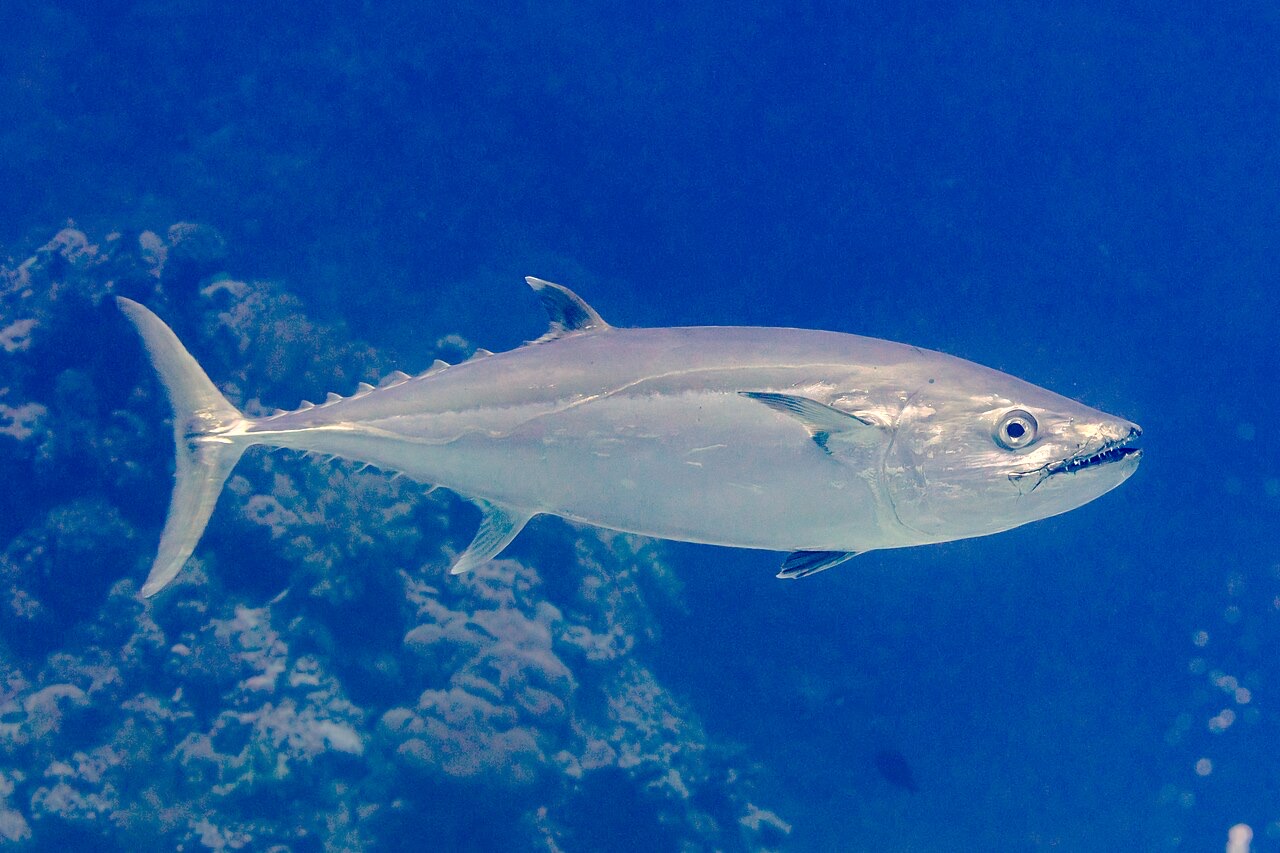
Dogtooth Tuna
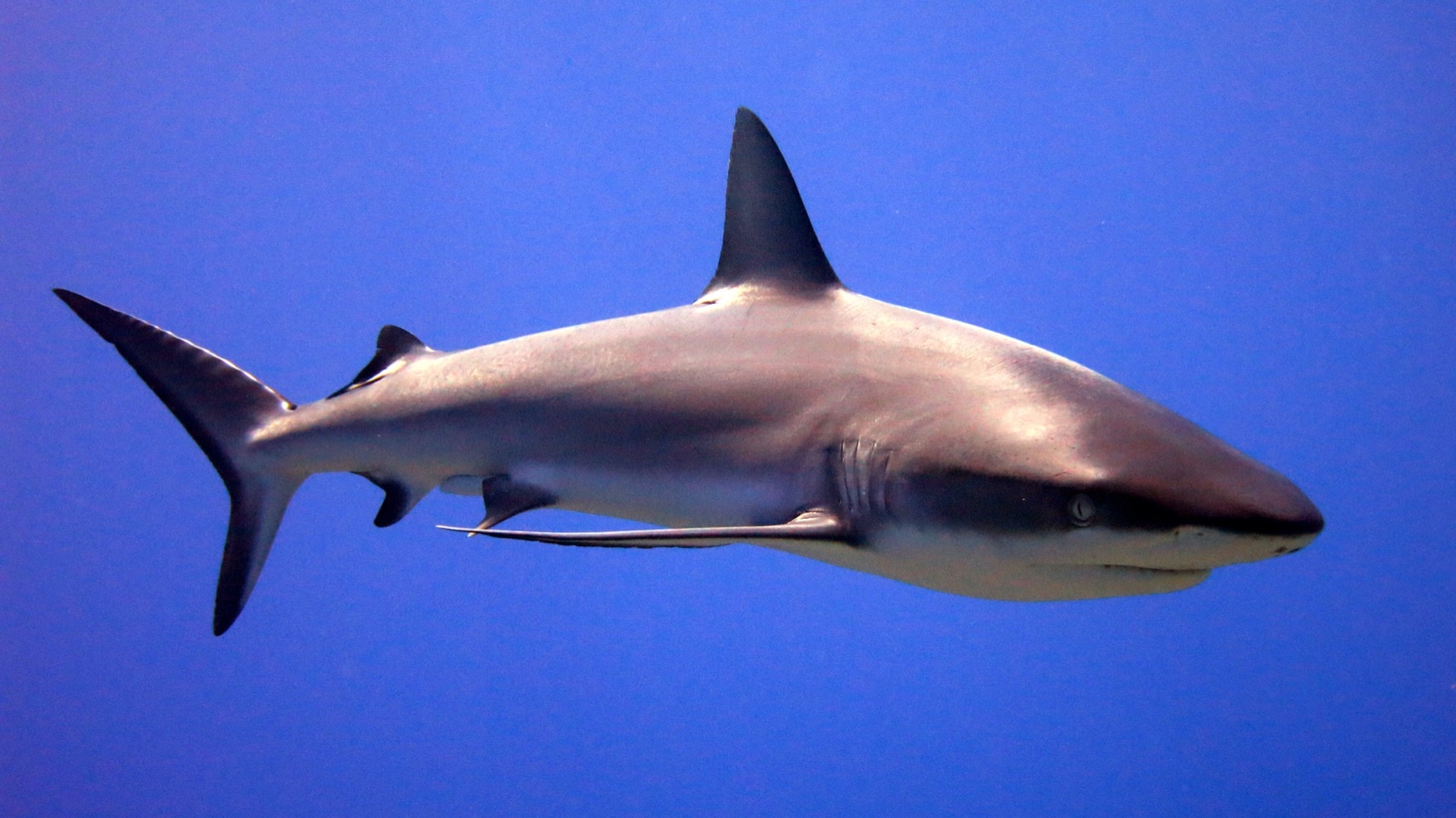
Grey Reef Shark
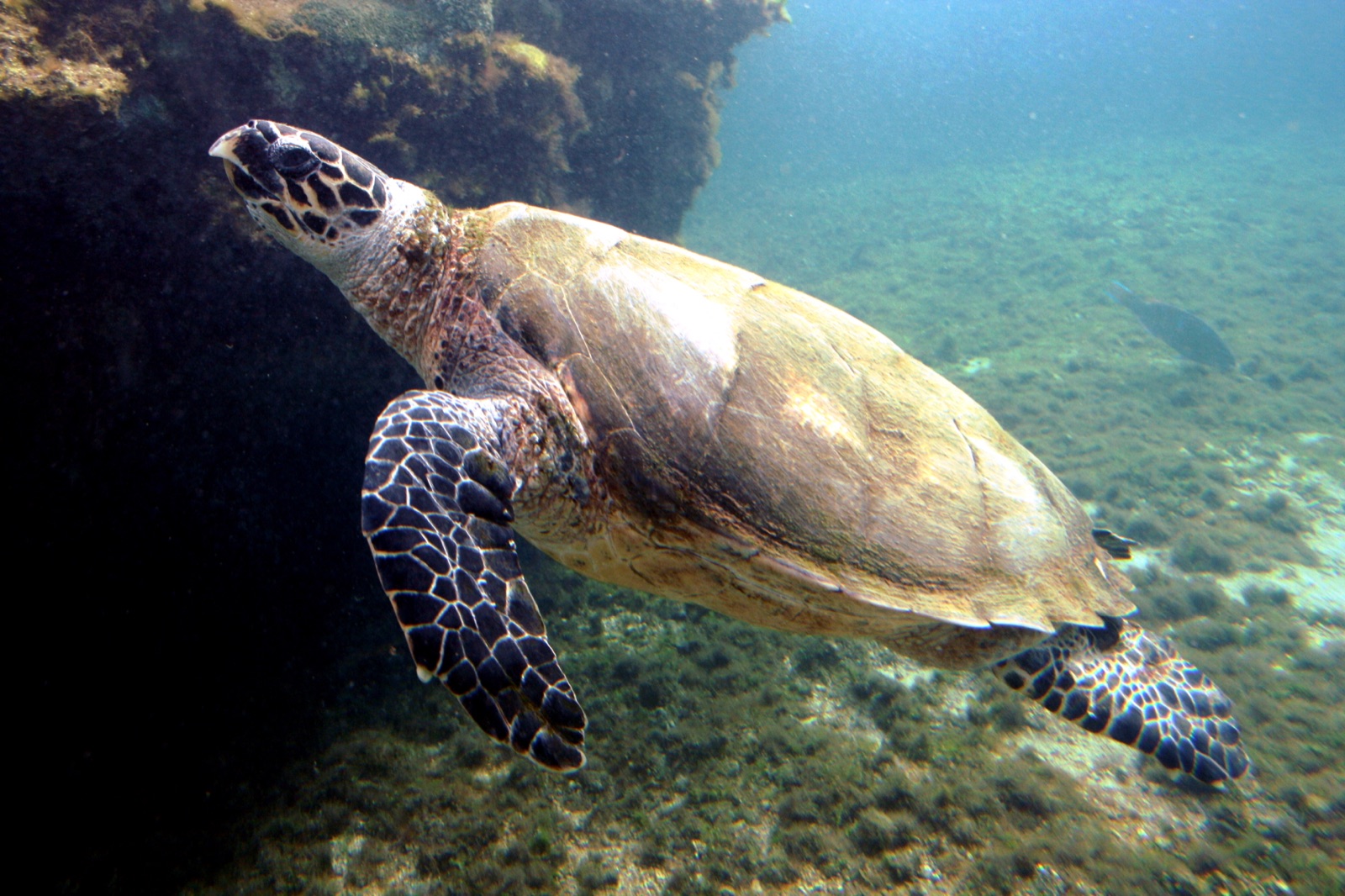
Hawksbill Turtle
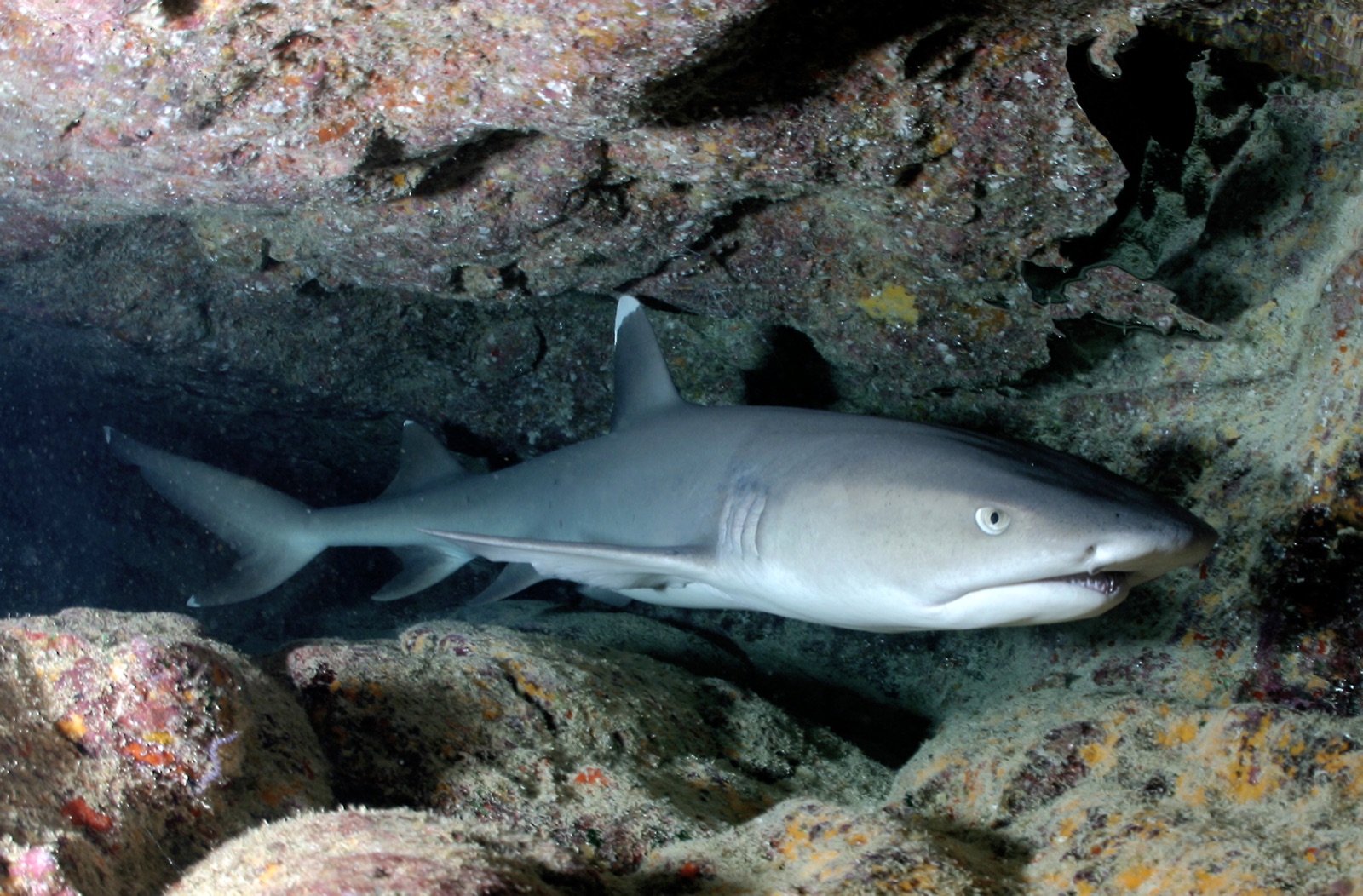
Whitetip Reef Shark
Grey reef and whitetip sharks on most dives, with regular tiger shark, whale shark, and occasional hammerhead encounters; green and hawksbill turtles in unusual numbers; Napoleon wrasse, schooling jacks and barracuda, and manta or devil rays passing the corners.
Как добраться и где остановиться
Как добраться: Fly from Manila or Cebu to Puerto Princesa on Palawan, board the boat in the evening, and make the roughly 10-12 hour open-water crossing to the park overnight.
Где остановиться: There is nowhere to stay inside the park; you sleep aboard. Puerto Princesa hotels bookend the trip on either side of the crossing.
Liveaboard: Liveaboard is the only way to dive Tubbataha: 6- and 7-night itineraries out of Puerto Princesa covering both atolls and Jessie Beazley Reef.
Расходы: Liveaboard berths generally run about US$2,500-4,500 for a 6- or 7-night itinerary, plus the park conservation fee (on the order of US$100-150; it changes periodically) and crew gratuities.
Между погружениями: Almost nothing for non-divers beyond the voyage itself: a visit to the ranger station, seabird colonies watched from the deck at Bird Islet, and long hours of open sea.
Безопасность и практические советы
Опасности: Strong, shifting currents on the atoll corners, surge in the channels, and true remoteness: help is many hours away by sea. Down-currents occur along some walls.
Dive well within limits here; evacuation is slow and weather-dependent. Boats carry oxygen, most operators require dive insurance, and guides will hold or cancel dives on the corners when current runs hard.
Ближайшая рекомпрессионная камера: No recompression chamber is within quick reach of the park; the nearest facilities are in Manila and Cebu, many hours away. Availability changes; emergencies go through EMS and DAN.