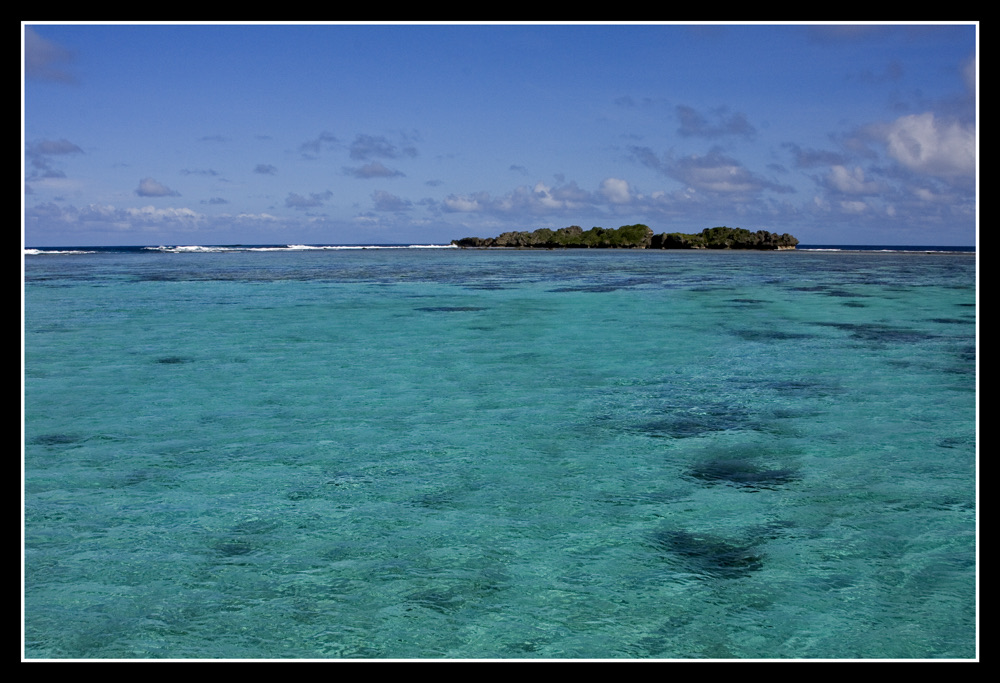
Vavaʻu
Vavaʻu is honest about what it is: the world's premier place to swim with humpback whales, not primarily a scuba destination. From July to October, mothers nurse calves in the archipelago's calm channels and escorts run heat races past the headlands; licensed operators put small groups in the water on snorkel. Scuba with the whales is not permitted. Between swims there are limestone caves, coral gardens, and a large old freighter wreck in the harbor.
Por qué bucear aquí
Come for the whales and let diving be the bonus. Tonga's humpbacks arrive from Antarctic feeding grounds each austral winter to give birth and mate among Vavaʻu's sheltered islands, and the kingdom permits in-water encounters under license: four guests and a guide per swim, surface snorkeling only, with operators (at their best) reading the animals and quitting when the whales say so. A calm encounter with a curious calf under its mother is, for many people, the single most affecting thing they ever do in the ocean. The underwater sideshow is worth packing fins for: Swallows Cave's shafts of blue light through swirling baitfish, Mariner's Cave's breath-hold entrance into a fog-breathing air chamber, and the Clan MacWilliam, a 1920s steamer sitting upright in Neiafu's harbor. Reef diving is pleasant rather than world-beating, and operators are few. Book whale licenses early, bring patience for weather days, and hold the encounter to the standard the rules intend: the whales' comfort outranks anyone's camera.
Mes a mes
Humpbacks are present from roughly July through October, peaking August–September. Outside whale season Vavaʻu is a quiet sailing and diving backwater; November–April is the warm, wet, cyclone-risk half of the year.
| Mes | Agua | Visibilidad | Cómo es |
|---|---|---|---|
| January●●○○○ | 27–29 °C / 81–84 °F | 15–30 m | No whales; cyclone season. |
| February●●○○○ | 28–29 °C / 82–84 °F | 15–30 m | Hot and quiet. |
| March●●○○○ | 27–29 °C / 81–84 °F | 15–30 m | Late wet season. |
| April●●○○○ | 26–28 °C / 79–82 °F | 15–30 m | Settling; still no whales. |
| May●●●○○ | 25–27 °C / 77–81 °F | 18–35 m | Clear winter water arrives. |
| June●●●○○ | 24–26 °C / 75–79 °F | 18–35 m | First scouts possible late month. |
| July●●●●● | 23–25 °C / 73–77 °F | 20–40 m | Whale season opens. |
| August●●●●● | 22–25 °C / 72–77 °F | 20–40 m | Peak whales; coolest water. |
| September●●●●● | 23–25 °C / 73–77 °F | 20–40 m | Peak continues; calves growing bold. |
| October●●●●○ | 24–26 °C / 75–79 °F | 18–35 m | Late season; whales departing. |
| November●●○○○ | 25–27 °C / 77–81 °F | 15–30 m | Season over. |
| December●●○○○ | 26–28 °C / 79–82 °F | 15–30 m | Warm, sleepy off-season. |
Confianza en los datos mensuales: Documented. Los meses sin fila no tienen datos verificados. Preferimos mostrar una laguna antes que inventarla.
Los puntos de buceo (3)
| Sitio | Tipo | Profundidad | Nivel | Acceso | |
|---|---|---|---|---|---|
| Clan MacWilliam An upright 1920s steamer in flat-calm water; deck machinery under decades… | Wreck | 18–30 m | Intermediate | Boat | |
| Mariner's Cave The vanishing-fog breathing of the chamber; surfacing in sealed darkness… | Cave | 0–12 m | Intermediate | Boat | |
| Swallows Cave The baitfish vortex in blue light; the vaulted chamber and arch… | Cave | 0–18 m | Beginner | Boat |
Vida marina con la que puedes planificar
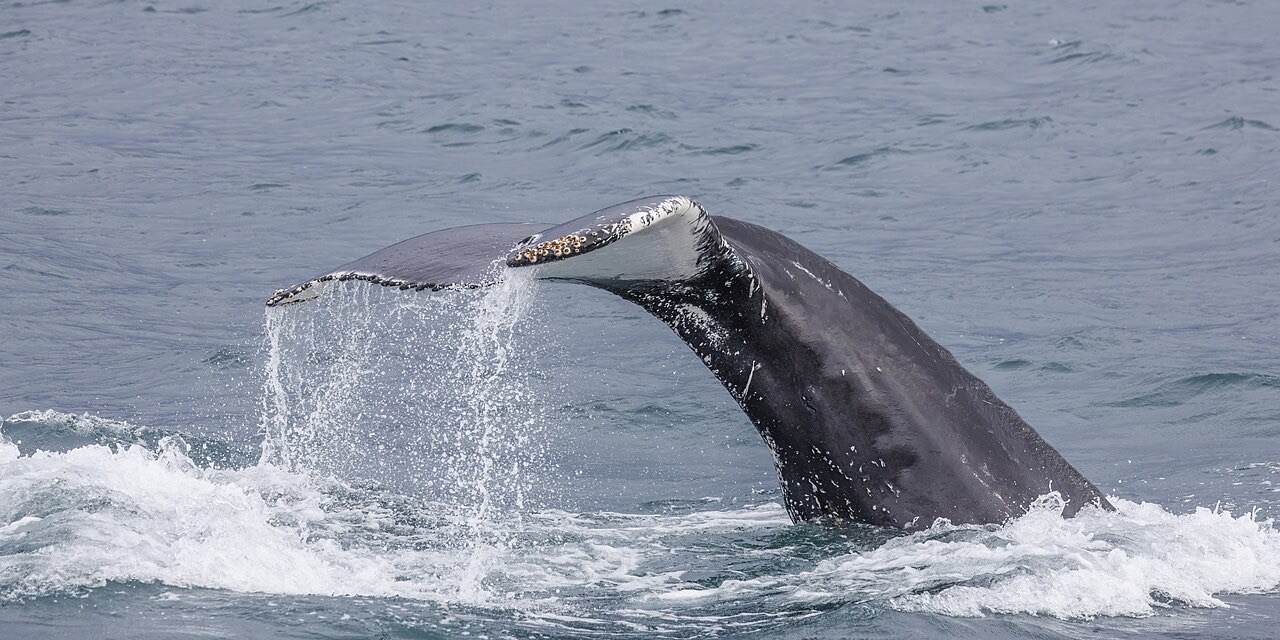
Humpback whales above all: mothers, calves, escorts, and singers audible through the hull; otherwise reef fish, anemones, turtles, and the occasional passing pelagic. Manage expectations on fish density.
Cómo llegar y dónde alojarse
Cómo llegar: Fly to Nukuʻalofa (TBU) from Auckland, Sydney, or Nadi, then a short domestic hop to Vavaʻu. Yachts also make Neiafu a South Pacific crossroads in season.
Dónde alojarse: Neiafu, wrapped around one of the Pacific's best natural harbors, holds the guesthouses, waterfront restaurants, and operator docks; a few island lodges scatter through the group.
Costes: Editorial estimate for local two-tank diving in 2026. Whale-swim day trips are the main spend and cost several hundred US dollars per person per day; licenses cap group sizes, so book months ahead.
Entre inmersiones: Sailing and kayaking through the island maze, whale watching from the boat for non-swimmers, Port Maurelle's beaches, kava evenings, and Sunday church singing that visitors remember for years.
Esnórquel: Snorkeling is the main event: whale swims are snorkel-only by regulation, and the caves and coral gardens suit surface swimmers well.
Seguridad y aspectos prácticos
Riesgos: Open-water swims in chop demand basic fitness and honest self-assessment; boat time in weather; Mariner's Cave requires a confident breath-hold. Whale encounters are regulated; keep distance discipline even when a calf does not.
Whale swimming is a surface activity under guide control; free-diving down toward animals is not accepted practice here. For scuba, dive conservatively: help is far away.
Cámara de recompresión más cercana: Tonga has no recompression chamber; the nearest facilities are in Fiji or New Zealand. That fact alone argues for shallow, conservative profiles. Emergencies go through EMS and DAN.