Ekipman · Fotoğrafçılık
Action Cameras
The pocket-sized route into underwater imaging: dive housings and depth limits, color filters versus lights, mounting choices, and honest expectations about what tiny sensors can do.
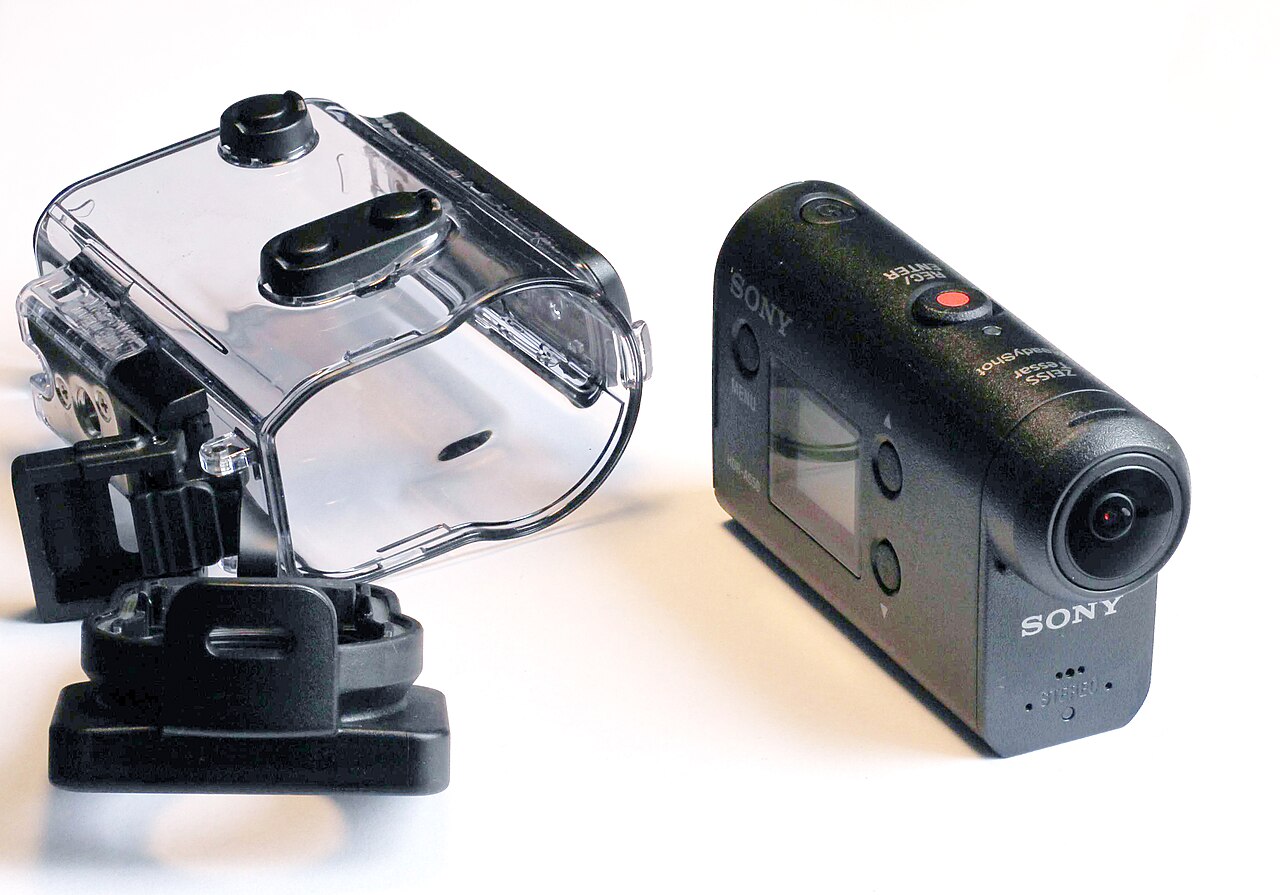
The action camera put underwater video in everyone's hands, and used with a little knowledge it earns its place on any dive. Used without that knowledge it produces the world's largest archive of dim blue-green footage, so the honest version of this guide is half enthusiasm, half expectation management.
First, the hardware realities. Most action cameras are waterproof bare to only shallow snorkeling depths, so scuba use means the dive housing - typically a clear polycarbonate case rated to 40-60 m, sold by the camera maker or third parties for a modest sum. The housing changes handling: buttons stiffen, touchscreens stop working when wet, and the flat port actually improves underwater sharpness. Set your modes before the giant stride. Batteries dislike cold water and long days, so spares - carried in your carry-on when flying, like all lithium cells - are part of the kit, along with anti-fog inserts, because a warm camera sealed in humid air will mist its case at depth.
Second, the color problem, which is physics rather than product failure. Tiny sensors gather little light, and water strips red from what little there is, so uncorrected deep footage goes monochrome-blue. Two fixes exist. A red filter snapped over the housing rebalances color in the 5-20 m band in blue water (magenta versions serve green water), costs little, and transforms casual reef clips - with the caveats that filters steal light, want decent visibility and sun, and should come off in the shallows and at night. A video light restores true color at close range regardless of depth, doubles as a night-diving torch, and marks the point where an action rig starts borrowing from real videography: one modest light on a small tray-and-grip converts wobbly hand-held clips into stable, colorful ones, and that tray is the single most transformative cheap accessory in this category.
Mounting is a philosophy choice. Hand or tray-held gives composition and stability and keeps the camera from banging the reef; a wrist mount frees hands for the ladder and the DSMB; chest and mask mounts record hands-free but produce footage exactly as steady as your head or torso, and some operators discourage mask mounts as a task-loading and snag concern. Whatever the mount, the oldest rule in underwater imaging binds hardest here: buoyancy first, camera second, and no shot is worth touching the bottom.
Money is the category's charm. Current-generation action cameras run roughly US$250-500; dive housings US$50-100; filters, trays, arms, and spare batteries fill out a complete kit that lands comfortably in a US$200-700 all-in band depending on how much of it you skip. Rental barely exists, but the cameras are so common that borrowing one to test appetite is easy.
Care asks little: rinse the housing sealed, dry before opening, keep the O-ring clean and unpinched, and check the lens port for scratches that show in footage. Shoot short deliberate clips rather than a full-dive epic, get close and then closer, hold each shot steady to a slow count - and the little camera will hand you back dives you thought you had merely remembered.
Fiyatlar, teklife değil gerçek piyasa aralıklarına dayanmaktadır; hiçbir üretici burada yer almak için ödeme yapmamıştır.