器材 · Exposure
Drysuits
The cold-water investment: membrane versus neoprene construction, seals, valves, and undergarments, what it honestly costs to get into one, and when the spend makes sense.
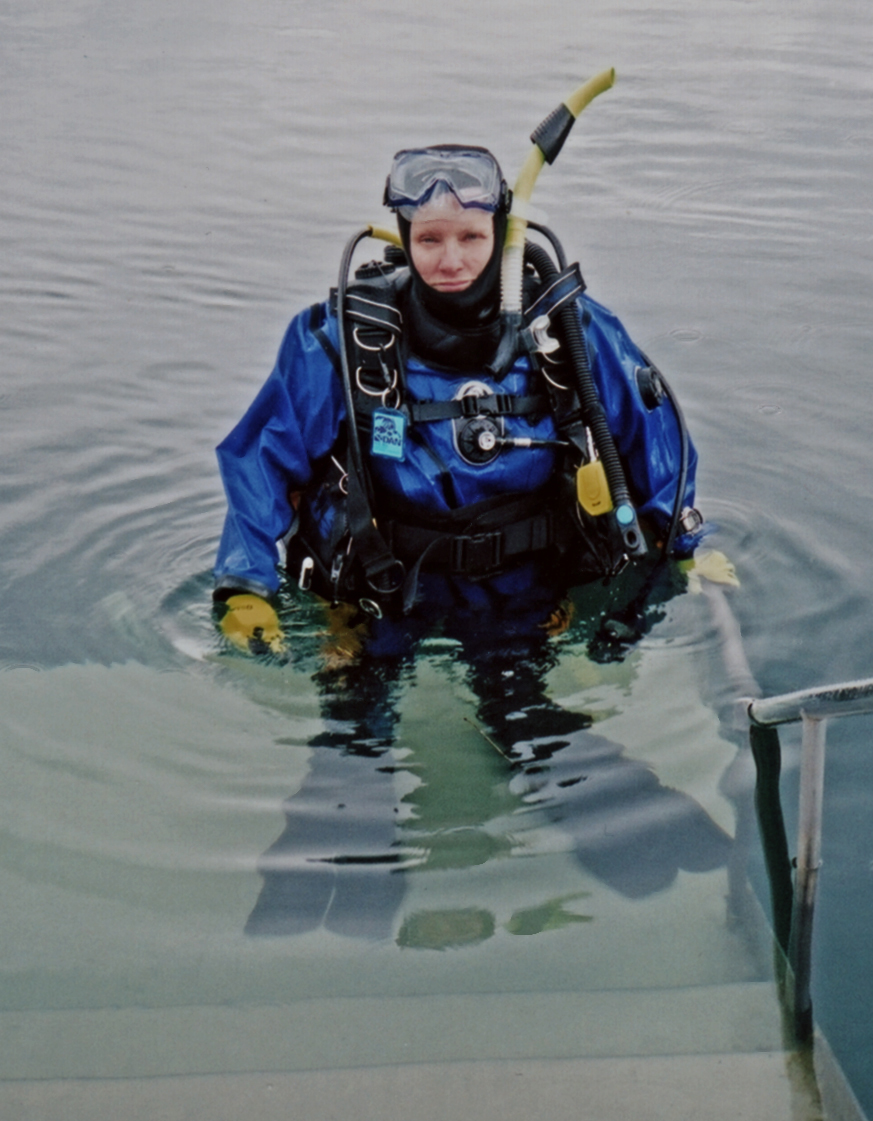
A drysuit keeps water out entirely - waterproof shell, watertight zipper, seals at neck and wrists - and lets the clothing underneath do the insulating, which is the crucial mental shift: you are not buying warmth, you are buying a dry space to wear warmth in. Air added through a chest inflator valve offsets squeeze on descent and is vented from a shoulder dump on ascent, making the suit a second buoyancy volume that formal training teaches you to manage. That training is a near-universal expectation from operators and is covered in the drysuit specialty; treat suit and course as one combined cost of entry.
Construction splits into two families. Membrane suits - trilaminate and similar shells - are just waterproof fabric: light, quick-drying, packable, tolerant of any climate because you tune warmth entirely with undergarments, and the standard in technical and travel-heavy circles. Neoprene drysuits insulate in the material itself, feel closer to a wetsuit, and suit divers who stay in one cold region, at the price of more weight, longer drying, and buoyancy that shifts as the neoprene compresses. Within both families the spend rises with tougher fabrics, better zips - plastic dry zips have made front-entry self-donning suits common - articulated cuts, and options: integrated boots or neoprene socks with rock boots, pockets, pee valves for long dives, and replaceable seal systems. Seals themselves come in latex (best seal, ages faster, allergy caveat), silicone (comfortable, user-replaceable on ring systems), and neoprene (durable, folds to seal, slight dampness tolerated).
Fit standards differ from wetsuits: you need room for undergarments and full range of motion - squat, kneel, reach across and overhead in the showroom wearing the insulation you intend to dive - without meters of spare fabric that become unmanageable air spaces. Off-the-rack fits many bodies; made-to-measure exists at every serious manufacturer and is money well spent for divers off the charts. Undergarments are a real budget line of their own - base layers plus a proper thermal suit commonly add US$150-500 - and socks, hood, and dry gloves stack on top.
The honest arithmetic: complete new setups mostly land between about US$900 and US$3,500 - entry membrane or neoprene suits at the bottom, expedition-grade and custom work at the top - plus undergarments and training. Secondhand suits can be excellent value but demand a leak test and a hard look at zip and seals, all replaceable at real cost. The spend makes sense when cold water is your regular diving, not your exception: temperate-coast locals, quarry-trained students, wreck and technical divers on long decompression hangs, and anyone whose season currently ends in October. For one cold trip, rent - most cold destinations rent suits and include orientation.
Care is where drysuits differ most from everything else you own: rinse, dry inside and out before storage, wax the zip, keep seals away from oils and sunlight, talc latex before donning, and store loosely rolled, zip open, somewhere cool. Small leaks are normal life events - locate them with the soapy-water trick and patch, or send the suit for professional service; seals and zips are consumables on a schedule of years, not decades. Flying, a membrane suit packs at 3-4 kg; neoprene noticeably more.
掲載している料金は誠実な市場相場の範囲であり、販売価格ではありません。メーカーやショップから掲載料は一切受け取っていません。