장비 · Ownership
Rental vs Buying
The honest economics and the sensible order: what to own first, what to keep renting forever, and how frequency, travel style, and fit decide the rest.
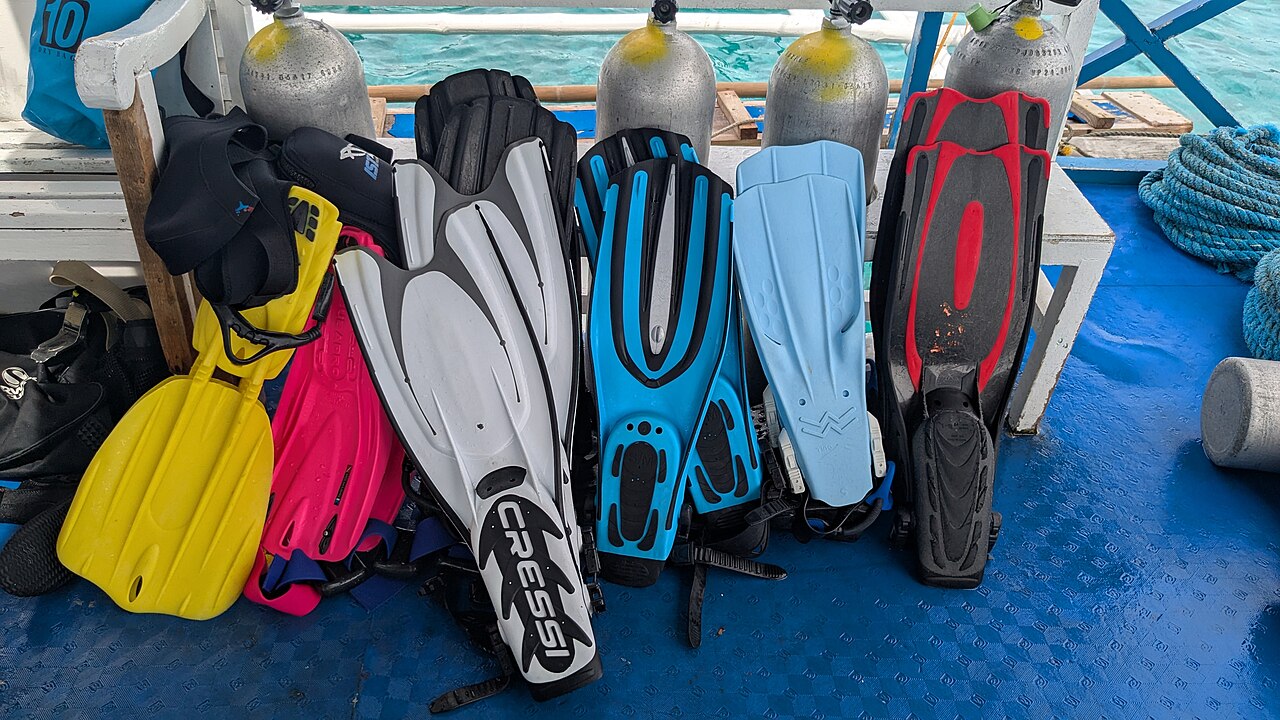
Every diver eventually stands in a shop doing the same arithmetic, so here it is done honestly. Renting a full kit costs roughly US$25-60 per day at most destinations, often folded into course and boat prices early on. A complete owned warm-water kit - mask to computer - runs somewhere between about US$1,200 and US$3,500 depending on taste, plus a modest annual service budget. Pure math therefore says an occasional vacation diver logging a handful of days a year may never break even on full ownership, while anyone diving several weeks a year crosses the line quickly. But the spreadsheet misses most of what actually decides the question, which is fit, familiarity, and hygiene - and those argue item by item, not kit by kit.
So buy in order of intimacy, not expense. First wave, sensibly owned before or during training: mask (fit is personal and rentals leak), snorkel (trivial cost), boots, and exposure protection where hygiene and fit dominate - a wetsuit is the rental item divers complain about most. First-wave add-ons that rentals never supply anyway: DSMB and spool, a small light, a cutting tool. Second wave, the strong early purchase almost every experienced diver endorses: the dive computer, because continuity of your own nitrogen tracking and familiar menus have safety value no rental matches, and the regulator, the most intimate machine in the sport, which packs small and travels carry-on. Third wave, when frequency justifies bulk: BCD and fins - the least personal items, the ones rental fleets do adequately, and the heaviest things in your bag. Tanks and weights close the list as the standing exception: rent them everywhere you fly, forever, and buy them only for local diving from your own vehicle.
Travel style bends the order. Divers who fly to remote operations with thin rental fleets buy earlier and more completely; divers who dive one well-equipped resort chain annually can rent happily for years; cold-water locals need suit and often more from day one, because rental drysuits are scarcer and fit-critical. Course students should resist package pressure gently: training discounts on full kits are real but so is buying before you know your own preferences - the first-wave items are the safe purchases at that stage.
The used market deserves its honest paragraph. Masks, fins, boots, weights, spools, and bags buy used with confidence. Computers buy used with a battery change and function check. BCDs used are fine after an inflator test and a night holding air. Regulators used are only as good as their documented service history - price an immediate overhaul into any unknown - and exposure suits used are a lottery of compression and odor best entered cheaply. Anything without provenance gets professional inspection before it gets wet.
The closing honesty: ownership's best return is not financial. Divers in their own familiar, well-fitted kit dive more relaxed, weight themselves consistently, and troubleshoot less - and the difference shows underwater within a season. Buy at the pace your diving is actually growing, and the money follows the logbook rather than leading it.
가격은 실제 시장 범위를 정직하게 제시한 것이며 판매 제안이 아닙니다. 어떠한 업체도 이곳에 비용을 지불하고 노출되지 않습니다.