Gear · Ownership
Save-a-Dive Kits
The small box of O-rings, straps, mouthpieces, and tools that turns trip-ending equipment failures into five-minute fixes on the boat.
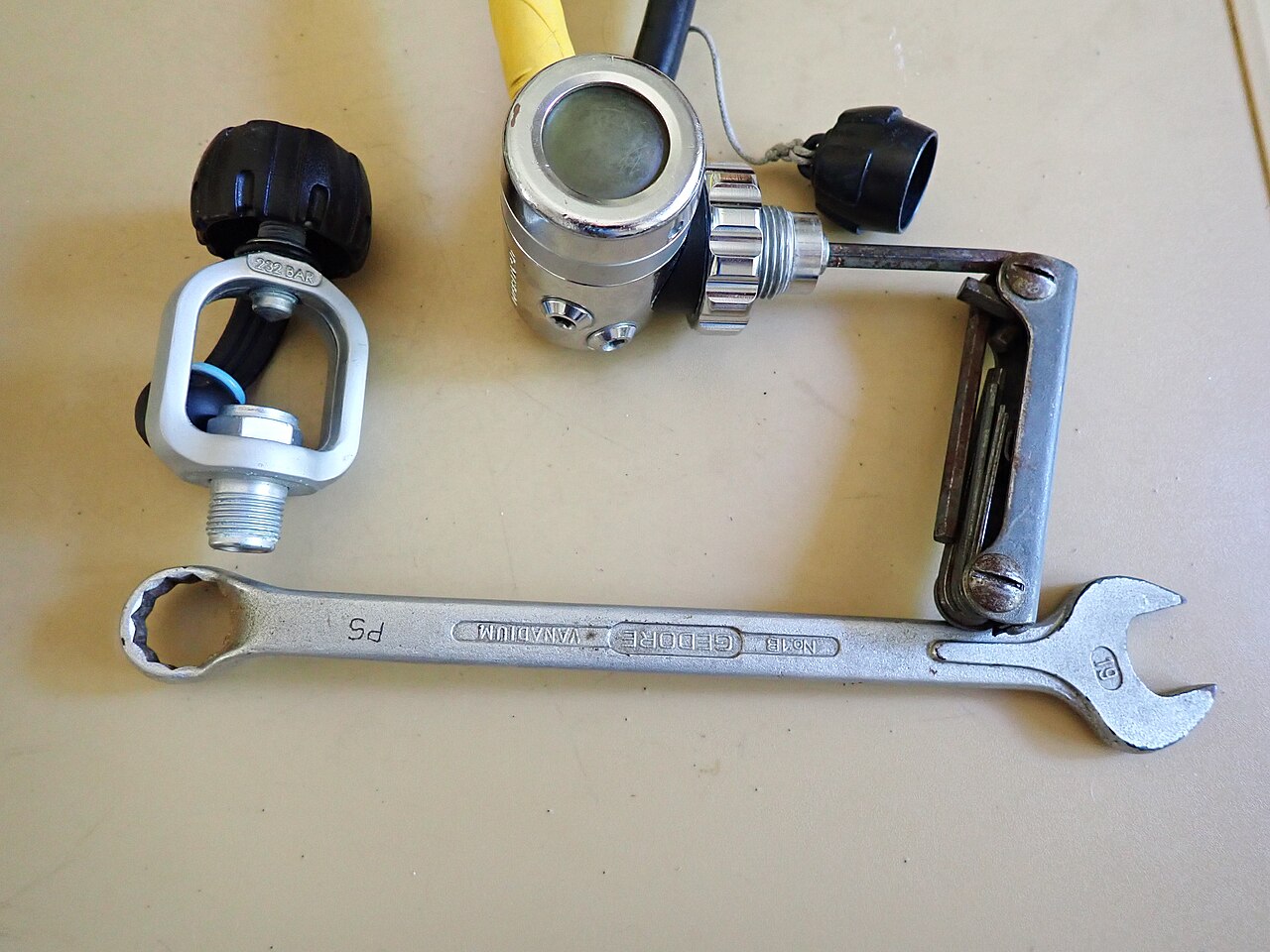
Every experienced diver has watched it happen: a fin strap snaps at the stern, a tank O-ring extrudes with a hiss at setup, a mouthpiece tears on the first bite - and someone either produces a small box and fixes it in three minutes, or somebody's dive day quietly ends. The save-a-dive kit is that box. It is the cheapest insurance in the sport, and unlike most insurance it pays out constantly, usually to your buddies.
The core inventory is a study in tiny failures. O-rings lead - tank-valve rings above all, plus an assortment for hoses, gauges, and camera gear, kept fresh in a film-canister-sized jar with a pick to seat them. Then the rubber and buckles: a spare mask strap (or a stretch strap-cover that fits anything), fin straps or the buckles that break more often than the straps, a spare snorkel keeper, and a universal replacement mouthpiece with the zip ties that secure it - plus extra zip ties in three sizes, because zip ties fix half of everything. Around that core: silicone grease for the O-rings, a multi-tool or small adjustable wrench plus hex keys sized for your hose ports, a regulator dust cap, defog, bungee cord and a length of line, low-pressure inflator parts if your BCD uses a common fitting, spare clips and a double-ender, batteries for your computer and lights if they take common cells, some duct tape wrapped around a pencil stub, and wetsuit cement with a neoprene patch. Photographers add spare fiber cables and housing rings; drysuit divers add seal patches, zip wax, and talc; nitrox divers toss in a spare analyzer battery.
Assembling beats buying, mostly. Prebuilt kits exist from roughly US$30-60 and make fine gifts, but half their contents will not match your gear's O-ring sizes, hose fittings, or battery types; an hour with a small waterproof box, a hardware-store tool aisle, and your own equipment produces a better kit for about US$40-150 all-in, sized to what you actually dive. The box itself wants to be genuinely waterproof, small enough to always come along, and organized enough that you can find the tank O-rings while a boat rocks and a group waits.
Care is a twice-a-year audit: replace what got used (the kit's contents migrate into other people's regulators at a steady rate), refresh grease and batteries, and check that rubber spares have not aged into uselessness in their box - O-rings and straps have shelf lives too. For flying, one item needs attention: any CO2 cartridges are restricted in air travel, tools ride checked, and loose batteries move to your carry-on with the rest of your lithium.
Two honest boundaries complete the picture. A save-a-dive kit fixes peripheral failures - straps, seals, mouthpieces, clips - and does not authorize field surgery on regulator internals, which remain the technician's territory; knowing which failure is which is part of the skill. And the kit works best paired with the habit that prevents most failures outright: gear checked at home before the trip, where a frayed strap is a shopping-list item instead of a boat-deck ceremony. Carry the box anyway. Someone will need it by Saturday.
Prices are honest market ranges, not offers; no manufacturer pays for placement here.