Fotografia · 4 min di lettura
Diving with an Action Camera: Small Rig, Watchable Footage
Action cameras are the most common rigs on any dive boat, and the least understood. Four decisions (housing, color, mounting, and shooting habits) separate usable footage from blue-gray mush.
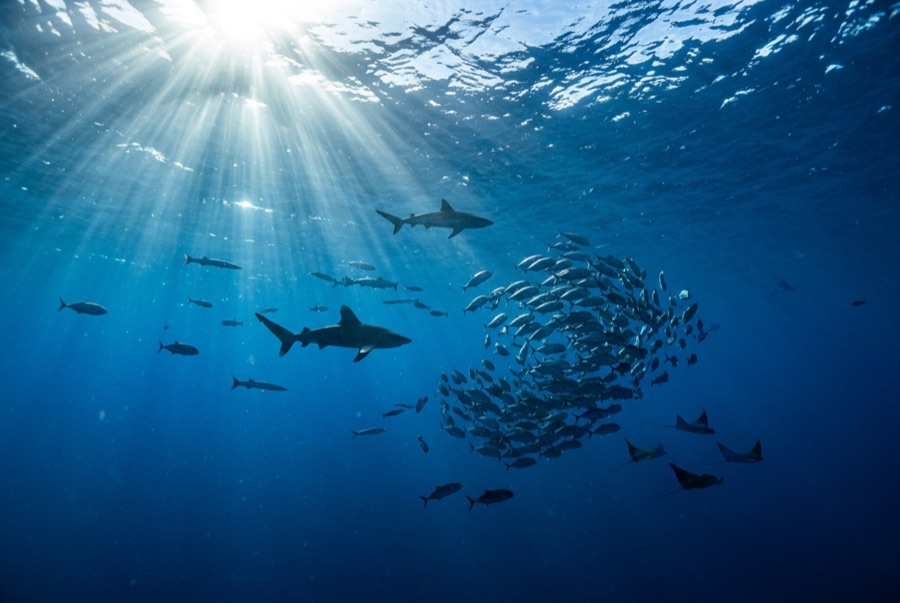
Count the cameras on any dive boat and most of them will be small action cameras on trays, sticks, and wrists. Used with a little knowledge they produce genuinely good footage; used straight out of the box they produce dim blue-gray clips that disappoint everyone who was there. The gap between those outcomes comes down to about four decisions, none of which cost much.
Know what the tool is
An action camera pairs a tiny sensor with a fixed ultra-wide lens. That combination is happiest shallow, in bright water, close to the subject, shooting video. It cannot trigger strobes, so stills are a bonus rather than the point, and dim conditions will always be its weakness. Check depth ratings honestly before you splash: many models are waterproof on their own to only around 10 m, and diving deeper requires the dedicated housing, which is typically rated to about 60 m. A flooded camera is a cheap lesson only the first time.
Fix the color: filters and white balance
Water removes red light first, and a small sensor cannot invent it back. In tropical blue water a red filter earns its place in the middle band, roughly 5–20 m. Shallower than that it turns everything ruddy; much deeper, there is too little red light left for it to recover, and footage goes dark and muddy instead. Green temperate water calls for a magenta filter. If your model offers manual white balance, reset it whenever your depth changes meaningfully, and remove the filter for the shallow safety stop. Below roughly 15–20 m the honest fix is a video light, which restores real color at close range no matter the depth.
Mount it for stability
Footage that swings with your arm is unwatchable, no matter what it shows. A small tray with one or two handles steadies shots dramatically and gives a video light somewhere to live. Chest and mask mounts record the dive hands-free, but they point wherever your body points, so expect honest documentary rather than composition. Whatever you pick, clip the rig to yourself with a lanyard (cold hands and gloved fumbles lose cameras every season) and fit an anti-fog insert before humid boat days.
Shoot with intent
- Default to 4K at 30 frames per second; switch to 60 for fast subjects or planned slow motion.
- Hold each shot steady for eight to ten seconds, and let animals swim through your frame rather than panning after them.
- Get within arm's length to a couple of meters. The ultra-wide lens makes everything look smaller and farther than it was.
- Keep the sun behind you for color, or point straight into it deliberately for silhouettes: the in-between angles flatten everything.
Batteries, cards, and restraint
Batteries drain quickly in cool water, so carry charged spares and a card with more space than you think you need. When flying, spare lithium batteries belong in carry-on baggage with terminals protected; airlines are strict about this and checked-bag surprises are expensive. Finally, resist reviewing clips mid-dive. The reef, your buoyancy, and your buddy deserve the attention, and the editing can wait for a shaded seat on the boat. A diver who shoots five deliberate clips per dive comes home with a better film than one who records the entire hour.