Comparação · 4 min de leitura
Back-Inflate vs Jacket BCD: Trim, Travel, and the Surface Question
How air placement changes trim underwater and posture at the surface, and which BCD style suits new divers, photographers, travelers, and the technically inclined.
Every BCD does the same job (adjustable buoyancy and a tank on your back), but where the air sits changes how the rig behaves. Jacket-style BCDs wrap buoyancy around your torso; back-inflate designs, including the modular backplate-and-wing, put all of it in a bladder behind you. Neither is universally better. Both styles now share the conveniences that matter (integrated weight pockets, quick dumps, sturdy D-rings), so the decision really turns on air placement, travel weight, and what you plan to grow into. Size lift capacity to your exposure suit and tanks rather than your ambitions; an oversized bladder only adds drag.
Underwater: the trim argument
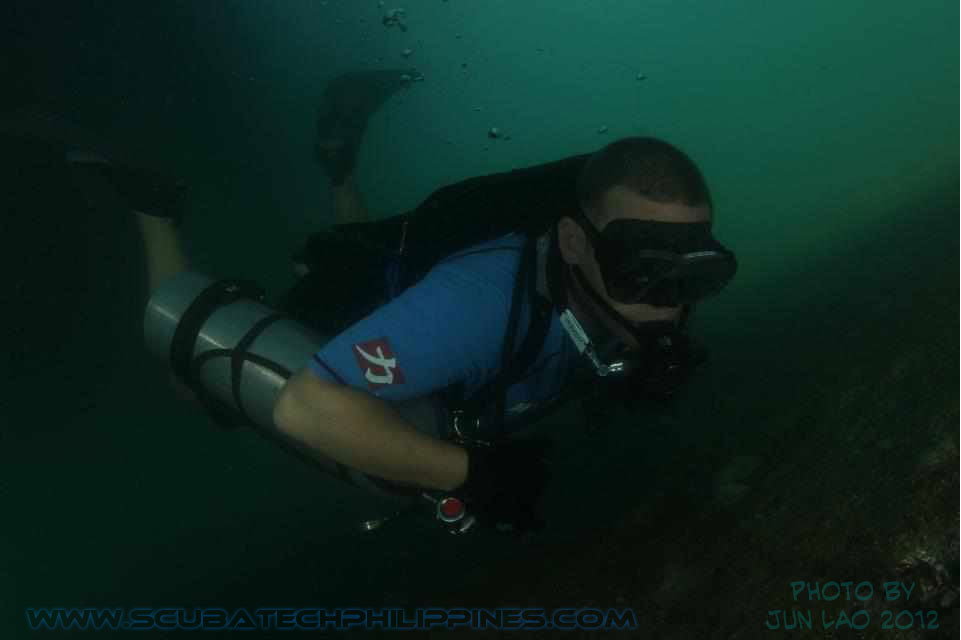
Air behind you naturally floats your back toward horizontal: the flat, head-slightly-down posture that makes finning efficient and keeps fins off the reef. That is why back-inflate rigs dominate among photographers, muck divers working the black sand of Lembeh Strait, and anyone chasing the flat trim described in trim and propulsion. A jacket squeezes the torso slightly as it inflates and distributes lift all around, which feels stable and unremarkable; most divers certified in one never notice what they are not feeling. Skilled divers achieve excellent trim in either; the back-inflate just makes horizontal the path of least resistance.
At the surface: the honest tradeoff
The jacket wins the surface. Fully inflated, it floats a tired diver upright with no technique at all, part of why rental fleets and training programs standardized on it. A back-inflate bladder pushes from behind, tipping a passive diver gently face-forward until they learn the fix: lean back onto the bladder, or vent to modest inflation. It is a five-minute skill, not a flaw, but a real consideration for new divers and long rough-surface waits on drift days at Cozumel or channel exits.
Rentals, familiarity, and instruction
Certify almost anywhere, Koh Tao included, and you learned in a jacket, because that is what fleets stock. Staying with the familiar shape for your first owned BCD is a defensible choice; so is switching early, before habits harden. What matters more than style is fit and practice: whichever you buy, log pool or easy-shore time until venting and weighting are automatic, as buoyancy fundamentals lays out.
Travel and the technical path
Back-inflate designs strip away padding and pockets more gracefully, which is why the lightest travel BCDs are mostly back-inflate, a real advantage against airline scales, per flying with dive gear. The backplate-and-wing variant adds modularity: swap wings for doubles, replace webbing for pennies, grow into technical training without rebuying. Divers eyeing overhead environments or the cave country of the Riviera Maya cenotes usually land on a backplate eventually; buying one early skips a purchase cycle.
| Jacket BCD | Back-inflate / backplate-wing | |
|---|---|---|
| Trim underwater | Neutral-to-upright tendency | Encourages horizontal trim |
| Surface posture | Floats upright, zero technique | Requires the lean-back habit |
| Familiarity | Rental and training standard | Minor adjustment period |
| Storage and pockets | Integrated pockets common | Minimal; add-ons as needed |
| Travel weight | Moderate to heavy | Lightest options available |
| Best for | New divers, occasional renters, surface-heavy diving | Photographers, trim-focused divers, travelers, future tec students |
The bottom line
Buy the jacket if you want the familiar, forgiving default and pockets where you expect them. Buy back-inflate if flat trim, travel weight, or a technical future rank higher, and spend one easy dive teaching yourself the surface lean. Either way, invest the savings in time underwater: the frog kick improves your diving more than any bladder placement will. And before buying either, rent or borrow each style for a pool session or an easy shore dive: an hour of side-by-side answers questions no spec sheet can.