Sicherheit · 4 Min. Lesezeit
Dive Insurance, Explained
What dive-accident coverage actually pays for, why ordinary travel insurance often is not enough, and how to read the exclusions that matter before a trip.
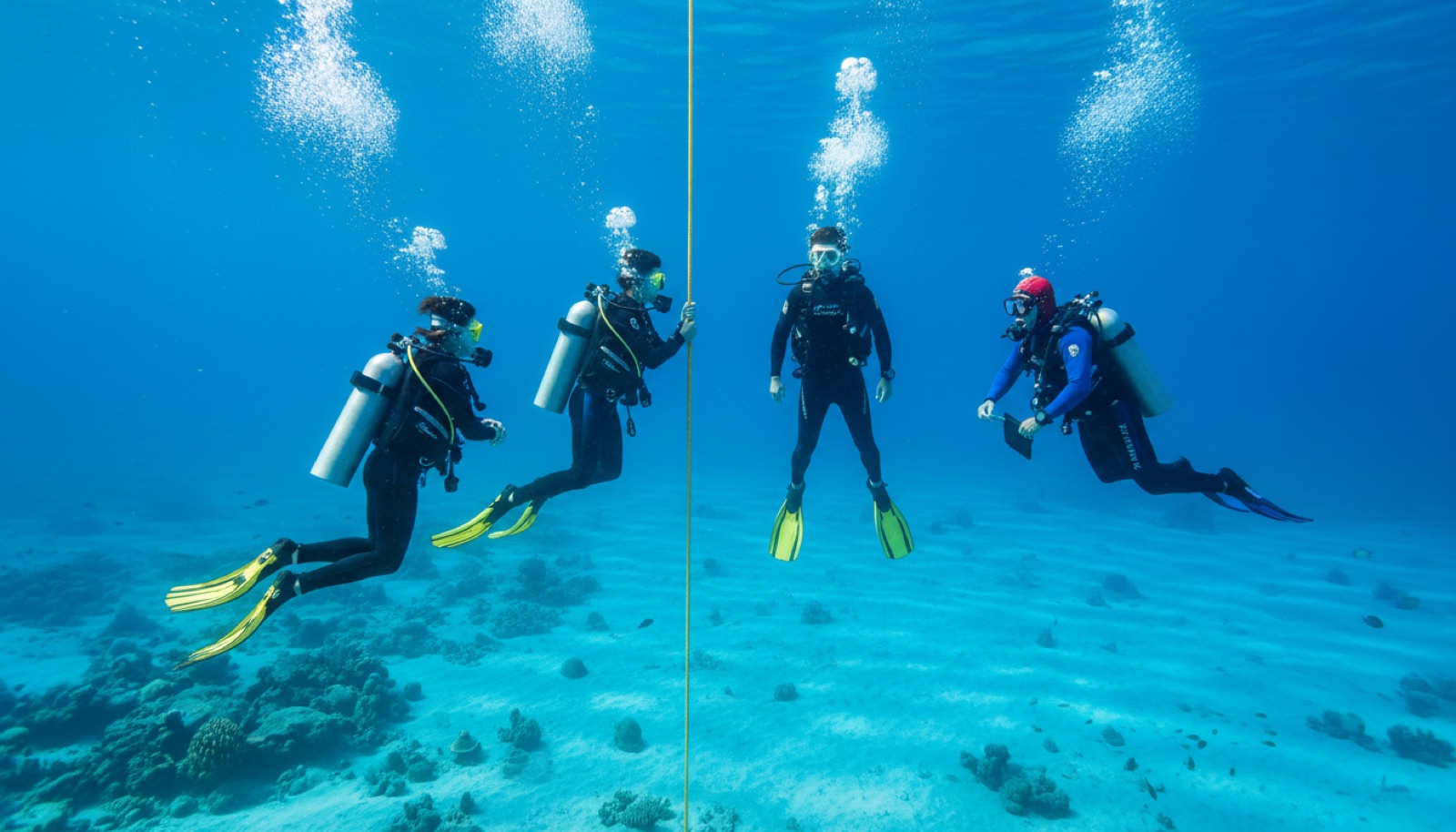
Hyperbaric chamber treatment is billed by the session, sessions are long, and a full course of treatment plus medical evacuation from a remote dive destination can run into tens of thousands of dollars, occasionally far beyond. That single fact explains the entire dive-insurance industry, because standard health plans and cheap travel policies routinely exclude or cap exactly these costs, and the exclusions surface at the worst possible moment.
The three layers people confuse
- Dive-accident insurance covers the diving-specific catastrophe: recompression treatment, emergency transportation and evacuation coordination, and related medical costs after a diving accident. This is the layer sold by dive-specialist providers (the Divers Alert Network's plans are the best-known internationally, alongside DAN Europe and commercial equivalents), usually as an annual membership-plus-policy costing on the order of a modest dinner out per month.
- Travel insurance covers the trip: cancellations, delays, lost gear, general medical care abroad. Some policies include recreational diving; many exclude it entirely or bury limits in the fine print (a depth ceiling, a certification requirement, a professional-supervision requirement). A policy that covers your appendix in Indonesia may still decline your chamber ride.
- Ordinary health insurance from home varies wildly abroad, frequently reimburses slowly if at all, and almost never coordinates an evacuation at 2 a.m. from an island with one phone line. Coordination (a staffed emergency line that talks to boats, physicians and chambers) is half of what the specialist layer actually buys.
Reading a dive policy like a skeptic
Coverage documents reward twenty minutes of attention. Check the depth limit against your certification and your actual diving. Common tiers cap recreational cover around standard training limits, with higher tiers for technical diving. Check whether the policy requires diving within your certification level and agency standards, because exceeding them can void a claim precisely when you need it. Look for: evacuation and repatriation amounts (the expensive line items), whether search and rescue is included, coverage while freediving or snorkeling, exclusions for diving against medical advice or with alcohol involved, and how liveaboard itineraries in remote waters are handled. Annual policies usually beat per-trip pricing for anyone diving more than one trip per year, and family plans exist.
What a claim actually looks like
The rehearsed version is worth knowing: a symptomatic diver goes on oxygen, someone calls local EMS and the insurer's or DAN's emergency line, and the coordination staff direct evaluation, approve treatment and arrange transport, which is why the emergency number belongs in your phone, on your certification-card wallet and in your buddy's hands, not in an email you would have to find. After the event come the mundane parts: keeping receipts, dive-profile records and physician reports. Policies pay for documented events; logbooks and computer downloads quietly become financial documents.
An honest bottom line
Insurance advice generally is beyond this site's scope, and policies differ by country and change over time. Read current terms rather than trusting summaries, this one included. But the diving-specific arithmetic is stable: the probability of needing a chamber is low, the cost when you do is brutal, specialist cover is cheap against that tail, and the coordination service alone has earned its keep in countless incidents. Most experienced divers treat accident coverage like the safety stop (a small, permanent habit adopted once and never re-litigated) and pair it with travel insurance whose diving clauses they have actually read.