Health · 5 min read
Diving and Medications: The Questions to Ask Before You Descend
Two questions govern every medication a diver takes: does the condition allow diving, and does the drug behave at depth? A framework of categories and questions, with the answers left to physicians, where they belong.
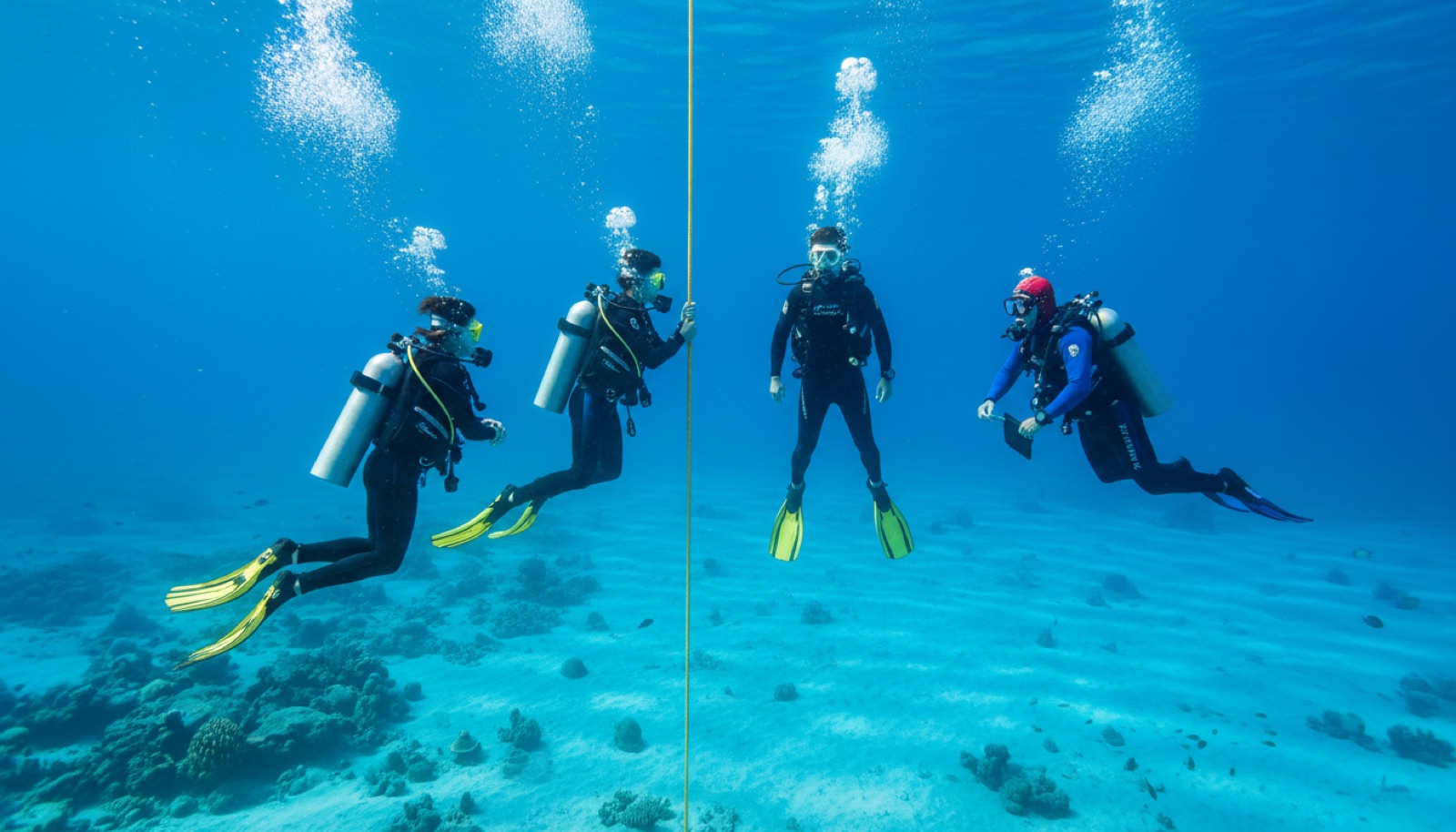
Every medication in a diver's toiletry bag raises two separate questions. Does the condition being treated allow diving? And does the drug itself behave acceptably under pressure? Both are questions for a physician, ideally one trained in dive medicine, because this is a corner of pharmacology with sparse research and real stakes. What a guide can responsibly offer is the framework: the categories, the concerns, and the questions worth bringing to the appointment. No dosages appear here, deliberately, and nothing below is advice to start, stop, or change any medication.
Why depth changes the math
Very few drugs have been formally studied under hyperbaric conditions, so dive medicine reasons from side-effect profiles. The recurring concerns: sedation, which can compound with nitrogen narcosis; dizziness or vertigo, which underwater are both hazards and confounders that can mimic or mask decompression symptoms; and timing, because a drug wearing off mid-dive can convert a managed problem into an emergency at depth. A side effect that is a shrug on land can be a genuine threat at 25 m.
Categories and their questions
- Decongestants: the classic trap. Mainstream teaching discourages using them to dive through congestion. Relief can fade at depth and set up a reverse block on ascent, and the congestion itself was the warning.
- Antihistamines: the sedating older generation raises the narcosis-stacking concern; the drowsiness question is individual and worth testing on land, with a physician's input.
- Motion-sickness medication: legitimate and widely used by divers, trialed ashore first, timed per the label and professional advice.
- Painkillers: beyond the underlying question of why you need one on a dive day, masking symptoms complicates the post-dive picture, since pain is key information in evaluating possible decompression sickness.
- Antidepressants and psychiatric medication: many divers dive on stable, well-tolerated regimens after individual physician review; the condition, the specific drug, and stability all matter. Stopping medication in order to dive is emphatically not the move.
- Malaria prophylaxis: relevant in much of the diving tropics. Some agents carry neuropsychiatric side-effect profiles that dive-medicine physicians often prefer to avoid in divers, since the effects can mimic or mask narcosis and decompression symptoms; alternatives exist, and the choice is destination-specific physician territory.
- Antibiotics and short-term treatments: usually the question is the illness, not the drug. Sick enough to need treatment often means not well enough to dive.
Practical rules that always apply
Never trial a new medication for the first time on a dive day. Keep regular medications in original packaging, in carry-on luggage, with documentation for customs and clinics. Declare everything honestly on the medical questionnaire: the form routes you to exactly the conversation this guide keeps recommending. And know that Divers Alert Network runs medical information services that both divers and their physicians can consult on medication questions; pointing your own doctor there is often the fastest route to a well-informed answer. The underlying principle is older than any of the pharmacology: diving is done well or not at all, and a body that currently needs help to function is allowed to take the day off.