Nerede dalış yapacağınızı, ne zaman gideceğinizi ve neler görebileceğinizi keşfedin.

Nerede dalış yapacağınızı, ne zaman gideceğinizi ve neler görebileceğinizi keşfedin.
★
Menü
Destinasyonlar Dalış Noktaları Deniz Yaşamı Batıklar Haberler
Gezi planla Gezi planlayıcı Dalış için en iyi zaman Maliyet hesaplayıcısı Karşılaştırmalar Deniz canlıları takvimi Su sıcaklığı Liveaboard'lar Operatörler & tatil köyleri Deniz parkları Hiperbarik merkezler Dünya haritası
Mağara dalışı Tüm mağara dalışları Destinasyonlar ve Dalış Noktaları Mağara Sistemleri ve Haritalar Eğitim ve Sertifikalar Dalış Merkezleri ve Rehberler Ekipman ve Teknoloji Güvenlik ve Olay Araştırması Bilim, Tarih ve Koruma Kaynaklar ve Güncellemeler
Bölgeler Avustralya, Yeni Zelanda ve Doğu AsyaKarayipler ve Batı AtlantikAvrupa, Atlantik & AkdenizHint Okyanusu ve Doğu AfrikaPasifik Adaları & MikronezyaKızıldeniz & Orta DoğuGüneydoğu Asya & Mercan ÜçgeniAmerika & Doğu Pasifik Ülkeler
Öğren ve Araçlar Tüm rehberler Sertifikasyonlar Ekipman rehberleri Videolar Veriye Sor Yapay Zeka Ajanları API
Hakkında Hakkımızda Metodoloji Sorumluluk Reddi İletişim
Görünümün
★ Kaydedildi

Yıldızladığınız destinasyonlar, dalış noktaları ve türler; bu tarayıcıda saklanır.

API GATEWAY

Atlasın önbelleğe alınmış verilerine ücretsiz salt okunur JSON erişimi.

Karanlık mod

Rehberli Görünüm
Dalışa yeni mi başladınız? Derinlikler, akıntılar, sertifika seviyeleri? Gezinirken her terimi sade bir dille açıklıyoruz. Aynı veriler, yardım dahil.

Uzman Görünümü
Duvar dalışı ile drift dive arasındaki farkı zaten biliyorsunuz. Sadece veriler: sade, hızlı ve kompakt. Bu varsayılan görünümdür.

Arayüz dili

Sağlık · 5 dk okuma

Diving and Medications: The Questions to Ask Before You Descend

Two questions govern every medication a diver takes: does the condition allow diving, and does the drug behave at depth? A framework of categories and questions, with the answers left to physicians, where they belong.
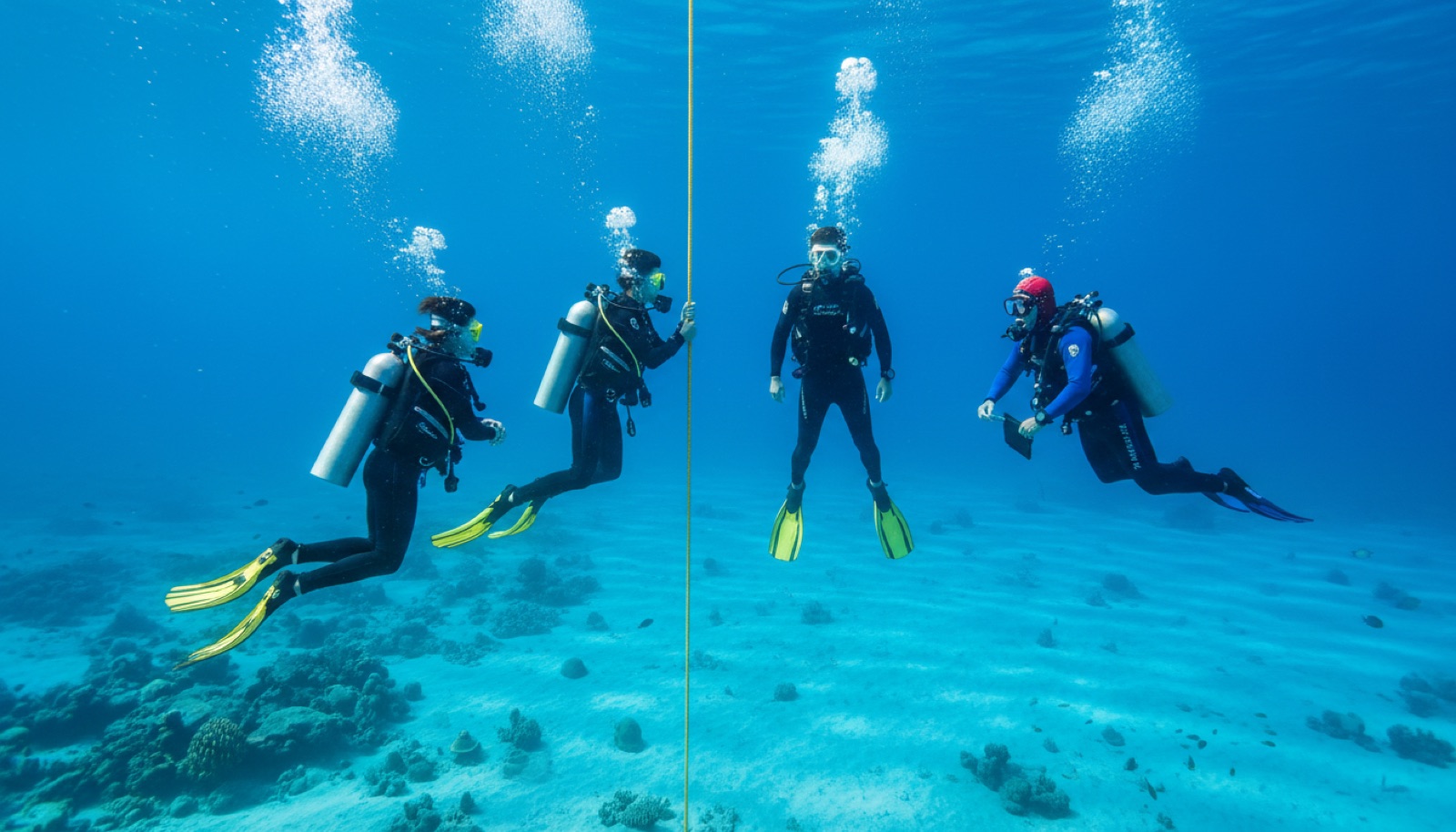
Scuba Guide için yapay zeka destekli illüstrasyon: açıklayıcı amaçlıdır, belgesel fotoğraf değildir.
Bu bir eğitim kaynağıdır, talimat değil Ana akım ajans ve DAN öğretisine göre yazılmıştır. Bir kursu, brifingyi ya da dalış tıbbında uzman bir doktoru yerini alamaz. Şüphe duyduğunuzda bir web sitesine değil, bunlardan birine başvurun.

Every medication in a diver's toiletry bag raises two separate questions. Does the condition being treated allow diving? And does the drug itself behave acceptably under pressure? Both are questions for a physician, ideally one trained in dive medicine, because this is a corner of pharmacology with sparse research and real stakes. What a guide can responsibly offer is the framework: the categories, the concerns, and the questions worth bringing to the appointment. No dosages appear here, deliberately, and nothing below is advice to start, stop, or change any medication.

Why depth changes the math

Very few drugs have been formally studied under hyperbaric conditions, so dive medicine reasons from side-effect profiles. The recurring concerns: sedation, which can compound with nitrogen narcosis; dizziness or vertigo, which underwater are both hazards and confounders that can mimic or mask decompression symptoms; and timing, because a drug wearing off mid-dive can convert a managed problem into an emergency at depth. A side effect that is a shrug on land can be a genuine threat at 25 m.

Categories and their questions

  • Decongestants: the classic trap. Mainstream teaching discourages using them to dive through congestion. Relief can fade at depth and set up a reverse block on ascent, and the congestion itself was the warning.
  • Antihistamines: the sedating older generation raises the narcosis-stacking concern; the drowsiness question is individual and worth testing on land, with a physician's input.
  • Motion-sickness medication: legitimate and widely used by divers, trialed ashore first, timed per the label and professional advice.
  • Painkillers: beyond the underlying question of why you need one on a dive day, masking symptoms complicates the post-dive picture, since pain is key information in evaluating possible decompression sickness.
  • Antidepressants and psychiatric medication: many divers dive on stable, well-tolerated regimens after individual physician review; the condition, the specific drug, and stability all matter. Stopping medication in order to dive is emphatically not the move.
  • Malaria prophylaxis: relevant in much of the diving tropics. Some agents carry neuropsychiatric side-effect profiles that dive-medicine physicians often prefer to avoid in divers, since the effects can mimic or mask narcosis and decompression symptoms; alternatives exist, and the choice is destination-specific physician territory.
  • Antibiotics and short-term treatments: usually the question is the illness, not the drug. Sick enough to need treatment often means not well enough to dive.

Practical rules that always apply

Never trial a new medication for the first time on a dive day. Keep regular medications in original packaging, in carry-on luggage, with documentation for customs and clinics. Declare everything honestly on the medical questionnaire: the form routes you to exactly the conversation this guide keeps recommending. And know that Divers Alert Network runs medical information services that both divers and their physicians can consult on medication questions; pointing your own doctor there is often the fastest route to a well-informed answer. The underlying principle is older than any of the pharmacology: diving is done well or not at all, and a body that currently needs help to function is allowed to take the day off.


İyi belgelenmiş

İzle

Resmi kanallardan

Tüm videolar →

Cavern and Limited Mine: Understanding SSI’s New Extended Range Overhead…

SSI International · YouTube ↗ · Oct 06

How to make sushi rice at home

Monterey Bay Aquarium · YouTube ↗ · Sep 30

Videolar, içerik üreticilerinin kendi kanallarına yerleştirilmiş bağlantılardır. Hiçbir şeyi biz barındırmıyoruz; her şeyin kaynağını belirtiyoruz.

Avustralya, Yeni Zelanda ve Doğu Asya

Cairns & the Ribbon ReefsNingaloo ReefCoral Sea & Osprey ReefOkinawa & the Kerama IslandsPoor Knights IslandsTownsville & the YongalaGreen IslandIzu Peninsula

Karayipler ve Batı Atlantik

BonaireCozumelRiviera Maya & the CenotesBelize Barrier ReefGrand CaymanIsla Mujeres & CancúnRoatánTiger Beach & Grand Bahama

Avrupa, Atlantik & Akdeniz

Malta & GozoSilfra & IcelandThe AzoresCanary IslandsLarnaca & the ZenobiaScapa FlowArctic NorwayMadeira

Hint Okyanusu ve Doğu Afrika

North & South Malé AtollsAri AtollBaa Atoll & Hanifaru BayAliwal Shoal & UmkomaasMafia IslandMauritiusSeychellesSodwana Bay

Pasifik Adaları & Mikronezya

PalauChuuk (Truk) LagoonFakaravaKona, HawaiʻiRangiroaTaveuni & Rainbow ReefBeqa Lagoon & Pacific HarbourEspiritu Santo

Kızıldeniz & Orta Doğu

Sharm El Sheikh & Ras MohammedBrothers, Daedalus & St John'sDahabHurghada & El GounaMarsa Alam & the Deep SouthAqabaDaymaniyat IslandsMusandam Peninsula

Güneydoğu Asya & Mercan Üçgeni

Bali & Nusa PenidaKomodoRaja AmpatSipadan & MabulAnilaoCoronKoh TaoLembeh Strait

Amerika & Doğu Pasifik

Galápagos IslandsCocos IslandFlorida KeysSea of Cortez & Cabo PulmoSocorro & the RevillagigedosBritish ColumbiaCalifornia Channel IslandsCosta Rica Pacific Coast