Comparison · 4 min read
Drysuit vs Wetsuit: Which Exposure Suit for Which Diving
Temperature bands, cost, training, and travel weight: the honest tradeoffs between staying wet and staying dry, mapped to the destinations where each wins.
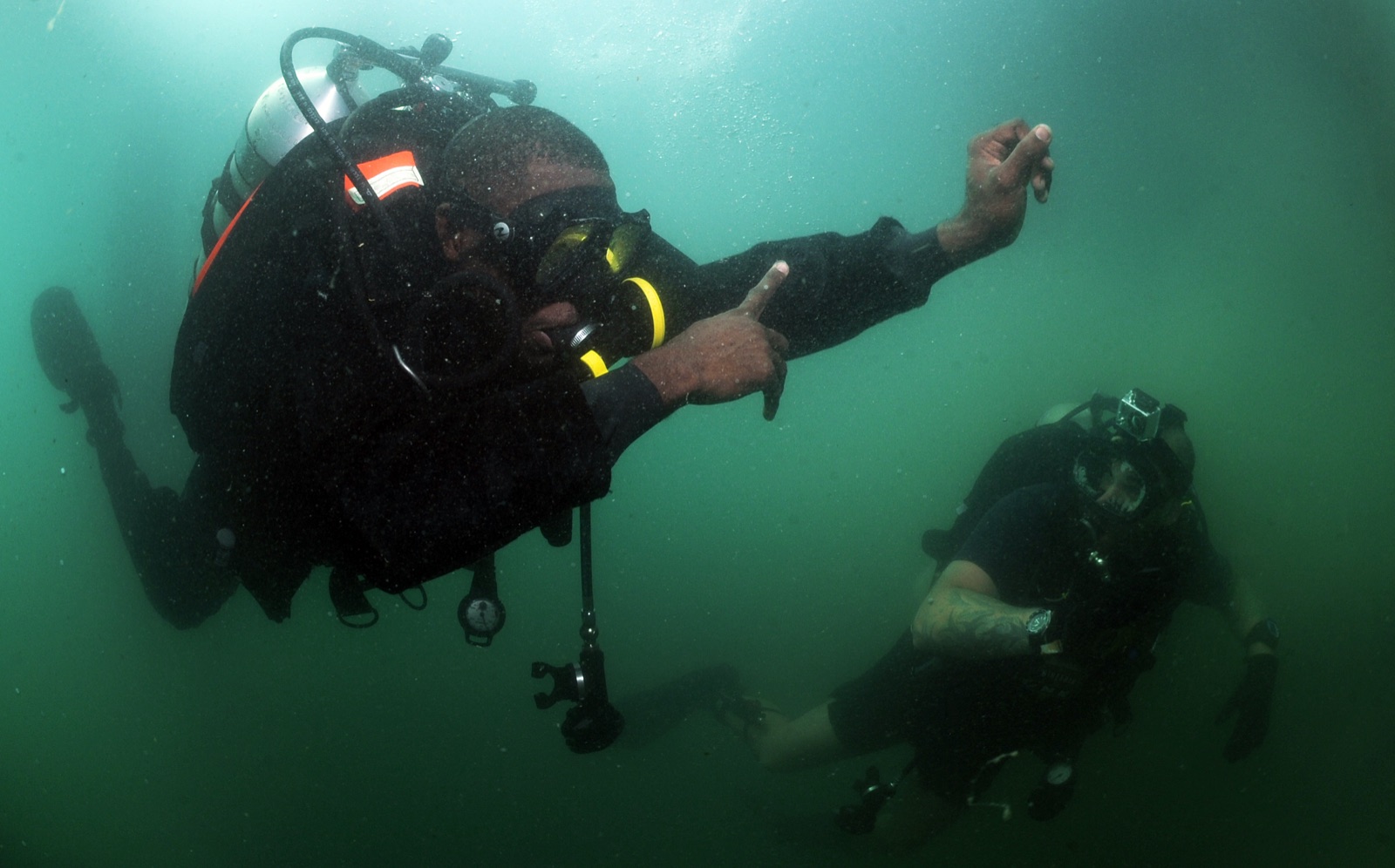
This choice is really a question about the water you intend to dive, so neither suit wins in general. A wetsuit works by trapping a thin layer of water your body heats, insulating through the neoprene itself. A drysuit keeps water out entirely with seals and a waterproof zipper, insulating through the air inside and the garments you wear under it, which is why a drysuit's warmth is adjustable and a wetsuit's is fixed at purchase.
Temperature casts the deciding vote
Rules of thumb most divers converge on, with personal cold tolerance moving the lines: above roughly 24 °C, a 3 mm suit or less is comfortable for most people (the Maldives year-round, for instance). From about 18–24 °C, 5–7 mm wetsuits do the job. Below the mid-teens, semi-dry suits and drysuits start winning on comfort, especially across multiple dives; below about 10 °C, drysuits become the sensible default. At the extreme, Silfra's 2–4 °C glacial water is drysuit diving, full stop, and operators there run it that way.
Cost and commitment
The wetsuit is the cheap, simple option: modest price, no training requirement, minimal maintenance. The drysuit is a system (suit, undergarments, and instruction) at several times the cost, with seals and zippers that need care and eventual replacement. The skills are real too: a drysuit adds a second air space to manage, and agencies teach a dedicated orientation or specialty for good reason. Get that training rather than improvising; buoyancy habits from wet diving transfer imperfectly, as the buoyancy fundamentals guide explains. As rough recent ranges: recreational wetsuits commonly run US$100–500 depending on thickness and build, while a drysuit system commonly lands between US$1,500 and US$3,500 once undergarments join the bill. Semi-dry suits split the difference for divers living at the boundary temperatures.
Comfort across a dive day
The under-appreciated difference is what happens between dives. A wet diver in wind on a winter boat gets cold and stays cold; a dry diver unzips, walks around warm, and starts dive two warm. On repetitive cold-water days that difference compounds into safety margin, not just comfort. In warm water the logic flips: a drysuit at 28 °C is an overheating problem looking for a surface interval.
| Wetsuit | Drysuit | |
|---|---|---|
| Comfort zone | Roughly 16 °C and warmer, by thickness | Roughly 16 °C and colder, adjustable by undergarments |
| Cost | Low to moderate | High, plus undergarments and servicing |
| Training | None beyond standard certification | Orientation or specialty course strongly advised |
| Buoyancy | One air space (BCD) | Two air spaces to manage |
| Travel | Light, packs small | Heavy and bulky in luggage |
| Best for | Tropical and temperate holidays, travel-first divers | Cold-water regions, repetitive days, year-round local diving |
Where each suit earns its keep
Wetsuit territory covers the entire tropical belt and most temperate holidays, including cooler-than-expected tropical sites like the Galápagos, where 7 mm suits with hoods are the standard answer. Drysuit territory is where diving's cold masterpieces live: Scapa Flow's battleships, British Columbia's invertebrate walls and giant Pacific octopus, Arctic Norway's orca season, and the crisper months at California's Channel Islands or New Zealand's Poor Knights. Divers who stay wet simply skip that half of the map, which is a legitimate choice, and the map's loss.
The bottom line
Buy for the diving you actually do most. A traveler diving two tropical weeks a year has no drysuit case; a diver logging weekends at home in cool water has no business shivering through a third 7 mm season. Many end up owning both, deploying each where it wins. And the cold-water diving guide covers the technique side of the colder half. Worth knowing before any purchase: rental drysuits are standard at the famous cold destinations, so a first cold-water trip does not require buying the system; operators at the glacial sites plan on dressing visitors from their own racks.