Voyage · 4 min de lecture
Family Dive Trips: Diving with Kids, Honestly
Children can start pool programs around eight and junior certifications from ten, with depth limits and adult-supervision rules attached. How to build a trip the whole family actually enjoys.
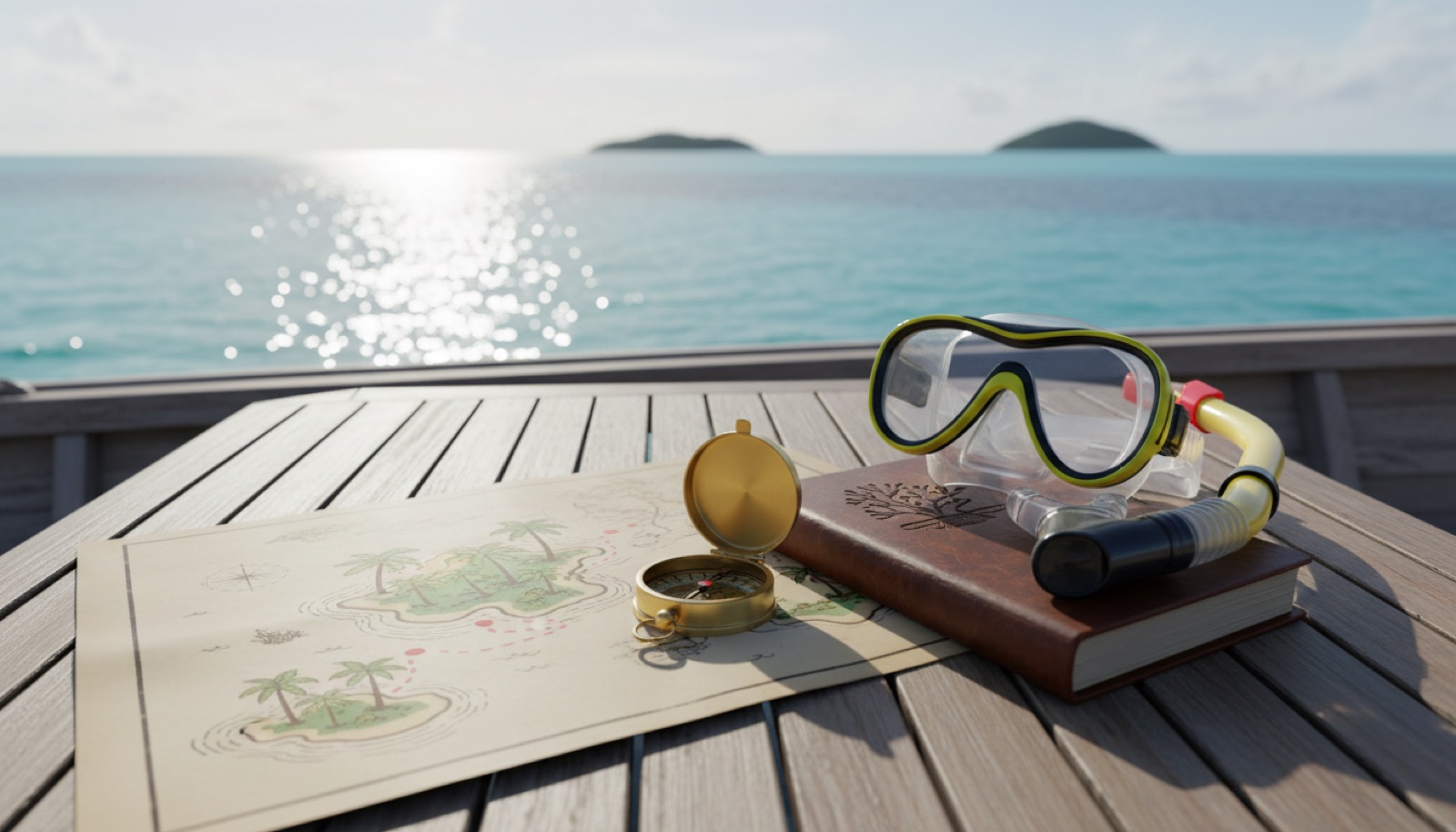
Can the kids actually dive? Earlier than most parents expect, and later than some eager ten-year-olds would like. Family dive travel works beautifully when the trip is built around what each child can genuinely do, and it curdles fast when a vacation becomes a pressure campaign. Here is the honest version.
What kids can do at what age
- Around age 8: pool and confined-water experience programs let children breathe from scuba gear in waist-deep safety, with no certification and no open water.
- Ages 10–11: junior open-water certification becomes available with most major agencies, typically limited to about 12 m and diving with a parent, guardian, or dive professional.
- Ages 12–14: junior certifications generally extend to about 18 m with a certified adult; exact numbers vary slightly by agency, so check the one you train with.
- From 15: junior restrictions lift and certifications convert to the standard adult version.
Treat these as the framework they are: agency rules set ceilings, and a sensible family dives well inside them.
Readiness is more than a birthday
Age qualifies a child; maturity qualifies a diver. The real tests are comfort in water over their head, the attention span to follow a briefing, the honesty to say when something feels wrong, and actual desire. A child who wants to dive is a joy to teach, and a child performing enthusiasm for a parent is a risk in the making. Medical questionnaires apply to children exactly as to adults, with physician review where anything flags. If in doubt, a season of confident snorkeling first is never wasted; neither is starting in a pool at home rather than on vacation day one.
Choosing the destination
The family shortlist reads: warm calm water, shallow interesting reefs, short boat rides, and things to do that are not diving. Confirm before booking, not on arrival, that the operator carries child-sized rental gear, from small BCDs and short wetsuits down to masks that seal on small faces, and that its instructors actually enjoy teaching kids. Bonaire's calm shore sites, Grand Cayman's shallow reefs and famously easy conditions, and the Florida Keys with their snorkel-friendly sanctuaries all work well, and resort house reefs anywhere shorten the distance between breakfast and the water. A kids' club and a pool buy the non-diving hours; so does a destination where the surface interval includes something better than a hot boat deck.
Structuring the days
One good dive a day is plenty for younger divers (mornings, when seas are calmest and energy is highest), with the afternoon surrendered to the beach. Keep sessions short, warm, and shallow; children chill faster than adults and rarely announce it. Pair each child with a pro or a certified parent per the rules, brief them like the divers they are, and make the logbook a ritual with stamps, fish lists, and terrible drawings. The families who do this well produce something rare: teenagers who still want to go on vacation with their parents, provided there is a reef involved.