Health · 5 min read
Fitness to Dive: What It Actually Means
Fitness to dive is two questions (medical suitability and physical capacity), and neither is answered by a six-pack. How the screening system works and where a dive-medicine physician fits in.
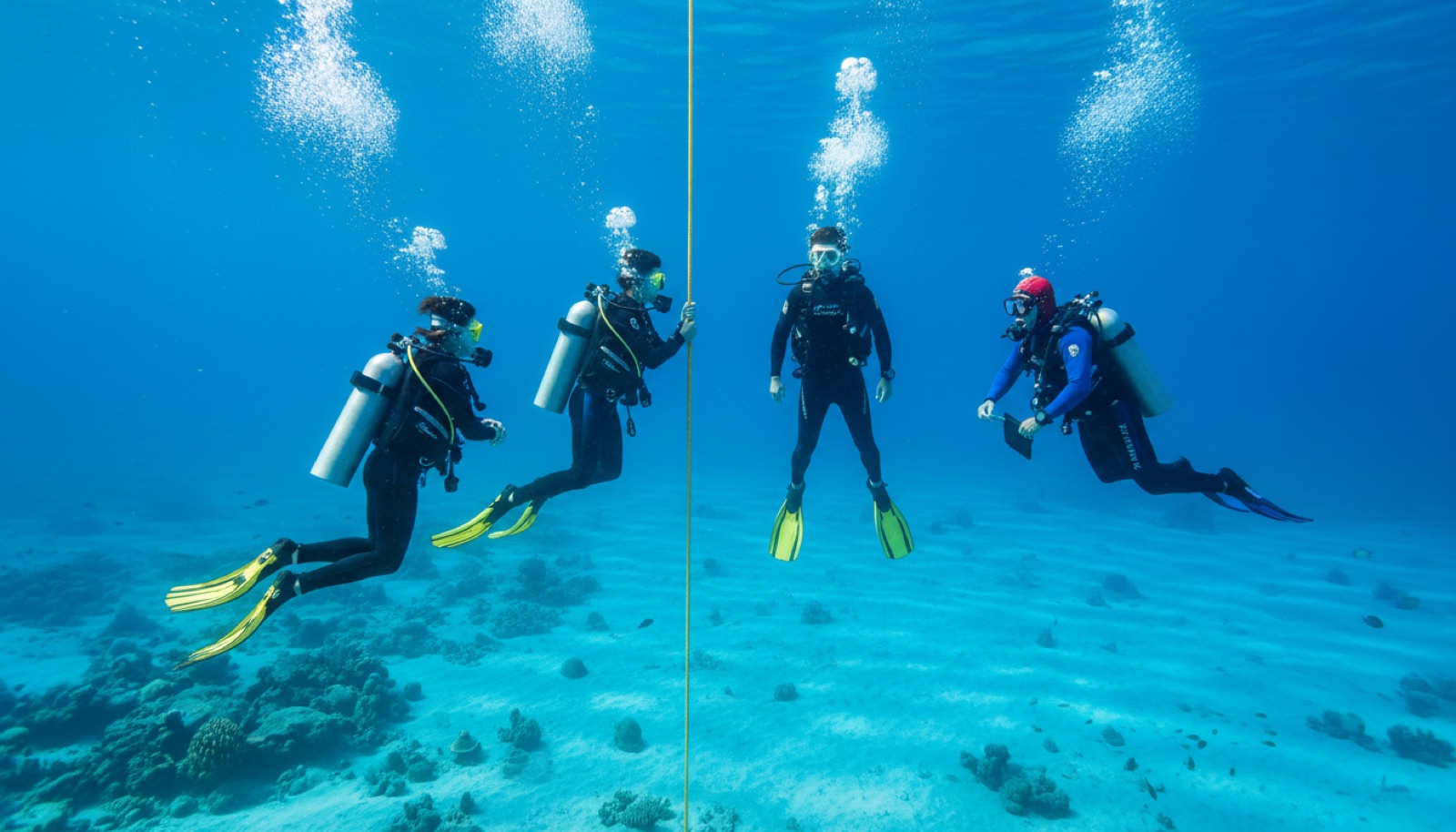
Fitness to dive is not a physique question. It is two separate questions that the sport, sensibly, asks everyone: is there a medical reason pressure and immersion could hurt you, and do you have the physical capacity for the moments when diving briefly stops being relaxing? This guide describes how the system answers them. It is information, not medical advice, and the individual answers belong to you and a physician, ideally one trained in dive medicine.
The medical screen, demystified
Before training and many trips, divers complete a standardized medical questionnaire developed for the training agencies. Answering yes to items on it does not ban you from diving; it routes you to a physician for evaluation, and most evaluated divers dive. Conditions the screen takes seriously include heart and lung disease, asthma, diabetes, seizure disorders, ear and sinus surgery, and psychological conditions and their medications: areas where immersion, pressure, exertion, or a remote setting could turn a managed condition into an emergency. A few findings are treated in mainstream teaching as incompatible with diving, a history of spontaneous pneumothorax being the classic example; most others are case-by-case calls that dive-medicine physicians make every week. Answer honestly. The form exists to protect you at depth, not to gatekeep a hobby, and a hidden condition does not stay hidden from physiology.
The capacity question
Diving is mostly gentle, which is exactly why the exceptions matter. A surface swim against current, a long fin back to the boat, hauling yourself up a ladder in full kit in chop, assisting a buddy: the sport occasionally bills you for surge capacity with no notice. Cardiovascular events are consistently among the leading causes of diving fatalities, particularly in middle-aged and older divers, which is the strongest argument for treating general fitness as dive gear: regular aerobic exercise, attention to cardiovascular risk factors, and periodic medical review as the years accumulate. There is no age limit in diving (function, not birthdays, is the standard), but function has to actually be there.
Fit today is a separate question
- Rested, fed, and hydrated: fatigue and dehydration both degrade judgment and are considered risk factors for decompression stress.
- Sober, and not wrecked from last night; alcohol and diving do not share a day gracefully.
- Not congested: if you cannot equalize, you cannot descend safely, and medicating through congestion is discouraged in mainstream teaching.
- Not testing a new medication for the first time on a dive day.
- Willing to sit out: any diver can call any dive, and skipping one is cheaper than every alternative.
Coming back after time away
Returning after years off, an illness, surgery, or a significant new diagnosis deserves two conversations: one with a physician about medical clearance, one with an instructor about a refresher. Divers Alert Network maintains medical information services and can point you and your doctor toward dive-medicine expertise, a resource worth knowing before the question is urgent. The sport is generous to those who meet it honestly; it just insists on the honesty first.