Santé · 4 min de lecture
Recognizing DCS Symptoms
The signs of decompression sickness divers actually miss, why denial is the classic complication, and the trained first response. Informational only: emergencies go through EMS and DAN.
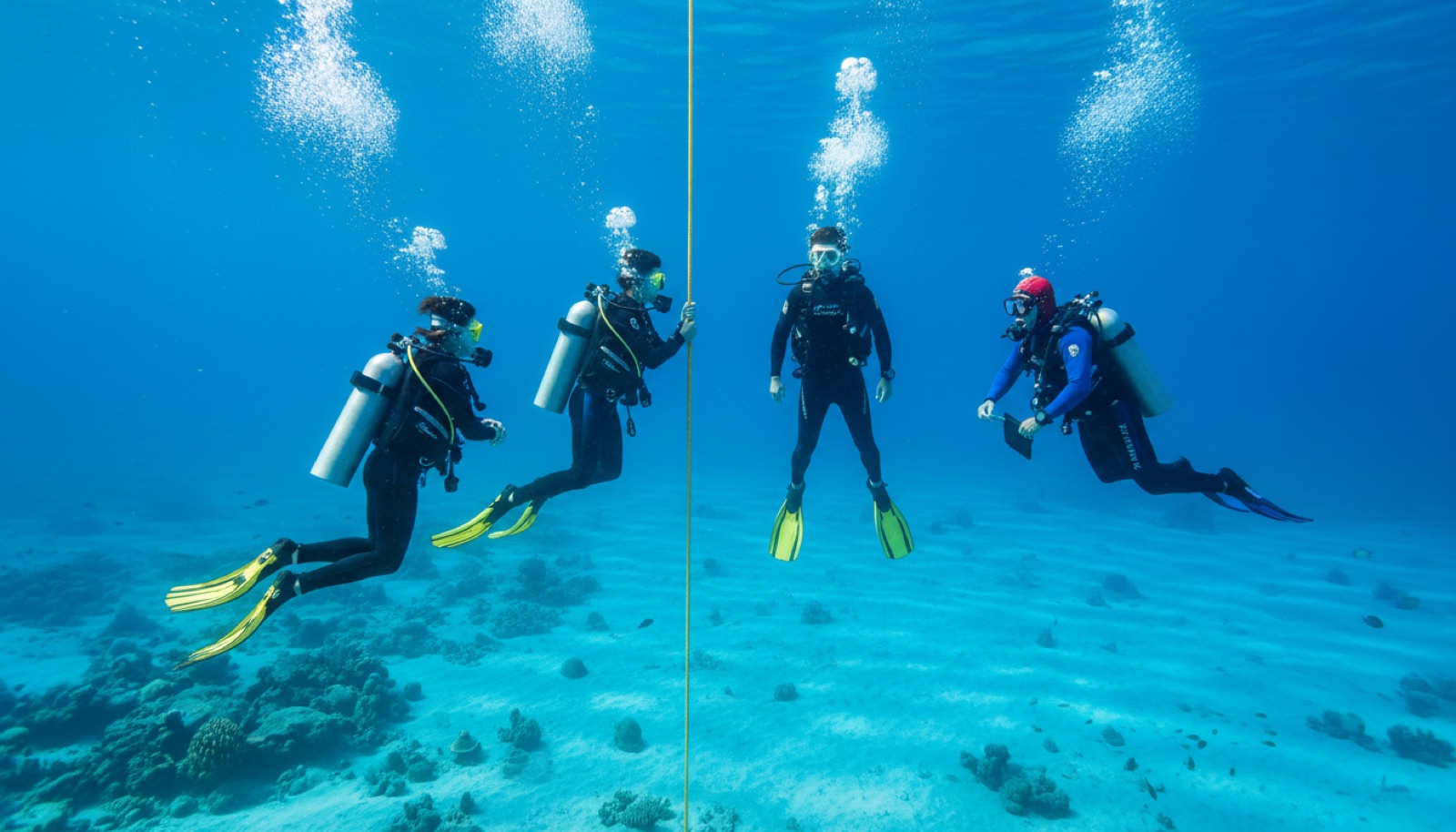
The dangerous thing about decompression sickness is not that it is dramatic; it is that it usually is not. Textbook images of agonized joint pain exist, but the common presentations are mundane (tiredness, an ache, pins and needles), and they arrive after the dive, on a boat full of plausible alternative explanations. Heavy tanks, sunburn, a rough ladder climb, last night's dinner: divers are inventive narrators, and the medical literature and DAN case files repeat one theme endlessly, which is delay. Knowing the picture, and reporting it early, is a core safety skill.
What DCS commonly looks like
- Unusual, disproportionate fatigue: the classic underrated sign, a heaviness out of scale with the day's exertion.
- Pain in or near joints, typically deep, aching and constant rather than sharp with movement; shoulders and elbows are frequent sites.
- Numbness, tingling or patchy odd sensations, often in limbs, sometimes migrating.
- Weakness, poor coordination or balance trouble, dizziness.
- Skin symptoms: itching, and particularly a blotchy, marbled rash, which is taken seriously as a marker.
- Serious neurological presentations: difficulty walking or standing, bladder or bowel dysfunction, confusion, vision or speech disturbance, chest symptoms or breathing difficulty. These are emergencies without any further deliberation.
Timing matters for recognition: symptoms most often begin within the first hours after surfacing, and the large majority appear within 24 hours. Symptoms that start during or immediately after ascent, or that progress steadily, sit at the urgent end. Anything neurological after diving is treated as serious regardless of how mild it seems.
The trained response
Agencies and DAN teach a simple sequence, and its simplicity is the point under stress. Stop all diving. Place the diver on the highest concentration of oxygen available: dive operations carry emergency oxygen for exactly this, and oxygen-provider courses teach its use. Keep the diver resting and hydrated if fully alert. Contact emergency services and the DAN emergency line (+1-919-684-9111, collect accepted; DAN Europe and DAN Asia-Pacific run regional hotlines). Their on-call staff coordinate evaluation and, when needed, transfer to a recompression facility under medical direction. Do not attempt in-water recompression; mainstream training rejects it for recreational divers. Do not delay the call to see if things improve, and note the dive profile details (depths, times, gas, ascent behavior), because responders will ask.
The gray zone and the culture problem
Much real-world difficulty lives in ambiguity: a sore shoulder that might be the tank lift, tingling fingers that might be a tight wetsuit. The professional habit is to treat post-dive symptoms as diving-related until someone qualified says otherwise, because the inexpensive responses (oxygen, a phone call, skipping the afternoon dive) cost almost nothing, while wrongly dismissed DCS can convert into lasting injury. No one credible will criticize a diver for a precautionary DAN call; the hotline exists substantially for exactly these uncertain cases, and callers are talked through evaluation rather than scolded.
Two closing cautions keep this honest. First, this guide is orientation, not diagnosis: DCS presentation overlaps with other conditions, including serious non-diving ones, and sorting that out is physician work, specifically physicians trained in dive medicine. Second, prevention remains the better chapter: conservative profiles, slow ascents, hydration and honest self-assessment shrink the odds of ever needing this page. But every diver shares boats with other divers, and the one who recognizes a marbled rash or unexplainable exhaustion for what it might be is, occasionally, the most important person aboard.