Basics · 4 min read
Refresher Courses: Getting Back in the Water
Certifications never expire but skills do. When a refresher is worth doing, what one actually covers, and how to come back from a long layoff without wasting trip days.
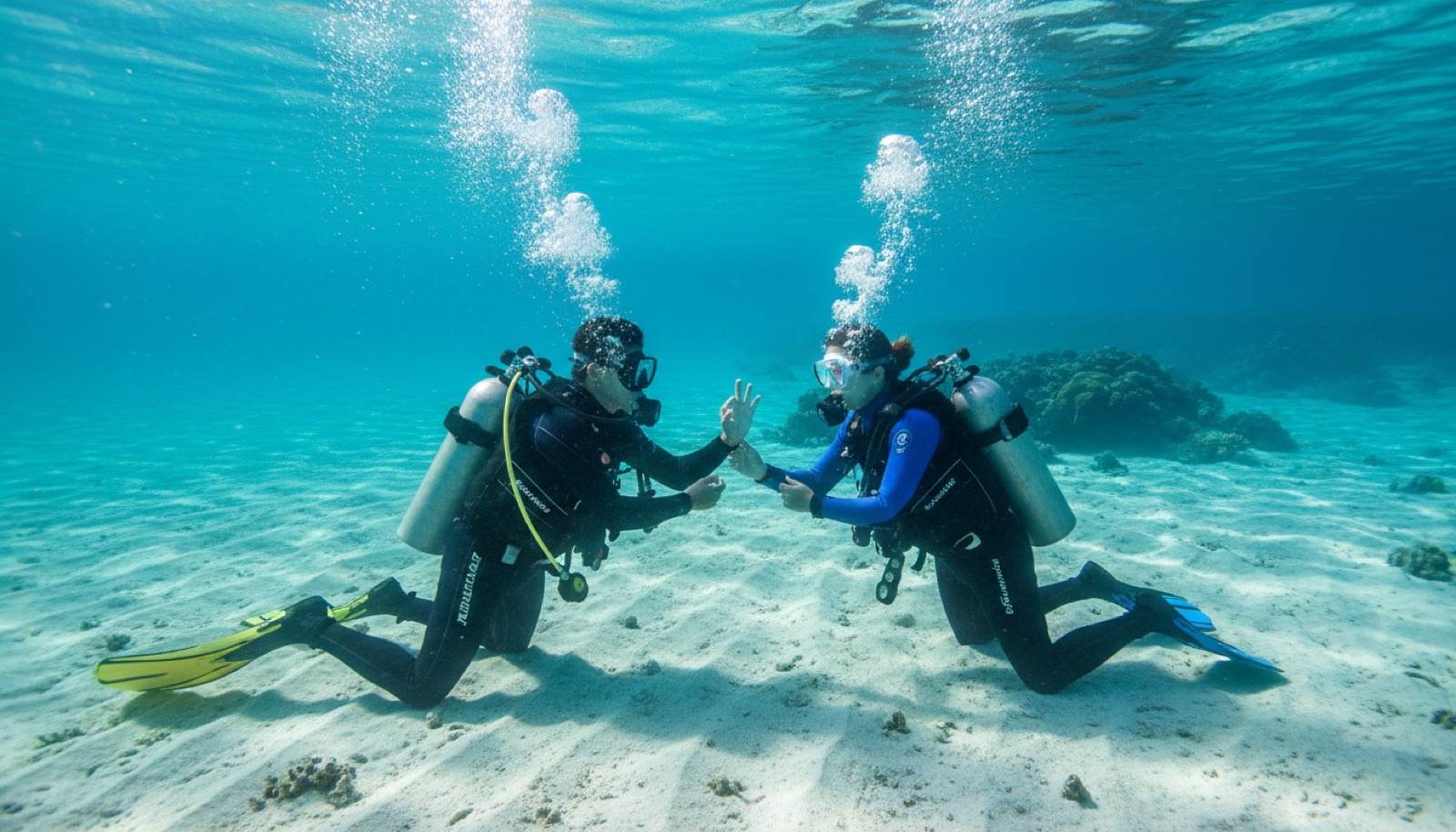
Scuba certifications are issued for life, which is generous of the agencies and slightly misleading about how skills work. Muscle memory for mask clearing, weighting instincts, gas awareness and emergency procedures all decay quietly between dives, and the diver who last blew bubbles four years ago is not the diver whose name is on the card. Refresher programs exist to close that gap cheaply and without judgment.
When you actually need one
Agency guidance and dive-shop practice converge on a simple rule of thumb: after six to twelve months dry, do at least a guided warm-up dive; after several years, do a structured refresher with skills practice; after a decade or a shaky history, treat yourself as nearly new and say so. Beyond the calendar, honest self-assessment matters more. Could you, right now, recover a regulator swept from your mouth, share air, and estimate the weight you need in a 3 mm suit with an aluminum tank? Hesitation on any of those is the answer. Operators in many destinations will also ask when you last dived and may require a checkout or refresher before boat diving if the gap is long. Arguing with that policy is a poor start to a trip.
What a refresher covers
The standard products (PADI ReActivate, SSI Scuba Skills Update, and equivalent shop-branded programs) pair a knowledge review with a confined-water session of roughly one to two hours. Expect to re-cover:
- Gear assembly and pre-dive checks, done by you rather than watched.
- The core problem skills: mask flood and clear, regulator recovery, alternate air source use.
- A proper weight check and buoyancy practice, which is where most rust actually lives.
- Planning refreshers: computer use, ascent rates, safety stops, air management.
Cost is typically 60–150 USD in a pool, or a little more when run as a supervised shallow ocean dive. Some shops fold the confined session into your first boat day as a checkout dive; that works well for shorter gaps, less well after many years, because a busy boat is a bad classroom.
Getting the most from the comeback
Do the refresher at home before a big trip rather than spending the first morning of a seven-day vacation in a resort pool. Or, if it must happen at the destination, book it for arrival day when you cannot dive anyway. Redo the theory honestly instead of clicking through; the questions you miss are a map of what else has faded. Ask the instructor to include a real weight check, since bodies, suits and gear have usually all changed since the last logbook entry. And plan the first post-refresher dives deliberately: easy sites, modest depths, benign conditions, a conservative computer setting, and a buddy or guide who knows you are shaking off rust.
There is no stigma in any of this. Instructors run refreshers constantly, returning divers are their favorite kind of student, and the alternative (quietly bluffing through a first dive while overweighted, task-loaded and behind the group) is how avoidable problems start. Two hours in a pool buys back years of comfort; it is the best value in diving after the certification itself.