Sites de plongée, saisons et vie marine — recherchés, cartographiés, planifiés.
Menu
Destinations Sites de plongée Vie marine Épaves Actualités
Planifier un voyage Planificateur de séjour Quand plonger Calculateur de coût Comparaisons Calendrier de la faune marine Température de l'eau Liveaboards Opérateurs & resorts Parcs marins Caissons hyperbares Carte du monde
Régions Australie, Nouvelle-Zélande & Asie de l'EstCaraïbes & Atlantique occidentalEurope, Atlantique & MéditerranéeOcéan Indien & Afrique de l'EstÎles du Pacifique & MicronésieMer Rouge & Moyen-OrientAsie du Sud-Est et Triangle de CorailLes Amériques et Pacifique Est Pays
Apprendre & Outils Tous les guides Certifications Guides d'équipement Vidéos Interroger les données Agents IA API
À propos À propos de nous Méthodologie Avertissement Contact
Votre vue
★ Enregistré

Vos destinations, sites et espèces favoris — enregistrés dans ce navigateur.

API GATEWAY

Accès JSON gratuit en lecture seule aux données en cache de l'atlas.

Mode sombre

🧭 Vue Guidée
Nouveau dans la plongée — profondeurs, courants, niveaux de certification ? Nous expliquons chaque terme au fil de votre navigation, en langage clair. Les mêmes données, avec l'aide intégrée.

⚡ Vue Expert
Vous connaissez déjà la différence entre un tombant et un drift. Juste les données — claires, rapides et compactes. C'est la vue par défaut.

Langue de l'interface

Santé · 5 min de lecture

Seasickness: Prevention, Damage Control, and Dignity

Motion sickness can hit anyone, and dive boats are built to provoke it. Prevention that starts the night before, what actually helps on board, and the underwater protocol nobody enjoys discussing.
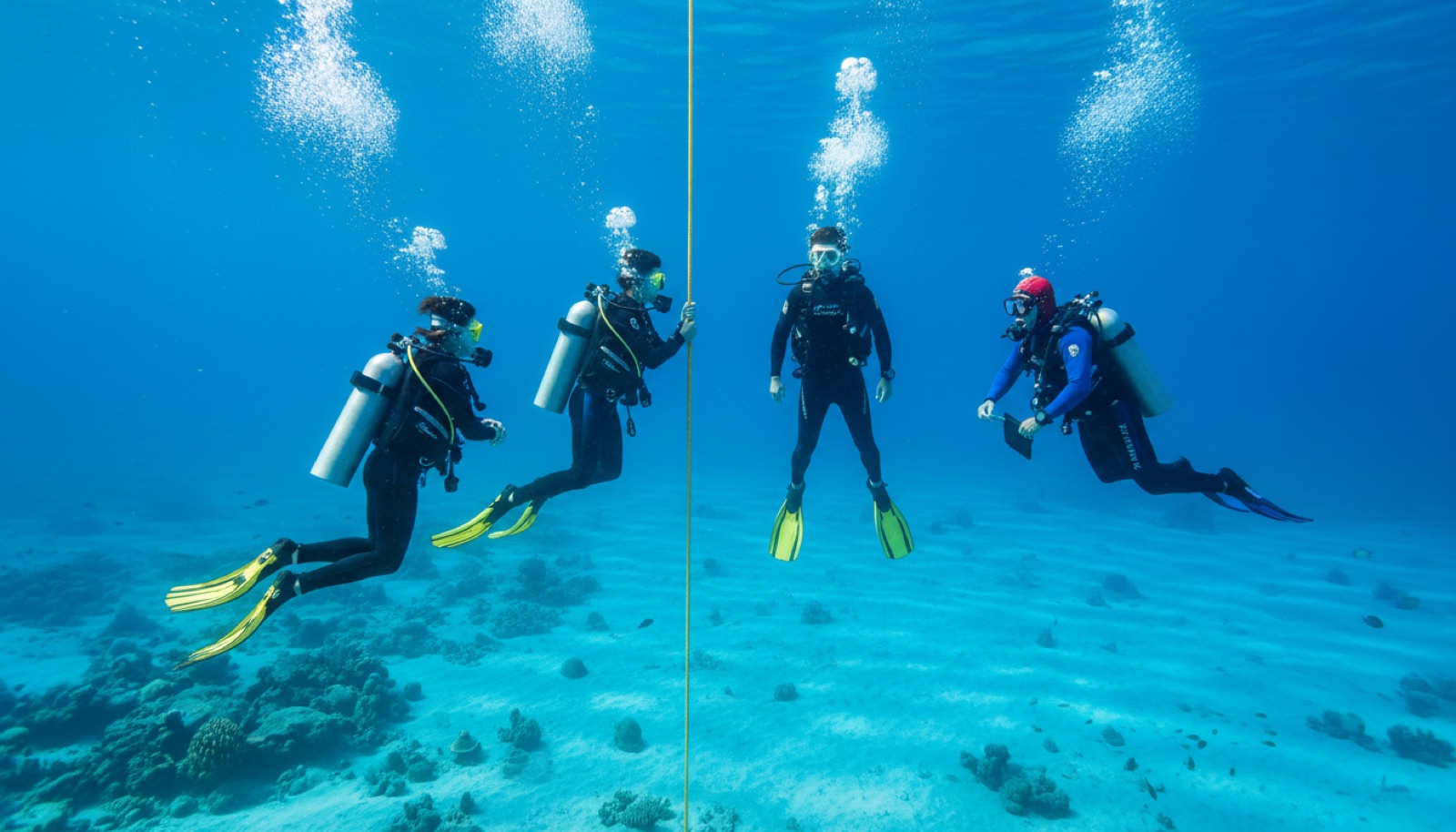
Illustration générée par IA pour The Scuba Atlas — illustrative, et non une photographie documentaire.
Ceci est de l'information, pas de la formation Rédigé selon les enseignements des agences grand public et du DAN. Il ne remplace pas une formation, un briefing, ni un médecin spécialisé en médecine de plongée — en cas de doute, consultez l'un d'eux, pas un site web.

Seasickness is a great equalizer — it has humbled admirals, instructors, and people who swore they never get sick. On dive boats it is so common that crews have the routine down to choreography. The good news: prevention genuinely works, management is learnable, and almost nobody has to give up boat diving over it.

The night before matters

Prevention starts ashore. Sleep properly, go easy on alcohol and heavy, greasy food, and hydrate — a rough night is the most reliable seasickness accelerant there is. If you know you are susceptible, talk to a physician or pharmacist before the trip about motion-sickness medication. The options include over-the-counter tablets and prescription patches; what matters for divers is choosing something non-impairing for you personally, which is why the mainstream advice is to trial any medication on land, well before the trip, and see how drowsy it makes you. Sedation that is a nuisance on a ferry is a genuine problem underwater, where it can compound with nitrogen narcosis. Timing matters too — most options need to be started before the boat moves, per the label and your physician's advice. No dosages here, deliberately: that conversation belongs with a professional who knows your health.

On the boat

  • Position is medicine: midship, low, and in fresh air is the gentlest ride; cabins, enclosed heads, and engine-exhaust corners are the worst.
  • Eyes on the horizon, not on screens, logbooks, or camera menus while underway.
  • Keep something plain in your stomach; empty is worse than full for most people.
  • Ginger has modest supporting evidence and no downside for most; acupressure wristbands have mixed evidence — harmless to try, unwise to rely on.
  • Gear up early and calmly; fumbling with kit head-down in a rolling stern is the classic trigger.

If it hits anyway

Go to the leeward rail — downwind — and stay on deck where you can see the horizon; below deck makes everything worse. Tell the crew: they have seen it all, and someone should be keeping an eye on anyone leaning over a rail in chop. Sip water afterward. Here is the counterintuitive part: many seasick divers feel dramatically better underwater, where the rolling stops, so a prompt, well-managed descent is sometimes the kindest treatment — while a diver who is exhausted, dehydrated, and still retching should sit the dive out, and it is the crew's and buddy's job to make that easy to say.

The underwater question

Yes, it can happen at depth, and the mainstream teaching is unambiguous: keep the regulator in your mouth. Regulators pass vomit; what they do not forgive is being ripped out at 20 m. Purge or exhale sharply afterward, breathe, signal your buddy, and ascend normally if you want to end the dive. It is unglamorous and it works.

Playing the long game

Chronically susceptible divers stack the deck: larger and heavier boats, calm-season bookings, midship cabins on liveaboards, destinations with short crossings or shore diving. Most people also habituate over consecutive days at sea. Seasickness is physiology, not weakness — manage it like weather, and it stops deciding your trips.

Bien documenté

Regarder

Depuis les canaux officiels

Toutes les vidéos →

The Art of Marine Life

PADI · YouTube ↗ · Aug 31

Best Places to Dive with Whale Sharks

PADI · YouTube ↗ · Aug 30

Les vidéos sont des liens intégrés vers les chaînes de leurs créateurs — nous n'hébergeons rien et créditons tout.

Australie, Nouvelle-Zélande & Asie de l'Est

Cairns & the Ribbon ReefsNingaloo ReefCoral Sea & Osprey ReefOkinawa & the Kerama IslandsPoor Knights IslandsTownsville & the YongalaGreen IslandIzu Peninsula

Caraïbes & Atlantique occidental

BonaireCozumelRiviera Maya & the CenotesBelize Barrier ReefGrand CaymanIsla Mujeres & CancúnRoatánTiger Beach & Grand Bahama

Europe, Atlantique & Méditerranée

Malta & GozoSilfra & IcelandThe AzoresCanary IslandsLarnaca & the ZenobiaScapa FlowArctic NorwayMadeira

Océan Indien & Afrique de l'Est

North & South Malé AtollsAri AtollBaa Atoll & Hanifaru BayAliwal Shoal & UmkomaasMafia IslandMauritiusSeychellesSodwana Bay

Îles du Pacifique & Micronésie

PalauChuuk (Truk) LagoonFakaravaKona, HawaiʻiRangiroaTaveuni & Rainbow ReefBeqa Lagoon & Pacific HarbourEspiritu Santo

Mer Rouge & Moyen-Orient

Sharm El Sheikh & Ras MohammedBrothers, Daedalus & St John'sDahabHurghada & El GounaMarsa Alam & the Deep SouthAqabaDaymaniyat IslandsMusandam Peninsula

Asie du Sud-Est et Triangle de Corail

Bali & Nusa PenidaKomodoRaja AmpatSipadan & MabulAnilaoCoronKoh TaoLembeh Strait

Les Amériques et Pacifique Est

Galápagos IslandsCocos IslandFlorida KeysSea of Cortez & Cabo PulmoSocorro & the RevillagigedosBritish ColumbiaCalifornia Channel IslandsCosta Rica Pacific Coast
