Siti di immersione, stagioni e fauna marina — ricercati, mappati, pianificati.
Menu
Destinazioni Siti di immersione Vita marina Relitti Notizie
Pianifica un viaggio Pianificatore di viaggi Quando immergersi Calcolatore dei costi Confronti Calendario della fauna marina Temperatura dell'acqua Liveaboard Operatori & resort Parchi marini Camere iperbariche Mappa del mondo
Regioni Australia, Nuova Zelanda e Asia OrientaleCaraibi e Atlantico occidentaleEuropa, Atlantico e MediterraneoOceano Indiano e Africa OrientaleIsole del Pacifico & MicronesiaMar Rosso & Medio OrienteAsia meridionale e Triangolo dei CoralliLe Americhe e il Pacifico orientale Paesi
Impara e strumenti Tutte le guide Brevetti Guide all'attrezzatura Video Interroga i dati AI Agent API
Informazioni Chi siamo Metodologia Disclaimer Contatti
La tua vista
★ Salvato

Le tue destinazioni, siti e specie preferiti — salvati in questo browser.

API GATEWAY

Accesso JSON gratuito in sola lettura ai dati in cache dell'atlante.

Modalità scura

🧭 Visualizzazione Guidata
Sei nuovo alle immersioni — profondità, correnti, livelli di brevetto? Spieghiamo ogni termine mentre navighi, in modo semplice e chiaro. Gli stessi dati, con il supporto integrato.

⚡ Visualizzazione Esperta
Conosci già la differenza tra una parete e una drift dive. Solo i dati — chiari, rapidi e compatti. Questa è la visualizzazione predefinita.

Lingua dell'interfaccia

Salute · 5 min di lettura

Seasickness: Prevention, Damage Control, and Dignity

Motion sickness can hit anyone, and dive boats are built to provoke it. Prevention that starts the night before, what actually helps on board, and the underwater protocol nobody enjoys discussing.
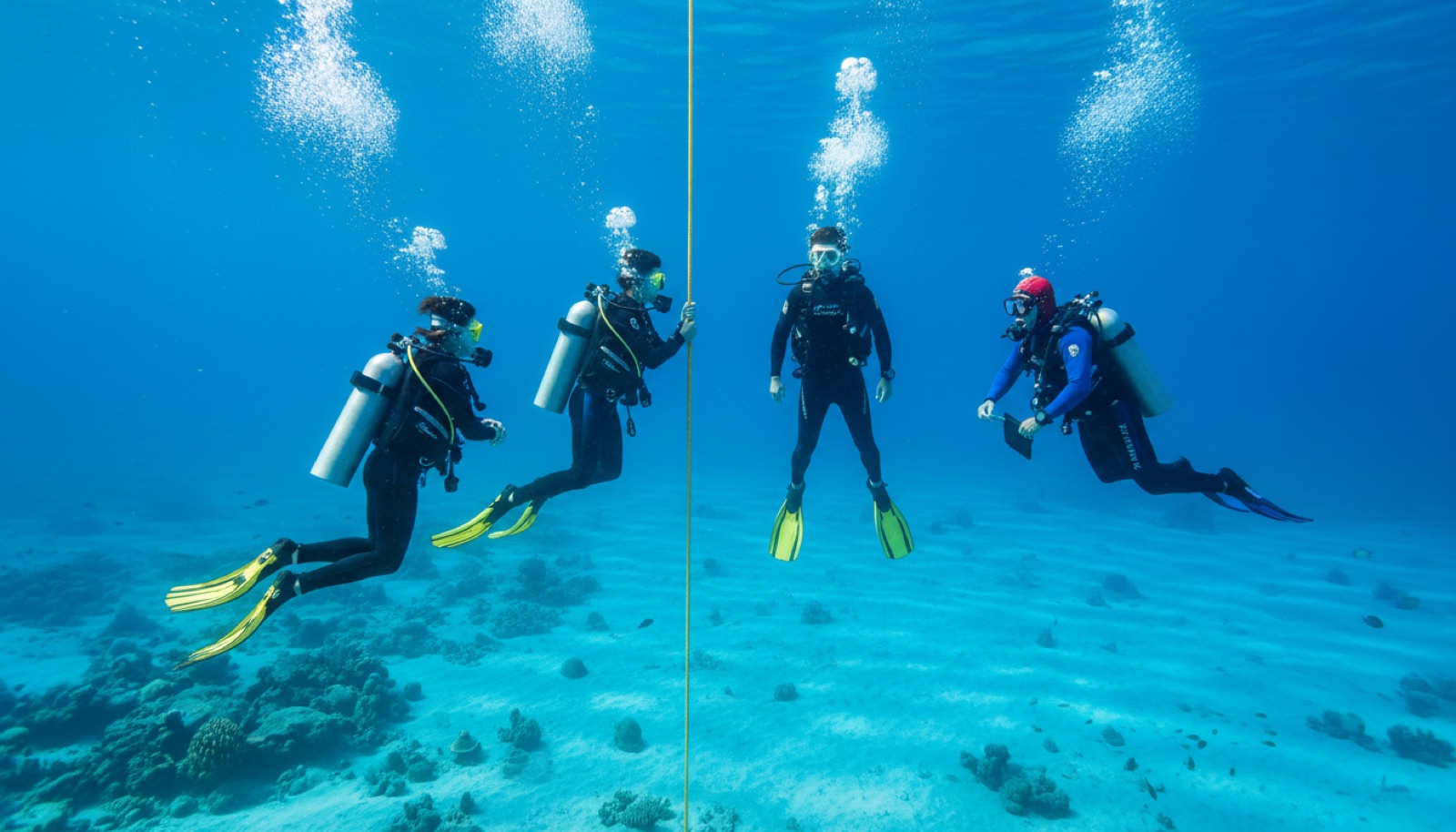
Illustrazione generata dall'AI per The Scuba Atlas — a scopo illustrativo, non fotografia documentaria.
Questo è materiale informativo, non istruzionale Redatto in linea con gli standard delle principali agenzie e dell'insegnamento DAN. Non può sostituire un corso, un briefing o un medico specializzato in medicina subacquea — in caso di dubbio, rivolgiti a loro, non a un sito web.

Seasickness is a great equalizer — it has humbled admirals, instructors, and people who swore they never get sick. On dive boats it is so common that crews have the routine down to choreography. The good news: prevention genuinely works, management is learnable, and almost nobody has to give up boat diving over it.

The night before matters

Prevention starts ashore. Sleep properly, go easy on alcohol and heavy, greasy food, and hydrate — a rough night is the most reliable seasickness accelerant there is. If you know you are susceptible, talk to a physician or pharmacist before the trip about motion-sickness medication. The options include over-the-counter tablets and prescription patches; what matters for divers is choosing something non-impairing for you personally, which is why the mainstream advice is to trial any medication on land, well before the trip, and see how drowsy it makes you. Sedation that is a nuisance on a ferry is a genuine problem underwater, where it can compound with nitrogen narcosis. Timing matters too — most options need to be started before the boat moves, per the label and your physician's advice. No dosages here, deliberately: that conversation belongs with a professional who knows your health.

On the boat

  • Position is medicine: midship, low, and in fresh air is the gentlest ride; cabins, enclosed heads, and engine-exhaust corners are the worst.
  • Eyes on the horizon, not on screens, logbooks, or camera menus while underway.
  • Keep something plain in your stomach; empty is worse than full for most people.
  • Ginger has modest supporting evidence and no downside for most; acupressure wristbands have mixed evidence — harmless to try, unwise to rely on.
  • Gear up early and calmly; fumbling with kit head-down in a rolling stern is the classic trigger.

If it hits anyway

Go to the leeward rail — downwind — and stay on deck where you can see the horizon; below deck makes everything worse. Tell the crew: they have seen it all, and someone should be keeping an eye on anyone leaning over a rail in chop. Sip water afterward. Here is the counterintuitive part: many seasick divers feel dramatically better underwater, where the rolling stops, so a prompt, well-managed descent is sometimes the kindest treatment — while a diver who is exhausted, dehydrated, and still retching should sit the dive out, and it is the crew's and buddy's job to make that easy to say.

The underwater question

Yes, it can happen at depth, and the mainstream teaching is unambiguous: keep the regulator in your mouth. Regulators pass vomit; what they do not forgive is being ripped out at 20 m. Purge or exhale sharply afterward, breathe, signal your buddy, and ascend normally if you want to end the dive. It is unglamorous and it works.

Playing the long game

Chronically susceptible divers stack the deck: larger and heavier boats, calm-season bookings, midship cabins on liveaboards, destinations with short crossings or shore diving. Most people also habituate over consecutive days at sea. Seasickness is physiology, not weakness — manage it like weather, and it stops deciding your trips.

Ben documentato

Guarda

Dai canali ufficiali

Tutti i video →

The Art of Marine Life

PADI · YouTube ↗ · Aug 31

Best Places to Dive with Whale Sharks

PADI · YouTube ↗ · Aug 30

I video sono link incorporati ai canali dei rispettivi autori — non ospitiamo nulla e diamo sempre credito a tutti.

Australia, Nuova Zelanda e Asia Orientale

Cairns & the Ribbon ReefsNingaloo ReefCoral Sea & Osprey ReefOkinawa & the Kerama IslandsPoor Knights IslandsTownsville & the YongalaGreen IslandIzu Peninsula

Caraibi e Atlantico occidentale

BonaireCozumelRiviera Maya & the CenotesBelize Barrier ReefGrand CaymanIsla Mujeres & CancúnRoatánTiger Beach & Grand Bahama

Europa, Atlantico e Mediterraneo

Malta & GozoSilfra & IcelandThe AzoresCanary IslandsLarnaca & the ZenobiaScapa FlowArctic NorwayMadeira

Oceano Indiano e Africa Orientale

North & South Malé AtollsAri AtollBaa Atoll & Hanifaru BayAliwal Shoal & UmkomaasMafia IslandMauritiusSeychellesSodwana Bay

Isole del Pacifico & Micronesia

PalauChuuk (Truk) LagoonFakaravaKona, HawaiʻiRangiroaTaveuni & Rainbow ReefBeqa Lagoon & Pacific HarbourEspiritu Santo

Mar Rosso & Medio Oriente

Sharm El Sheikh & Ras MohammedBrothers, Daedalus & St John'sDahabHurghada & El GounaMarsa Alam & the Deep SouthAqabaDaymaniyat IslandsMusandam Peninsula

Asia meridionale e Triangolo dei Coralli

Bali & Nusa PenidaKomodoRaja AmpatSipadan & MabulAnilaoCoronKoh TaoLembeh Strait

Le Americhe e il Pacifico orientale

Galápagos IslandsCocos IslandFlorida KeysSea of Cortez & Cabo PulmoSocorro & the RevillagigedosBritish ColumbiaCalifornia Channel IslandsCosta Rica Pacific Coast