Viaggi · 4 min di lettura
Traveling Solo as a Diver (Without Diving Solo)
Dive travel is one of the friendliest ways to go alone: boats assign buddies and the day has built-in structure. How to do it well, and why solo travel and solo diving are entirely different things.
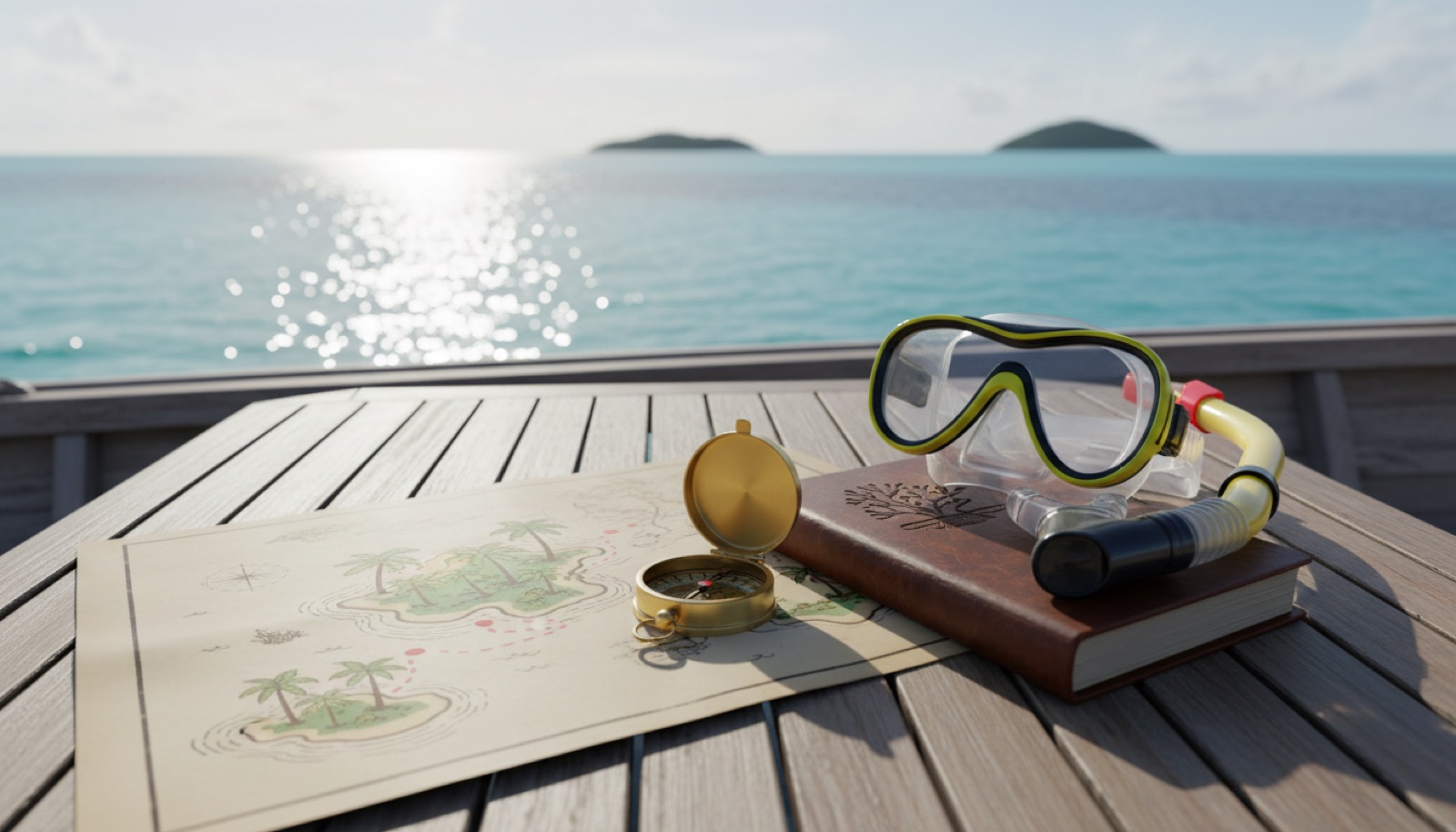
First, untangle two ideas that sound alike and are nothing alike. Traveling alone to go diving is common, sociable, and easy. Diving alone (entering the water without a buddy) is a specialized discipline with its own training, equipment, and prerequisites. This guide is about the first; it ends with a clear word on the second.
Why dive travel suits solo travelers
Diving arrives with a social structure most solo travel lacks. Boats run on briefings, buddy assignments, and shared surface intervals; by the second day the roster has names and by the last night it has dinner plans. Dive towns amplify the effect. Places like Dahab, Koh Tao, and Utila are full of people who showed up alone, and liveaboards are the purest version: a dozen strangers with one obsession, eating every meal together for a week. Nobody stays a stranger through forty logged dives of shared stories.
The practicalities
- Liveaboards often charge a single supplement for sole occupancy, but many offer shared twin cabins that dodge it. Ask when booking.
- Leave your itinerary, operator names, and insurance details with someone at home, and check in on a rhythm they know about.
- Choose operators with strong briefing and roll-call culture; the structure that keeps groups safe is worth even more when nobody on board knew you yesterday.
- Carry your own dive-accident insurance and emergency contacts: solo travelers have no companion to remember details for them.
The assigned-buddy dive, done right
Being paired with a stranger works fine when you treat the pairing seriously. Introduce yourself honestly (experience, comfort level, air consumption, camera habits) and ask the same. Agree on signals, turn pressure, maximum depth, and the lost-buddy procedure before splashing, then do a real buddy check rather than a nodding ceremony. In the water, hold the pairing: position, glances, air checks. If a mismatch is obvious, a quiet word with the guide fixes it without drama; guides rebalance buddy teams every week of their lives.
Solo diving is a different sport
Genuine solo diving (no buddy at all) exists as a recognized specialty, and it is emphatically not a travel style. Agencies that teach it typically require substantial experience, commonly around a hundred logged dives, plus dedicated training in self-rescue and fully redundant equipment: an independent air source, backup mask, cutting devices, and the planning discipline to use them. Many operators, boats, and marine parks do not permit solo diving regardless of certification. If self-sufficiency appeals to you, take the training and dive within its limits; never drift into buddyless diving by accident because a trip was booked for one. Traveling alone should mean choosing your own itinerary; underwater, it should look exactly like everyone else's well-run buddy team.
Two small habits round it out. Arrive a day before the diving starts and visit the shop in person: meeting the staff and sorting rental fit ashore beats doing it on a rolling deck among strangers. And book the first morning as an easy check dive; it recalibrates your weighting, shows the guide what kind of diver arrived, and earns you better buddy pairings for the rest of the week. Go alone, then. The ocean is excellent company, and the boat will not let you stay solitary for long.

