Siti di immersione, stagioni e fauna marina — ricercati, mappati, pianificati.
Menu
Destinazioni Siti di immersione Vita marina Relitti Notizie
Pianifica un viaggio Pianificatore di viaggi Quando immergersi Calcolatore dei costi Confronti Calendario della fauna marina Temperatura dell'acqua Liveaboard Operatori & resort Parchi marini Camere iperbariche Mappa del mondo
Regioni Australia, Nuova Zelanda e Asia OrientaleCaraibi e Atlantico occidentaleEuropa, Atlantico e MediterraneoOceano Indiano e Africa OrientaleIsole del Pacifico & MicronesiaMar Rosso & Medio OrienteAsia meridionale e Triangolo dei CoralliLe Americhe e il Pacifico orientale Paesi
Impara e strumenti Tutte le guide Brevetti Guide all'attrezzatura Video Interroga i dati AI Agent API
Informazioni Chi siamo Metodologia Disclaimer Contatti
La tua vista
★ Salvato

Le tue destinazioni, siti e specie preferiti — salvati in questo browser.

API GATEWAY

Accesso JSON gratuito in sola lettura ai dati in cache dell'atlante.

Modalità scura

🧭 Visualizzazione Guidata
Sei nuovo alle immersioni — profondità, correnti, livelli di brevetto? Spieghiamo ogni termine mentre navighi, in modo semplice e chiaro. Gli stessi dati, con il supporto integrato.

⚡ Visualizzazione Esperta
Conosci già la differenza tra una parete e una drift dive. Solo i dati — chiari, rapidi e compatti. Questa è la visualizzazione predefinita.

Lingua dell'interfaccia

Salute · 4 min di lettura

Sun, Heat, and Hydration on Dive Days

A tropical dive day is a quiet dehydration machine: sun, sweat, dry breathing gas, and immersion itself all drain you. Why that matters in dive medicine and the habits that counter it.
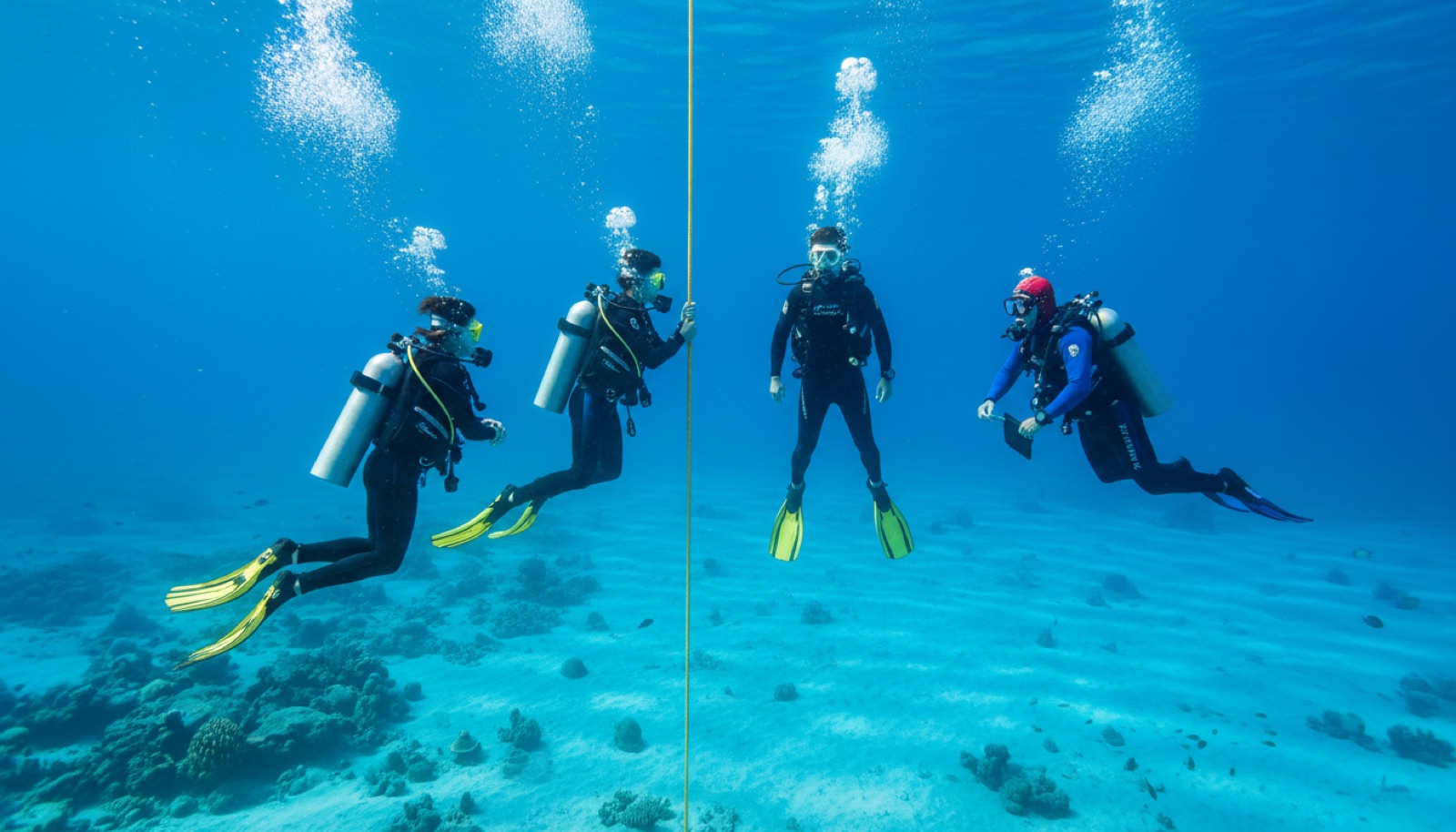
Illustrazione generata dall'AI per The Scuba Atlas — a scopo illustrativo, non fotografia documentaria.
Questo è materiale informativo, non istruzionale Redatto in linea con gli standard delle principali agenzie e dell'insegnamento DAN. Non può sostituire un corso, un briefing o un medico specializzato in medicina subacquea — in caso di dubbio, rivolgiti a loro, non a un sito web.

A tropical dive day is a dehydration machine with a pleasant user interface. You sweat inside black neoprene under an equatorial sun, breathe compressed gas with almost no moisture in it, lose fluid simply by being immersed, and quite possibly started the day short from last night's dinner wine. None of it feels dramatic, which is exactly the problem — and hydration is not just comfort, because dehydration is regarded in mainstream dive-medicine teaching as a contributing risk factor for decompression sickness.

Where the water goes

Four drains run at once on a dive day. Cylinder gas is extremely dry, so every breath exports moisture. Immersion shifts blood toward your core and signals the kidneys to shed fluid — the well-documented reason a dive so reliably ends with a full bladder, known as immersion diuresis. Sweat runs freely in a suit on deck before you ever splash. And seasickness, sunburn, and alcohol each pile on their own losses. A diver can end a routine two-tank morning meaningfully down on fluids without one moment of feeling thirsty.

Drinking like it matters

  • Sip steadily across the day rather than downing a liter at the dock; urine that runs pale is the rough gauge working in your favor.
  • Water does the job for most days; on sweat-heavy trips, occasional electrolyte drinks earn their place. Go easy on strong caffeine and skip alcohol entirely between dives.
  • Treat the evening honestly: drinking at dinner is part of dive travel for many people, and moderation plus water is the difference between a normal morning and diving with a hangover — which is impairment and dehydration wearing the same hat.
  • Rehydrate deliberately after the last dive, not just before the first.

Managing the heat

Heat problems on dive boats are mostly self-inflicted by scheduling: suiting up too early, then standing in the sun. Stage the suit — legs on, torso hanging — until the last sensible minute, claim shade during surface intervals, and use the ocean itself: a dunk of the hood or a wet rash guard is fast, free cooling. Learn the pattern of heat exhaustion — weakness, dizziness, nausea, clammy skin — and treat it seriously: shade, cooling, fluids, and no diving until fully recovered, with medical attention if symptoms are severe or not improving. That is general first-aid teaching, not a substitute for it; a heat-stressed diver's afternoon belongs on the bench.

Sun, skin, and the long game

Divers accumulate ferocious ultraviolet exposure — direct sun plus reflection off water and white decks — and the burn map is distinctive: ears, nose, the back of the neck, hands, and the strip of lower back a shorty leaves bare. Fabric beats lotion: rash guards, hats, and a loose long-sleeved layer cover most of it, with mineral sunscreen on what remains, applied before boarding and renewed per the label. Sunglasses with polarization spare your eyes and improve every surface interval. Sunburn is not just cosmetic on a dive trip — burned skin impairs cooling and adds to fluid loss, feeding the same cycle everything above was built to break. Arrive hydrated, stay covered, and the tropics become what the brochure promised.


Ben documentato

Guarda

Dai canali ufficiali

Tutti i video →

The Art of Marine Life

PADI · YouTube ↗ · Aug 31

Best Places to Dive with Whale Sharks

PADI · YouTube ↗ · Aug 30

I video sono link incorporati ai canali dei rispettivi autori — non ospitiamo nulla e diamo sempre credito a tutti.

Australia, Nuova Zelanda e Asia Orientale

Cairns & the Ribbon ReefsNingaloo ReefCoral Sea & Osprey ReefOkinawa & the Kerama IslandsPoor Knights IslandsTownsville & the YongalaGreen IslandIzu Peninsula

Caraibi e Atlantico occidentale

BonaireCozumelRiviera Maya & the CenotesBelize Barrier ReefGrand CaymanIsla Mujeres & CancúnRoatánTiger Beach & Grand Bahama

Europa, Atlantico e Mediterraneo

Malta & GozoSilfra & IcelandThe AzoresCanary IslandsLarnaca & the ZenobiaScapa FlowArctic NorwayMadeira

Oceano Indiano e Africa Orientale

North & South Malé AtollsAri AtollBaa Atoll & Hanifaru BayAliwal Shoal & UmkomaasMafia IslandMauritiusSeychellesSodwana Bay

Isole del Pacifico & Micronesia

PalauChuuk (Truk) LagoonFakaravaKona, HawaiʻiRangiroaTaveuni & Rainbow ReefBeqa Lagoon & Pacific HarbourEspiritu Santo

Mar Rosso & Medio Oriente

Sharm El Sheikh & Ras MohammedBrothers, Daedalus & St John'sDahabHurghada & El GounaMarsa Alam & the Deep SouthAqabaDaymaniyat IslandsMusandam Peninsula

Asia meridionale e Triangolo dei Coralli

Bali & Nusa PenidaKomodoRaja AmpatSipadan & MabulAnilaoCoronKoh TaoLembeh Strait

Le Americhe e il Pacifico orientale

Galápagos IslandsCocos IslandFlorida KeysSea of Cortez & Cabo PulmoSocorro & the RevillagigedosBritish ColumbiaCalifornia Channel IslandsCosta Rica Pacific Coast