Fotoğrafçılık · 4 dk okuma
Underwater Video: Shooting Footage People Actually Watch
Stability, short deliberate shots, and honest color are what separate watchable dive films from hour-long hard-drive filler. A working method for settings, light, and story.
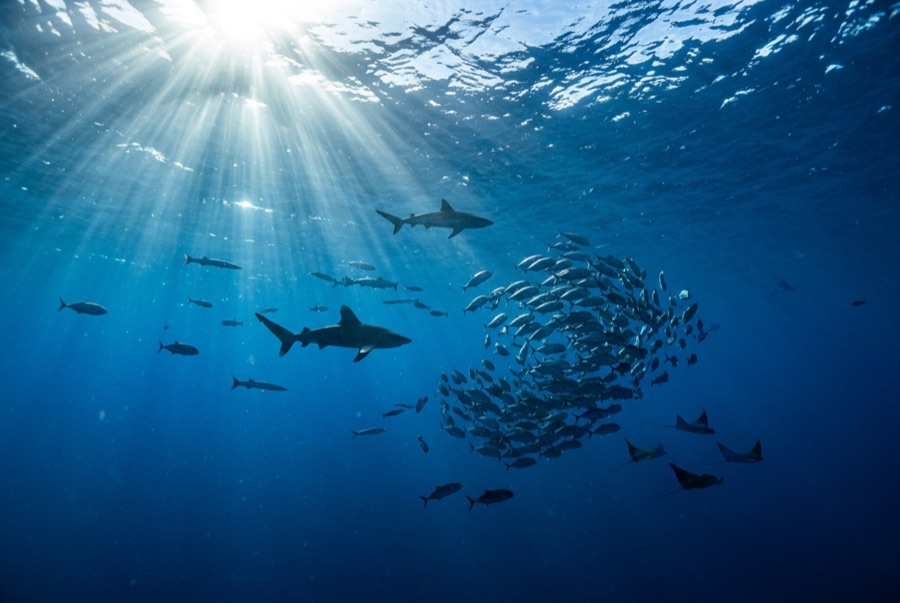
Here is the uncomfortable truth about dive video: almost nobody watches their own footage twice, and they watch other people's even less. The difference between filler and a film people ask to see again is not the camera. It is stability, brevity, and a little intent before the descent.
Stability is the whole game
Your buoyancy is the tripod. Trim flat, breathe evenly, and make every movement slower than feels natural: half speed, then half again. Hold each shot still for eight to twelve seconds without zooming or panning; if you must move, glide in one direction at constant speed and let the shot end before you turn. Let animals swim through a fixed frame rather than chasing them with the lens, and keep elbows tucked against your body for support without ever bracing on the reef. A tray with two handles, or a mirrorless rig with in-body stabilization, helps; nothing helps as much as a quiet diver.
Settings without the swamp
Resolution and frame rate first: 4K at 30 frames per second is a sound default, with 60 reserved for fast action or planned slow motion. A useful convention is shutter speed at roughly double the frame rate (around 1/60 for 30p) for natural motion blur. Expose to protect highlights, since blown white water and sun never grade back. Set white balance manually and reset it as depth changes, or mount video lights and let them define color at close range; below about 15 m one or the other is mandatory if you want red to exist. Flat and log picture profiles buy grading latitude, but only choose them if you will actually color-grade later; standard profiles cut straight into a watchable timeline.
Light for moving pictures
Strobes are useless for video; continuous lights do the work. Choose wide, even beams and think in pairs for shadowless coverage on close subjects. Lights only reach a meter or two effectively, so they are for foreground color and texture; the blue scene behind is exposed by camera settings, exactly as in stills. On night dives, keep beams slightly off-axis from skittish animals and never pin a hunting or resting creature in full power longer than the shot needs.
Shoot for the edit
- Think in sequences: a wide establishing shot, a medium, a close-up of the same subject cut together into a scene.
- Collect cutaways (fins kicking, bubbles rising, a diver's eyes, the boat from below) that stitch scenes together.
- Shoot five deliberate clips per dive rather than forty accidental ones.
- Assume all audio is unusable and plan for music or narration.
Log clips the same evening while you remember what they were, and cut ruthlessly: three tight minutes beat thirty loose ones every time. Manage batteries and heat: small cameras throttle when hot, so start each dive charged, cool, and with more card space than you expect to need. Do all that, and the next time someone asks how the trip was, you will have an answer worth pressing play on.