Skills · 5 min read
Wreck Diving Basics
What draws divers to sunken ships, the bright line between swimming around a wreck and going inside one, and the training, hazards and etiquette that frame the discipline.
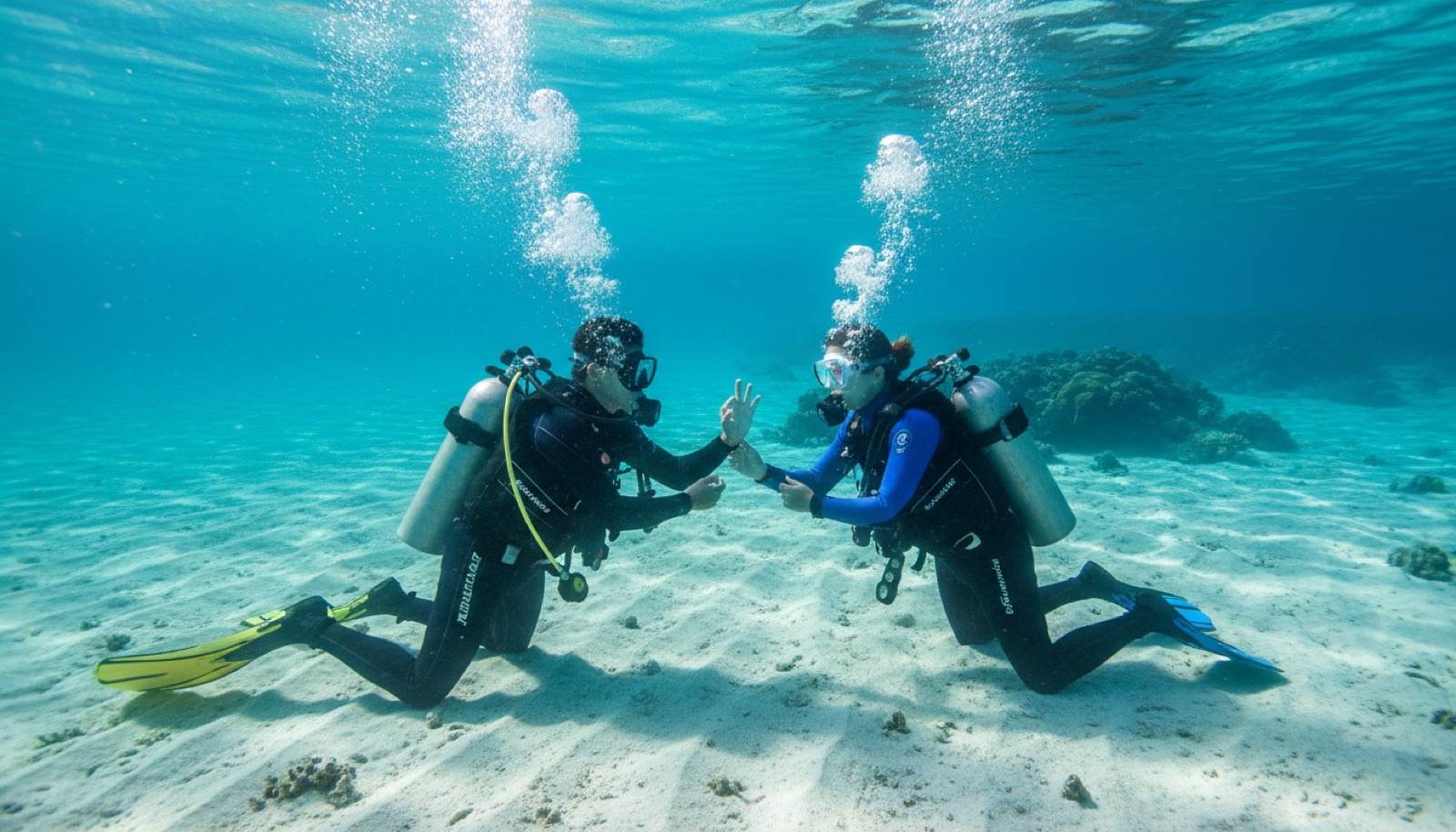
Wrecks concentrate everything divers want in one structure: history you can touch the outside of, artificial-reef ecosystems denser than the surrounding sand, and the particular gravity of a human-built thing resting where it should not be. The lagoon fleets of Chuuk and Coron, the scuttled warships of Scapa Flow, the Zenobia off Cyprus: entire destinations exist because ships went down there. The discipline that lets you enjoy them safely rests on one distinction learned before anything else.
Outside versus inside: the bright line
Swimming over and around a wreck, the external tour, is open-water diving with a fascinating backdrop, and any certified diver within their depth limits can do it. Penetration (entering the hull, past the reach of ambient light and direct vertical escape) is overhead-environment diving, a different activity with different physics: no straight line to the surface, silt that can erase visibility in seconds, entanglement and collapse hazards, and navigation that must work in the dark. Agencies teach wreck specialties that begin with external skills and progress, for those who want it, to limited penetration using guidelines, with common conservative conventions such as staying within the light zone and inside a combined depth-plus-penetration distance on the order of 40 meters. Full penetration beyond that sits with technical wreck training. The line is not gatekeeping; wrecks kill unprepared divers in exactly the ways the training addresses, and the external tour of a great wreck is genuinely most of the experience.
Hazards with names
- Silt: decades of settled sediment inside hulls lifts at a fin stroke and hangs. The frog kick and flawless buoyancy are wreck skills first and style points second.
- Sharp and loose structure: rusted steel cuts, cables and nets snag, and corroded plates move; gloves where permitted, a cutting tool, and a hands-off habit all earn their place.
- Depth and time: wrecks sit where they sank, frequently at the deeper end of recreational range, so narcosis management and gas planning ride along by default.
- Disorientation: even external circuits of a large wreck at depth in green water demand navigation discipline; note the shot line, the bow-stern axis and your depth on arrival.
Respect: law and grave
Two etiquette rules are close to universal. First, take nothing: artifact removal is illegal on protected wrecks in much of the world and has already stripped famous ships; portholes look better where they are, and operators in serious wreck destinations enforce this hard. Second, many wrecks are war graves or casualty sites where people died in numbers. Ships like these are dived respectfully or not at all: no souvenir hunting, no disturbing contents, restraint with what you touch and photograph, and attention to any national rules (several navies formally protect their lost ships). A good briefing covers the ship's story; knowing that story is part of why wreck diving feels different, and behaving accordingly is the fee.
Building toward it
The pathway is unusually clear. Get comfortable at depth via Advanced Open Water and solid buoyancy. Take a wreck specialty at a destination with honest teaching wrecks: purpose-sunk artificial reefs are ideal classrooms, prepared and mapped. Add nitrox, which suits the typical wreck depth band well within its limits. Dive external circuits until reading a wreck (finding the propeller, the bridge, the swim-throughs sized for trained divers) becomes pleasure rather than task loading. Then decide, deliberately, whether the inside calls you, and if it does, buy the training rather than the temptation. Wrecks reward patience like nothing else underwater: the ship is not going anywhere, and the divers who treat it that way get decades out of them.