Dive sites, seasons and marine life — researched, mapped, planned.
Menu
Destinations Dive Sites Marine Life Wrecks News
Plan a trip Trip planner When to dive Cost calculator Comparisons Marine-life calendar Water temperature Liveaboards Operators & resorts Marine parks Hyperbaric chambers World map
Regions Australia, New Zealand & East AsiaCaribbean & Western AtlanticEurope, Atlantic & MediterraneanIndian Ocean & East AfricaPacific Islands & MicronesiaRed Sea & Middle EastSoutheast Asia & Coral TriangleThe Americas & Eastern Pacific Countries
Learn & Tools All guides Certifications Gear guides Videos Ask the Data AI Agents API
About About us Methodology Disclaimer Contact
Your view
★ Saved

Your starred destinations, sites and species — stored in this browser.

API GATEWAY

Free read-only JSON access to the atlas's cached data.

Dark mode

🧭 Guided View
New to diving — depths, currents, certification levels? We explain every term as you browse, in plain English. Same data, with the help built in.

⚡ Expert View
You already know the difference between a wall and a drift. Just the data — clean, fast and compact. This is the default view.

Interface language

Marine protected area · Mexico

Cabo Pulmo National Park

Established 1995 71 km² Well documented

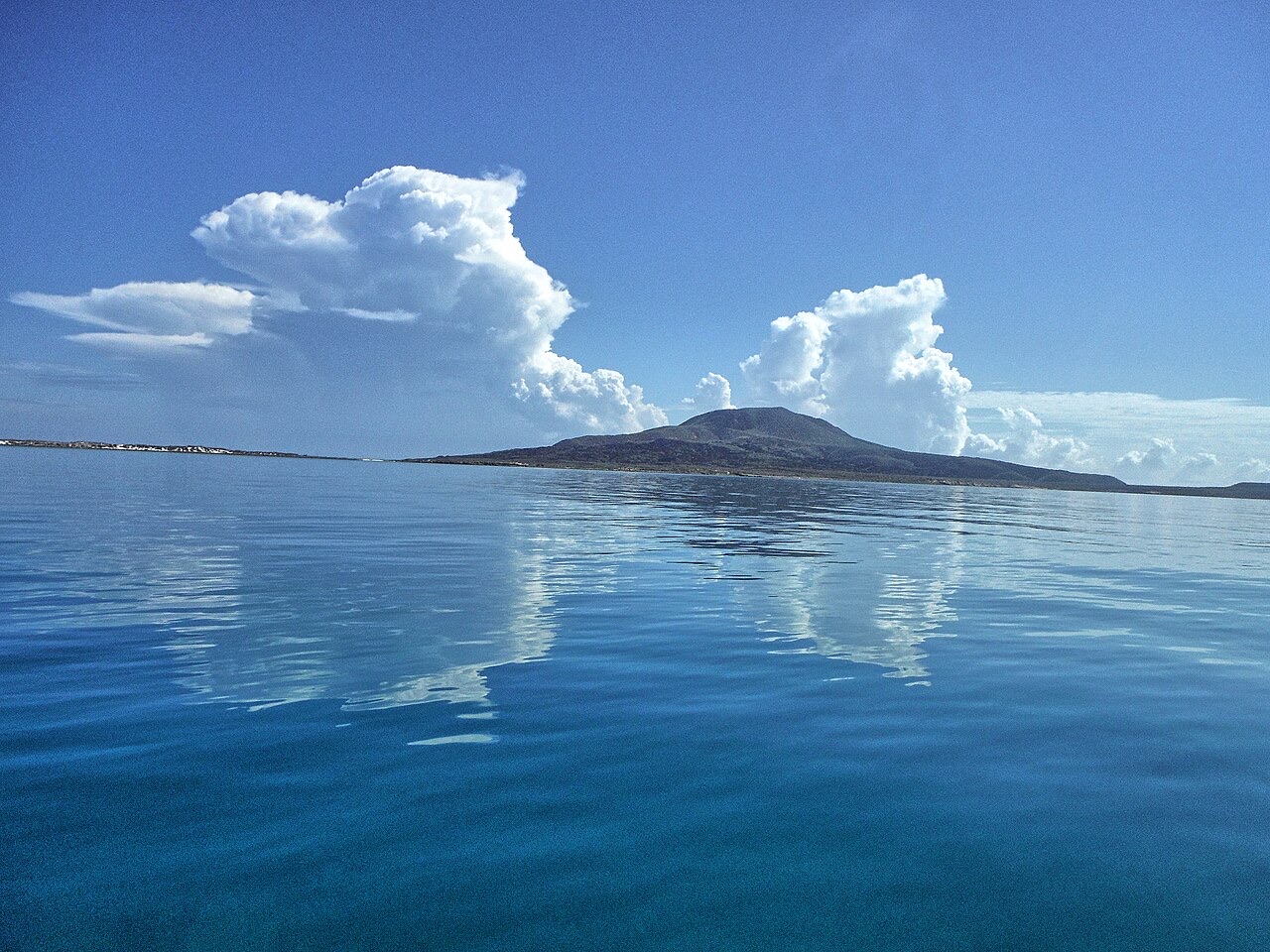
Cabo Pulmo shelters the oldest of the very few hard-coral reefs on the Pacific coast of North America, in a small bay on Baja California Sur's East Cape. The village's fishing families petitioned for protection themselves, the park was declared in 1995, and the community switched from nets to dive tourism. The result is one of conservation's best-known recoveries: fish biomass rebounded dramatically within fifteen years, and today divers swim through tornadoes of bigeye jacks, resident bull sharks, grouper, and seasonal mobula aggregations over reef ridges in 5–20 m of water. The park is compact — about 71 km² — and everything runs from the beach at Cabo Pulmo village.

The rules that bind divers

The park is effectively no-take: all fishing and collecting are banned inside its boundaries, a rule the community itself enforces alongside CONANP. Visitors pay a national protected-area fee, usually handled by the dive shop, and diving is done with local operators from small pangas launched off the beach; boat numbers and site rotation are managed to spread pressure. Anchoring on reef is prohibited, gloves and touching are barred, and rangers can suspend activities when bull shark or weather conditions warrant.

Fees & permits: Federal protected-area entry fee per visitor per day, typically collected by local operators.
Dive it via

Sources: Government of Mexico ↗Wikipedia ↗ · Facts verified against the sources above; fields without support are labeled not yet verified.

Australia, New Zealand & East Asia

Cairns & the Ribbon ReefsNingaloo ReefCoral Sea & Osprey ReefOkinawa & the Kerama IslandsPoor Knights IslandsTownsville & the YongalaGreen IslandIzu Peninsula

Caribbean & Western Atlantic

BonaireCozumelRiviera Maya & the CenotesBelize Barrier ReefGrand CaymanIsla Mujeres & CancúnRoatánTiger Beach & Grand Bahama

Europe, Atlantic & Mediterranean

Malta & GozoSilfra & IcelandThe AzoresCanary IslandsLarnaca & the ZenobiaScapa FlowArctic NorwayMadeira

Indian Ocean & East Africa

North & South Malé AtollsAri AtollBaa Atoll & Hanifaru BayAliwal Shoal & UmkomaasMafia IslandMauritiusSeychellesSodwana Bay

Pacific Islands & Micronesia

PalauChuuk (Truk) LagoonFakaravaKona, HawaiʻiRangiroaTaveuni & Rainbow ReefBeqa Lagoon & Pacific HarbourEspiritu Santo

Red Sea & Middle East

Sharm El Sheikh & Ras MohammedBrothers, Daedalus & St John'sDahabHurghada & El GounaMarsa Alam & the Deep SouthAqabaDaymaniyat IslandsMusandam Peninsula

Southeast Asia & Coral Triangle

Bali & Nusa PenidaKomodoRaja AmpatSipadan & MabulAnilaoCoronKoh TaoLembeh Strait

The Americas & Eastern Pacific

Galápagos IslandsCocos IslandFlorida KeysSea of Cortez & Cabo PulmoSocorro & the RevillagigedosBritish ColumbiaCalifornia Channel IslandsCosta Rica Pacific Coast