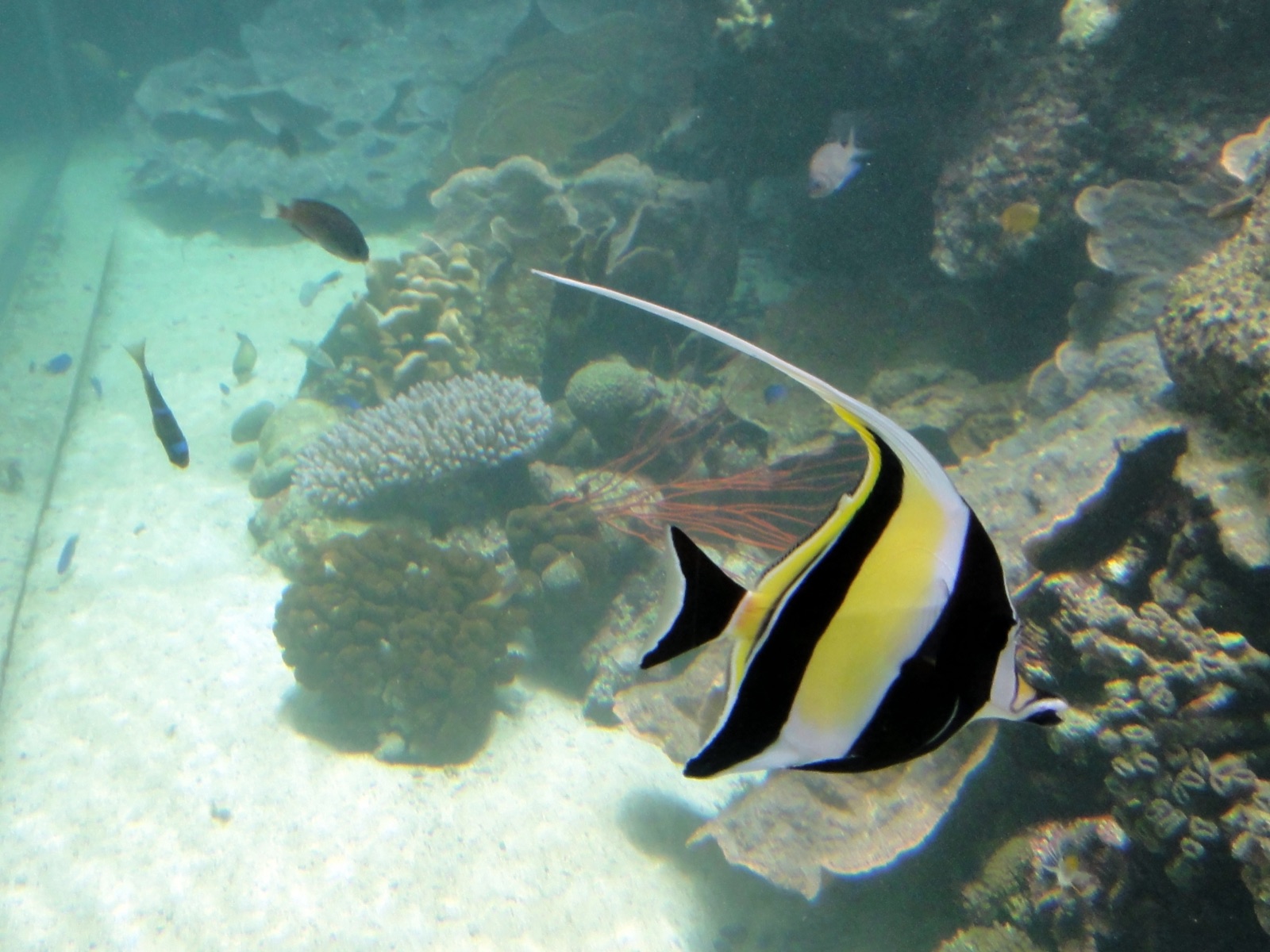
Área marinha protegida · Palau
Palau National Marine Sanctuary
Palau turned most of its ocean into a sanctuary: legislation signed in 2015 and fully effective in 2020 closed about 80 percent of the country's exclusive economic zone (on the order of 475,000 km²) to all fishing and extraction, one of the largest fully protected areas on the planet. It crowns decades of Palauan conservation-first policy, from the world's first national shark sanctuary in 2009 to the Rock Islands' UNESCO listing. For divers the sanctuary is the political architecture behind an intact ecosystem: gray reef sharks thick on Blue Corner, Ulong Channel's outgoing rivers of fish, German Channel's mantas, and spawning aggregations that draw research crews from around the world.
As regras que vinculam os mergulhadores
Recreational diving happens mainly in Koror State waters, where a Rock Islands permit (with or without Jellyfish Lake access) is mandatory and checked on the water; other states levy their own site fees, such as Peleliu's. Every departing visitor also pays the Pristine Paradise Environmental Fee of USD 100, built into international airfare, and arrivals sign the Palau Pledge stamped into their passports. Within the sanctuary's vast no-take zone all foreign commercial fishing is banned; a domestic fishing zone remains near the islands. Reef hooks are used only on bare rock in current, no gloves, no touching, and boats use moorings at the marquee sites.
Taxas e licenças: USD 100 Pristine Paradise Environmental Fee in the air ticket, plus state dive permits (Koror State Rock Islands permit, higher with Jellyfish Lake) valid for a set number of days.