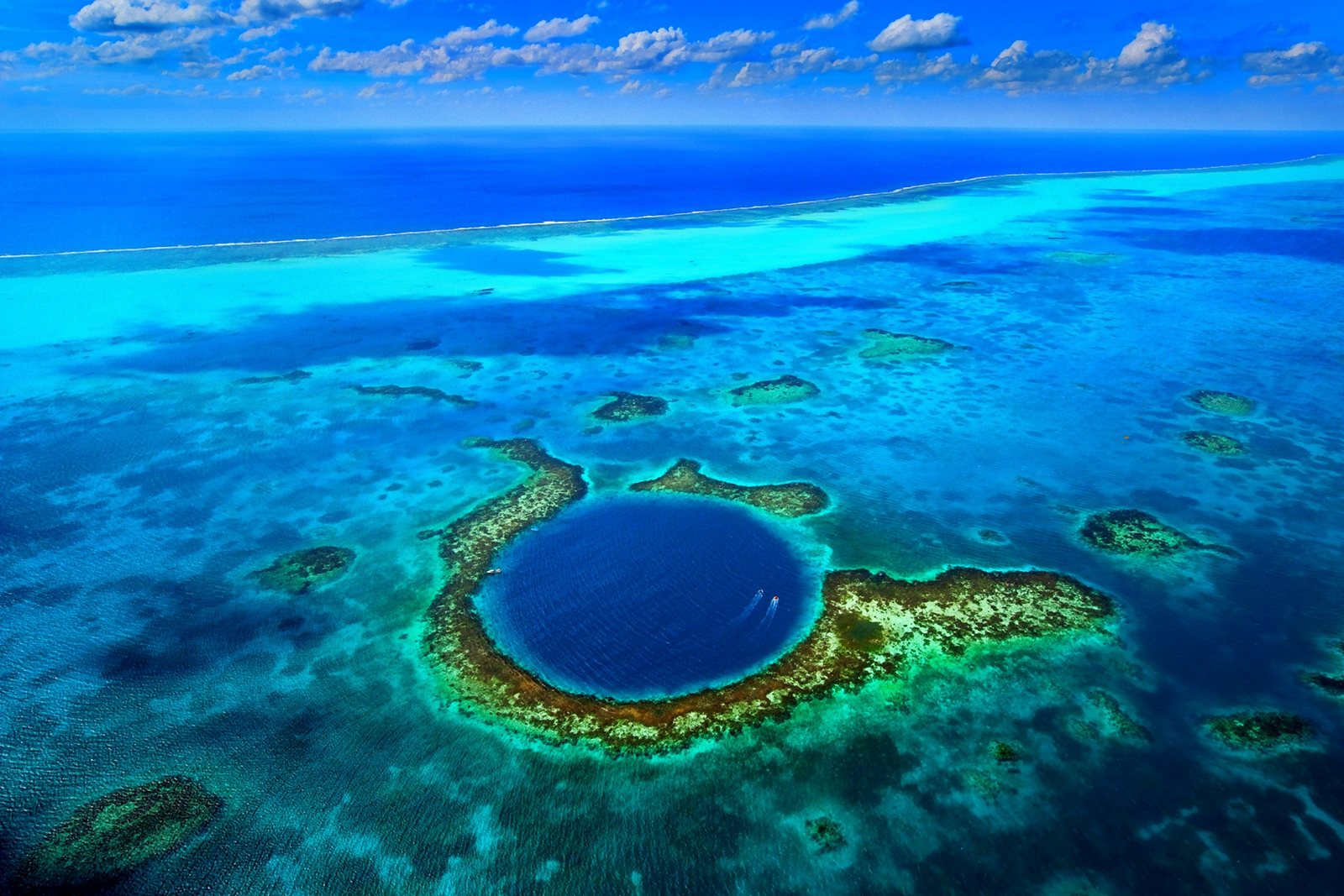
Great Blue Hole
Die Tiefe gibt den Bereich von der Oberkante des Tauchplatzes bis zur üblichen Maximaltiefe an; „empfohlene Zertifizierung" ist das von Anbietern üblicherweise geforderte Mainstream-Agenturniveau – keine gesetzliche Vorschrift. Strömungen und Sichtweite ändern sich täglich – behandle alle Angaben hier als Planungsbereiche.
The Great Blue Hole is a dive into geology rather than fish life. From the surface it is the famous navy-blue iris in Lighthouse Reef's turquoise; underwater it is a fast, quiet elevator ride down a sheer wall to a ledge near 40 m where stalactites the size of tree trunks hang from an overhang, dripstone formed when this cavern stood above a lower Ice Age sea. Divers weave between the columns for a handful of minutes, often watched by circling Caribbean reef sharks, then begin the long staged ascent. Jacques Cousteau's 1971 expedition made it legend; discipline keeps it safe.
Der Moment, für den du kommst: Swimming through 40 m stalactites, reef sharks in the bowl, one of diving's most famous single sites.
Topografie: A near-circular collapsed cavern about 300 m across and roughly 124 m deep; a shoulder of ancient stalactites overhangs the wall near 40 m.
Strömung: The bowl is still; the reef rim can carry light surge.
Einstieg: Day boats cross from San Pedro or Caye Caulker (2–3 hours) or liveaboards moor at Lighthouse Reef; entry over the rim into the bowl.
Was du wissen solltest, bevor du ins Wasser gehst
Gefahren: Depth is the whole hazard: narcosis at the stalactite ledge, minutes of no-deco time, and a featureless blue ascent. Follow the guide's profile exactly.
Genehmigungen & Regeln: Park entrance fee; most operators require proof of experience or a prior local dive.
Naturschutz: A Natural Monument within the UNESCO World Heritage reef system, managed with the Belize Audubon Society; fees fund protection.
Wen du triffst
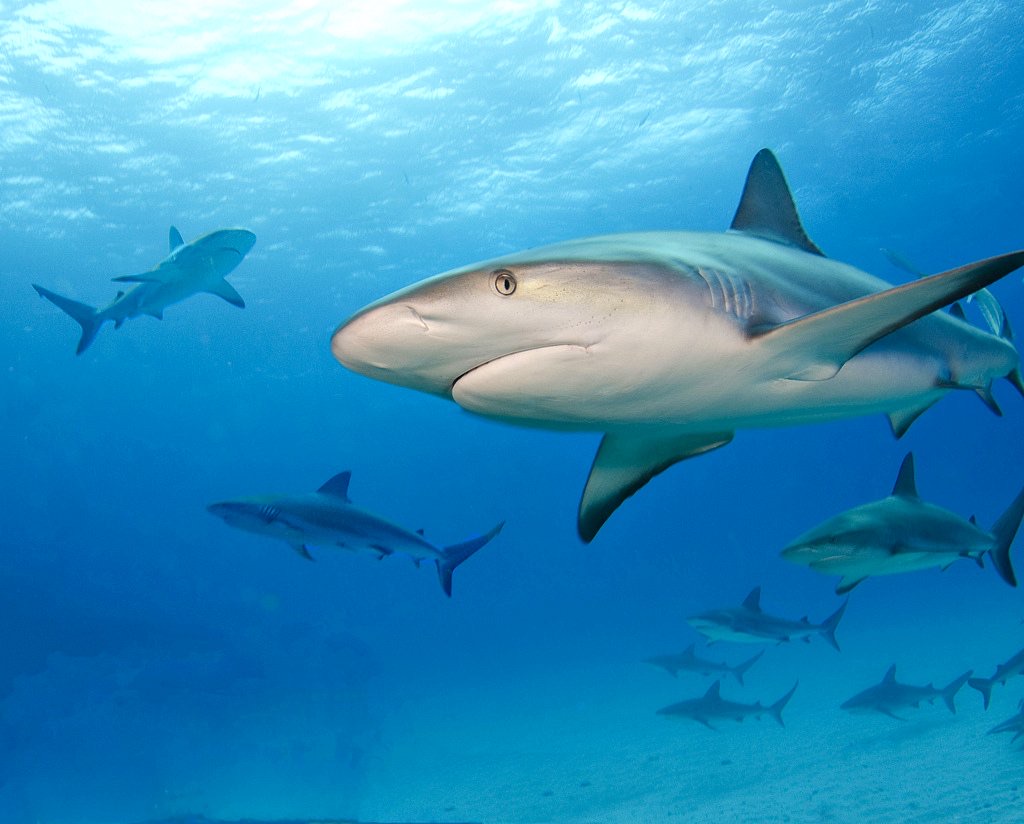
Caribbean Reef Shark
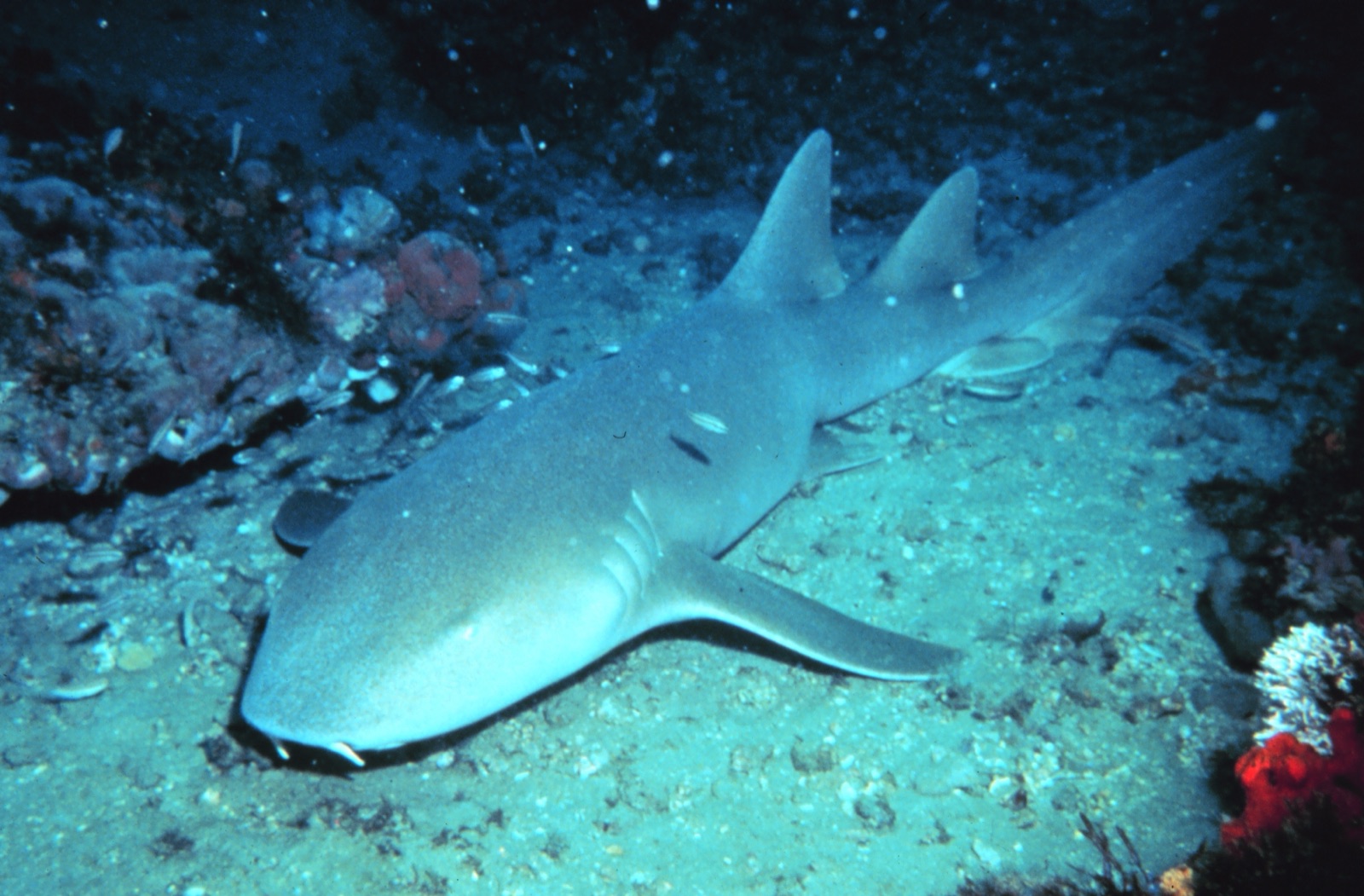
Nurse Shark
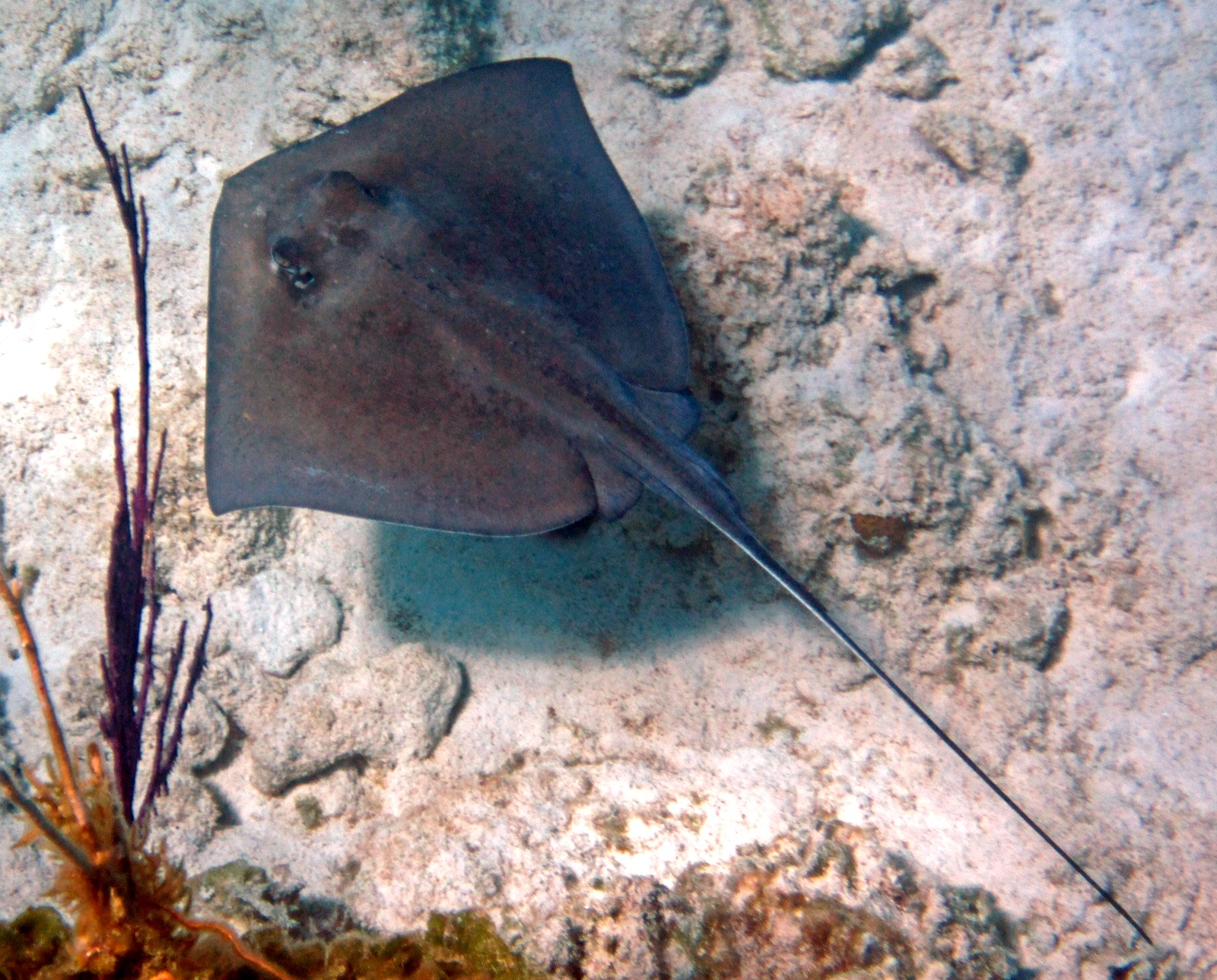
Southern Stingray
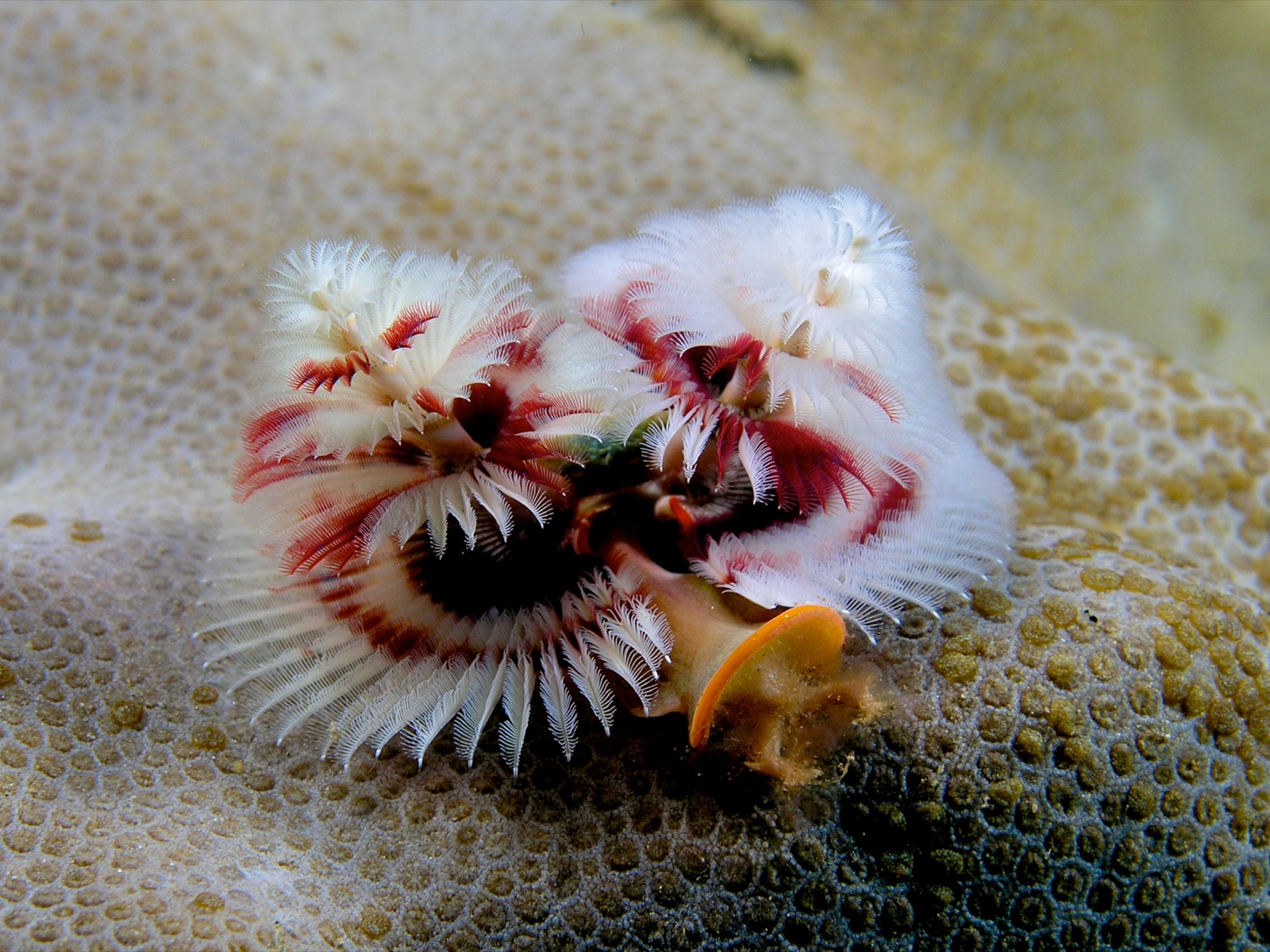
Christmas Tree Worm
„Hier kartiert" – Arten wurden von unseren Redakteuren anhand der Quellen auf dieser Seite erfasst. Die Zahlen sind GBIF-Vorkommensdatensätze: Beobachtungen, die seit 1990 im Umkreis von etwa 5 km um die kartierte Position protokolliert wurden, ausschließlich abgeglichen mit den Arten in unserem Katalog. Sie zeigen, was dort gesichtet wurde – keine Garantie, was du sehen wirst.
Für Fotografen
Weitwinkel: ★★★★☆ · Makro: ★☆☆☆☆ (Redaktionelle 1–5-Bewertung, was dieser Platz für jeden Fotografie-Stil bietet)