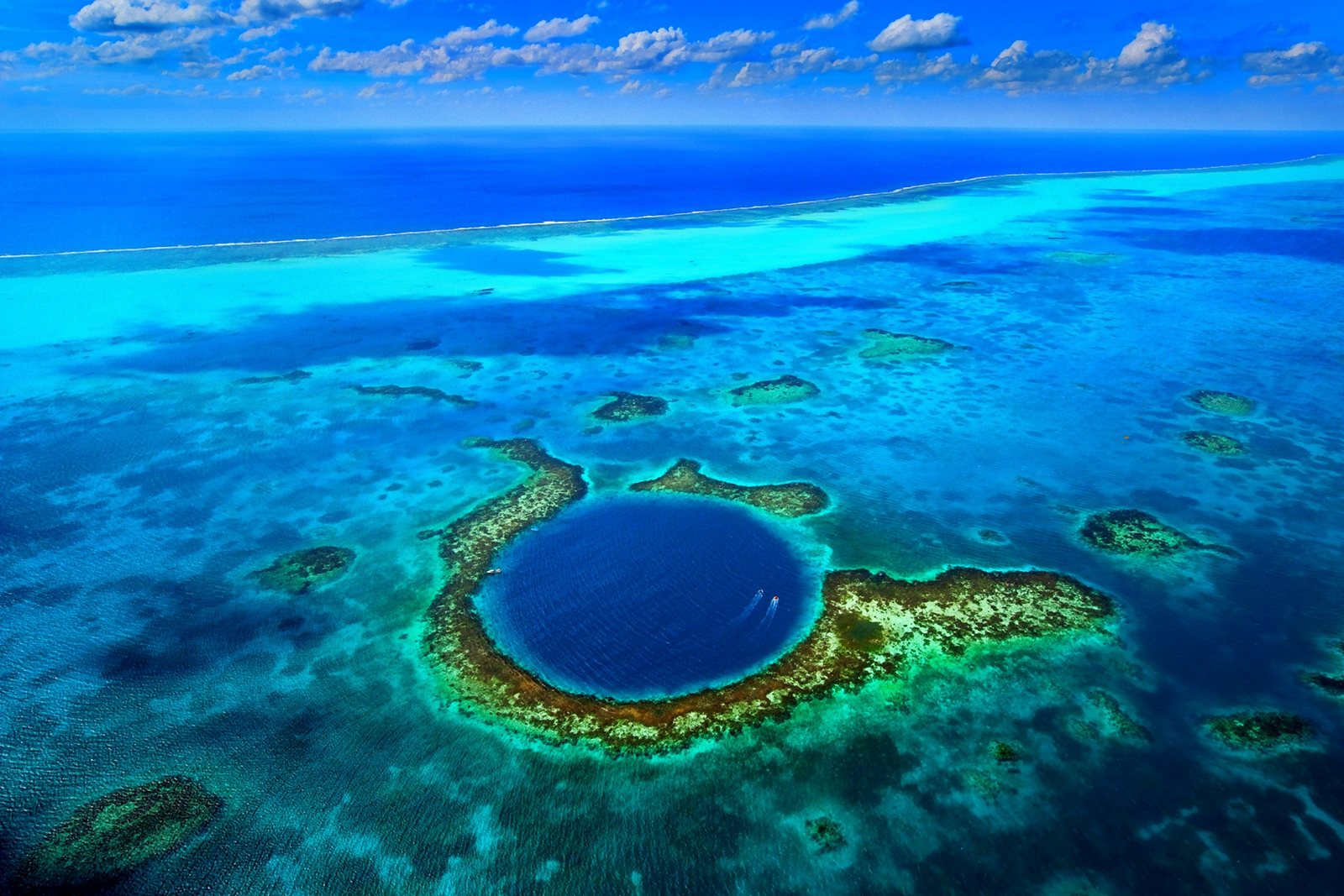
Great Blue Hole
La profundidad es el rango desde la cima del punto de buceo hasta su máximo habitual; la "certificación recomendada" es el nivel que los operadores suelen pedir según las agencias principales, no una norma legal. Las corrientes y la visibilidad cambian a diario, así que trata todo esto como rangos de planificación.
The Great Blue Hole is a dive into geology rather than fish life. From the surface it is the famous navy-blue iris in Lighthouse Reef's turquoise; underwater it is a fast, quiet elevator ride down a sheer wall to a ledge near 40 m where stalactites the size of tree trunks hang from an overhang, dripstone formed when this cavern stood above a lower Ice Age sea. Divers weave between the columns for a handful of minutes, often watched by circling Caribbean reef sharks, then begin the long staged ascent. Jacques Cousteau's 1971 expedition made it legend; discipline keeps it safe.
El momento por el que vienes: Swimming through 40 m stalactites, reef sharks in the bowl, one of diving's most famous single sites.
Topografía: A near-circular collapsed cavern about 300 m across and roughly 124 m deep; a shoulder of ancient stalactites overhangs the wall near 40 m.
Corriente: The bowl is still; the reef rim can carry light surge.
Entrada: Day boats cross from San Pedro or Caye Caulker (2–3 hours) or liveaboards moor at Lighthouse Reef; entry over the rim into the bowl.
Lo que debes saber antes de tirarte al agua
Riesgos: Depth is the whole hazard: narcosis at the stalactite ledge, minutes of no-deco time, and a featureless blue ascent. Follow the guide's profile exactly.
Permisos y normas: Park entrance fee; most operators require proof of experience or a prior local dive.
Conservación: A Natural Monument within the UNESCO World Heritage reef system, managed with the Belize Audubon Society; fees fund protection.
A quién encontrarás

Caribbean Reef Shark
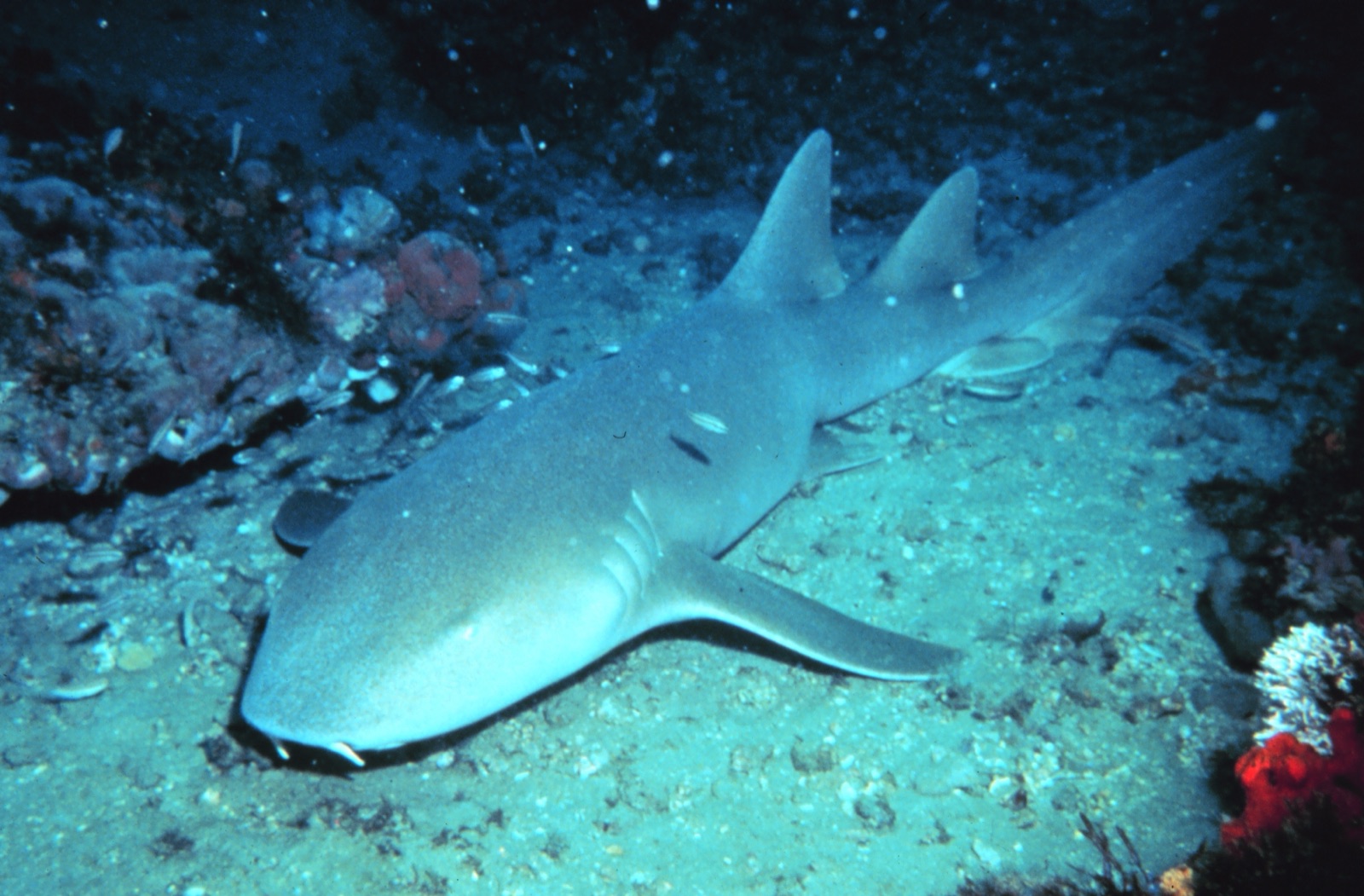
Nurse Shark
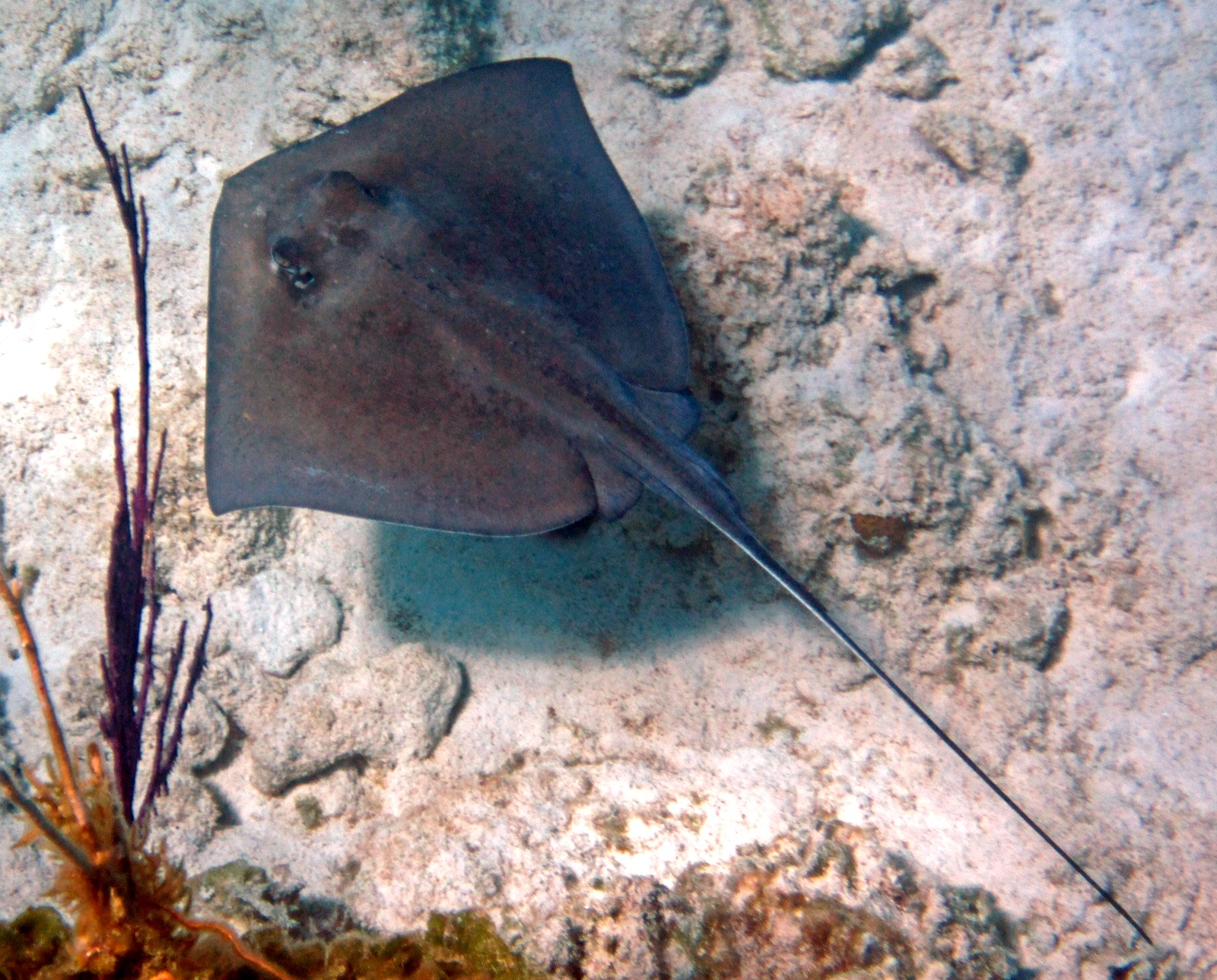
Southern Stingray
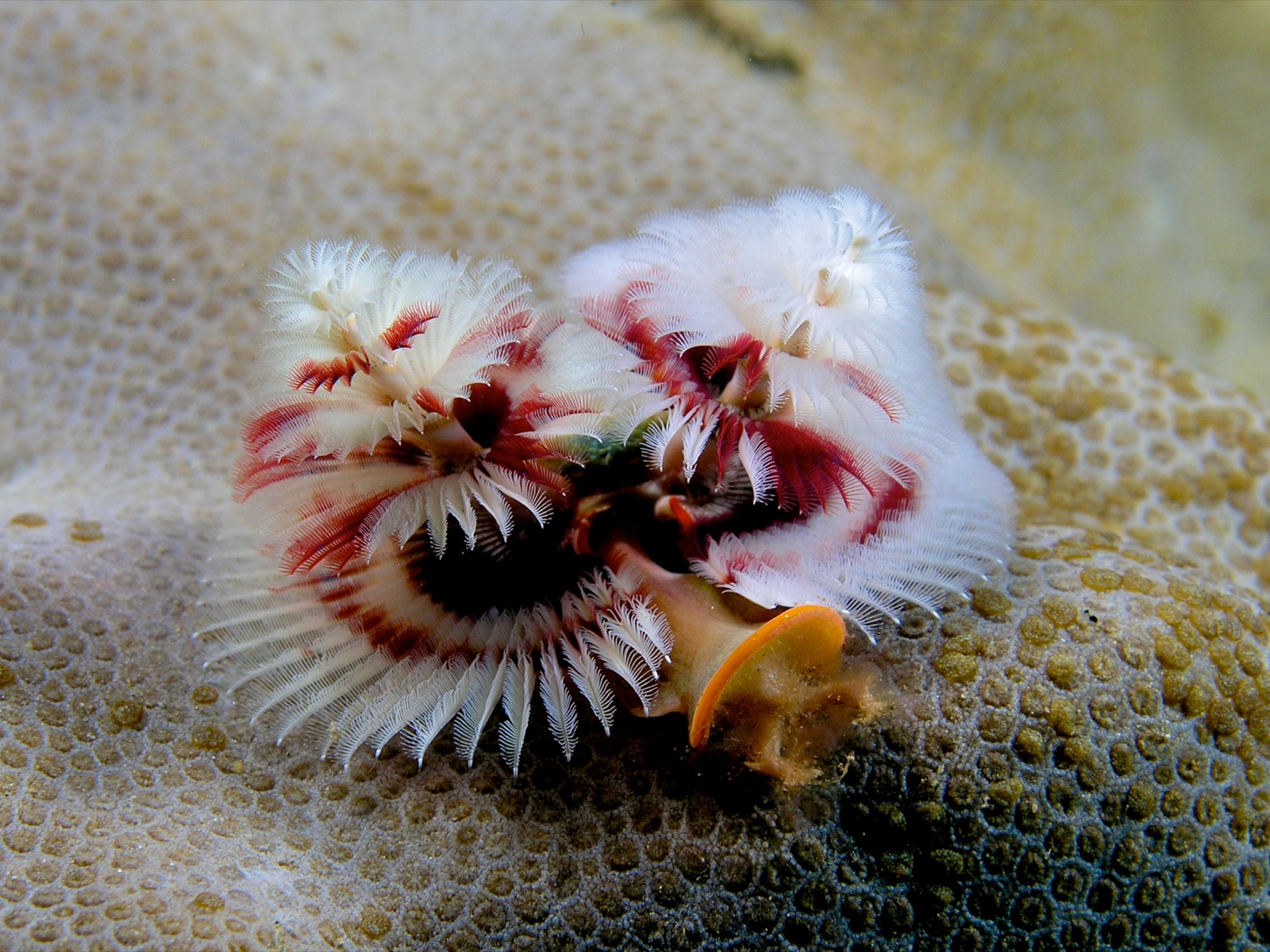
Christmas Tree Worm
Las especies "aquí registradas" fueron añadidas por nuestros editores a partir de las fuentes de esta página. Los recuentos son registros de ocurrencia de GBIF: observaciones anotadas en un radio de unos 5 km de la posición registrada desde 1990, cotejadas únicamente con las especies de nuestro catálogo. Muestran lo que se ha avistado allí, no una garantía de lo que verás.
Para fotógrafos
Gran angular: ★★★★☆ · Macro: ★☆☆☆☆ (valoración de 1 a 5 de los editores sobre lo que ofrece este sitio para cada estilo de fotografía)