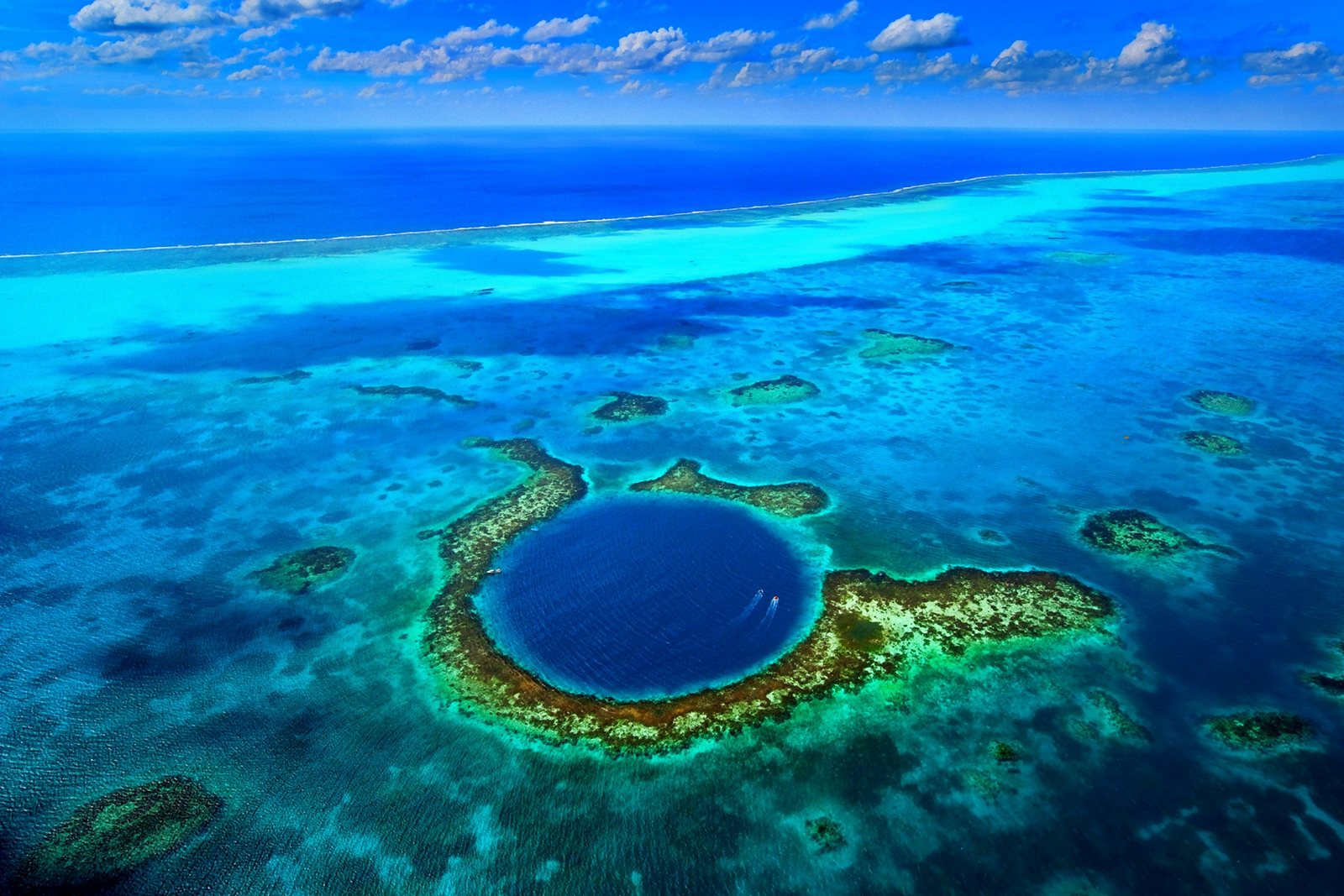
Great Blue Hole
La profondità indica l'intervallo dalla sommità del sito al suo massimo abituale; il "brevetto consigliato" è il livello richiesto dalla maggior parte degli operatori delle principali agenzie, non una norma di legge. Correnti e visibilità cambiano ogni giorno, quindi considera tutto come intervalli di pianificazione.
The Great Blue Hole is a dive into geology rather than fish life. From the surface it is the famous navy-blue iris in Lighthouse Reef's turquoise; underwater it is a fast, quiet elevator ride down a sheer wall to a ledge near 40 m where stalactites the size of tree trunks hang from an overhang, dripstone formed when this cavern stood above a lower Ice Age sea. Divers weave between the columns for a handful of minutes, often watched by circling Caribbean reef sharks, then begin the long staged ascent. Jacques Cousteau's 1971 expedition made it legend; discipline keeps it safe.
Il momento che aspettavi: Swimming through 40 m stalactites, reef sharks in the bowl, one of diving's most famous single sites.
Topografia: A near-circular collapsed cavern about 300 m across and roughly 124 m deep; a shoulder of ancient stalactites overhangs the wall near 40 m.
Corrente: The bowl is still; the reef rim can carry light surge.
Entrata: Day boats cross from San Pedro or Caye Caulker (2–3 hours) or liveaboards moor at Lighthouse Reef; entry over the rim into the bowl.
Sapere prima di tuffarsi
Pericoli: Depth is the whole hazard: narcosis at the stalactite ledge, minutes of no-deco time, and a featureless blue ascent. Follow the guide's profile exactly.
Permessi & regole: Park entrance fee; most operators require proof of experience or a prior local dive.
Conservazione: A Natural Monument within the UNESCO World Heritage reef system, managed with the Belize Audubon Society; fees fund protection.
Chi incontrerai
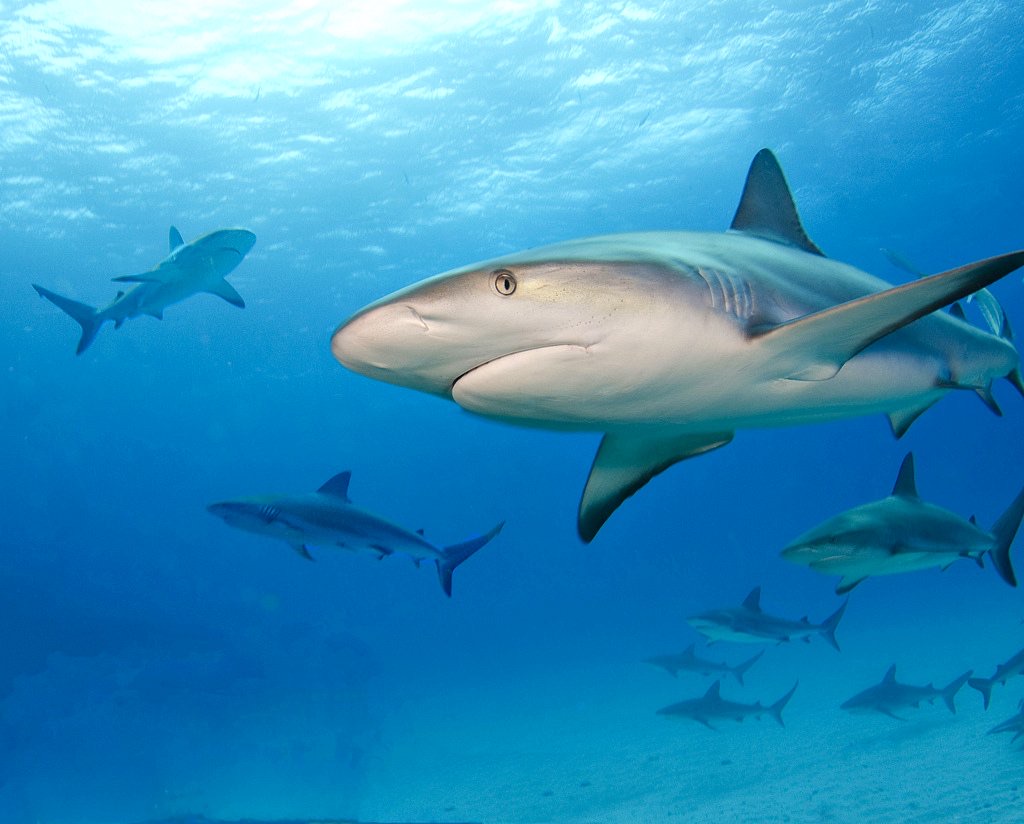
Caribbean Reef Shark
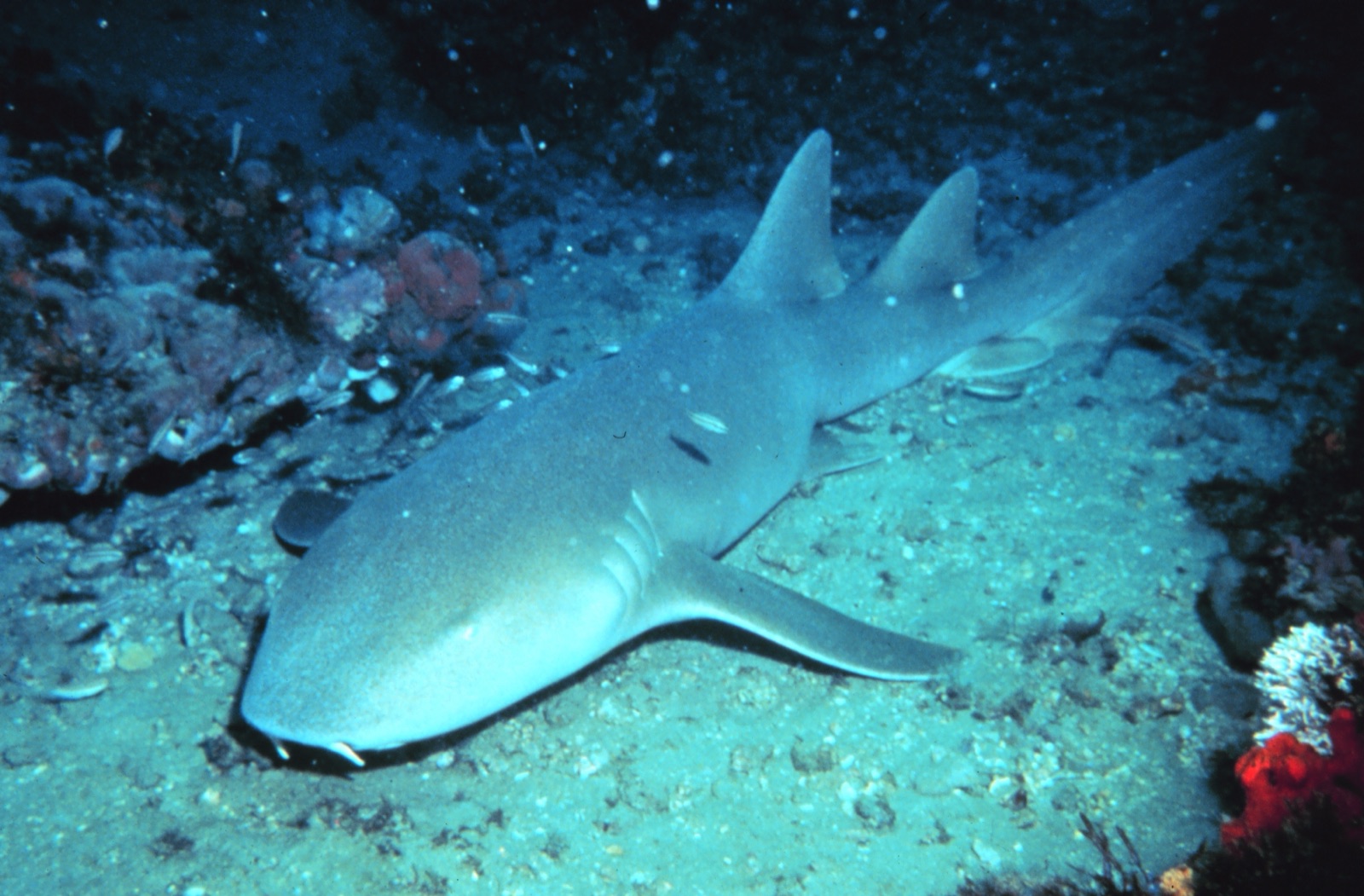
Nurse Shark
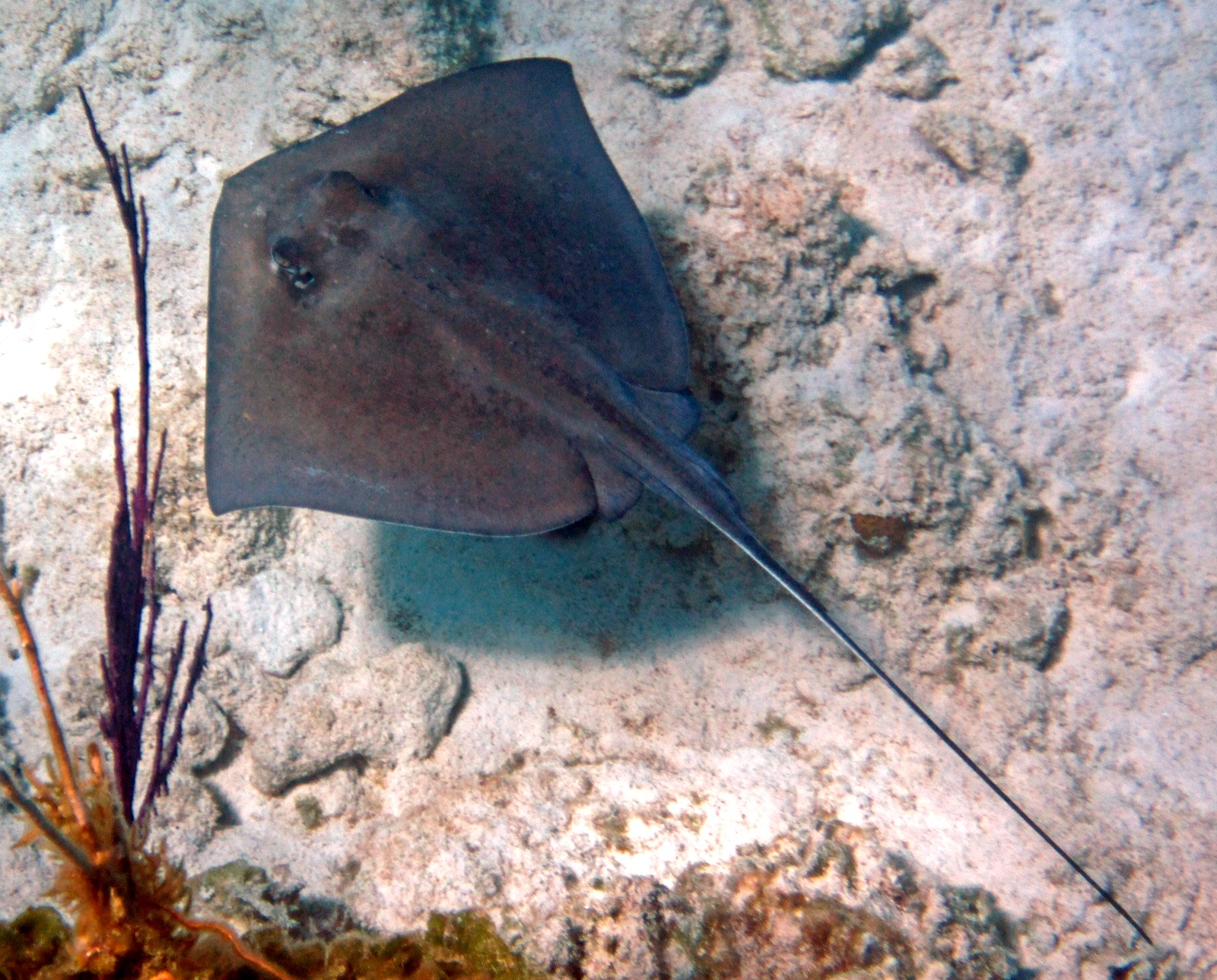
Southern Stingray
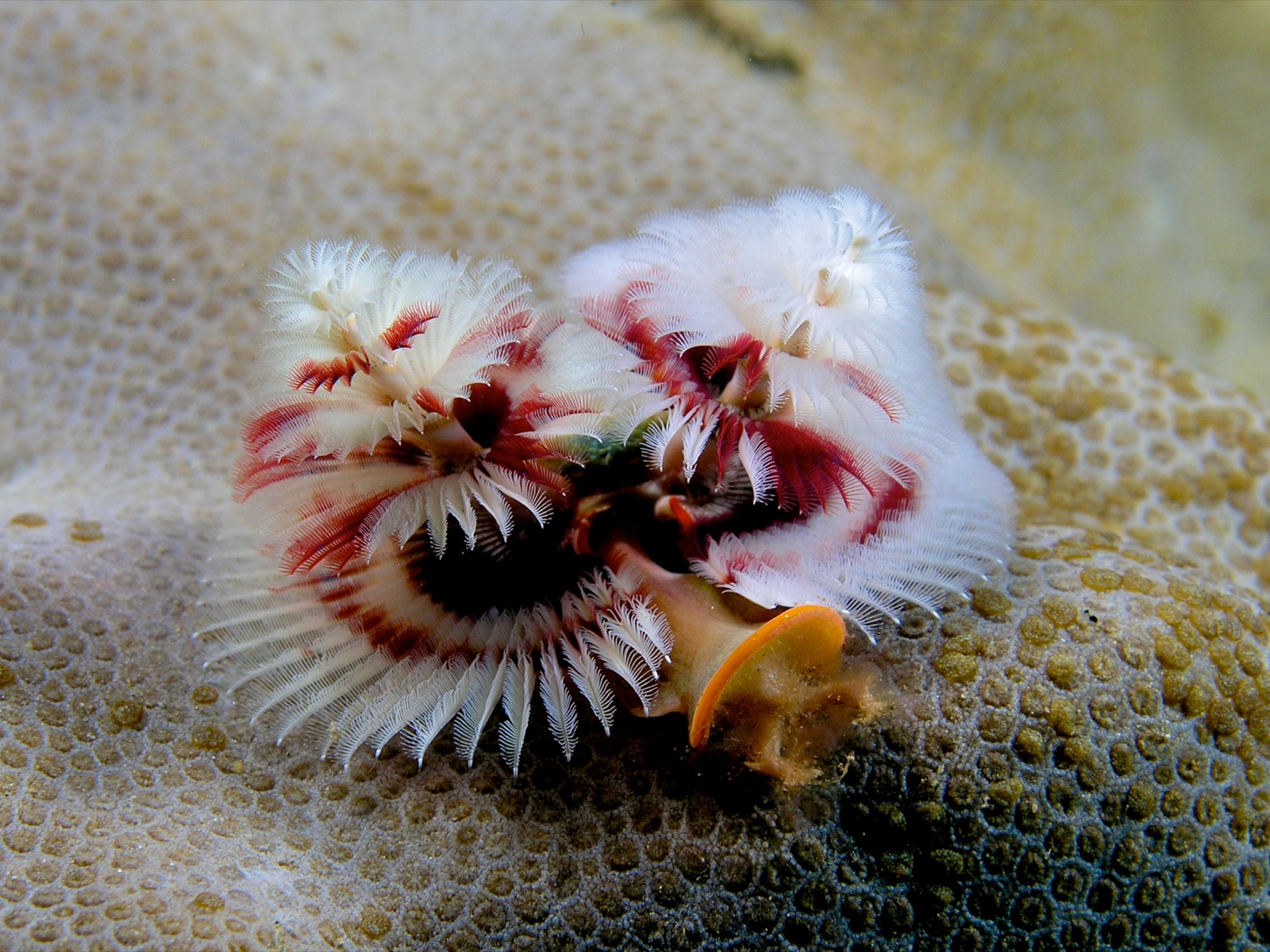
Christmas Tree Worm
Le specie "schedate qui" sono state inserite dai nostri redattori a partire dalle fonti indicate in questa pagina. I conteggi sono record di occorrenza GBIF: osservazioni registrate entro circa 5 km dalla posizione indicata in carta a partire dal 1990, confrontate esclusivamente con le specie presenti nel nostro catalogo. Mostrano ciò che è stato avvistato in quel luogo, non una garanzia di ciò che vedrete.
Per i fotografi
Grandangolo: ★★★★☆ · Macro: ★☆☆☆☆ (valutazione da 1 a 5 dei redattori su ciò che questo sito offre per ogni stile di ripresa)