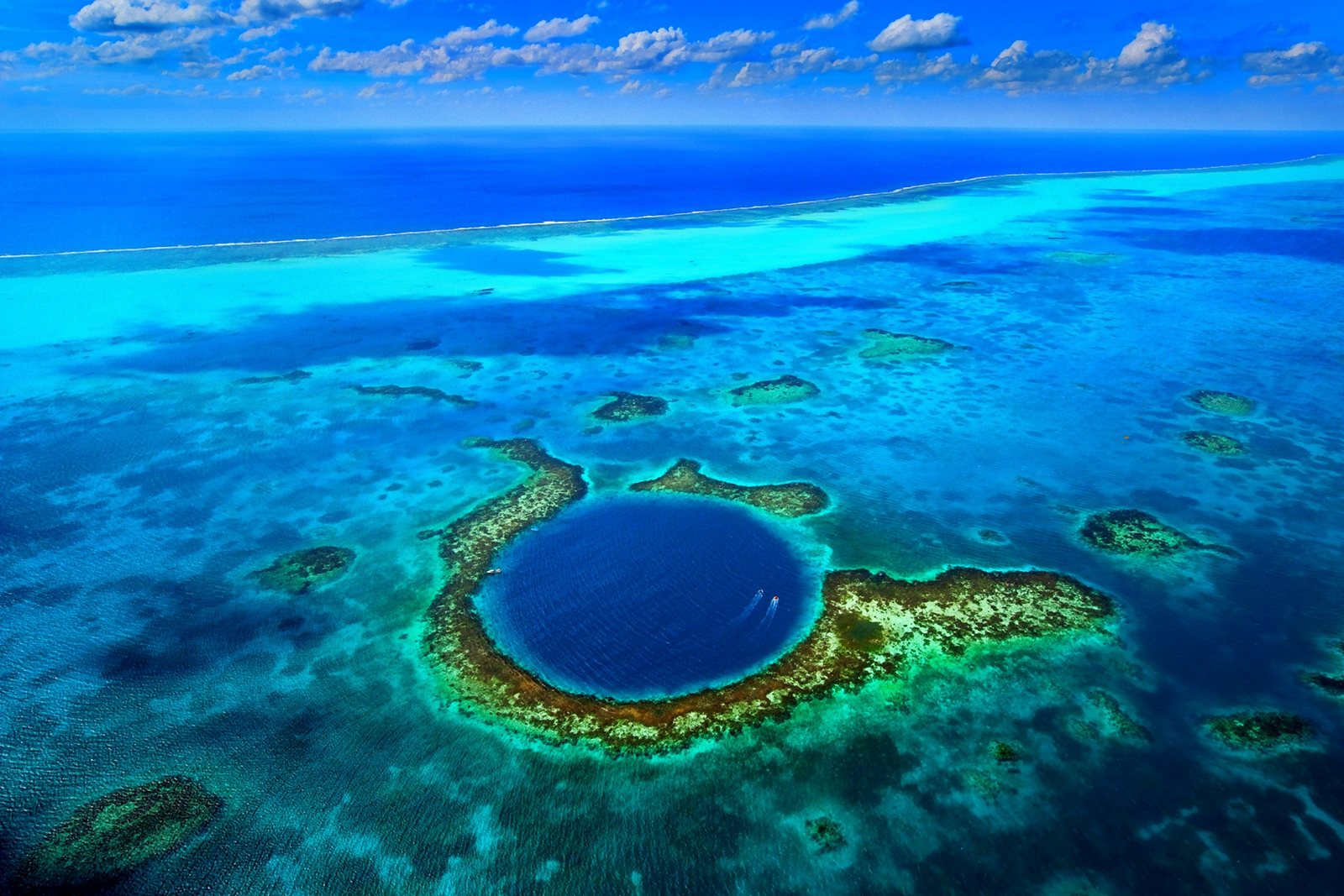
Great Blue Hole
De diepte is de range van de bovenkant van de site tot het gebruikelijke maximum; "aanbevolen brevet" is het niveau dat operators doorgaans vragen volgens de grote opleidingsorganisaties, geen wettelijke verplichting. Stromingen en zicht veranderen dagelijks, dus beschouw alles hier als planningsranges.
The Great Blue Hole is a dive into geology rather than fish life. From the surface it is the famous navy-blue iris in Lighthouse Reef's turquoise; underwater it is a fast, quiet elevator ride down a sheer wall to a ledge near 40 m where stalactites the size of tree trunks hang from an overhang, dripstone formed when this cavern stood above a lower Ice Age sea. Divers weave between the columns for a handful of minutes, often watched by circling Caribbean reef sharks, then begin the long staged ascent. Jacques Cousteau's 1971 expedition made it legend; discipline keeps it safe.
Het moment waar je voor komt: Swimming through 40 m stalactites, reef sharks in the bowl, one of diving's most famous single sites.
Topografie: A near-circular collapsed cavern about 300 m across and roughly 124 m deep; a shoulder of ancient stalactites overhangs the wall near 40 m.
Stroming: The bowl is still; the reef rim can carry light surge.
Instap: Day boats cross from San Pedro or Caye Caulker (2–3 hours) or liveaboards moor at Lighthouse Reef; entry over the rim into the bowl.
Weet dit voordat je het water in gaat
Gevaren: Depth is the whole hazard: narcosis at the stalactite ledge, minutes of no-deco time, and a featureless blue ascent. Follow the guide's profile exactly.
Vergunningen & regels: Park entrance fee; most operators require proof of experience or a prior local dive.
Behoud: A Natural Monument within the UNESCO World Heritage reef system, managed with the Belize Audubon Society; fees fund protection.
Wie je tegenkomt
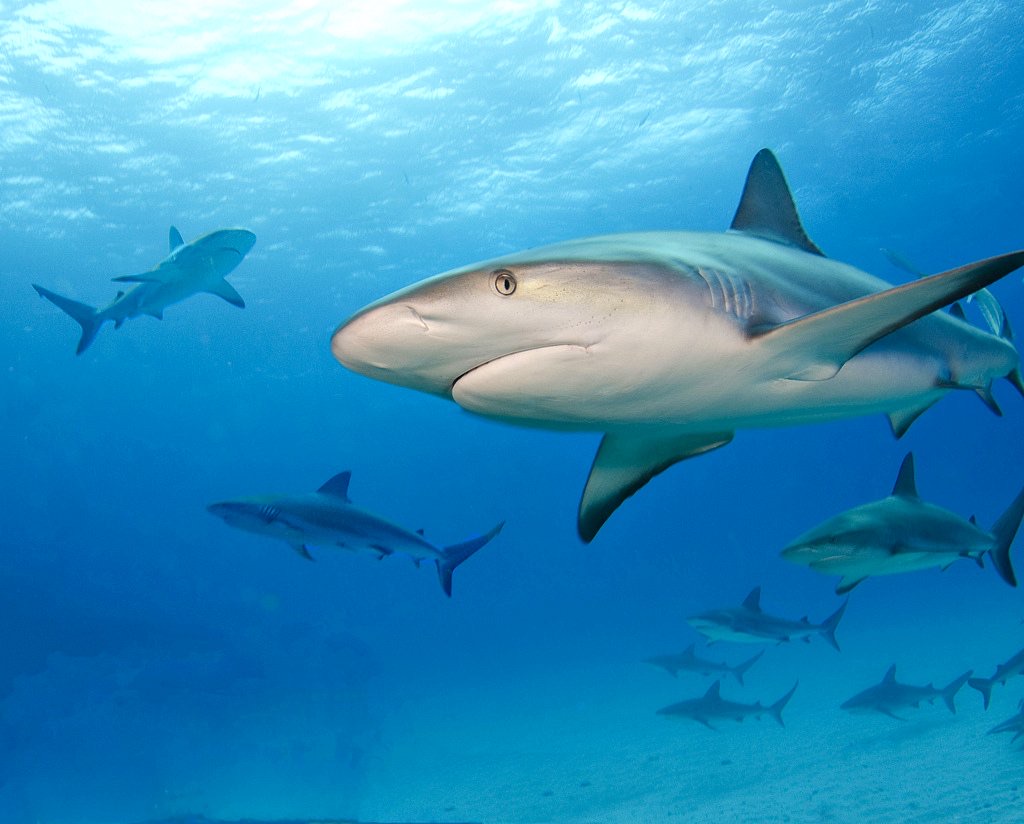
Caribbean Reef Shark
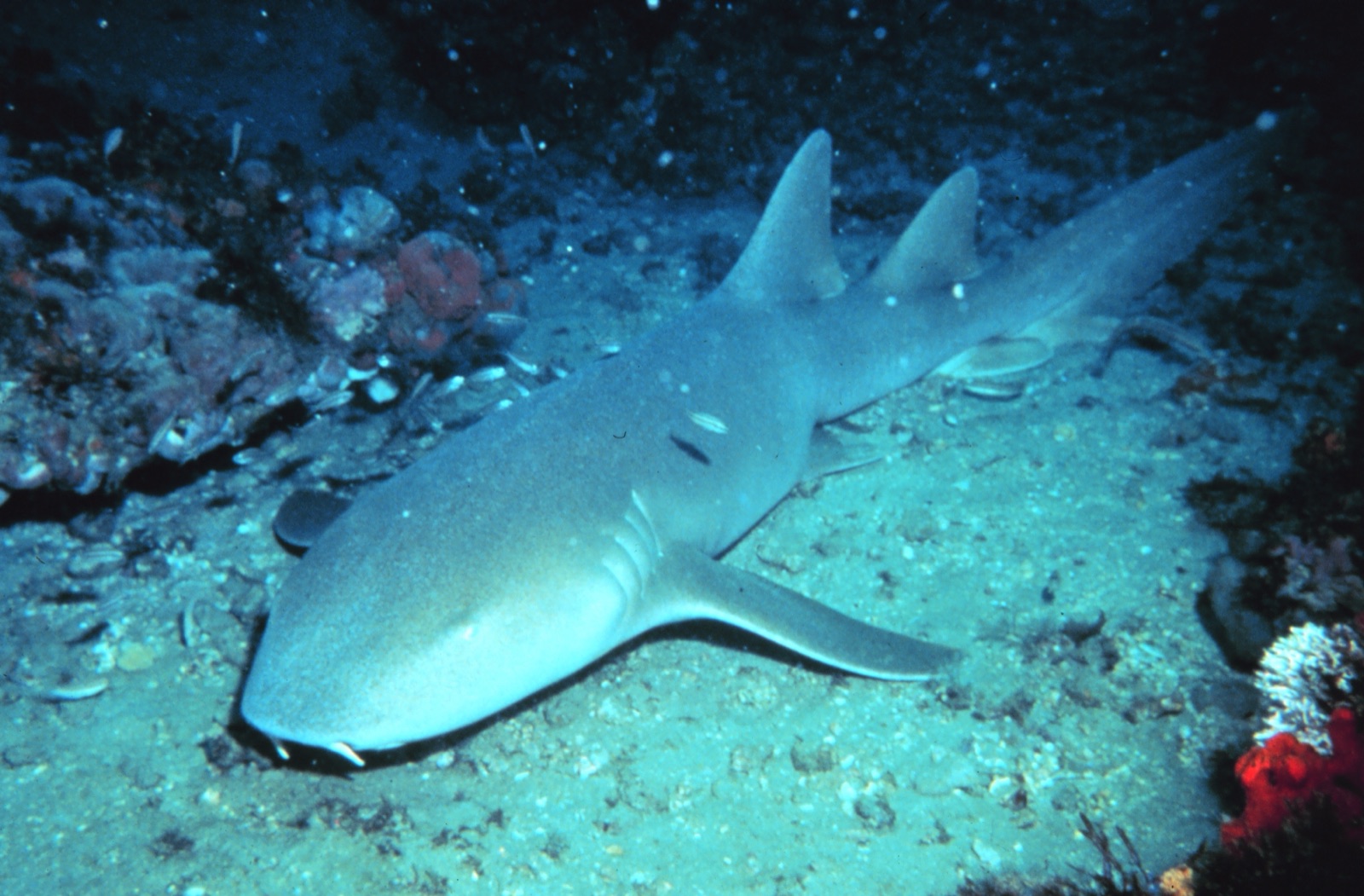
Nurse Shark
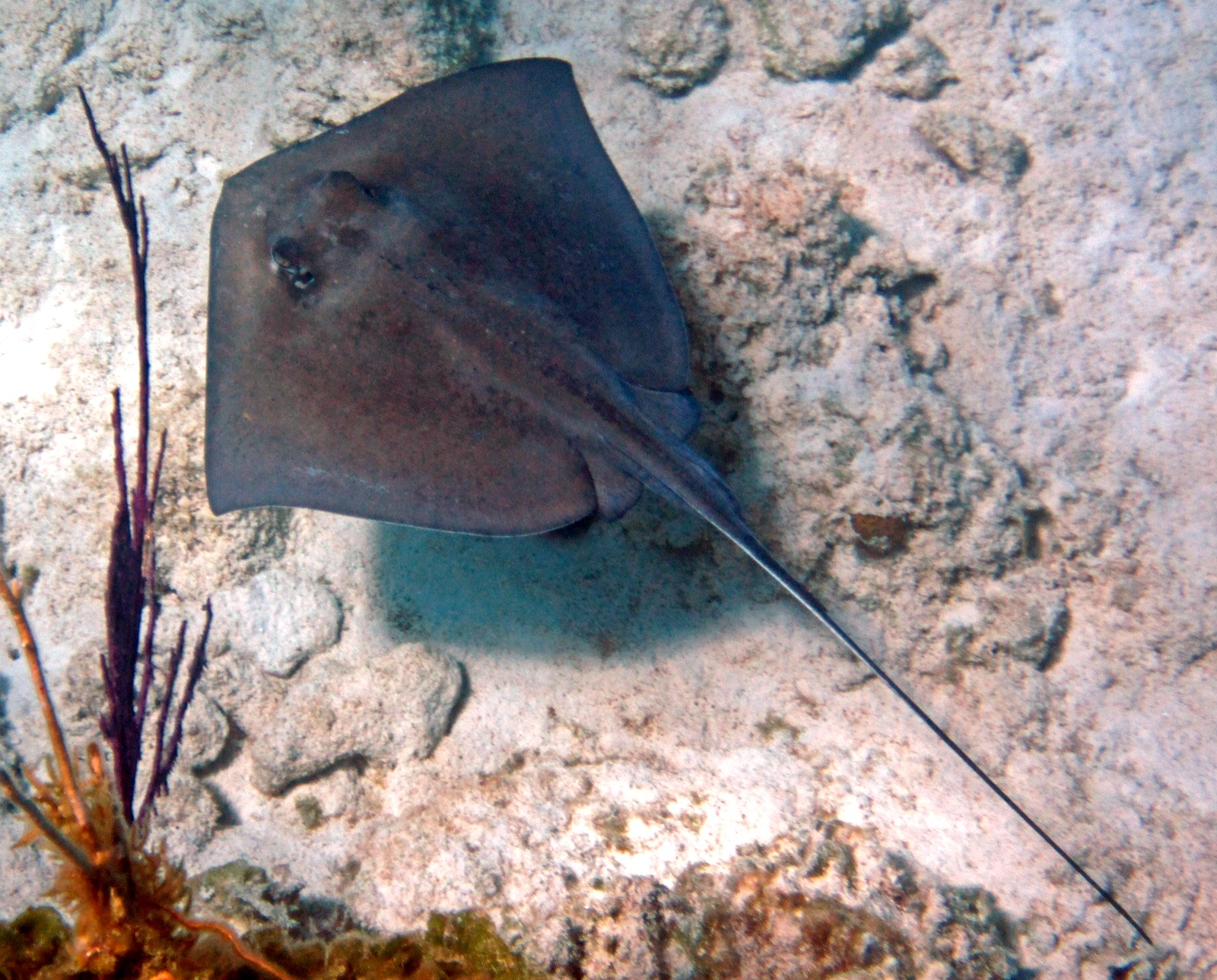
Southern Stingray
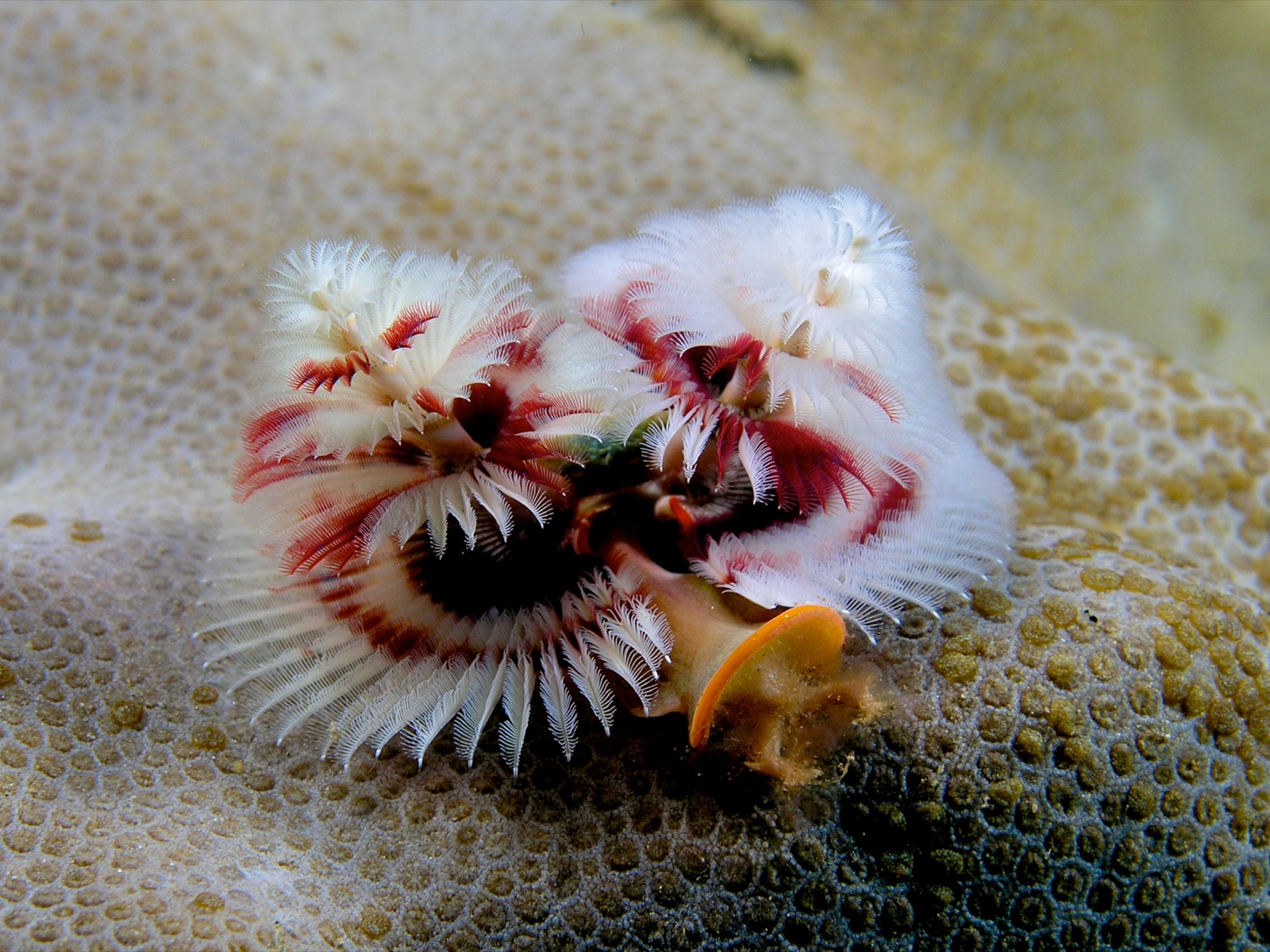
Christmas Tree Worm
"Hier in kaart gebracht" soorten zijn door onze redacteurs toegevoegd op basis van de bronnen op deze pagina. Aantallen zijn GBIF-waarnemingsrecords: observaties vastgelegd binnen ongeveer 5 km van de aangegeven positie sinds 1990, uitsluitend vergeleken met de soorten in onze catalogus. Ze laten zien wat er is waargenomen, niet wat je zeker zult zien.
Voor fotografen
Groothoek: ★★★★☆ · Macro: ★☆☆☆☆ (redacteursbeoordeling 1–5 van wat deze locatie biedt voor elke fotostijl)