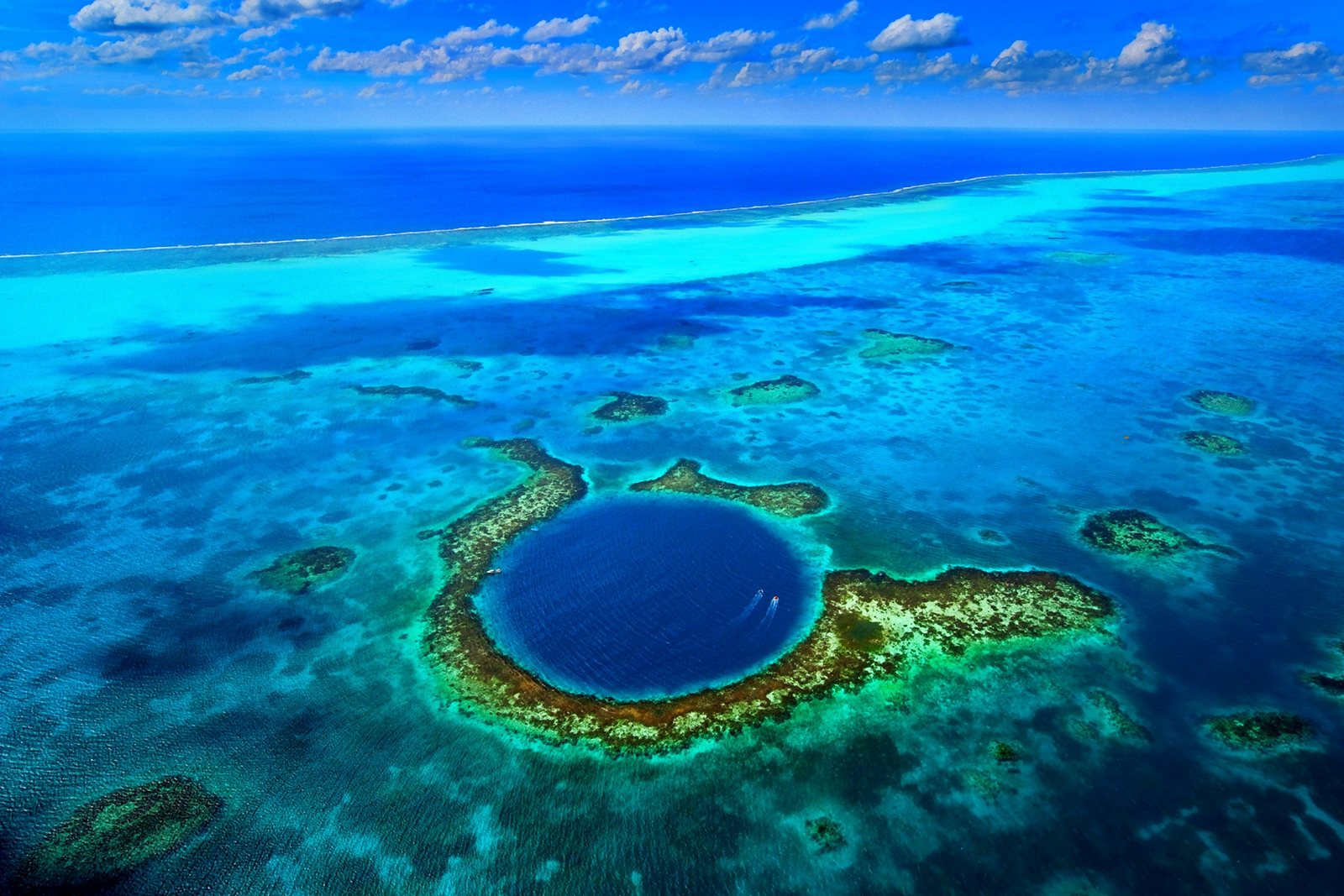
Great Blue Hole
A profundidade é o intervalo entre o topo do local e o seu máximo habitual; "certificação recomendada" é o nível das agências convencionais que os operadores normalmente exigem, não uma regra legal. As correntes e a visibilidade mudam diariamente, por isso trata tudo isto como intervalos de planeamento.
The Great Blue Hole is a dive into geology rather than fish life. From the surface it is the famous navy-blue iris in Lighthouse Reef's turquoise; underwater it is a fast, quiet elevator ride down a sheer wall to a ledge near 40 m where stalactites the size of tree trunks hang from an overhang, dripstone formed when this cavern stood above a lower Ice Age sea. Divers weave between the columns for a handful of minutes, often watched by circling Caribbean reef sharks, then begin the long staged ascent. Jacques Cousteau's 1971 expedition made it legend; discipline keeps it safe.
O momento pelo qual você vem: Swimming through 40 m stalactites, reef sharks in the bowl, one of diving's most famous single sites.
Topografia: A near-circular collapsed cavern about 300 m across and roughly 124 m deep; a shoulder of ancient stalactites overhangs the wall near 40 m.
Corrente: The bowl is still; the reef rim can carry light surge.
Entrada: Day boats cross from San Pedro or Caye Caulker (2–3 hours) or liveaboards moor at Lighthouse Reef; entry over the rim into the bowl.
Sabe antes de entrar na água
Perigos: Depth is the whole hazard: narcosis at the stalactite ledge, minutes of no-deco time, and a featureless blue ascent. Follow the guide's profile exactly.
Licenças & regras: Park entrance fee; most operators require proof of experience or a prior local dive.
Conservação: A Natural Monument within the UNESCO World Heritage reef system, managed with the Belize Audubon Society; fees fund protection.
Quem vai encontrar
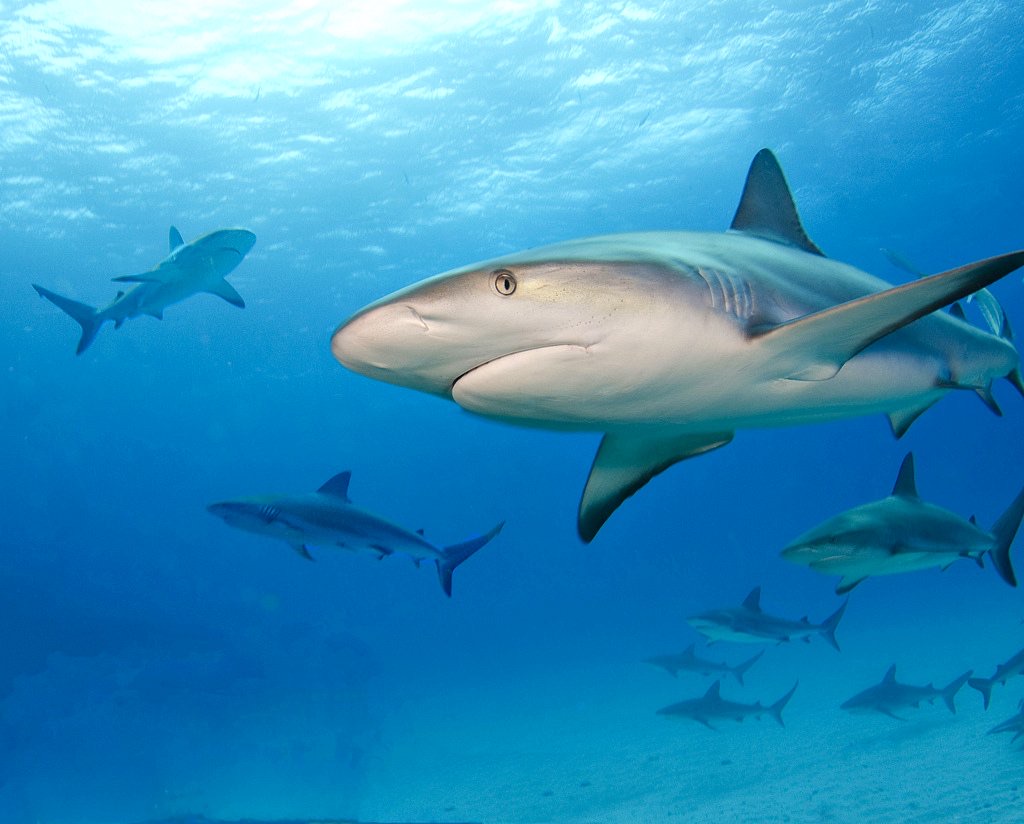
Caribbean Reef Shark
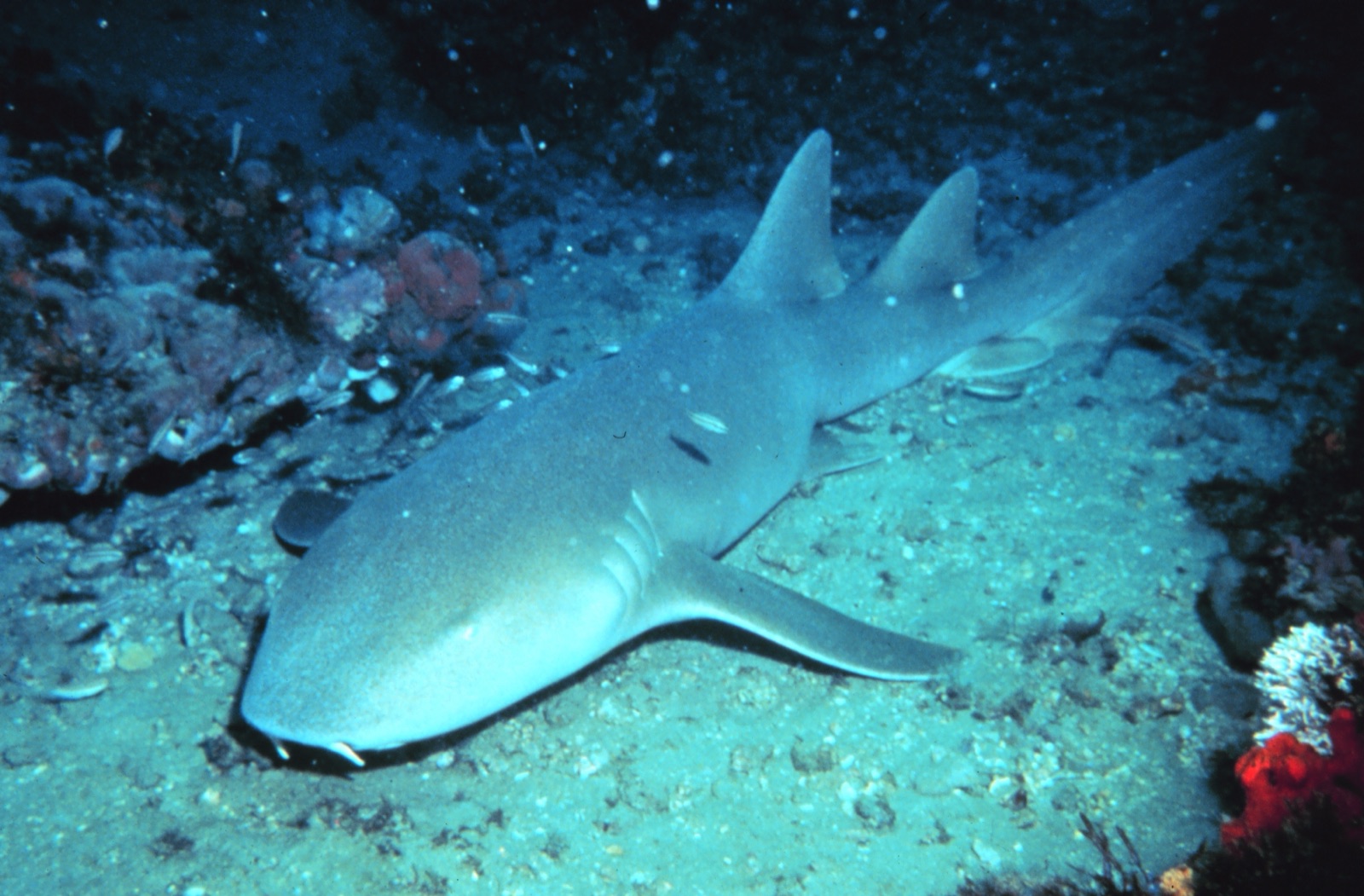
Nurse Shark
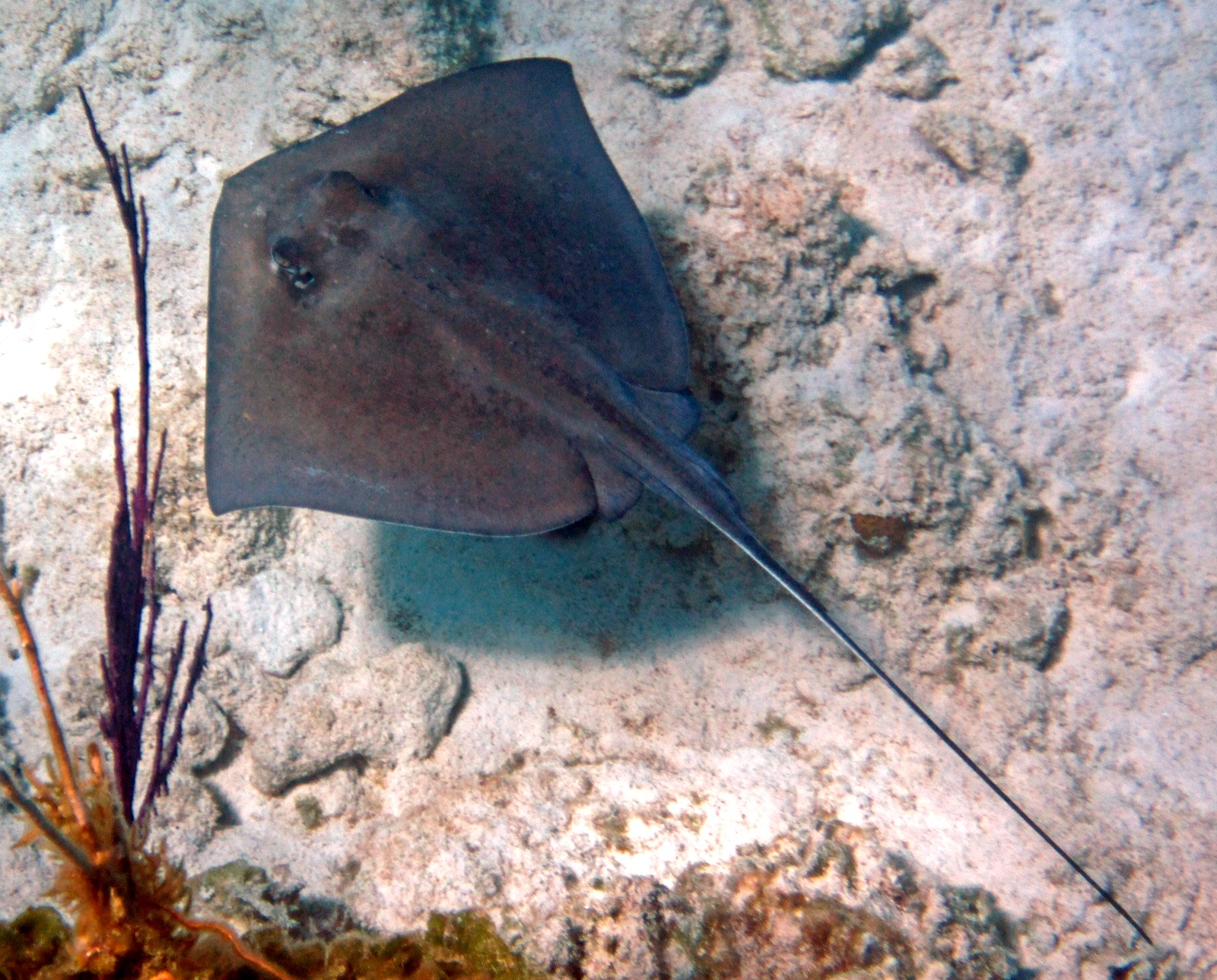
Southern Stingray
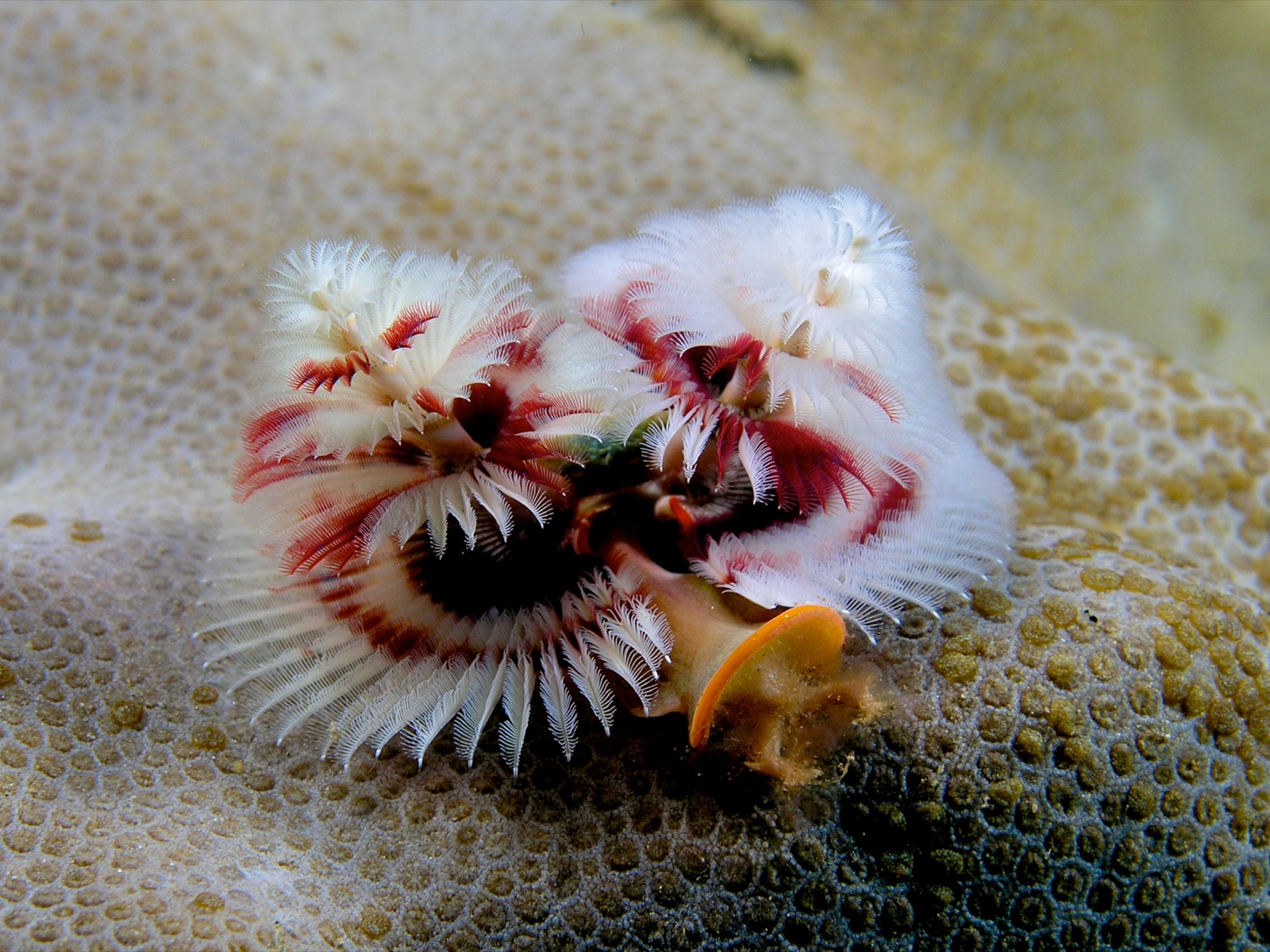
Christmas Tree Worm
As espécies "registadas aqui" foram listadas pelos nossos editores a partir das fontes desta página. As contagens são registos de ocorrência do GBIF: observações registadas num raio de cerca de 5 km da posição indicada desde 1990, cruzadas apenas com as espécies do nosso catálogo. Mostram o que foi avistado no local, não uma garantia do que irá encontrar.
Para fotógrafos
Grande angular: ★★★★☆ · Macro: ★☆☆☆☆ (classificação de 1–5 dos editores sobre o que este sítio oferece a cada estilo de fotografia)