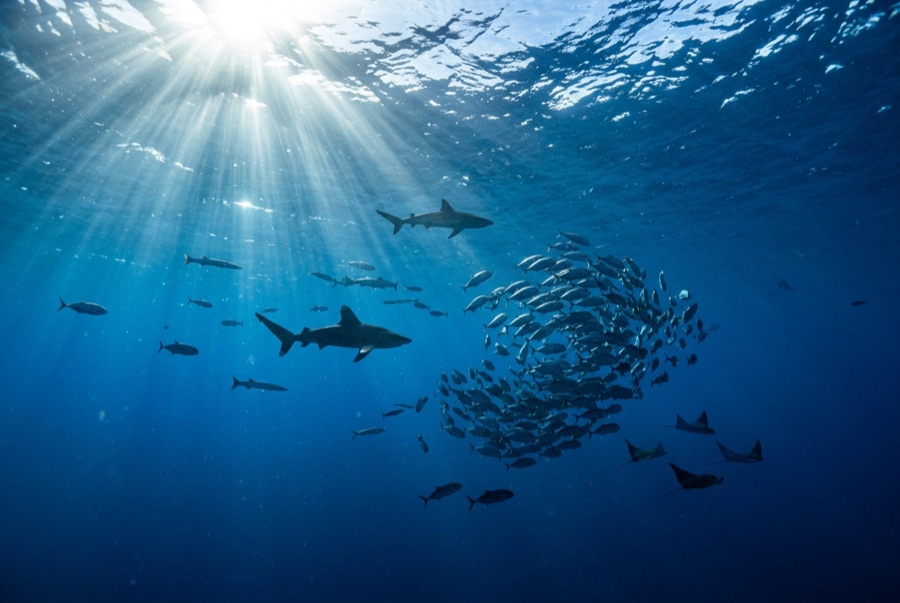
Nosy Be Whale Shark Grounds
العمق هو المدى من أعلى الموقع إلى الحد الأقصى المعتاد، و"الشهادة الموصى بها" هي المستوى الذي تطلبه الوكالات الكبرى في الغالب، لا قاعدة قانونية. التيارات والرؤية تتغير يومياً، فاعتبر كل ما هنا مدى تخطيطياً.
From roughly September to December, juvenile whale sharks gather around Nosy Be to feed, and the island has grown into Madagascar's whale shark hub, complete with a dedicated research project cataloguing individuals. Trips run as boat-based snorkel searches: spotters track feeding slicks and seabird activity, then swimmers enter ahead of a cruising shark and let it pass. Mobula rays often shadow the same plankton patches, Omura's whales surface in the wider channel, and dolphins salt the crossings. Operators signed up to the local code of conduct keep distances honest. Pick one, because crowding is the season's chronic temptation.
اللحظة التي جئت من أجلها: Snorkel encounters with feeding juvenile whale sharks, mobulas alongside
التضاريس: Plankton-rich channels and open water around Nosy Be; no fixed seabed reference
التيار: Open but usually calm dry-season water around the island; encounters are surface events.
اعرف قبل أن تقفز في الماء
المخاطر: Boat congestion around sharks in peak weeks; open-water swims for mixed-ability groups.
الحفاظ على البيئة البحرية: Follow the regional code of conduct: limited swimmers per shark, three-meter distance, no touching, boats out of gear near animals.
من ستلتقي
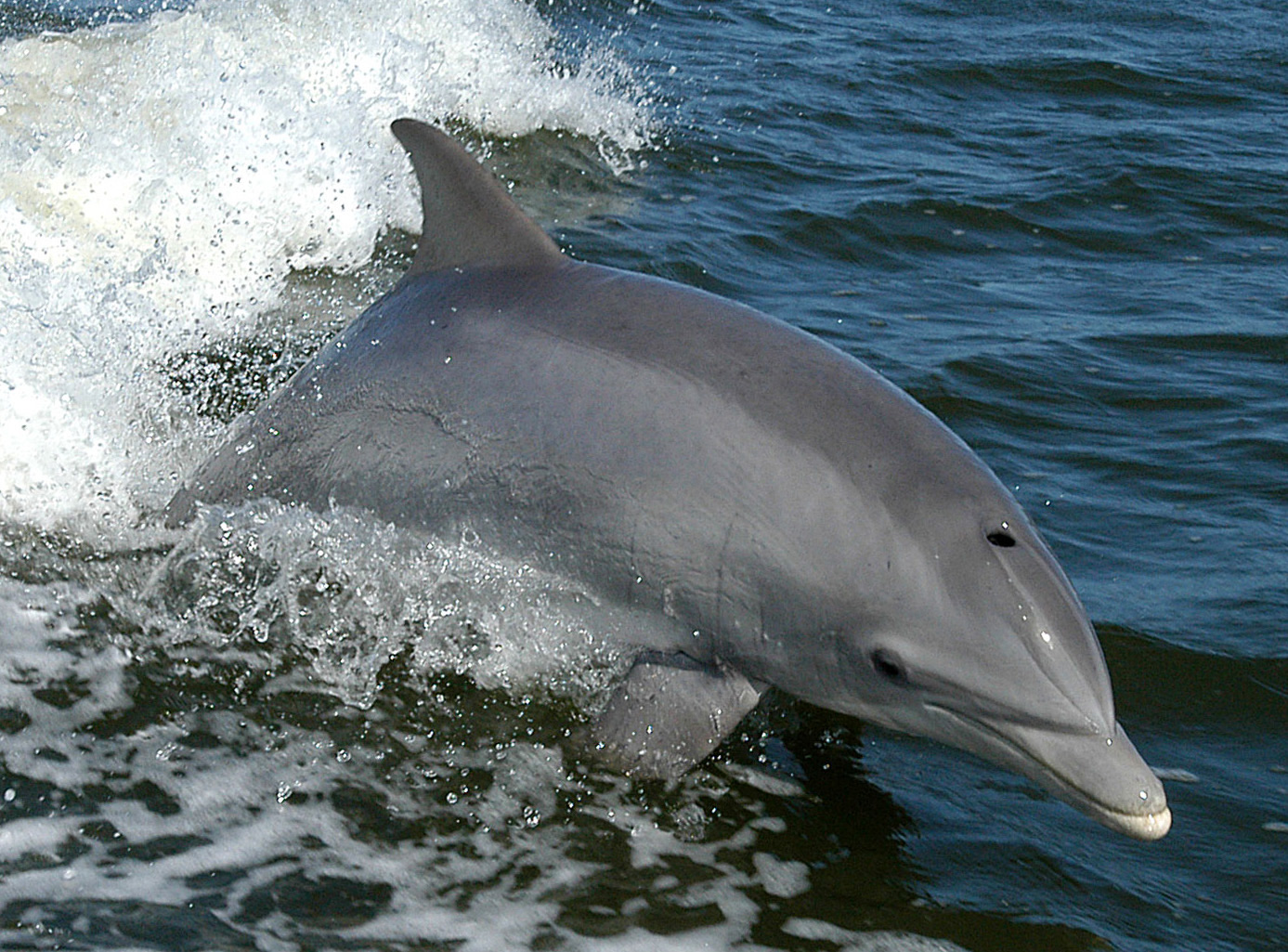
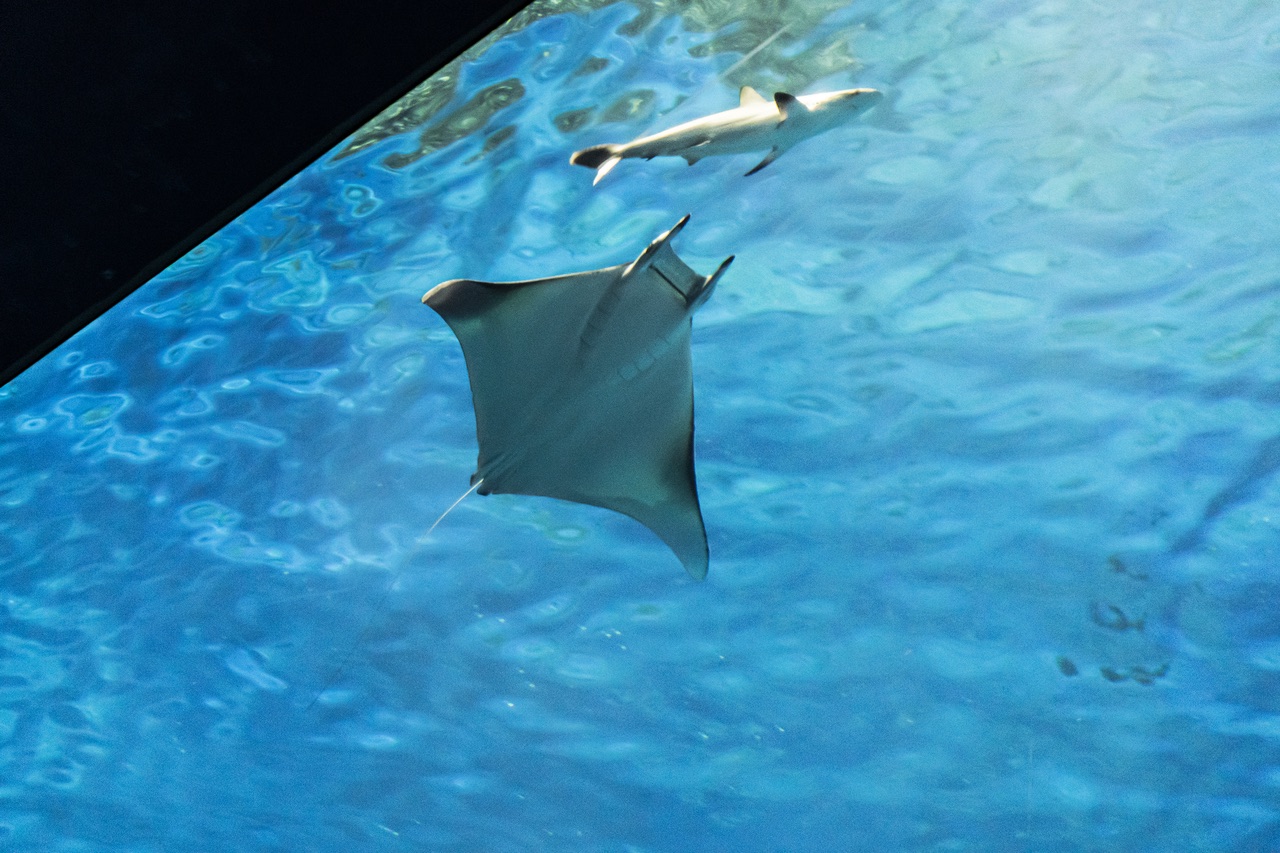
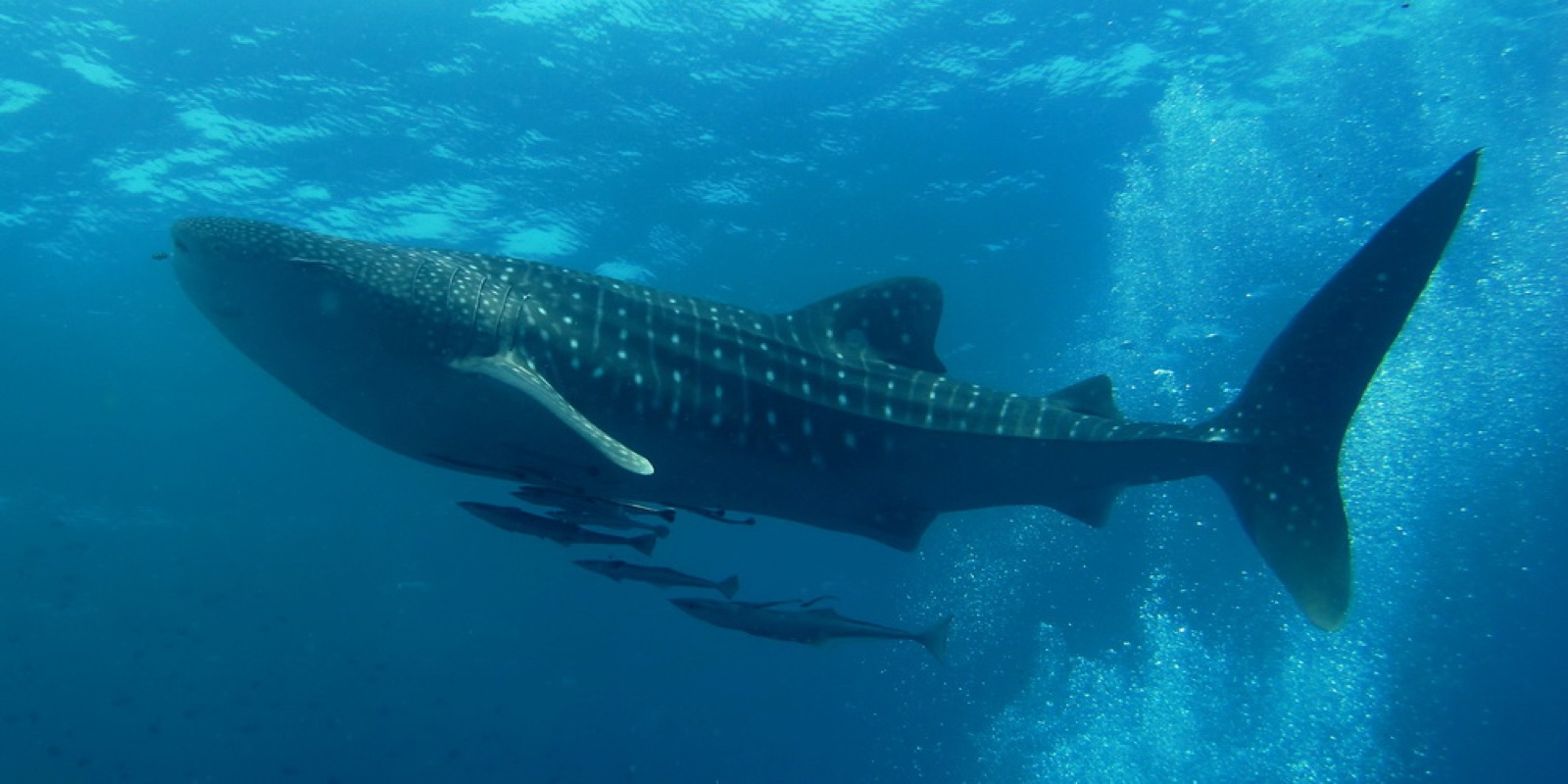
أنواع "مُرسَّمة هنا" أدرجها محرّرونا من المصادر الواردة في هذه الصفحة. الأعداد هي سجلات ظهور GBIF: مشاهدات مُسجَّلة في نطاق نحو 5 كم من الموضع المُرسَّم منذ عام 1990، ومُطابَقة فقط مع الأنواع الموجودة في فهرسنا. وهي تُظهر ما شوهد هناك، لا وعدًا بما ستراه.
للمصوّرين
زاوية واسعة: ★★★★☆ · الماكرو: ★☆☆☆☆ (تقييم المحرّرين من 1 إلى 5 لما يتيحه هذا الموقع لكل أسلوب تصوير)